
Why Cellar Door Safety Is a Serious Issue in New York City
New York City Cellar Door Installer is often the first professional homeowners search for after noticing rusted panels, loose hinges, or doors that no longer sit flush with the sidewalk. The problem is that many cellar doors in NYC are decades old and were never designed for today’s pedestrian traffic, sanitation standards, or weather extremes. A failing cellar door doesn’t just look worn—it can collapse, leak water into basements, or create a dangerous tripping hazard. In a city where sidewalks are heavily used and regulations are strict, unsafe cellar doors can quickly become a liability. The solution starts with understanding how safe cellar doors are supposed to function, what current rules require, and when professional installation is no longer optional but necessary.
What Cellar Doors Are Designed to Do in Urban Buildings
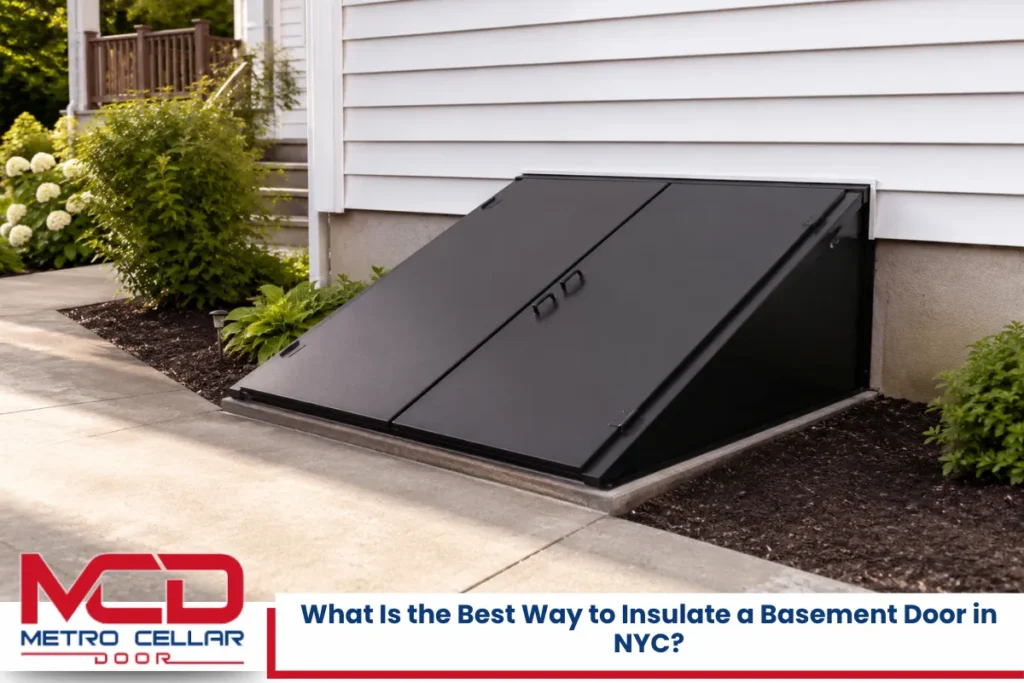
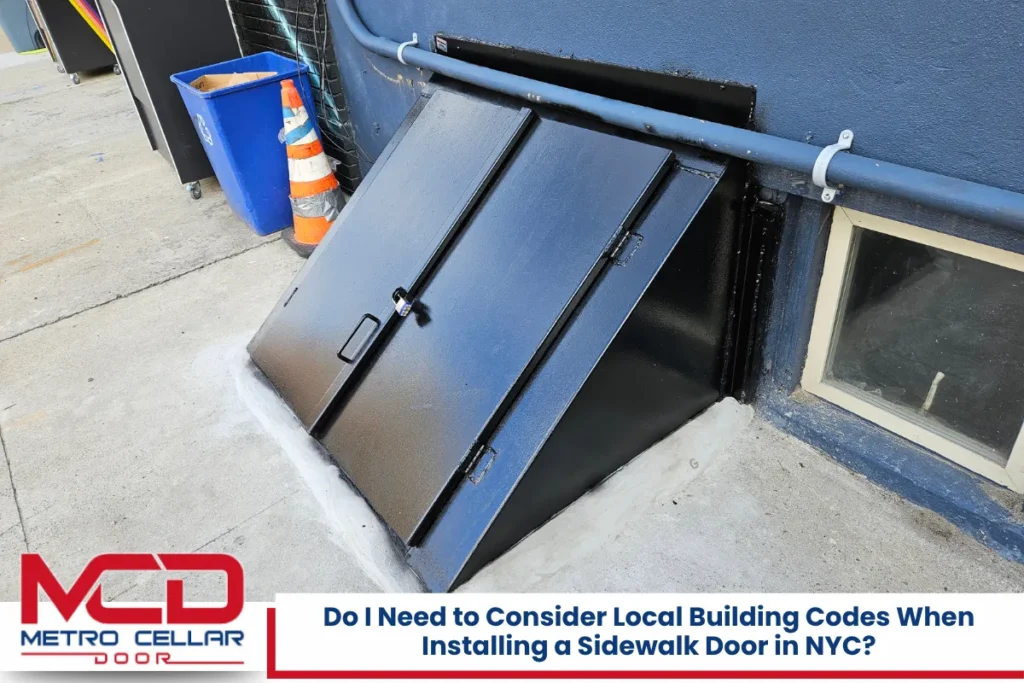
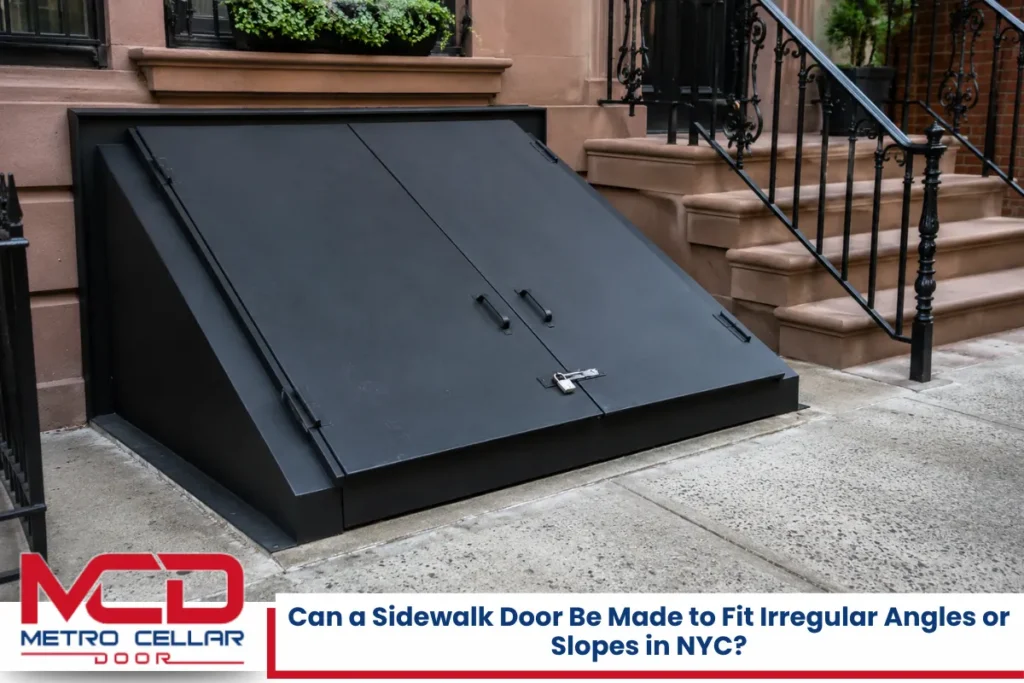
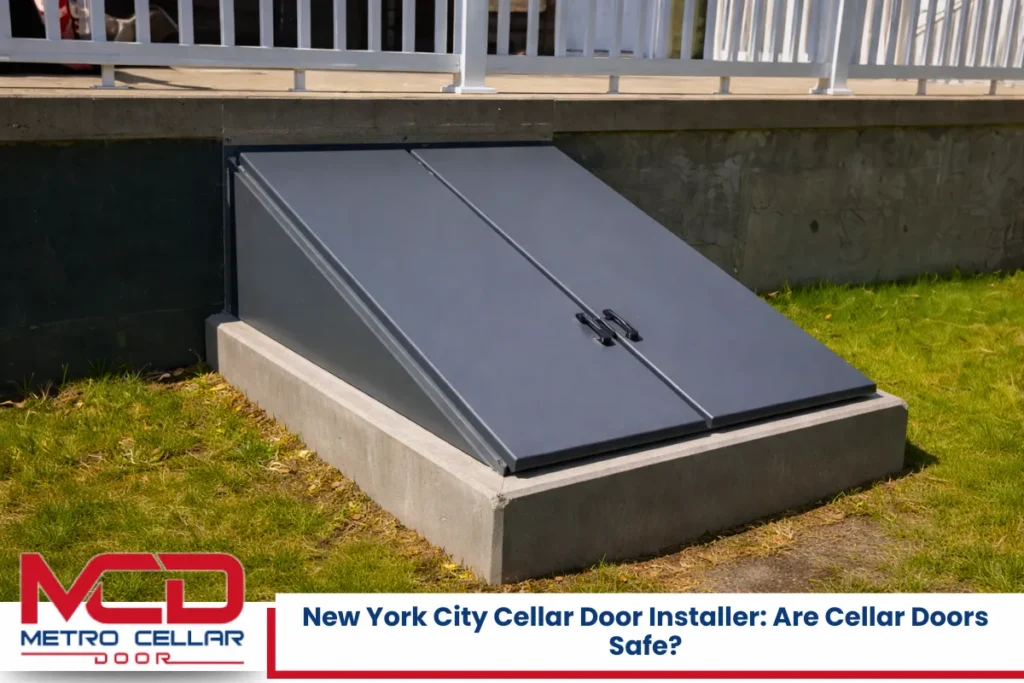
Cellar doors are exterior access points that lead from the sidewalk or yard into a building’s basement. In dense urban environments like New York City, they serve multiple purposes:
- Provide access for maintenance, equipment, and deliveries
- Allow emergency egress in certain building layouts
- Protect basements from water intrusion and debris
- Support pedestrian loads when installed on sidewalks
Unlike interior doors, cellar doors are structural components. They must withstand foot traffic, carts, weather exposure, and freeze-thaw cycles. When installed correctly by a qualified cellar door installer, they become a stable extension of the sidewalk rather than a weak point in the building envelope.
How Safe Are Cellar Doors When Properly Installed?
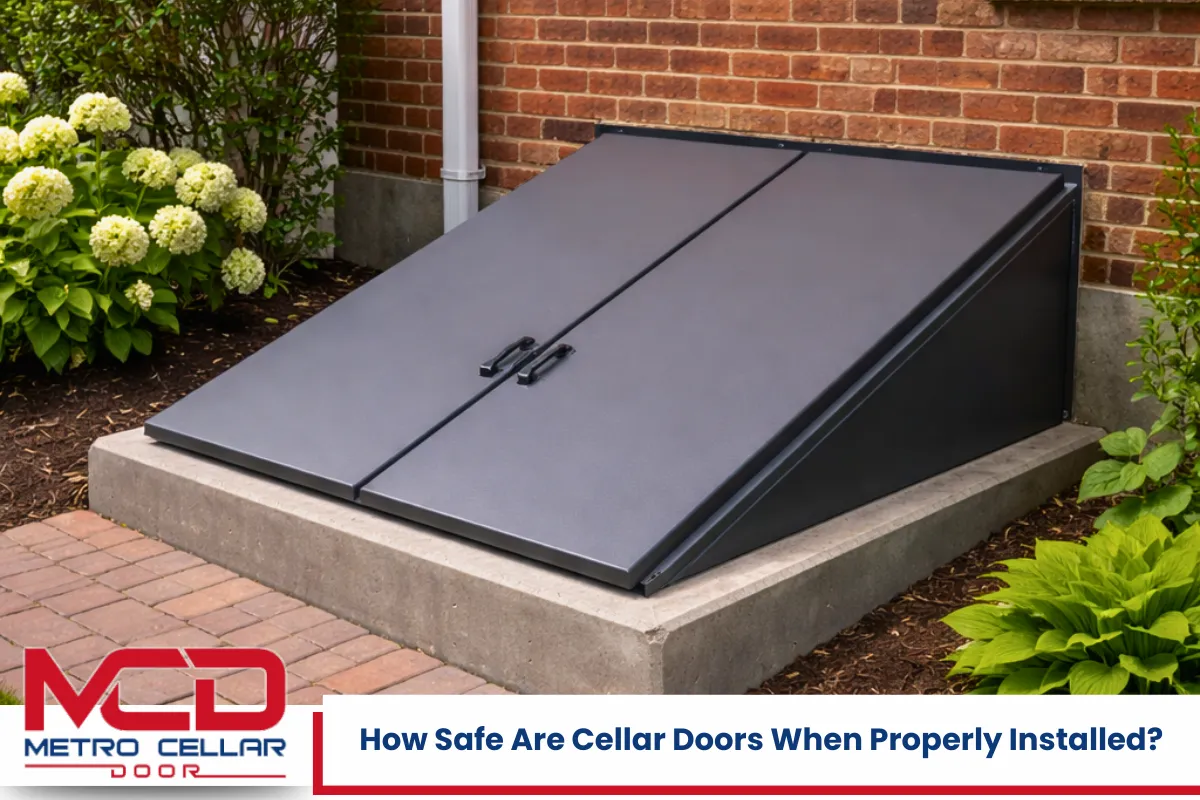
Safety depends on design, materials, installation quality, and ongoing maintenance. Modern cellar doors, especially steel or powder-coated systems, are engineered to meet load-bearing requirements and resist corrosion. When properly installed, they are safe for daily pedestrian use and compliant with local building expectations.
A safe cellar door system should:
- Sit level with the surrounding sidewalk
- Support required live loads without flexing
- Lock securely to prevent unauthorized access
- Seal tightly to block water, pests, and debris
When any of these elements fail, safety becomes compromised. That’s why professional installation and periodic evaluation are critical in New York City.
Common Safety Risks Found in Older Cellar Doors
Many NYC properties still rely on cellar doors installed decades ago. These older systems often present multiple hazards.
Structural Weakness and Metal Fatigue
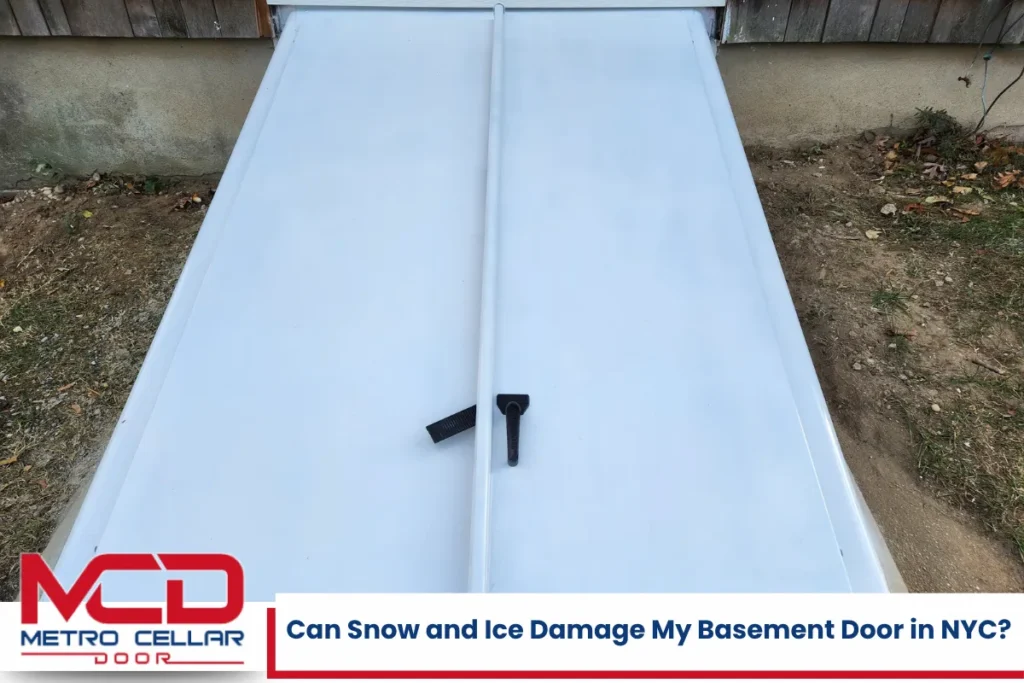
Over time, steel can thin due to rust, especially at seams and hinges. What looks solid from above may be dangerously weak underneath. Pedestrians stepping on compromised doors risk falls or collapse.
Uneven or Sunken Door Panels
Settlement around the foundation or improper installation can cause cellar doors to sink or tilt. Even slight elevation differences can create trip hazards, which are a major concern on busy sidewalks.
Broken or Missing Locking Mechanisms
Cellar doors must remain secured when not in use. Broken latches or makeshift locks increase the risk of unauthorized entry and accidents.
Water Infiltration and Interior Damage
Unsafe cellar doors often allow water to seep into basements, leading to mold, damaged utilities, and weakened foundations—indirect safety risks that escalate over time.
Load-Bearing Standards and Pedestrian Safety Requirements
In New York City, cellar doors located on sidewalks are expected to handle pedestrian traffic safely. While specific load requirements depend on location and usage, modern systems are typically designed to support substantial live loads without deflection.
A professional cellar door installer ensures that:
- Door panels are reinforced internally
- Frames are anchored securely into masonry or concrete
- Hinges and hardware are rated for exterior structural use
Failure to meet these standards can expose property owners to liability if someone is injured.
Weather Resistance and Seasonal Safety Concerns
New York City experiences wide temperature swings, heavy rain, snow, and ice. These conditions directly impact cellar door safety.
Freeze-Thaw Damage
Water entering small cracks can freeze and expand, worsening structural damage. Over time, this leads to warped panels and weakened frames.
Slip Hazards During Rain or Snow
Modern cellar doors often include textured or slip-resistant surfaces to reduce fall risks. Older smooth metal doors become extremely slick when wet.
Wind and Storm Exposure
High winds can force unsecured doors open, creating hazards for pedestrians and risking interior damage.
Locking Systems and Unauthorized Access Prevention
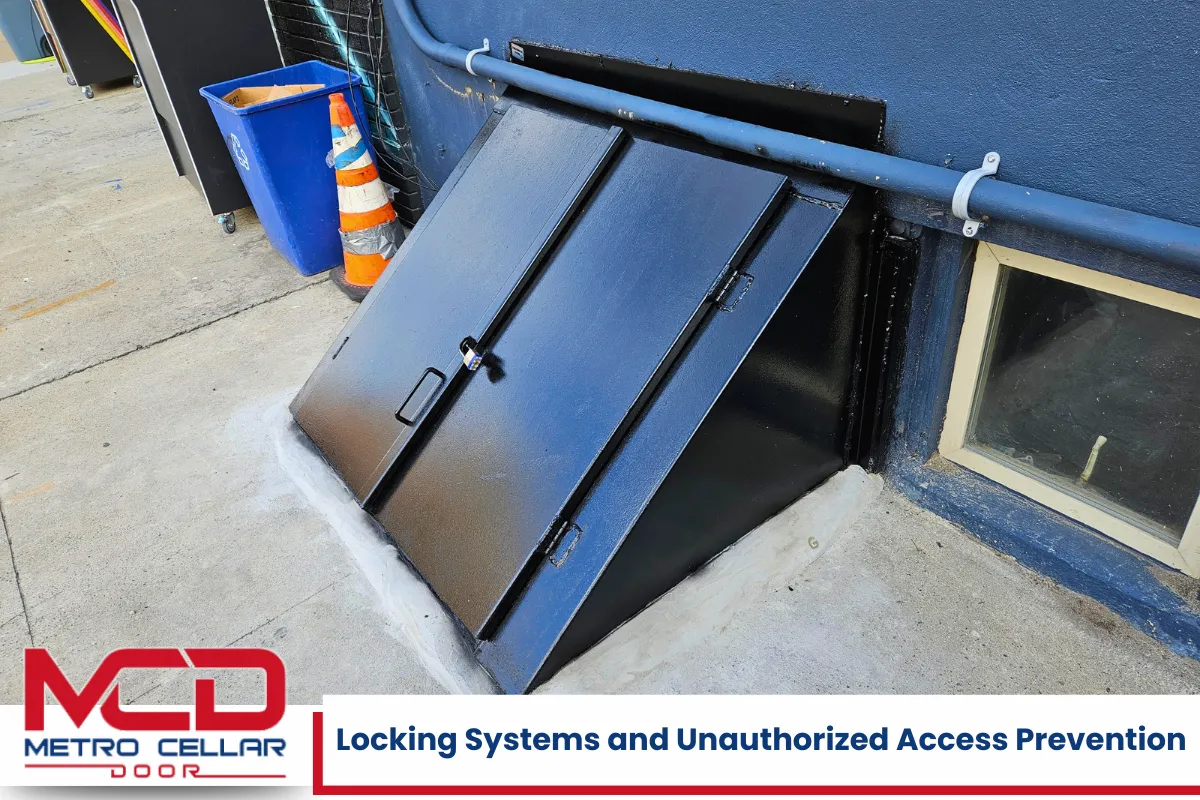
Safety isn’t limited to physical strength. Secure locking systems are essential, especially in residential and mixed-use neighborhoods.
A secure cellar door should include:
- Tamper-resistant hasps or integrated locks
- Hardware designed for exterior exposure
- Proper alignment to prevent prying
Modern systems often integrate improved locking designs that reduce break-in attempts and accidental openings.
Fire Safety and Emergency Access Considerations
In some buildings, cellar doors play a role in emergency access or ventilation. While they are not primary exits in most residential structures, they must not obstruct emergency response.
Professional installation ensures that:
- Doors open smoothly when required
- Hardware does not seize due to corrosion
- Access complies with applicable fire and building codes
Improperly modified cellar doors can create compliance issues during inspections or emergencies.
Read New York City Cellar Door Installer: How Do Cellar Doors Work?
New York City Regulations Affecting Cellar Door Safety
New York City has strict expectations regarding sidewalk structures. Property owners are generally responsible for maintaining cellar doors so they do not endanger the public.
Key regulatory considerations include:
- Maintaining flush alignment with sidewalks
- Ensuring doors are structurally sound and secured
- Repairing or replacing deteriorated components promptly
Ignoring these responsibilities can result in violations, fines, or liability claims. Working with an experienced New York City cellar door installer helps ensure compliance with local rules and expectations.
Materials That Improve Safety and Longevity
Modern cellar doors use advanced materials designed for urban conditions.
Galvanized and Powder-Coated Steel
These materials resist corrosion far better than untreated steel, extending lifespan and maintaining strength.
Reinforced Door Panels
Internal bracing prevents flexing under load, improving pedestrian safety.
Weather-Sealed Frames
Proper seals reduce water intrusion and protect interior spaces.
Many property owners recognize names like Bilco because these systems are engineered specifically for safety, durability, and compliance in demanding environments.
Signs It’s Time to Replace an Unsafe Cellar Door
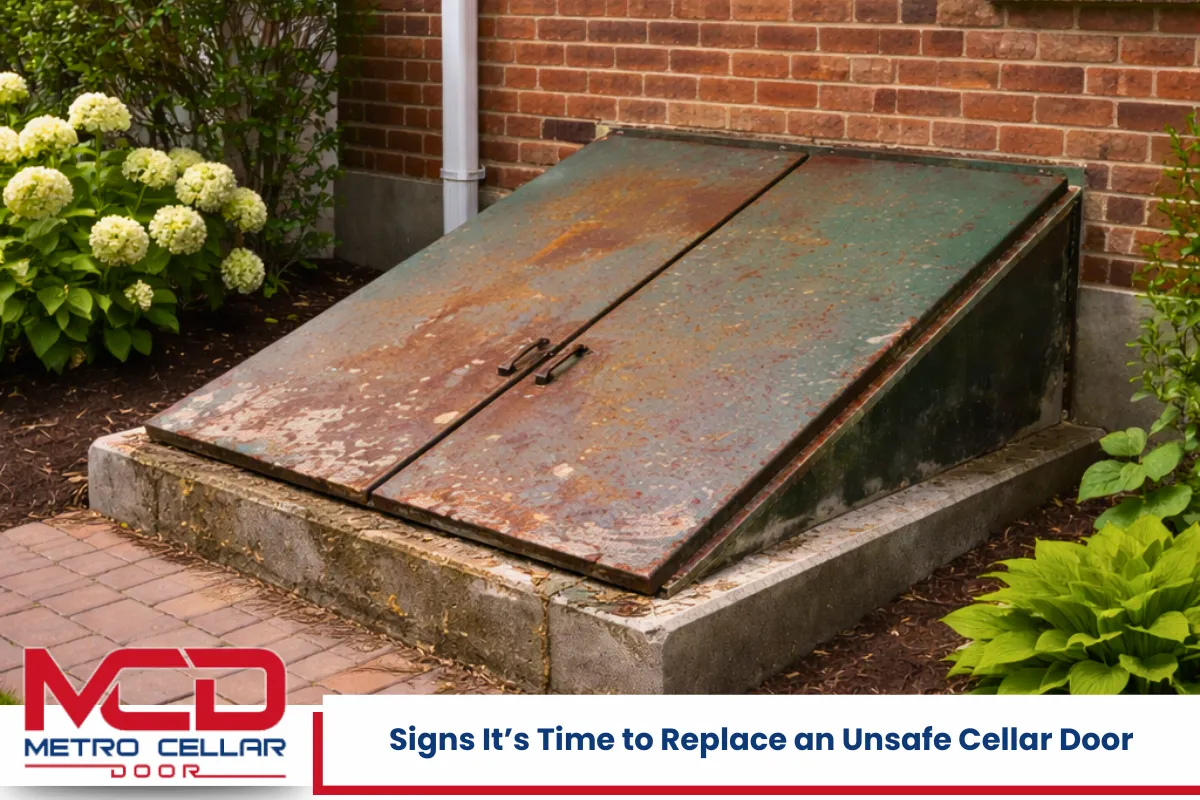
Cellar doors do not fail overnight. Warning signs often appear long before serious hazards develop.
Watch for:
- Visible rust holes or flaking metal
- Doors that bounce or flex underfoot
- Gaps allowing water into the basement
- Difficulty opening or closing the panels
- Complaints or near-miss incidents from pedestrians
Addressing these signs early prevents accidents and costly emergency replacements.
The Role of Professional Installation in Safety Outcomes
Even the highest-quality cellar door can become unsafe if installed incorrectly. Proper installation involves more than swapping panels.
A qualified cellar door installer will:
- Assess surrounding concrete and masonry
- Ensure correct slope for drainage
- Anchor frames to structural elements
- Test load capacity and alignment
This level of precision is especially important in New York City, where sidewalk conditions vary block by block.
Long-Term Maintenance and Ongoing Safety
Safety doesn’t end after installation. Routine inspection and maintenance extend the life of cellar doors and reduce risk.
Recommended practices include:
- Annual inspections for rust and alignment
- Clearing debris from seams and hinges
- Reapplying protective coatings as needed
- Addressing minor issues before they escalate
Proactive care keeps cellar doors safe for both occupants and the public.

We know how critical cellar door safety is in New York City, especially when doors sit directly on busy sidewalks. At Metro Cellar Door Bilco Pro, we specialize in professional cellar door installation, replacement, and upgrades designed to meet NYC requirements. As an experienced Cellar Door Installer, we focus on structural integrity, secure locking systems, proper drainage, and long-term durability. Our team evaluates your existing setup, explains your options clearly, and installs systems built for pedestrian safety and harsh city conditions. If your cellar doors are rusted, uneven, or leaking, now is the time to act. Call us at (929) 979-7313 or fill out our contact form to protect your property and everyone who walks past it.
Frequently Asked Questions
Are cellar doors required to be flush with the sidewalk in NYC?
In New York City, cellar doors located on sidewalks are generally expected to sit flush or nearly flush with the surrounding pavement. This reduces tripping hazards and supports pedestrian safety. If doors shift over time due to settlement or improper installation, they may violate maintenance expectations. While exact tolerances depend on site conditions, doors that create noticeable elevation differences can expose property owners to liability. A professional inspection can determine whether adjustments or replacement are necessary to meet safety expectations.
Can I repair an old cellar door instead of replacing it?
Minor issues such as worn hardware or surface rust can sometimes be repaired. However, structural corrosion, metal thinning, or compromised frames usually require full replacement. Repairs on severely deteriorated doors often provide only temporary relief and may not restore load-bearing capacity. In high-traffic areas, replacement is typically the safer and more cost-effective long-term solution. A qualified cellar door installer can assess whether repair is appropriate or if replacement is the safer option.
Do cellar doors need to be locked at all times?
Yes, cellar doors should remain securely locked when not actively in use. This prevents unauthorized access, vandalism, and accidental openings that could endanger pedestrians. Locking mechanisms must be durable and designed for exterior exposure. Makeshift locks or damaged hasps can fail unexpectedly. Modern systems often integrate improved locking features that enhance both safety and security without complicating access for authorized users.
How long do modern cellar doors typically last?
With proper installation and maintenance, modern steel cellar doors can last several decades. Galvanized or powder-coated finishes significantly slow corrosion, even in harsh urban environments. Longevity depends on exposure, usage, and upkeep. Regular inspections and timely maintenance can extend lifespan and prevent safety issues from developing. Skipping maintenance often shortens service life and increases the likelihood of sudden failure.
Are cellar door replacements disruptive to daily building use?
Most cellar door replacements are completed with minimal disruption when handled by experienced professionals. Work is typically scheduled to limit sidewalk obstruction and maintain safe pedestrian pathways. Access to the basement may be temporarily restricted, but coordination helps minimize inconvenience. Professional installers plan the process carefully to comply with city requirements while keeping the project efficient and safe.
Disclaimer: This article is for general informational purposes only and does not constitute legal or engineering advice. Building conditions and regulatory requirements can vary. Always consult a qualified professional for site-specific evaluations and compliance guidance.
Read Cellar Door Installer in Newark, NJ: Why Are Cellar Doors Important for Basements?