
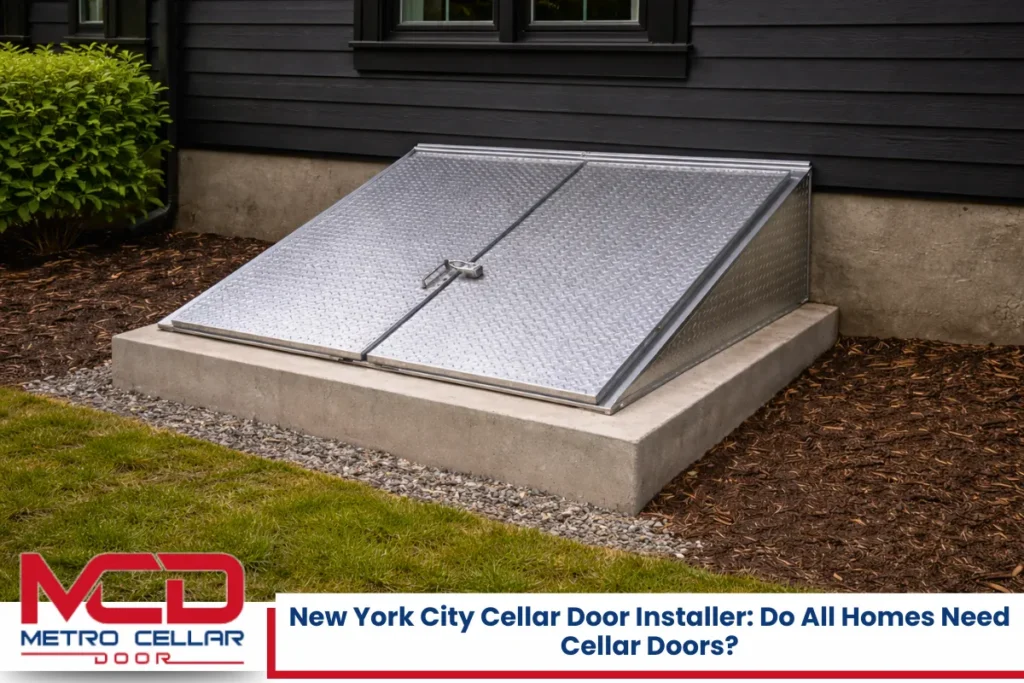
New York City Cellar Door Installer is often the first search homeowners make when they discover a basement access problem, a leaking entry, or a property violation notice. The issue usually starts small: water pooling near the foundation, a rusted exterior hatch, or difficulty moving equipment in and out of the basement. That frustration grows when safety concerns, fines, or insurance complications enter the picture. The reality is that not every home requires cellar doors, but many properties in dense urban areas benefit from them more than owners expect. Understanding when they are required, when they are optional, and how city regulations affect the decision helps homeowners avoid costly mistakes while improving safety, access, and long-term property value.
Why Basement Access Design Matters in Dense Urban Housing
How Cellar Doors Fit Into Urban Construction
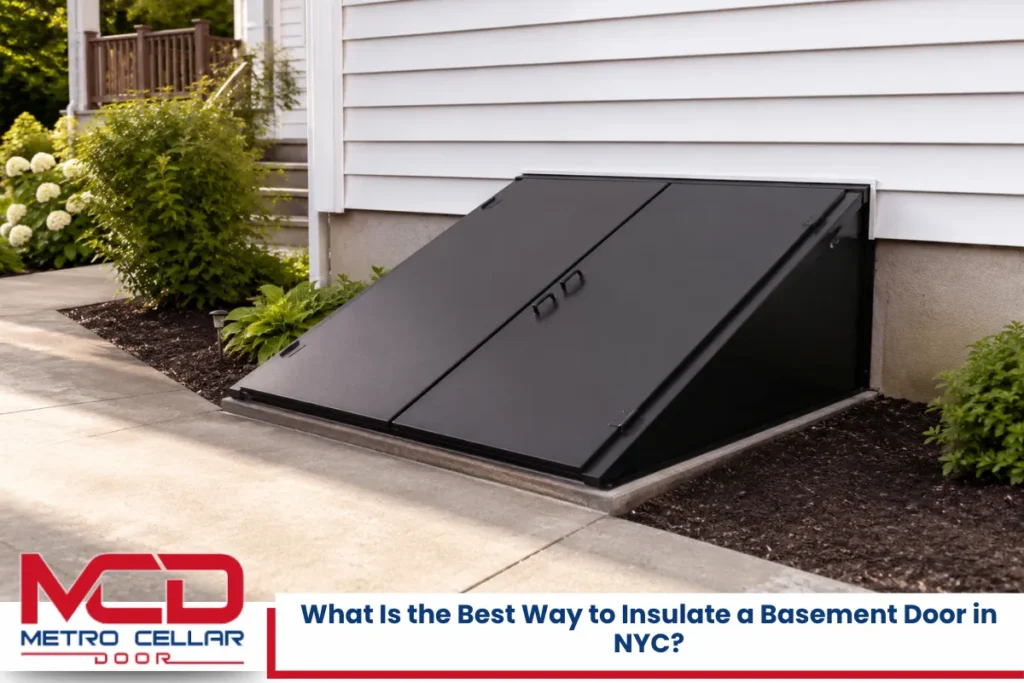
In cities with compact lots and older housing stock, basement access was often designed for practicality rather than aesthetics. Many townhouses, brownstones, and mixed-use buildings rely on exterior cellar doors for utility access, mechanical systems, or deliveries. These access points reduce wear on interior staircases and allow safer movement of bulky items like boilers, water heaters, and commercial equipment.
Differences Between Interior and Exterior Basement Entry
Interior stairs are common in single-family homes, but they are not always practical in urban layouts. Narrow hallways, shared walls, and limited clearance can make interior-only access inefficient or unsafe. Exterior cellar doors solve that problem by creating a direct path into the basement without disrupting living spaces above.
Homes That Typically Need Cellar Doors

Buildings With Below-Grade Living or Utility Space
Any structure with a usable basement that houses mechanical systems, storage, or living space often benefits from cellar doors. This is especially true for properties with oil tanks, large HVAC equipment, or sump systems that may require replacement or service over time.
Multi-Unit and Mixed-Use Properties
Apartment buildings and storefronts frequently rely on cellar doors for maintenance access. Property owners use them to move inventory, tools, and supplies without disturbing tenants or customers.
Older Homes Built Before Modern Access Standards
Many historic properties were built with coal chutes or outdated hatches that no longer meet safety or weatherproofing expectations. Replacing these with modern cellar doors improves compliance and reduces liability risks.
When Cellar Doors Are Not Required
Homes With Adequate Interior Access
Some single-family homes have wide interior staircases and full-height basement ceilings. In these cases, cellar doors may be optional rather than necessary.
Slab-on-Grade Construction
Homes without basements or with shallow crawl spaces do not require cellar doors. These structures are designed without below-grade access needs.
Properties With Alternative Exterior Access
In rare cases, side-yard or rear-yard entrances provide sufficient basement access without a traditional cellar door configuration.
Safety Factors That Influence the Decision
Preventing Falls and Accidents
Poorly designed or deteriorated cellar doors can become serious hazards. Uneven steps, weak hinges, or unsecured panels increase the risk of injury. Proper installation addresses these issues through reinforced frames, secure locking systems, and code-compliant clearances.
Fire and Emergency Access Considerations
In some layouts, cellar doors provide secondary access for emergency situations. While not a substitute for required egress windows, they can improve overall accessibility for responders and maintenance personnel.
Child and Pedestrian Safety
In high-foot-traffic areas, cellar doors must sit flush with sidewalks or pavement when closed. Anti-slip surfaces and proper slope reduce tripping hazards for pedestrians.
Weatherproofing and Flood Prevention Benefits
Managing Heavy Rain and Snow
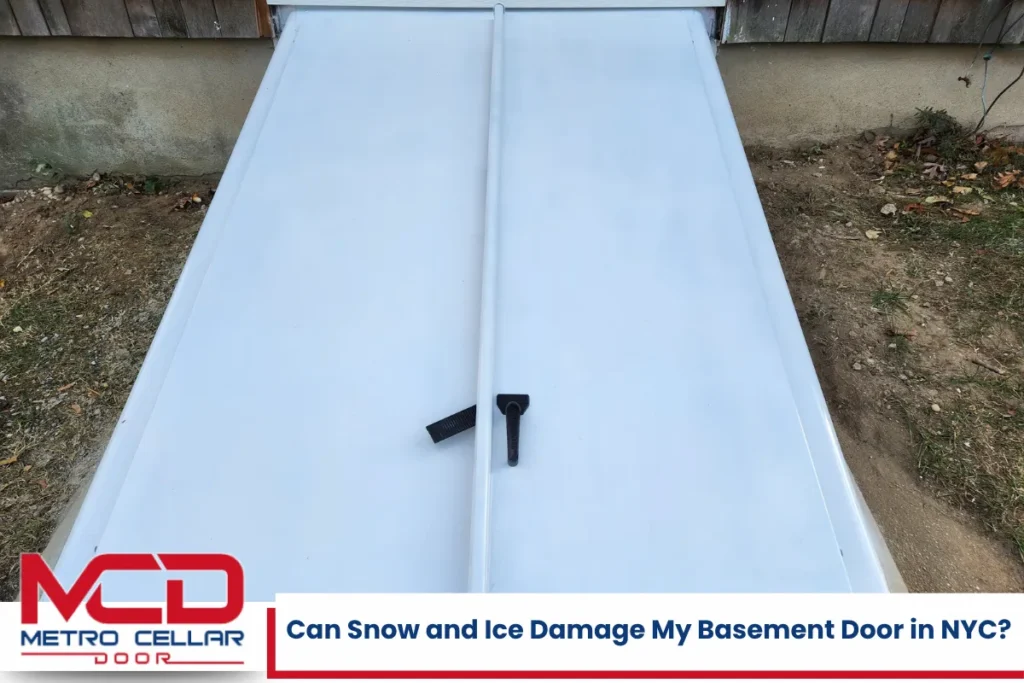
Urban flooding is a growing concern. Poorly sealed basement entries allow water intrusion during storms. Modern cellar doors include gasketed edges, drainage channels, and corrosion-resistant materials designed to withstand harsh weather.
Protecting Structural Integrity
Repeated water exposure damages foundations over time. Installing properly fitted cellar doors helps preserve concrete, masonry, and framing components below grade.
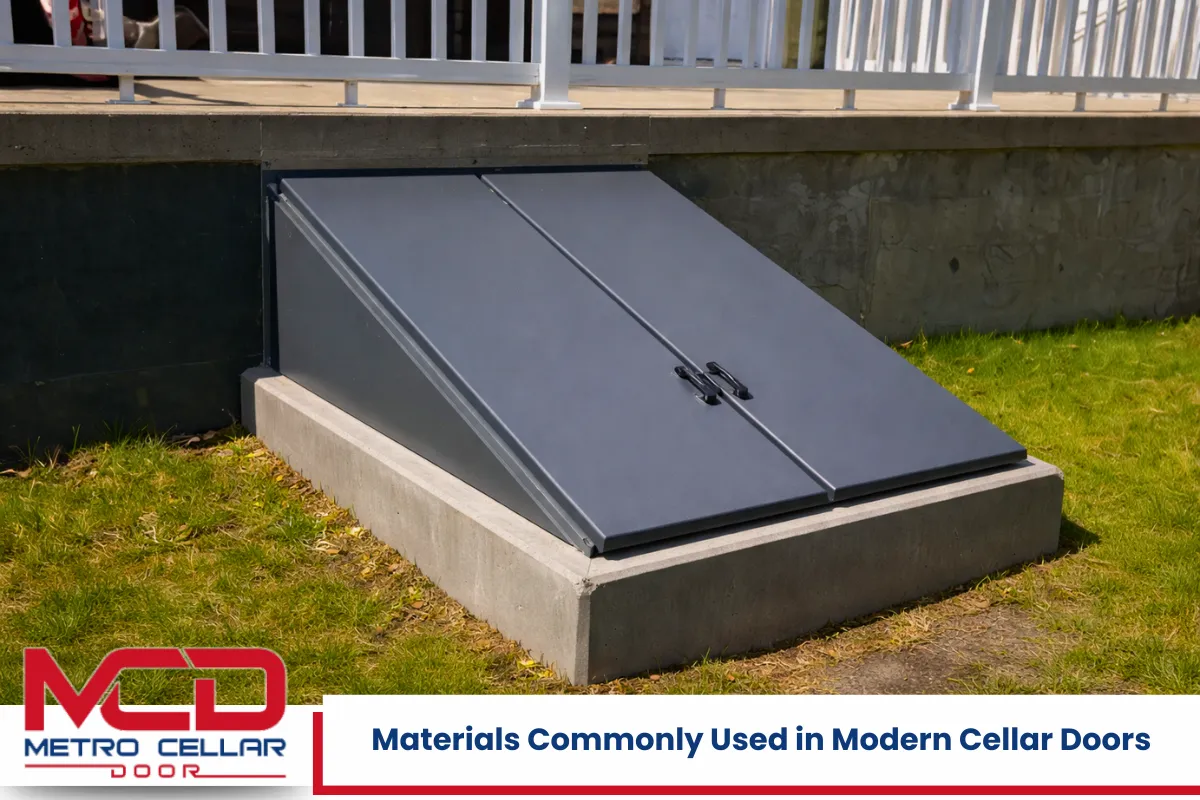
Materials Commonly Used in Modern Cellar Doors
Steel and Galvanized Options
Steel cellar doors are widely used due to their strength and durability. Galvanized coatings resist rust and corrosion, making them suitable for sidewalk installations.
Aluminum Alternatives
Aluminum offers lighter weight and corrosion resistance. It is often used in residential settings where frequent opening is required.
Composite and Coated Finishes
Some modern designs include protective coatings or composite elements that improve longevity and reduce maintenance requirements.
Read New York City Cellar Door Installer: How Long Do Cellar Doors Last?
Understanding Local Regulations and Compliance
NYC Building Code Requirements
Cellar doors in New York City must comply with building and housing maintenance codes. These regulations address load ratings, slip resistance, drainage, and fire separation standards. Doors installed on sidewalks or public ways require additional approvals.
Sidewalk Vault and Hatch Rules
Cellar doors located beneath or adjacent to sidewalks often fall under vault regulations. These installations must support pedestrian traffic and meet specific dimensional requirements.
Permit and Inspection Considerations
Many installations require permits and inspections to ensure compliance. Failing to follow proper procedures can result in fines or forced removal.
Accessibility and Usability Considerations
Ease of Daily Use
Homeowners and building managers should consider how often cellar doors will be opened. Smooth operation, counterbalanced hinges, and ergonomic handles improve usability.
Noise Reduction in Residential Areas
Proper installation reduces banging or rattling that can disturb occupants or neighbors.
Integration With Landscaping and Exterior Design
Cellar doors no longer need to look industrial. Modern designs can be integrated with paving, stonework, or exterior finishes for a cleaner appearance.
Energy Efficiency and Insulation Concerns
Preventing Heat Loss
Poorly sealed basement entries allow drafts that increase heating costs. Insulated cellar doors help maintain indoor temperatures.
Moisture Control
Condensation leads to mold and mildew issues. Proper ventilation and sealing minimize moisture buildup.
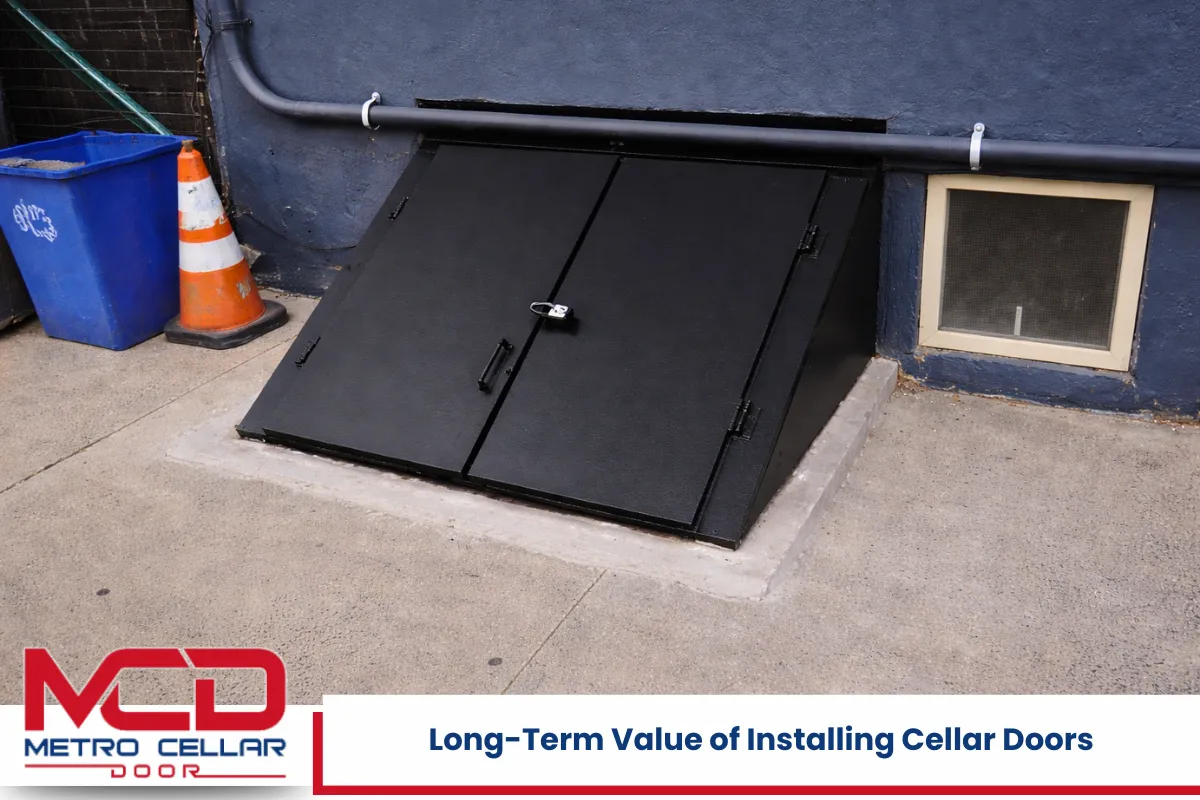
Long-Term Value of Installing Cellar Doors
Increased Property Marketability
Functional basement access appeals to buyers and tenants. It signals that the property is well-maintained and practical.
Reduced Maintenance Costs
Replacing outdated or damaged access points reduces emergency repair expenses over time.
Insurance and Liability Benefits
Secure, compliant cellar doors lower the risk of claims related to injuries or water damage.
Choosing the Right Cellar Door Installer
Importance of Local Experience
Urban environments present unique challenges such as limited access, shared walls, and strict regulations. A knowledgeable cellar door installer understands these constraints and plans accordingly.
Custom Measurements and Fabrication
No two properties are exactly alike. Proper sizing ensures a watertight fit and smooth operation.
Post-Installation Support
Ongoing maintenance, adjustments, and inspections extend the life of the installation.
New York City Cellar Door Installer – Metro Cellar Door Bilco Pro

We understand that deciding whether your home needs cellar doors is not always straightforward. As a trusted Cellar Door Installer in New York City, we help property owners evaluate access needs, safety concerns, and local code requirements before any work begins. Our team handles measurements, permitting guidance, and professional installation with attention to durability and compliance. Metro Cellar Door Bilco Pro focuses on solutions that improve access, reduce water intrusion, and enhance long-term property value. If you are unsure whether your home requires cellar doors or your existing setup needs replacement, contact us today. Call (929) 979-7313 or fill out our contact form to schedule a consultation and get clear, honest guidance tailored to your property.
Frequently Asked Questions
Do cellar doors count as legal basement egress in New York City?
Cellar doors alone do not qualify as legal egress for habitable basement spaces under New York City building codes. Egress requirements typically involve specific window sizes, sill heights, and access paths designed for emergency escape. Cellar doors are considered service or utility access rather than primary emergency exits. However, they can complement compliant egress windows by providing additional access for maintenance or emergency responders. Property owners should consult code requirements carefully before converting basements into living areas.
How long do professionally installed cellar doors usually last?
The lifespan of cellar doors depends on materials, exposure, and maintenance. Steel or aluminum doors installed correctly and maintained regularly can last several decades. Galvanized finishes resist corrosion, while proper drainage prevents water pooling that accelerates wear. Regular inspections for hinge alignment, seal integrity, and surface damage help extend service life. In urban environments, doors exposed to salt, traffic, or debris may require more frequent upkeep to maintain performance.
Are cellar doors allowed on sidewalks in residential neighborhoods?
Yes, cellar doors can be installed on sidewalks in residential areas, but they must meet strict city requirements. These include load-bearing capacity, slip resistance, flush installation, and proper drainage. Sidewalk cellar doors often fall under vault regulations and may require permits and inspections. Improper installations can lead to violations or liability issues. Working with an experienced installer ensures compliance and reduces the risk of penalties or forced modifications.
Can cellar doors help prevent basement flooding?
Cellar doors play a significant role in flood prevention when designed and installed correctly. Modern systems include raised thresholds, watertight seals, and integrated drainage channels that redirect water away from the foundation. While they cannot stop flooding caused by severe sewer backups or groundwater issues alone, they reduce surface water intrusion during storms. Pairing cellar doors with proper grading and drainage systems provides the best protection.
Is replacing an old cellar hatch considered a major renovation?
Replacing an existing cellar hatch is generally considered a repair or upgrade rather than a major renovation. However, changes to size, location, or structural framing may require permits. The complexity depends on whether the replacement alters the building envelope or sidewalk structure. Consulting with a qualified cellar door installer helps clarify permitting needs and ensures the work aligns with current codes without unnecessary delays.
Disclaimer: This article is provided for general informational purposes only. Building codes, regulations, and requirements can change and may vary based on property type and location. Always consult qualified professionals and local authorities before making decisions related to cellar doors or basement access installations.
Read New York City Cellar Door Installer: How Do Cellar Doors Work?