
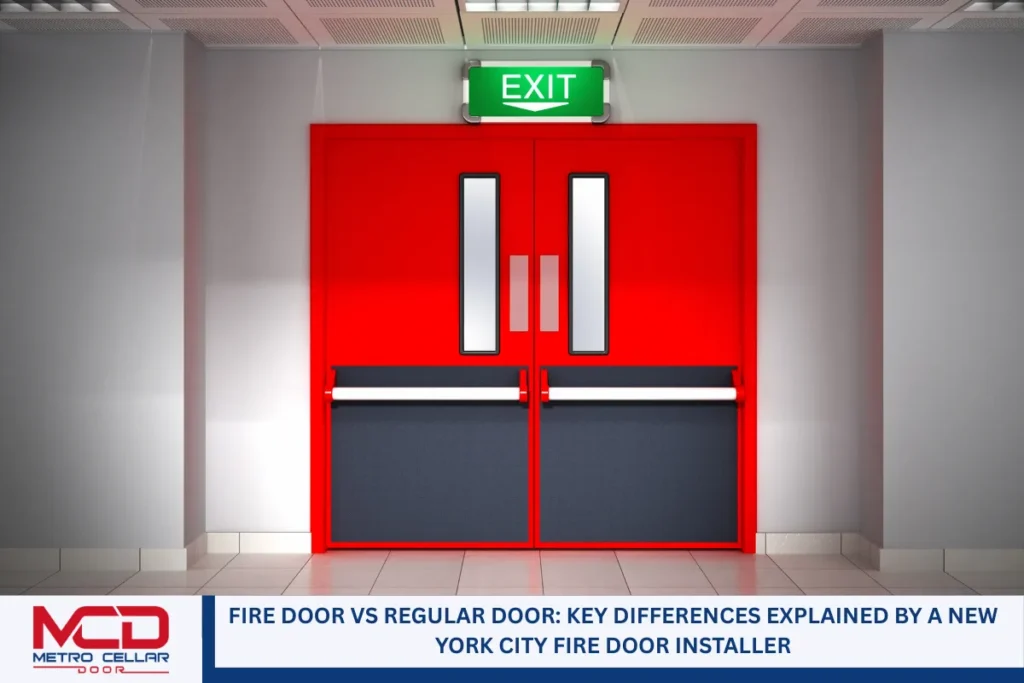
Understanding the role of a fire door installer is essential for ensuring safety and code compliance throughout buildings in New York City. Fire doors serve a specialized function that extends far beyond what typical doors can offer. While most doors provide privacy or block sound, fire-rated doors are built to delay the spread of fire and smoke, protect lives, and allow safe evacuation during emergencies.
In a city filled with high-rise buildings, mixed-use developments, and densely packed residential units, proper fire protection is more than a feature—it’s a legal and life-saving necessity. This guide explores, in clear and practical terms, the major distinctions between fire doors and regular doors, based on local building standards and fire codes. Whether you’re overseeing construction, managing a building, or retrofitting older structures, understanding these differences helps ensure you’re making safe and lawful choices.
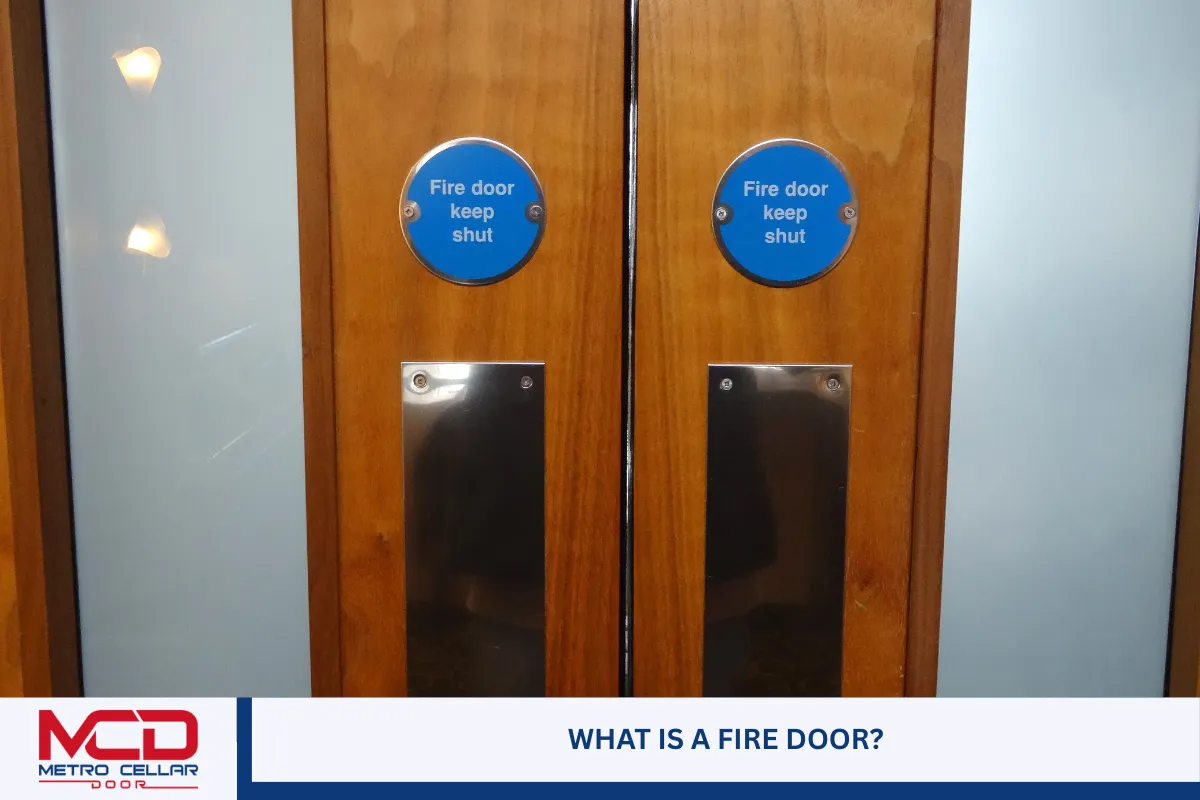
What is a Fire Door?
A fire door is a specially designed barrier that resists the spread of fire and smoke for a designated amount of time. Unlike standard doors, fire doors must meet stringent testing and certification processes to ensure they can perform effectively during fire events. These doors are an integral part of a building’s passive fire protection systems, meaning they work without human input to prevent the spread of fire, smoke, and toxic gases within a building, contain fire in one area, and limit its ability to move elsewhere.
Construction and Materials
Fire doors are typically made to withstand high temperatures and maintain their integrity without warping or collapsing, using core materials that resist heat and combustion, such as:
- Solid wood with mineral cores
- Steel-reinforced layers
- Gypsum or composite cores with layered fire-resistant materials such as mineral wool or vermiculite boards to reduce heat transfer
- Insulated glass (for rated windows within doors)
The outer layer is usually clad in fire-resistant veneer or steel, and the edges are tightly sealed. All components must work together to maintain the fire-resistance rating.
Certification and Ratings
Every fire door comes with a certification label from an approved agency, often provided by UL (Underwriters Laboratories) or Intertek, that confirms compliance with safety standards. This label details:
- Fire resistance time (commonly 20, 45, 60, or 90 minutes)
- Manufacturer details
- Approval numbers for inspection reference
That fire resistance rating is based on the door’s construction materials and the fire tests it passes.
A certified fire door cannot legally be altered once installed. Even small modifications—like drilling holes for hardware—can void the rating unless done under strict compliance.
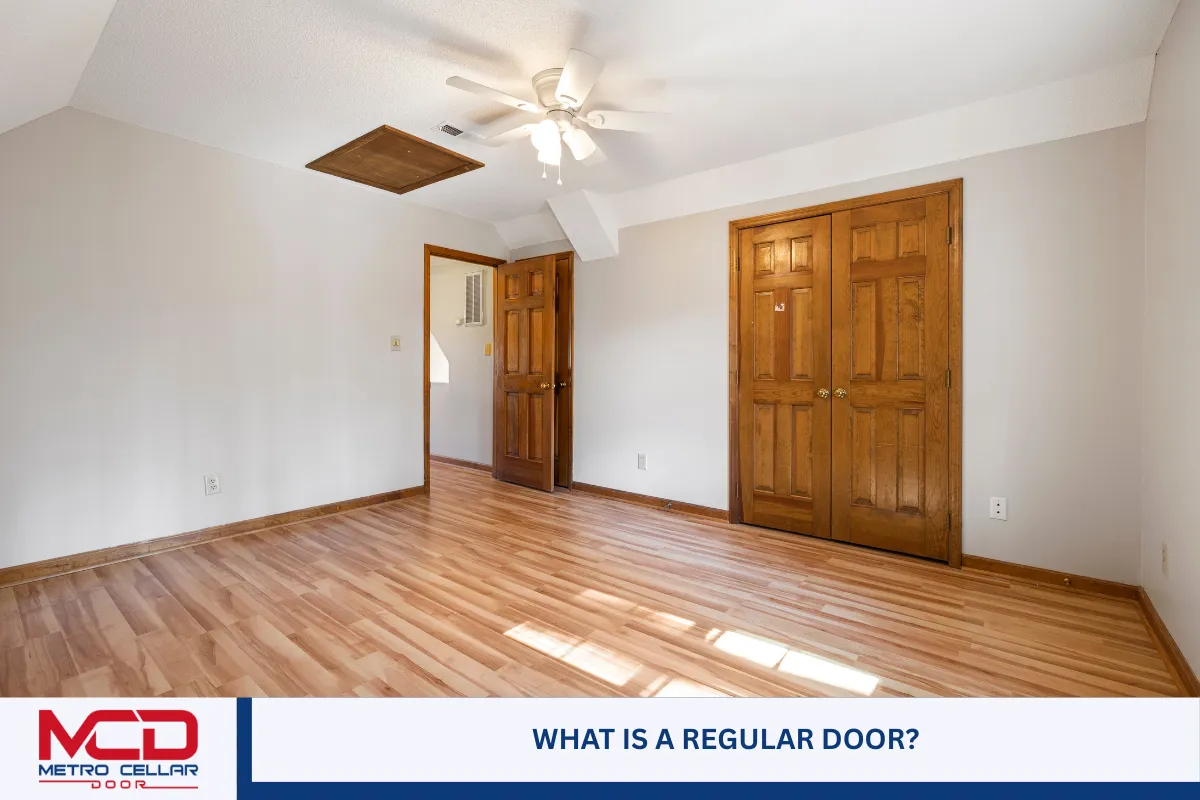
What is a Regular Door?
Regular doors, also known as standard, non-rated, or normal doors, are common in both residential and commercial settings, where they mainly serve as everyday entry and exit points rather than fire or smoke protection. They serve functional and aesthetic purposes such as providing entry, enhancing interior design, or separating rooms. However, these doors are not designed to withstand heat or block smoke, which makes them inadequate in spaces where fire containment is critical.
Construction and Purpose
Standard doors are built from a wide range of materials, including:
- Hollow-core wood (lightweight and cost-effective)
- Solid hardwood (durable, decorative)
- PVC or fiberglass
- Glass panels (non-fire rated)
These doors are selected for style, budget, or basic functionality—not life safety. They typically include standard doorknobs, hinges, and basic locks, which are not fire-resistant.
Limitations in Safety
Because regular doors lack fire-resistant materials and certified seals, they:
- Do not block toxic smoke
- May collapse under high heat
- Allow fire to spread quickly through hallways or between units
In New York City, it is illegal to use non-rated doors in fire zones such as stairwells, exit paths, or between shared living units.
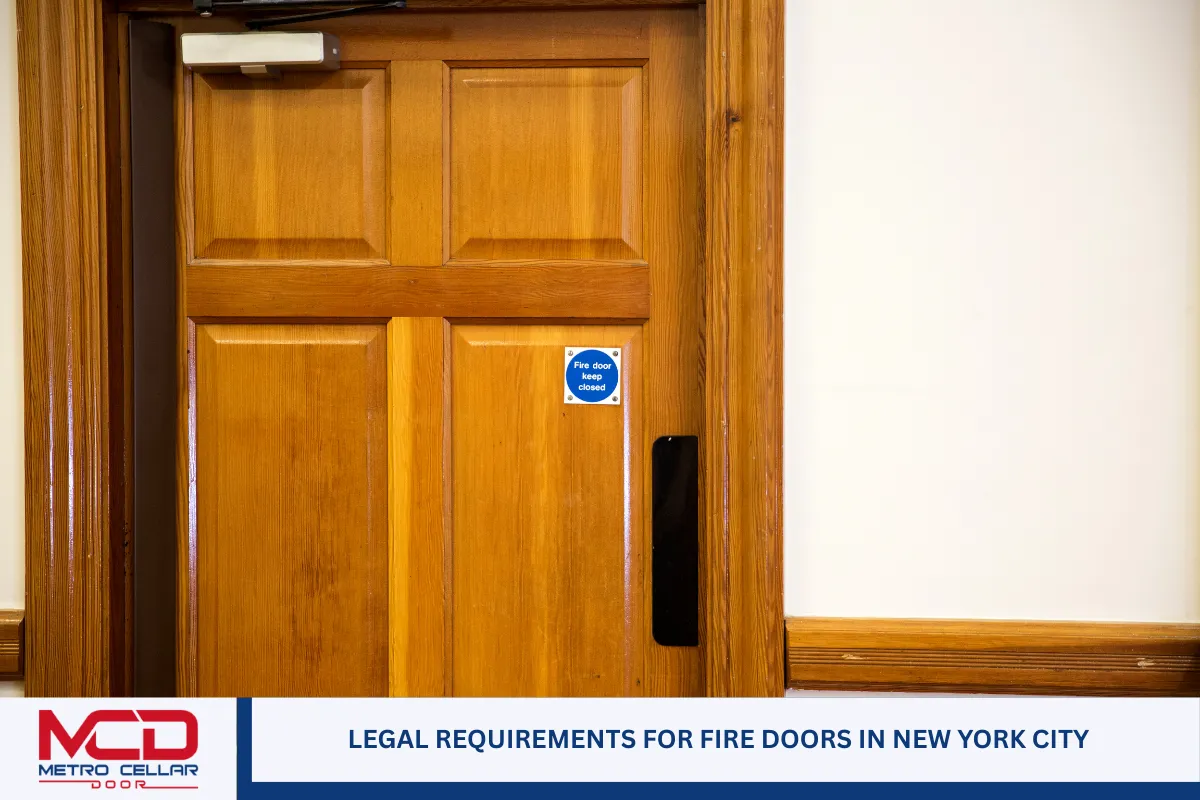
Legal Requirements for Fire Doors in New York City
The NYC Building Code, particularly Chapter 7, outlines where fire-rated doors must be installed. These regulations are enforced by the Department of Buildings (DOB) and the Fire Department of New York (FDNY). Failing to comply with these laws can result in fines, permit denials, or even forced evacuation orders.
Fire Door Placement in Buildings
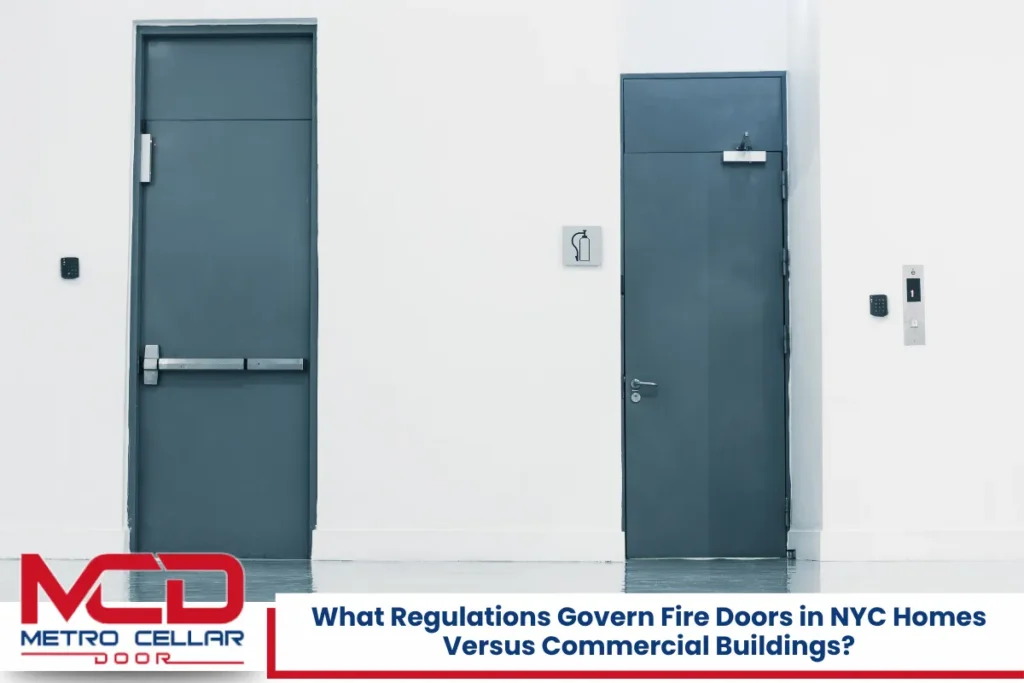
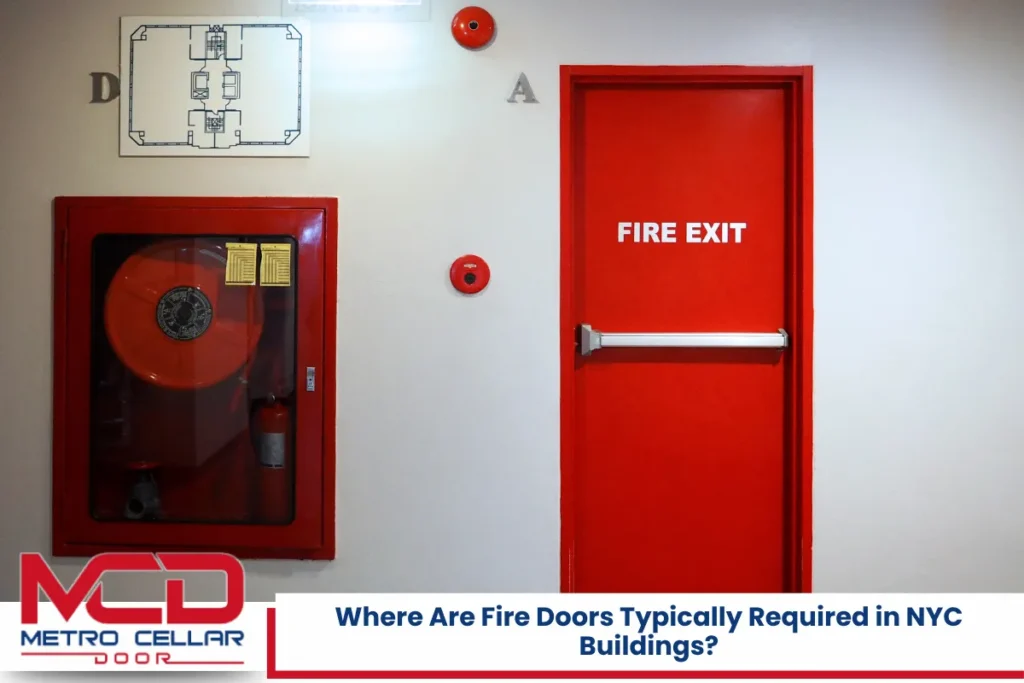
In most buildings—especially those classified as R-2 (multi-family dwellings)—fire doors must be installed in, if you need to find fire doors in a building:
- Stairwell exits
- Apartment entryways
- Mechanical rooms and boiler rooms
- Hallway fire barriers
- Elevator lobbies and shafts
These are the areas where fire doors are installed because each door opening protects a fire barrier or exit route. These zones are critical for preventing fire spread and giving occupants time to evacuate. Without fire doors, a blaze can sweep through a building in minutes, blocking exits and flooding rooms with smoke.
Maintenance and Inspection
All fire doors in NYC must be:
- Inspected annually under the NYC fire code and local laws
- Properly labeled
- Self-closing and self-latching
- Free of gaps, warping, or defects
- Maintained with approved fire-rated hardware
These inspections check proper clearances, functioning latches, and intact seals.
Building owners and managers are responsible for scheduling annual fire door inspections by a qualified professional and maintaining records for city audits, since missed or overdue inspections can lead to failed inspections, violations, and fines in NYC.
Why Fire Doors Are a Lifesaving Investment
While fire doors often look like ordinary doors, their purpose is far more advanced: their primary role is to contain fire and smoke, allowing occupants to evacuate safely, minimizing property damage, and protecting lives during a fire event. In fire emergencies, these doors act as both physical and legal protections.
Core Benefits
- Life Safety: Slows down the spread of fire, making safety fire doors a critical life-safety measure that gives occupants time to escape.
- Smoke Control: Prevents toxic smoke from moving into hallways or stairwells.
- Structural Integrity: Holds back fire and pressure buildup from heat.
- Legal Protection: Compliance reduces liability during litigation.
- Insurance Benefits: May lower premiums or qualify buildings for policy upgrades.
By installing certified fire doors in the required areas, property owners in NYC ensure their buildings are equipped to meet both safety needs, fire safety standards, and legal standards.
Key Differences Between Fire Doors and Regular Doors
To better understand the contrast, here’s a breakdown across essential categories:
| Feature | Fire Door | Regular Door |
|---|---|---|
| Material | Fire-resistant core | Hollow or solid wood, plastic, etc. |
| Fire Rating | 20–90 minutes | None |
| Labeling | Required | Not required |
| Smoke Control | Yes | No |
| NYC Code Compliant | Yes (if certified) | No (in fire zones) |
| Use Case | Stairwells, exits, boiler rooms | Bedrooms, closets, and general interior use |
Each of these distinctions affects a building’s ability to slow fire progression and maintain safe conditions.
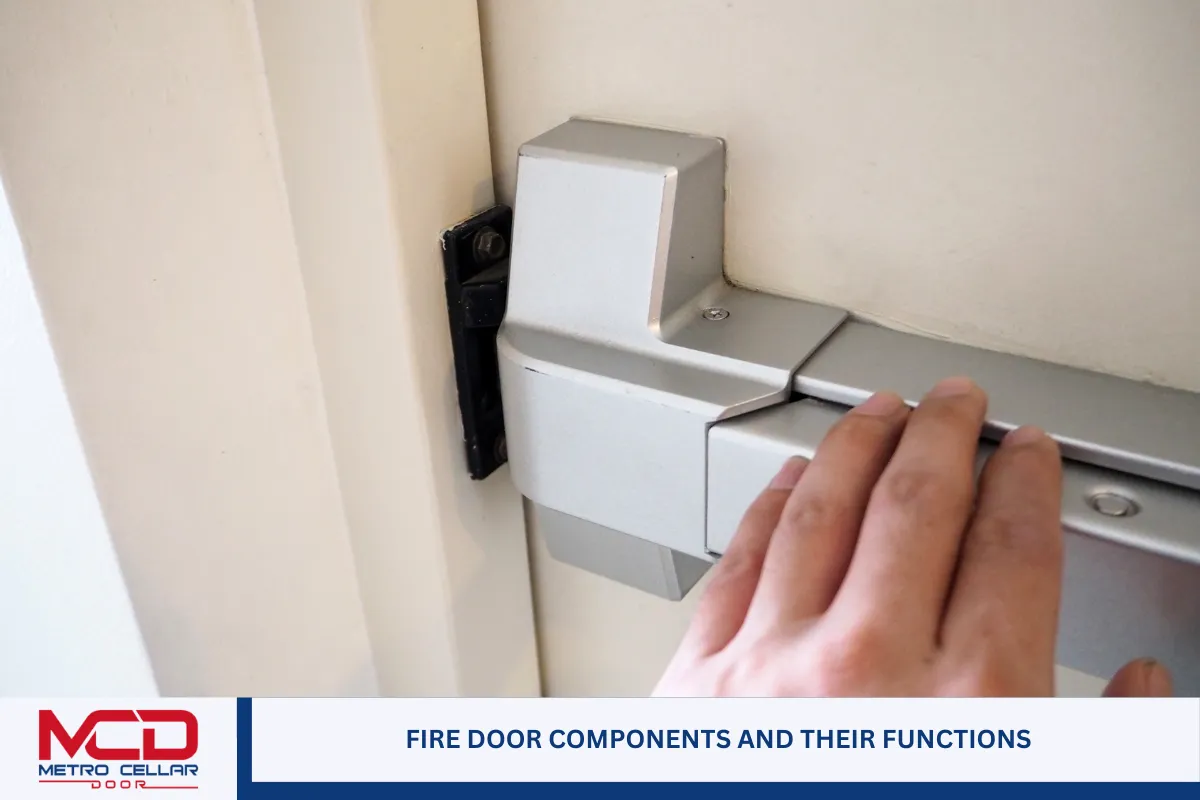
Fire Door Components and Their Functions
Every fire door must include specific hardware and components that enhance its fire resistance. It’s not enough to have a fire-rated slab; all parts of the door assembly must work together under pressure.
Components Include:
- Door Slab: The core piece with certified fire resistance
- Frame: Made of steel or fire-rated wood, tightly fitted
- Self-Closing Device: Ensures the door shuts automatically
- Latch and Lockset: Holds the door firmly in place
- Intumescent Seal: Installed around the edges of the door; smoke seals help stop smoke before heat makes the material expand to fill gaps and block flames
- Vision Panel (if applicable): Used in some fire rated glass doors, with rated glass in these assemblies commonly available from 20 to 90 minutes and held in a metal frame
Improper installation of even one component can compromise the entire system, making professional installation crucial.
The Role of a Fire Door Installer
A fire door installer is trained to select, install, and inspect fire-rated doors according to city code. In New York City, this role requires precision, local knowledge, and a deep understanding of compliance requirements, with installers following NFPA 80 when selecting and installing compliant fire rated assemblies.
Their responsibilities include positioning, anchoring, and aligning the door to manufacturer tolerances, then fitting approved hinges and closers so the opening performs as required.
Responsibilities of a Fire Door Installer
- Measure and assess openings for correct fire door fit
- Recommend appropriate fire rating and design
- Install doors with exacting attention to alignment and function
- Attach certified hardware and ensure tight sealing
- Label and document each installation for inspection
Installers also work alongside architects, contractors, and building managers to ensure fire safety is integrated from planning to occupancy.
Fire Door Ratings Explained in Detail
The fire-resistance rating is a core element of any fire door’s identity. This number refers to how long the door can resist the passage of flames and smoke during testing.
Common Ratings and Their Usage:
- 20-Minute: Interior corridor doors in limited occupancy buildings
- 45-Minute: Entry doors in multi-unit residential buildings
- 60-Minute: Mechanical or utility room doors
- 90-Minute: Stairwells, egress doors, or adjacent to high-risk zones
- 180-Minute (rare): Found in industrial applications and vaults
Choosing the right fire rated door means matching the rating to the opening, wall, and occupancy, not just picking a higher number. Each rating must be carefully matched to its location based on occupancy type, building height, and zoning.
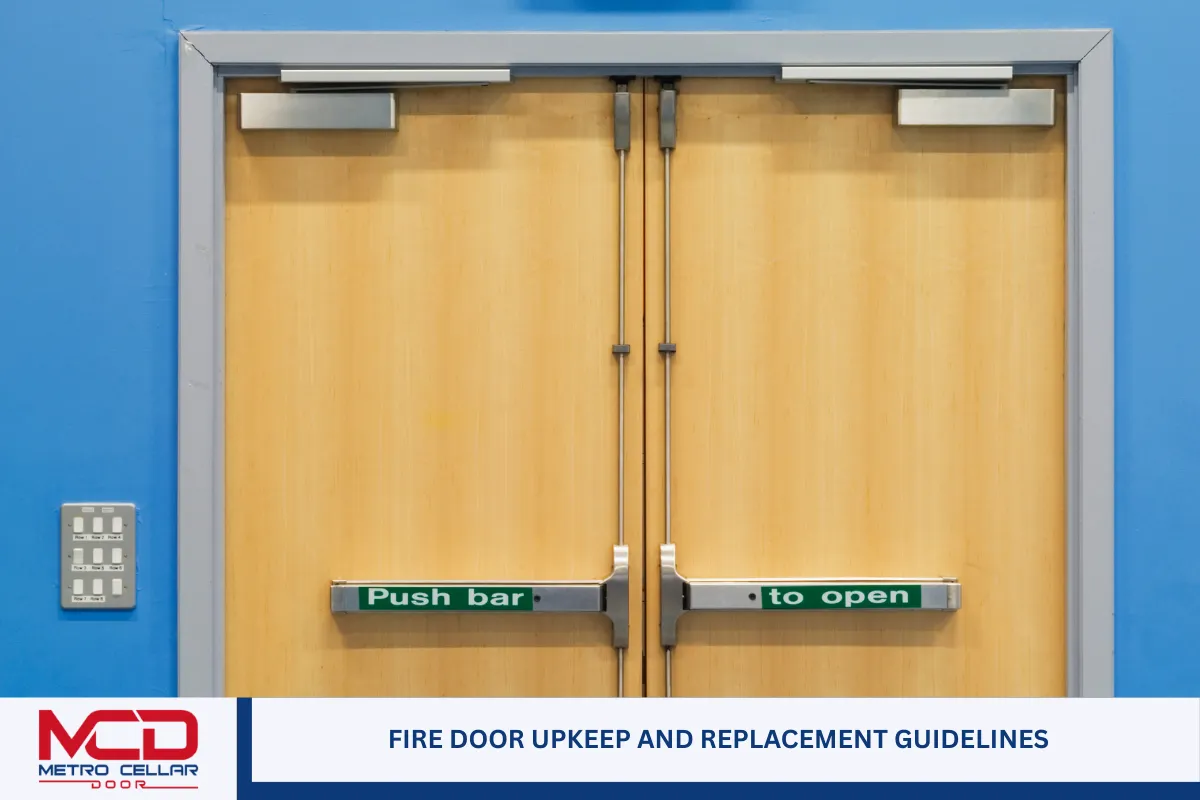
Fire Door Upkeep and Replacement Guidelines
Fire doors do not last forever. Although they are durable, exposure to moisture, wear, or misuse can compromise their integrity.
NYC Maintenance Recommendations:
- Conduct annual visual and operational tests
- Check door alignment, closers, and gaskets
- Replace damaged labels or missing hardware
- Avoid using door wedges or blocking automatic closers
- Schedule re-inspections after any modifications
It’s recommended to replace fire doors every 20–30 years or sooner if any part fails an inspection. Certified fire door installers should handle all repairs or replacements.
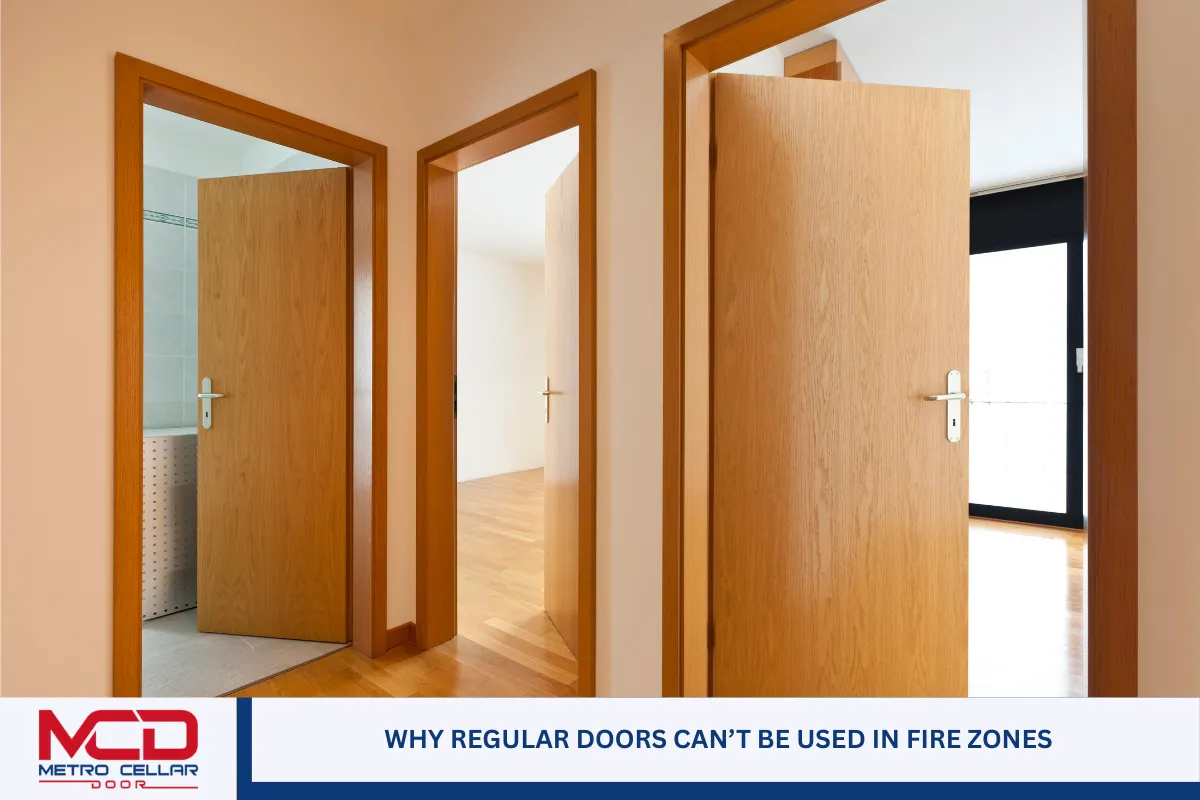
Why Regular Doors Can’t Be Used in Fire Zones
Installing a non-rated door in a fire-rated area weakens the door opening within the fire barrier system. Once compromised, regular doors do not resist fire the way rated doors do, so smoke and flames can pass through, rendering other fire safety systems ineffective.
Risks of Misuse:
- Accelerated fire spread
- Blocked evacuation paths
- FDNY code violations
- Insurance claim denials
- Fines and potential litigation
Even a well-installed regular door cannot meet the safety function of a fire-rated door. Only certified installations will pass FDNY or DOB inspections, and certified fire doors also help resist forced entry better than many regular interior doors, but only when the full rated assembly is maintained.
Safety Through Smart Choices
Choosing the right door isn’t about picking what’s available—it’s about ensuring safety, meeting legal standards, and protecting your property investment. The difference between a fire door and a regular door may not be obvious to the untrained eye. Still, its consequences during a fire are significant.
By trusting experienced professionals and understanding what each type of door offers, building owners and managers can make better, safer decisions.
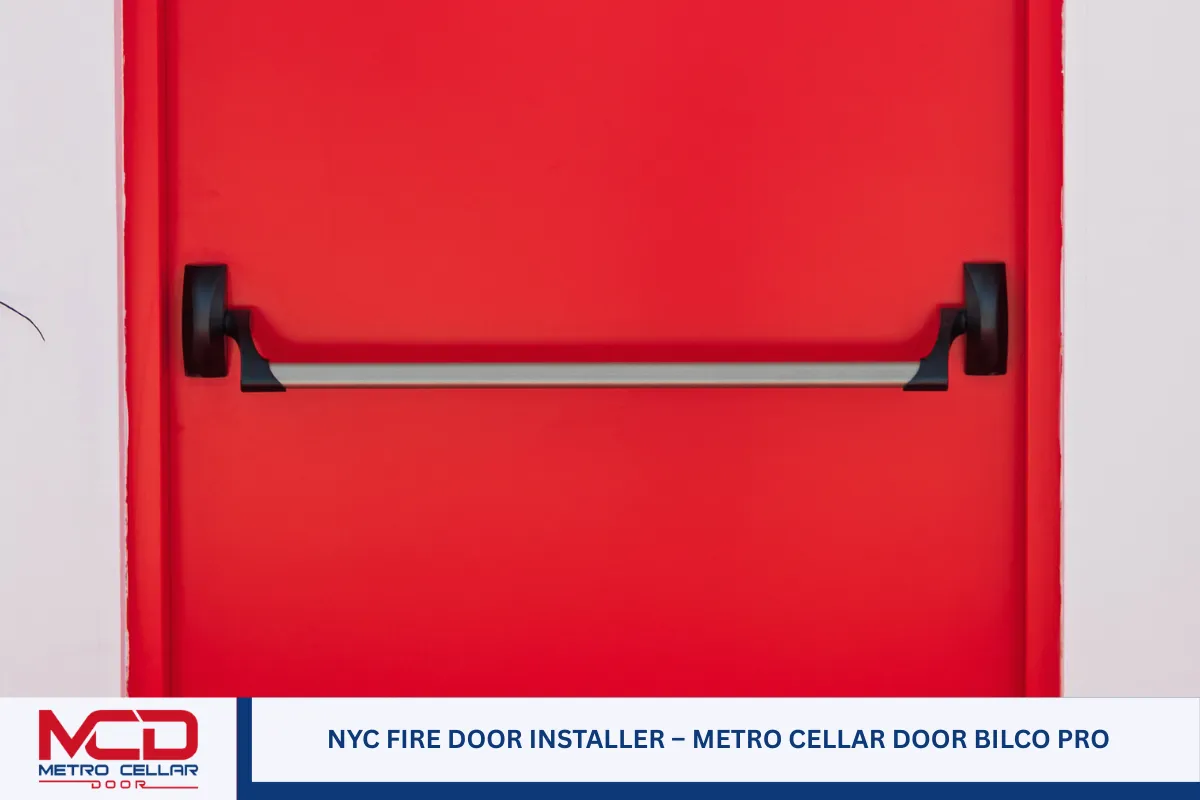
NYC Fire Door Installer – Metro Cellar Door Bilco Pro
Metro Cellar Door Bilco Pro is a trusted fire door installer serving all types of buildings throughout New York City. We specialize in installing fire-rated doors that meet local code requirements and help protect your property in the event of a fire. Whether it’s for a residential building, commercial space, or mechanical room, we make sure every door is properly fitted, sealed, and compliant.
In addition to fire-rated doors, we install Bilco doors, sidewalk cellar doors, and offer custom fabrication options for projects with unique needs. Our team works efficiently, offers honest pricing, and provides free estimates to help you plan with confidence.
To get started, call us at (929) 416-0859. We’re here to make sure your doors are built to last and ready for inspection!
Frequently Asked Questions
1. What are the key features that make a fire-rated door different from a regular door?
A fire-rated door is built with fire-resistant materials and tested to resist extreme heat, toxic gases, and the spread of flames for a designated time, while regular doors are normal doors intended for everyday use—usually between 20 to 90 minutes. This duration is known as the fire resistance rating, and it must comply with local building codes and safety standards.
Key features of a fire-rated door include:
- Intumescent seals that expand under heat to block smoke and gas
- Self-closing mechanisms, such as door closers or certified self-closing hinges, to ensure the door closes automatically
- Fire-rated glass, if included, is tested to withstand intense heat
- A tight seal around the frame to prevent smoke spread
- Labels showing the door’s tested fire rating
Unlike regular doors, fire-rated models are an essential component in maintaining building safety and protecting escape routes, and fire-rated glass in some fire rated glass doors is tested to maintain visibility and protection. They are required in many commercial buildings, exterior doors, and external doors under building regulations.
2. Why is proper fire door installation critical for building safety?
Proper installation of a fireproof door by a qualified professional is crucial for ensuring the door performs as intended during a fire emergency. Even the best fire-rated door can fail if it’s poorly installed, resulting in serious property damage, increased risk of injury, or legal consequences due to building code violations.
Key reasons why installation matters:
- Ensures a tight seal to prevent the movement of smoke
- Aligns with required building codes and fire resistance ratings
- Verifies that intumescent materials and fire door hardware are properly fitted
- Supports automatic closure for effective access control
Incorrect placement, gaps, or using the wrong construction materials can void the fire rating entirely. Fire doors must integrate with the building’s overall fire safety system, including alarms, escape routes, and passive fire barriers. That’s why only a certified fire door installer should handle installation—especially in NYC, where building regulations are very specific.
3. How do intumescent seals work and why are they essential?
Intumescent seals are a key part of any fire-rated door, playing a vital role in containing both the spread of flames and toxic gases during a fire. These seals are made from special intumescent materials that expand significantly when exposed to extreme heat.
Here’s how they work:
- Under normal conditions, the seal is flat and barely visible.
- In high heat (typically above 200°C), it expands up to 10–20 times its original size.
- The expanded material fills gaps around the door edges, creating a tight seal.
- This slows down the movement of smoke and blocks dangerous gases from reaching escape routes.
By sealing door perimeters during a fire, intumescent seals give building occupants more time to evacuate safely. They also help limit property damage and support overall building safety. Regular inspections are essential to ensure these seals remain functional and compliant with safety standards.
4. What materials are commonly used in fire-rated doors?
Fire-rated doors are constructed from a variety of materials, each selected for its fire-resistant properties and ability to meet strict building codes. These materials are engineered to withstand intense heat, delay the spread of flames, and block toxic gases from reaching interior spaces.
Common construction materials include:
- Steel: Durable and used frequently in commercial buildings and external doors
- Composite materials: Often combine wood, gypsum, and resin for enhanced insulation
- Mineral wool: Lightweight and excellent for blocking heat and smoke spread
- Fire-rated glass: Reinforced to hold up under extreme temperatures while allowing visibility
- Timber with fire-resistant core: Suitable for interior or exterior doors
Each fire door is tested to meet a specific fire resistance rating, and its components must be certified as a complete system. The materials must also support fire door hardware, such as closers and latches, that comply with building regulations and provide adequate protection during emergencies.
5. How often should fire-rated doors be inspected in NYC?
Regular inspections of fire-rated doors are not just recommended—they’re required by law. According to the New York City Fire Code and building regulations, fire doors in both residential and commercial buildings must be inspected at least once a year by a qualified professional.
A proper fire door inspection checks for:
- Functioning self-closing mechanisms
- Secure and intact fire door hardware
- Unobstructed escape routes
- No damage to intumescent seals or door frames
- Proper operation of access control systems (if applicable)
- Verification of the door’s fire resistance rating and certification label
Failure to keep up with inspections can result in code violations, fines, and a greater risk of harm in a fire emergency. Property owners are responsible for ensuring every fire-resistant door in their building remains in good condition and offers critical protection during fire events.
Read more: Top Questions to Ask Your Sidewalk Door Installer in New York City