
Why Homeowners Struggle With Leaky Basement Doors—and How to Fix It
An NYC basement door installer knows one thing for sure: water intrusion is one of the most frustrating problems property owners face. Rainwater seeps through gaps, rust weakens materials, and before long, your basement becomes damp, unsafe, and costly to repair. It doesn’t stop at inconvenience—moisture can damage structural components, encourage mold growth, and reduce property value. Many property owners try quick fixes, but without proper basement door installation and waterproofing, the issue keeps returning. The real solution lies in expert design, durable materials, and proper installation techniques that prevent water from entering in the first place. This guide breaks down exactly how professionals approach waterproof basement doors for long-term protection.
What Makes Basement Doors Vulnerable to Water Damage?
Basement doors, also known as cellar doors, are installed at ground level or below grade, making them naturally prone to water exposure. Unlike standard entry doors, they must withstand rain, snow, debris, and constant moisture.
Cellar doors are designed to secure the basement of a business or a house and provide external access to the basement, which is typically located below ground level. Because of this positioning, even minor installation flaws can lead to leaks.
Common Causes of Water Intrusion
- Poor sealing around the frame
- Improper slope directing water toward the door
- Low-quality materials prone to rust or warping
- Clogged drainage systems
- Aging components with worn-out gaskets
Proper drainage and slope are critical to prevent water pooling at the base of a door. Without this, even the best materials will fail over time.
Types of Basement Doors and Their Waterproofing Needs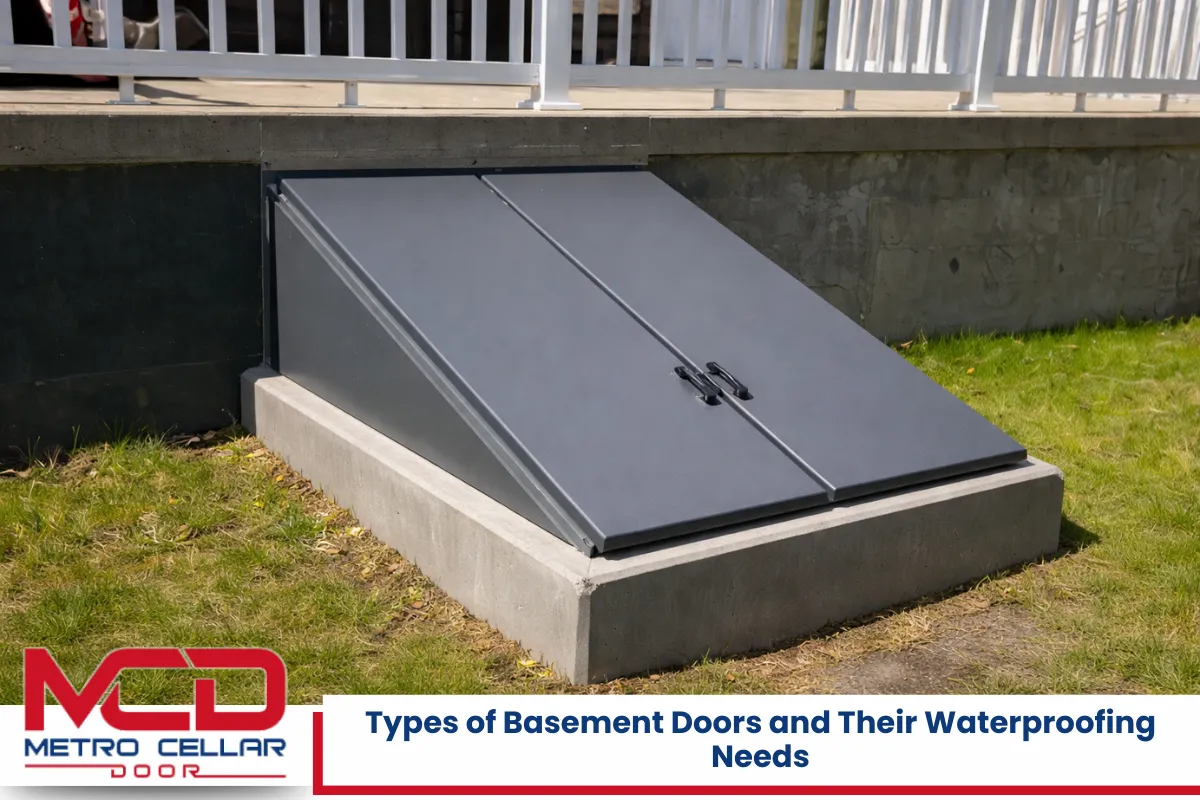
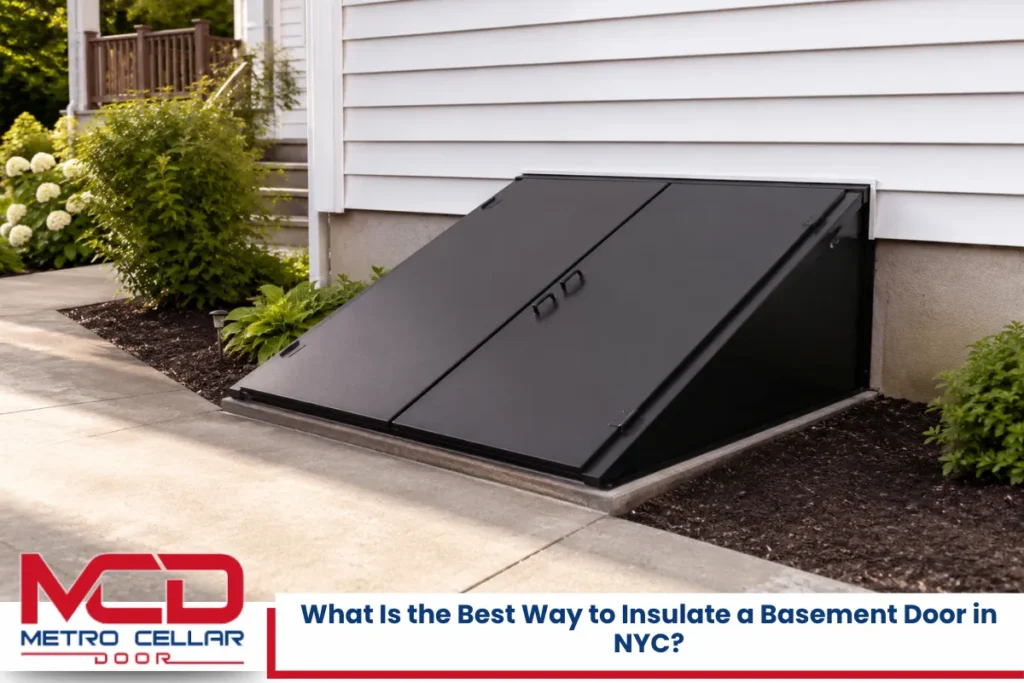
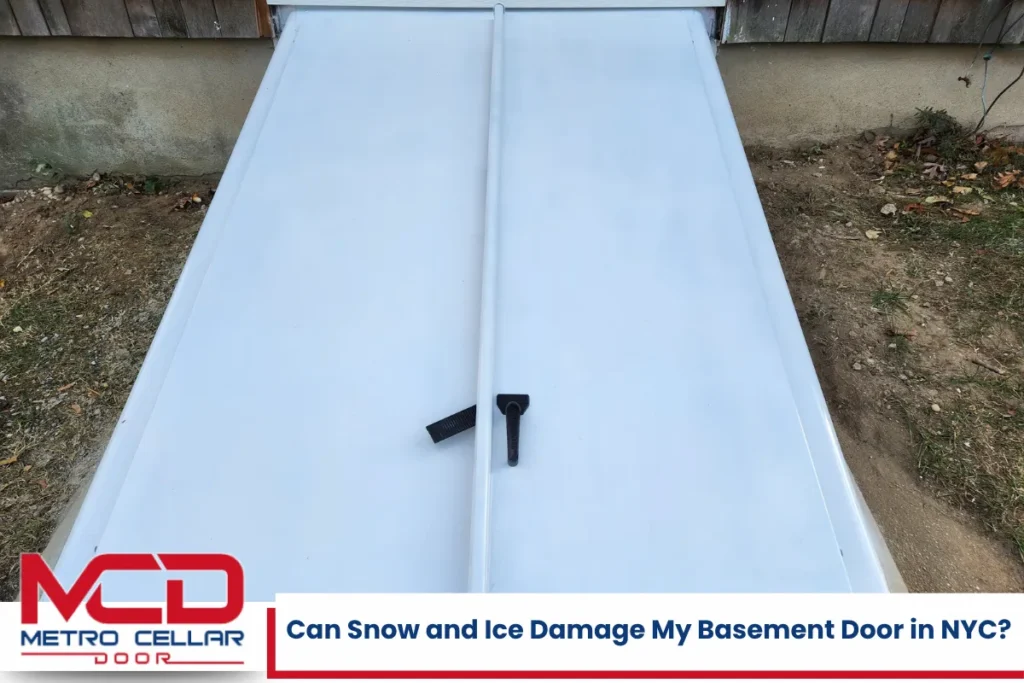
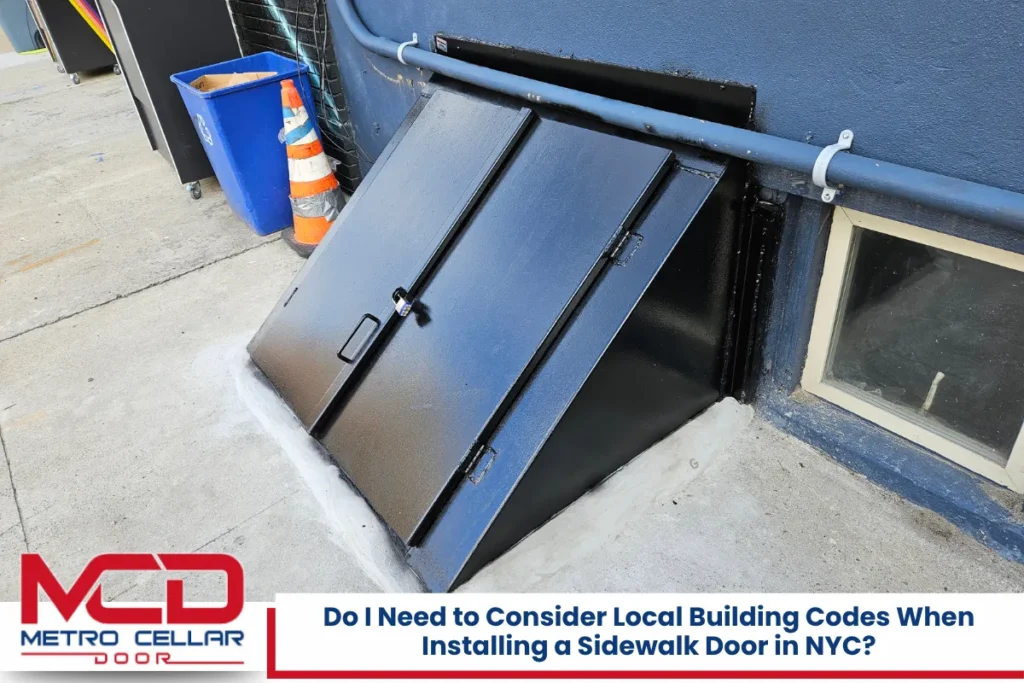
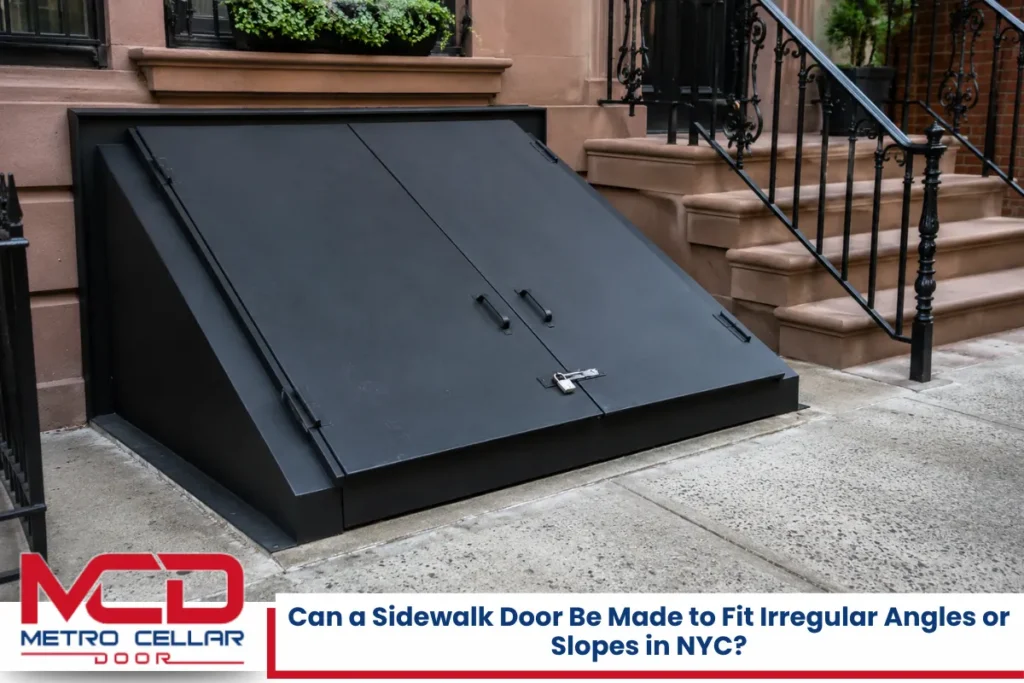
There are two main types of cellar doors: flat sidewalk cellar doors, which are flush with the ground, and bulkhead basement cellar doors, which are angled and cover the exterior stairwell of a basement.
Flat Sidewalk Cellar Doors
These are common in dense urban environments. They sit flush with sidewalks and require:
- Heavy-duty sealing systems
- Reinforced steel panels
- Anti-slip surfaces
Aluminum is resistant to rust and is suitable for sidewalk-level cellar doors in urban environments.
Bulkhead Basement Doors
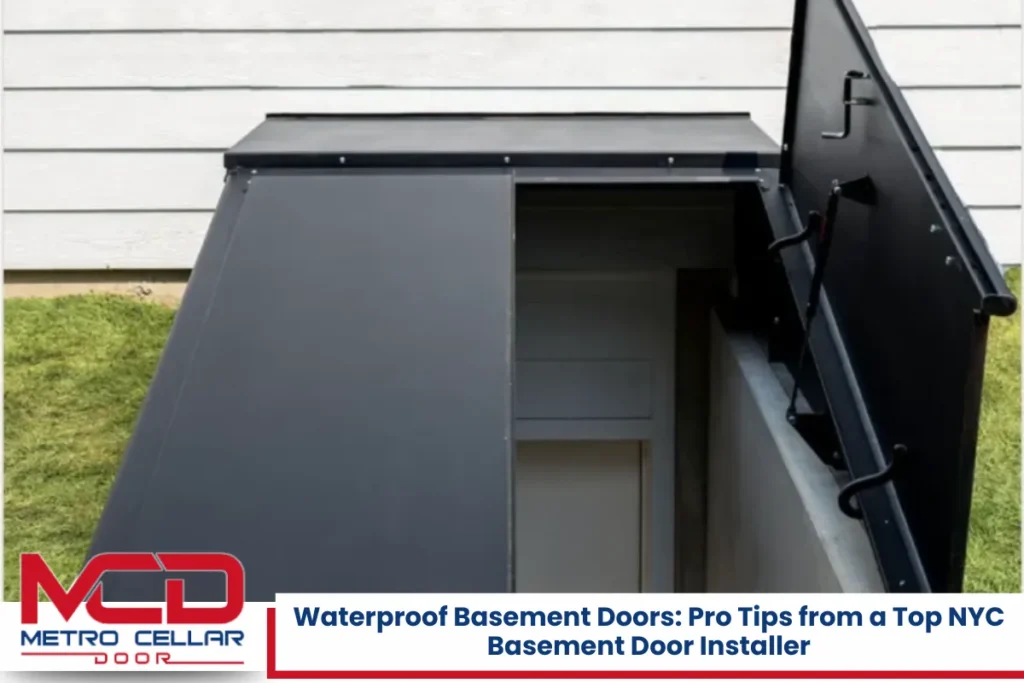
These angled doors are typically installed over exterior stairwells. Bulkhead or cellar doors should be installed at an angle to prevent rainwater accumulation and debris buildup.
Angled designs for bulkhead doors facilitate better water shedding compared to flat designs.
Choosing the Right Material for Waterproof Basement Doors
The material you choose directly impacts durability and water resistance.
Steel Doors
Steel is the most common and reliable choice. Powder-coated galvanized steel is highly effective against rust due to the zinc coating and adds protection against moisture and road salt.
Galvanized steel is recommended for maximum rust resistance in humid and salty conditions.
Metal doors require high-quality hinges and support systems to prevent sagging and maintain a tight seal.
Aluminum Doors
Lightweight and corrosion-resistant, aluminum is ideal for sidewalk cellar doors. It performs well in high-moisture environments.
Fiberglass Doors
Fiberglass does not warp, rot, or swell and provides superior insulation compared to metal doors.
Materials to Avoid
Untreated wood is susceptible to warping and rotting in damp conditions.
The Role of Professional Basement Door Installation
Cellar door installation requires specific skills, including knowledge of welding and the use of heavy-duty power tools, which go beyond basic handyman capabilities.
Installing a cellar door involves two main components: the construction of the door itself, including the frame, and the actual installation process.
Professional installation is recommended to ensure proper sealing and drainage to prevent flooding.
Local contractors should be familiar with local soil conditions and building codes for optimal results.
NYC Building Code Requirements for Basement Doors
Basement door installation in New York City is regulated to ensure safety, especially when the space is used as a living area.
Most basement door installations in NYC require a building permit, especially when they affect egress.
Egress doors must comply with NYC codes for habitable basements, including specific height and width requirements.
Failure to meet these standards can lead to violations, fines, or unsafe conditions.
Read NYC Basement Door Installer: Your Guide to Custom-Sized Entryway Solutions
Essential Waterproofing Techniques Used by Experts
Sealing and Gaskets
Comprehensive sealing with weatherproof seals and gaskets is essential to block water entry around cellar door frames.
Integrated heavy-duty rubber gaskets create a watertight seal for doors.
Waterproof Membranes
Advanced waterproofing membranes are typically applied to exterior foundation walls to seal potential cracks.
Drainage Systems
A proper drainage system ensures water flows away from the structure rather than pooling near the door.
Security Features That Complement Waterproofing
Waterproofing is important, but security is equally critical for basement access points.
Cellar doors can be reinforced with internal steel reinforcements, internal hinges, and locking bars to enhance security against unauthorized access.
Using a large padlock in conjunction with an external locking system can significantly improve the security of cellar doors.
Installing an iron fence around the cellar door can provide additional security and prevent pedestrians from walking on the door, which can deter potential intruders.
Cost Considerations and Long-Term Value
The cost of a high-quality cellar door can range from $800 to $1400, while cheaper alternatives may only cost $400 to $600, but the latter often incurs additional costs for repairs and replacements over time.
Investing in a high-quality cellar door may have a higher upfront cost, but it can save money in the long run by reducing the need for repairs and replacements.
High-quality steel cellar doors can last 20 years or more with proper maintenance, which includes regular checks and lubrication of hinges to prevent weather damage.
High-quality steel cellar doors can last 20 years or more, while lower-quality options may need replacement every 5-10 years, leading to higher long-term costs.
Maintenance Tips to Keep Basement Doors Waterproof
Routine maintenance is the key to extending the lifespan of basement doors.
Annual inspection and maintenance are necessary to ensure the protective coating on steel doors remains intact.
It is recommended to perform a semi-annual check-up on cellar doors that are over three years old to ensure safety and functionality.
Ignoring maintenance issues with cellar doors can lead to more significant problems and costly repairs in the future, making regular upkeep essential.
Maintenance Checklist
- Inspect seals and gaskets
- Clean debris from hinges and drains
- Reapply protective coatings
- Tighten loose hardware
- Check for rust or corrosion
DIY vs Professional Installation: What You Should Know
For residential cellar doors, some homeowners may opt for a DIY installation, but it is recommended to follow safety guidelines and seek professional help if unsure about the process.
While DIY may seem cost-effective, mistakes can lead to water damage, code violations, and expensive repairs.
Smart Design Choices That Improve Waterproofing
Sloped Entryways
Proper grading directs water away from the door.
Raised Door Frames
Elevating the frame slightly above ground level reduces water entry risk.
Angled Door Covers
Angled doors covering basement entry points improve water runoff.
Signs Your Basement Door Needs Replacement
- Visible rust or corrosion
- Water leaks during rain
- Difficulty opening or closing
- Broken or loose parts
- Warped or damaged panels
A broken cellar door is not just inconvenient—it’s a safety risk.
Final Thoughts on Protecting Your Basement Investment
Waterproof basement doors are more than just an upgrade—they are essential for protecting your property from water damage, improving safety, and maintaining long-term value. With the right materials, expert basement door installation, and ongoing maintenance, you can prevent costly repairs and ensure your basement remains dry and secure for years to come.
NYC Basement Door Installer – Metro Cellar Door Bilco Pro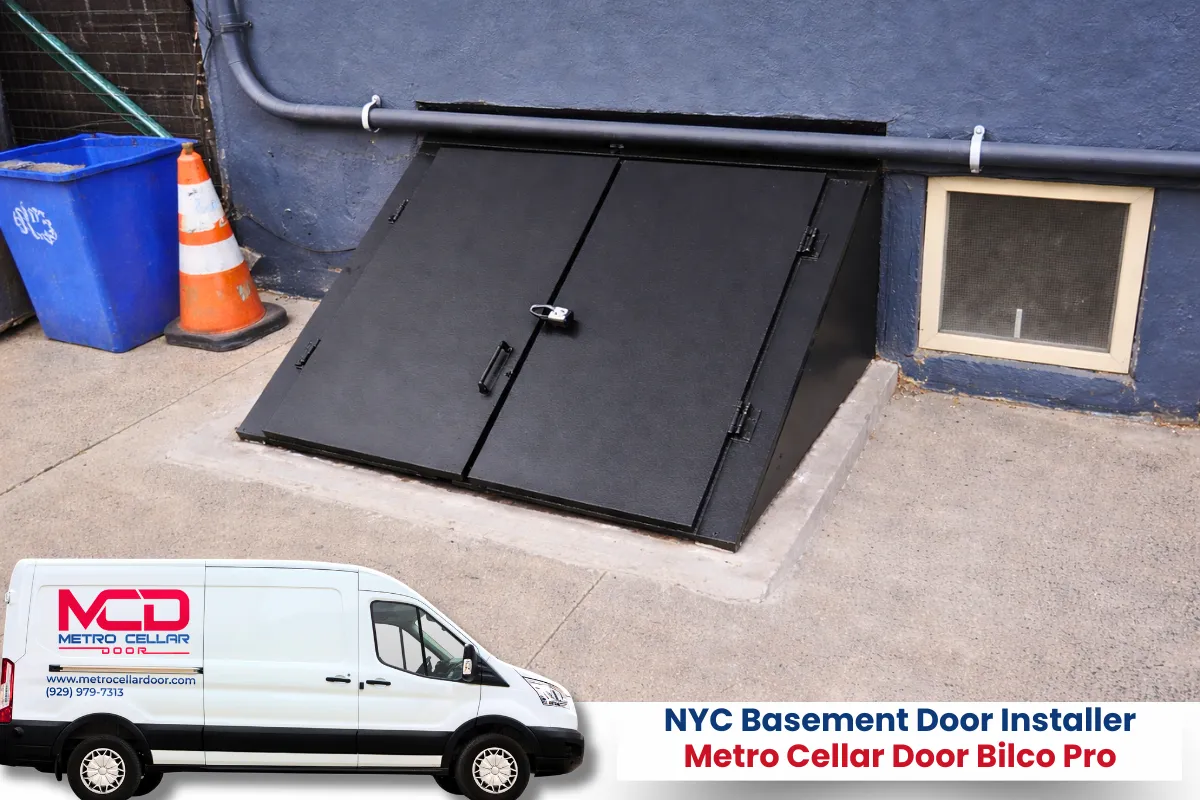
When it comes to reliable basement door installation, we at Metro Cellar Door Bilco Pro take pride in delivering durable, waterproof solutions across New York City. As a trusted basement door installer, we understand the challenges of protecting your property from water damage and ensuring code compliance. We specialize in installing high-quality basement doors, including steel and bulkhead systems designed for long-term performance. Our team uses proven waterproofing methods, advanced sealing techniques, and expert craftsmanship to get the job done right the first time. Call us today at (929) 979-7313 or fill out our contact form to schedule your service. We’re ready to help secure and protect your basement.
Frequently Asked Questions
How long does a typical basement door installation take?
A standard basement door installation usually takes one to two days, depending on site conditions and complexity. Factors such as excavation, drainage adjustments, and structural modifications can extend the timeline. Professional installers assess the area beforehand to ensure efficiency. Weather conditions and permit approvals may also impact scheduling. Proper installation should never be rushed, as precision is critical for waterproofing and long-term durability. Hiring experienced professionals ensures the process is completed safely and correctly, minimizing future issues like leaks or structural damage.
What permits are required for basement doors in NYC?
In New York City, permits are often required for basement door installation, especially when structural changes or egress modifications are involved. Property owners must comply with building codes related to safety, accessibility, and drainage. The permit process ensures that installations meet legal standards and protect occupants. Working with a knowledgeable contractor simplifies this process, as they typically handle permit applications and inspections. Skipping permits can lead to fines or complications when selling the property, making compliance essential.
Can basement doors increase property value?
Yes, properly installed basement doors can enhance property value. They improve accessibility, safety, and overall functionality of the space. Waterproof basement doors also prevent costly water damage, which is a major concern for buyers. High-quality materials and professional installation add durability and aesthetic appeal. In urban areas, secure and well-maintained cellar doors are particularly attractive to potential buyers. Investing in a reliable system can provide long-term returns and make your property more competitive in the market.
What is the best way to prevent basement flooding?
Preventing basement flooding involves a combination of proper drainage, waterproofing, and regular maintenance. Installing a high-quality basement door with effective seals is a key step. Additional measures include maintaining gutters, ensuring proper grading, and installing sump pumps if necessary. Regular inspections help identify potential issues before they escalate. Professional installation ensures all components work together to keep water out, providing comprehensive protection against flooding.
Are modern basement doors more secure than older models?
Modern basement doors are significantly more secure than older designs. They feature reinforced materials, advanced locking systems, and improved construction techniques. Steel doors with internal reinforcements offer superior protection against forced entry. Updated designs also include better sealing systems, which enhance both security and waterproofing. Upgrading to a modern system not only protects against intruders but also improves durability and weather resistance, making it a worthwhile investment.
Disclaimer: This article is for informational purposes only and does not constitute professional advice. Always consult a licensed contractor to ensure compliance with local building codes and safety regulations.
Read NYC Fire Door Installer: Choosing Between Wood, Steel, Composite, or Lead-Lined Protection