
A basement door installer in NYC is often called after a small problem has already turned into a bigger one. Maybe the door sticks during winter, leaks during heavy rain, or no longer locks the way it should. At first, it feels like a minor annoyance. Then water starts creeping in, rust spreads, the frame shifts, and the lower level becomes harder to secure, heat, or use safely. In a city where below-grade spaces face intense weather, stormwater risk, and strict code requirements, guessing wrong can cost more than acting early. The good news is that not every damaged entry needs a full tear-out. This guide explains when repair makes sense, when replacement is the smarter move, and how to choose the right solution for your property.
Why a failing basement entry gets expensive fast in New York City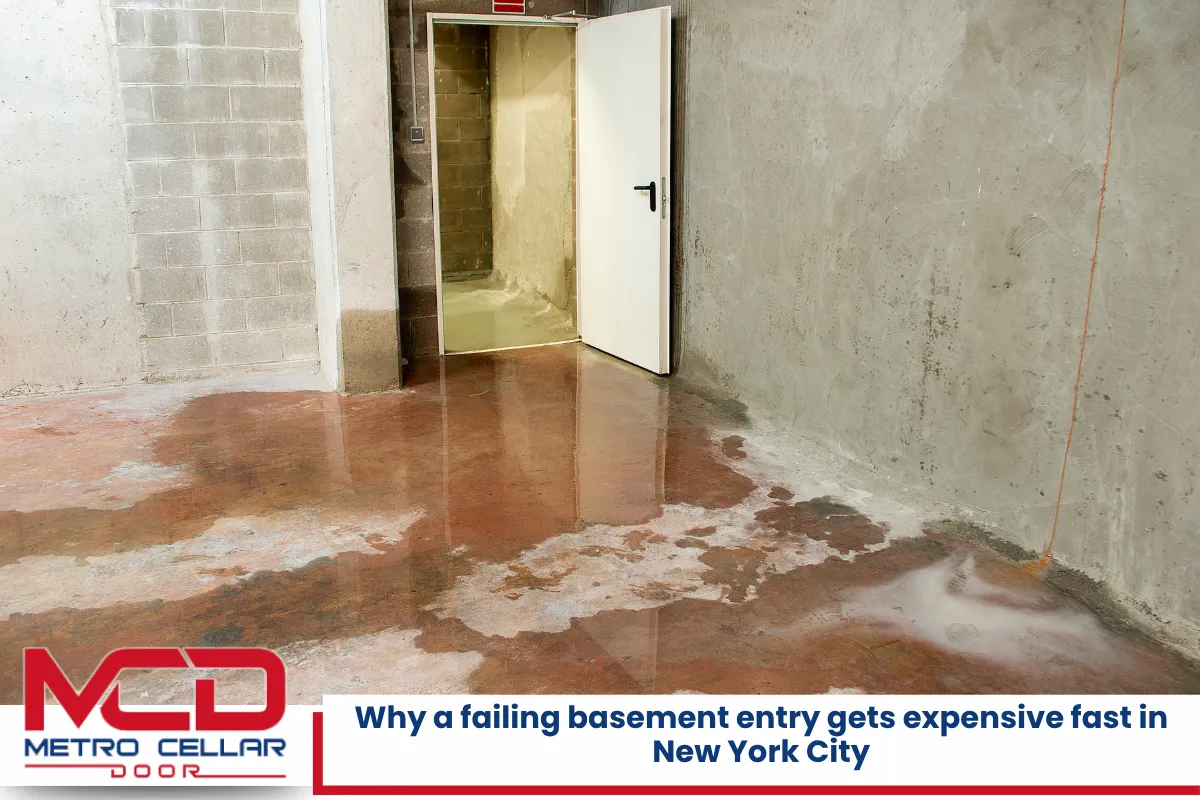
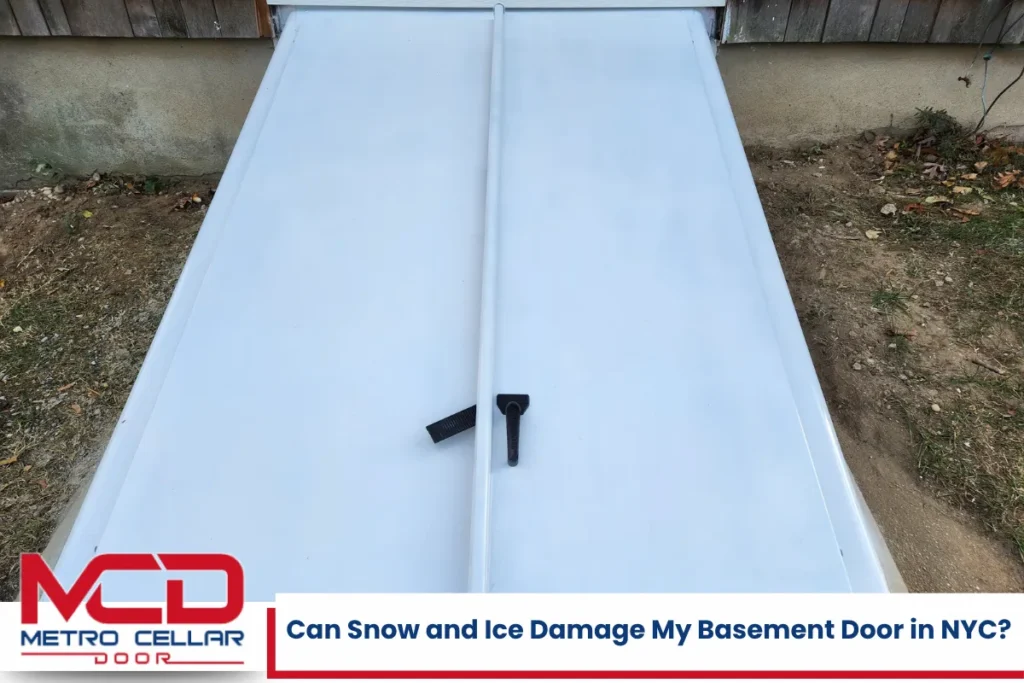
Basement doors do more than cover a stair opening. They protect the lower level from rain, wind, debris, temperature swings, and unauthorized entry. When the door assembly starts failing, the problem rarely stays limited to the door leaf itself. Water can move past worn weatherstripping, failed caulk, loose flashing, or a damaged sill. Once moisture gets into the frame, curb, wall, or stair structure, you can end up with rot, rust, masonry damage, and a much bigger repair bill than expected. Trade guidance on bulkhead replacement consistently points to water seepage, visible gaps, corrosion, and doors sitting out of square as warning signs that the assembly is already losing performance.
That risk is amplified in New York City because many basement and cellar entries are below grade or next to an areaway. NYC DEP specifically advises owners to inspect below-grade openings, repair poorly fitted doors and windows, and consider curbs or bulkheads that redirect rainwater away from exterior stairs and driveways during intense storms. In other words, a leaking basement entry is not just a cosmetic problem. It is part of your building’s water-management system.
There is also the safety side. The City requires owners to maintain property in a safe condition, and egress doors in code-regulated exit paths must be readily openable from the egress side without a key or special knowledge. If a damaged door jams, binds, or relies on a lock that is hard to release from inside, the issue moves beyond convenience and into life-safety territory.
Repair or replace? Start with these inspection points
Look at the metal, wood, and frame before anything else
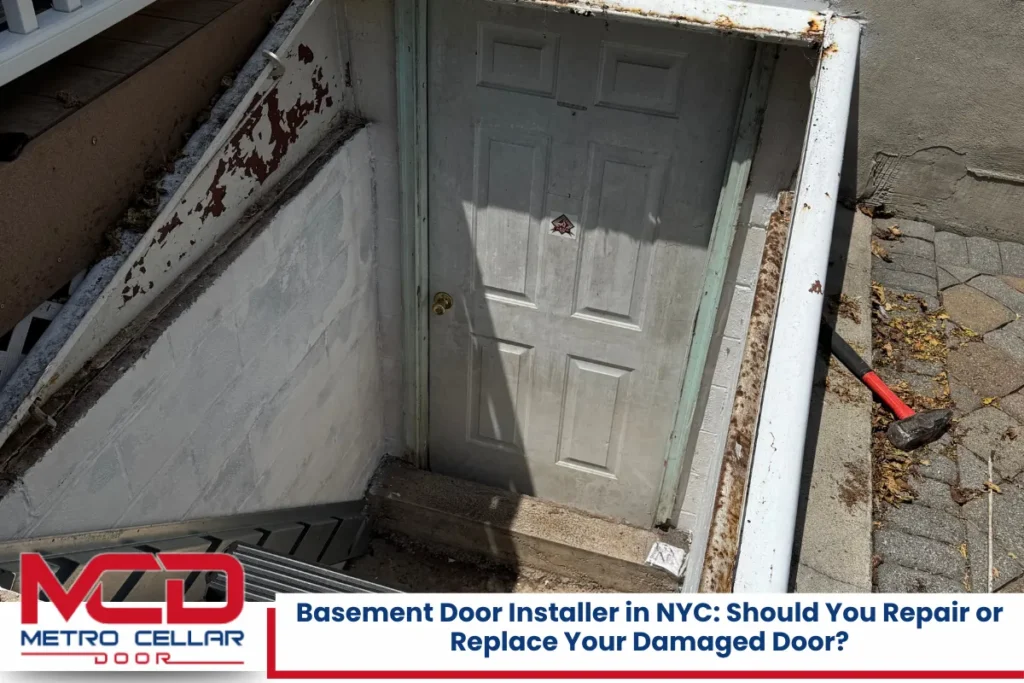
Surface wear is one thing. Structural decay is another. If you see light rust, chipped finish, or a few loose fasteners, a repair may still be worthwhile. But if the steel is rusted through, the wood is soft or warped, the frame is visibly bent, or the lid no longer sits square on the curb, replacement is usually the better investment. That is especially true when the damage affects how the door seals or latches. Experts who replace bulkhead and cellar doors regularly treat major corrosion, warped panels, visible gaps, and doors that no longer sit properly on the frame as classic replacement triggers.
Follow the water, not just the stain
A lot of owners focus on the wet basement floor and miss the actual entry point. Water may be getting in through failed sealant at the curb, missing flashing where the assembly meets the house, cracked masonry around the opening, or improper slope that sends runoff directly toward the stairwell. Professional guidance on basement door replacement stresses that the surrounding foundation, curb, flashing, and wall prep matter just as much as the new door itself. If those supporting parts are compromised, a simple patch on the lid will not solve the problem for long.
Test operation the way you actually use the door
A basement door can look acceptable and still be failing in daily use. Open it fully. Close it slowly. Lock it. Unlock it from the inside. Check whether the hinge side rubs, whether the lid slams, and whether the hardware feels loose or strained. Sticking, sagging, squealing, and hard latching can come from worn hardware, but they can also point to movement in the frame, stairs, or surrounding structure. If operation problems keep returning after small fixes, that is often a sign the assembly is at the end of its useful life.
Think about how the lower level is used
This part matters in NYC more than many owners realize. A basement and a cellar are not the same thing under City rules. HPD explains that a basement has at least one-half of its height above curb level, while a cellar has more than one-half below curb level. The legal use of those spaces differs, and when a lower level is used for living or sleeping, egress, light, air, and approval requirements become much stricter. That means the right answer is not always, “Can I get this old door to stop leaking?” Sometimes the real question is, “Does this entry still support the legal and safe use of the space?”
When a repair is still the smart move
Repair usually makes sense when the door assembly is fundamentally sound and the problem is isolated, early-stage, and fixable without disturbing the opening itself. In those cases, a skilled basement door installer can extend service life without forcing you into a full replacement.
A repair-first approach often works when you have:
- minor surface rust without holes or metal loss
- worn weatherstripping or failed perimeter sealant
- loose hinges, lift hardware, or fasteners
- a sticking latch or lock on an otherwise square frame
- small gaps caused by adjustment issues rather than structural movement
- paint failure or finish breakdown that has not yet affected the door body.
This is also where cost discipline matters. Replacing hardware, sealing joints, recoating steel, or correcting minor alignment issues can be sensible when the frame, curb, stairs, and surrounding masonry are still stable. A targeted repair can buy time, especially on newer basement doors that were installed correctly and simply need maintenance. The mistake is not repairing early. The mistake is treating a failing system as if it were a small cosmetic problem.
When replacement becomes the safer long-term decision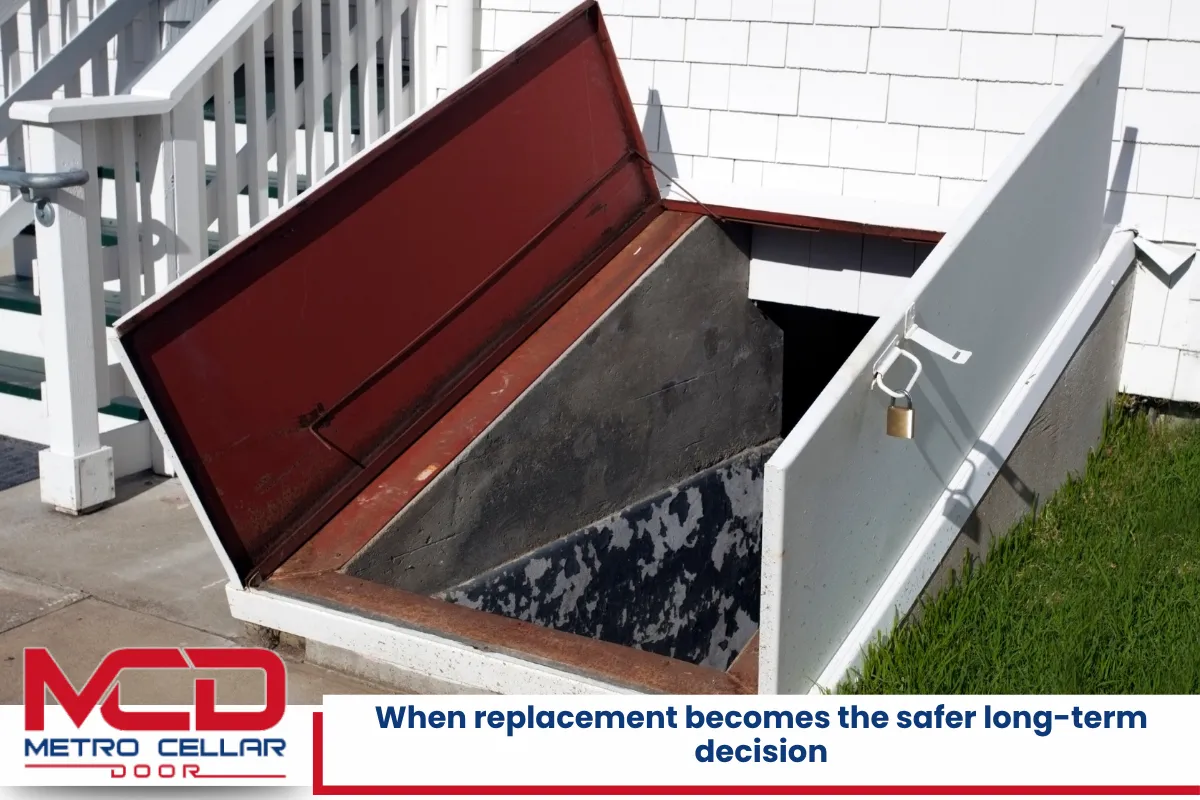
There comes a point when repair stops being economical because you are repairing symptoms, not the cause. If the door is allowing ongoing water intrusion, failing to seal, or no longer operating safely, replacement is usually the more durable answer.
Here are the clearest signs that replacement is the better call:
- The door has rust-through, rot, or major corrosion.
Once the material itself is compromised, patching becomes temporary and reliability drops fast. - The frame or curb is out of square.
A door that does not sit correctly on the opening will keep leaking, binding, or mis-latching even after hardware adjustments. - Water keeps returning after sealant repairs.
Recurring leaks often mean the failure is in flashing, drainage, the curb, or the connection to the foundation. - The surrounding stairs or areaway are deteriorating.
If the concrete, retaining sidewalls, treads, or supports are unsafe, door-only work is rarely enough. - The door cannot be secured or opened reliably.
That is both a security concern and, in some cases, an egress issue. - Your use of the space has changed.
If the lower level is being upgraded, legalized, or used more intensively, older basement door installation details may no longer fit current performance or code expectations.
Replacement also becomes more attractive when the existing unit is outdated in design. Older cellar doors often lack modern weatherstripping, cleaner flashing details, better coatings, and stronger hardware. New steel units are popular for a reason: they are durable, resist warping, and are designed as complete systems rather than pieced-together fixes.
NYC rules that can change the answer
New York City code issues are one of the biggest reasons a repair-or-replace decision should not be made on instinct alone. The City’s 2022 Construction Codes took effect on November 7, 2022, and DOB notes that the majority of construction work requires permits, often with filings prepared by a New York State licensed PE or RA. Some minor alterations and ordinary repairs may be permit-exempt, but that does not let an owner ignore code, zoning, energy, or other agency requirements.
That distinction matters for basement door installation. Swapping hardware or resealing a sound door is very different from altering the opening, replacing deteriorated supporting concrete, changing the egress arrangement, or rebuilding an areaway. Once the scope affects structure, occupancy, or means of egress, you are in a different category of work than a basic repair. DOB’s permit framework specifically separates major alterations that change use, egress, or occupancy from smaller jobs that do not.
If the lower level is habitable, code gets even more important. DOB’s basement apartment project requirements say basement apartments need a means of egress directly to the outdoors with access to a public way, and the exterior door must have landings on both interior and exterior sides. For cellar apartments, two means of egress directly to the outdoors are required, and sleeping rooms need emergency escape and rescue openings. That can turn a “repair my old door” project into a full re-evaluation of the entry system.
Landings are not a detail to gloss over. NYC Building Code Section 1010.1.6 requires landings at doors, generally with a length in the direction of travel of at least 44 inches, with a residential exception that can reduce that to 36 inches in certain R-3 conditions. Open-sided walking surfaces with significant drops may also require guards under BC 1015. For below-grade stairs and areaways, that means the safety of the whole entry sequence matters, not just the lid at the top.
There is also state law to consider in multifamily contexts. The New York Multiple Dwelling Law includes cellar entrance provisions requiring an independent outside entrance in certain cases and says cellar doors or gratings cannot be locked or bolted unless they can be readily unbolted or unlocked from the inside without a key. That is another example of why an entry that “still sort of works” may not be good enough.
Finally, do not forget landmark rules. If the property is an Individual Landmark or in a historic district, LPC rules apply to work involving windows and doors in existing openings, and LPC says door replacement in existing openings can require a Permit for Minor Work. That can affect materials, appearance, and submittal timing even when the opening size stays the same.
Read Basement Door Installer in NYC: 5 Signs It’s Time for a Replacement
Choosing new basement doors without regretting the decision later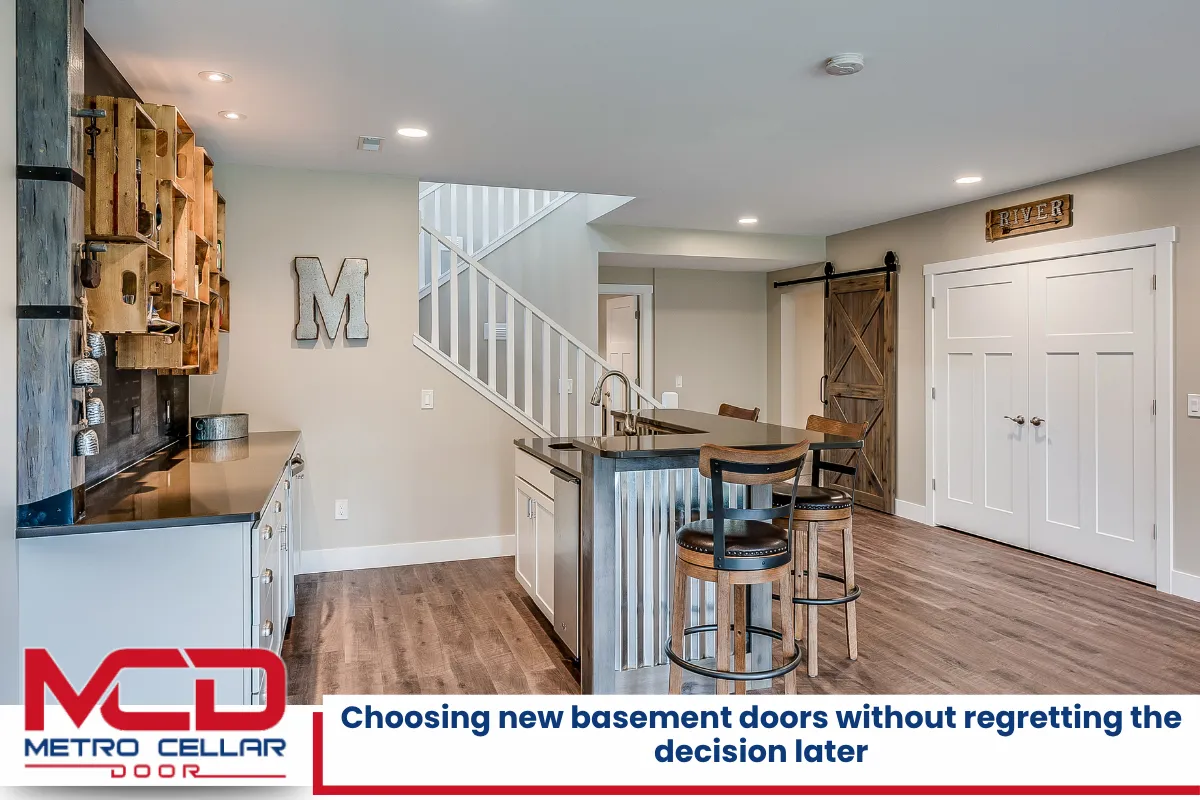
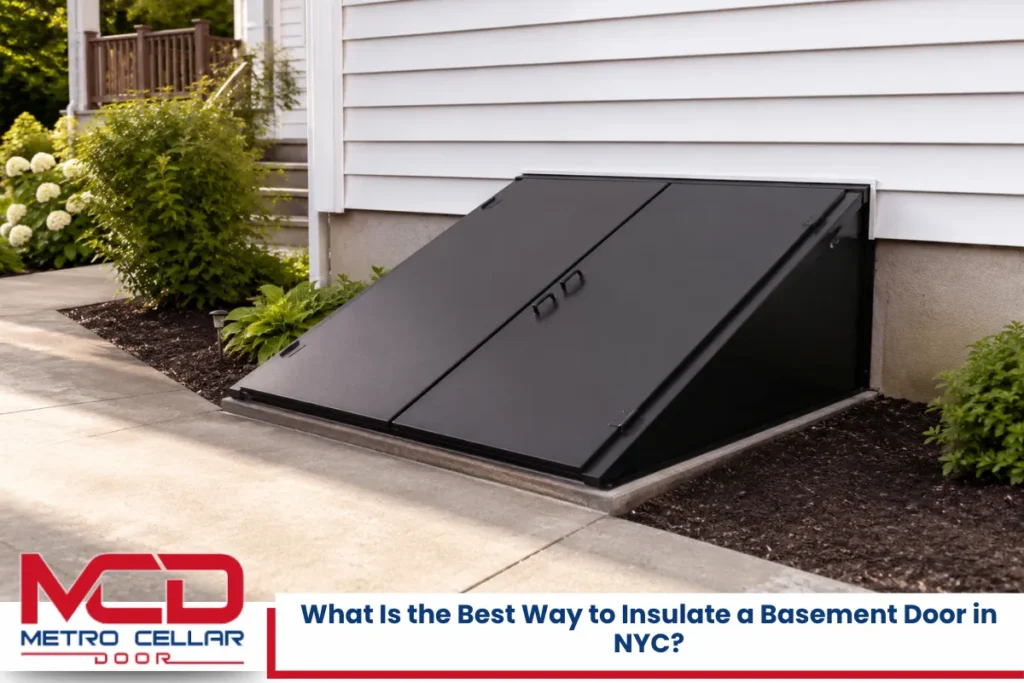
When replacement is the right move, the best choice is usually the one that matches the opening, the exposure, and the way the space is used. For many homes, steel cellar doors or bulkhead doors remain the practical standard because they are durable, resist warping, and perform well in harsh weather when properly installed. Powder-coated or factory-primed systems with quality hardware tend to hold up better than patched older units with multiple layers of field-applied sealant and paint.
Material is only one part of the equation. You also want to think about the curb height, threshold detail, flashing, lockset, weatherstripping, hinge strength, and whether the opening needs extensions or custom fitting. A well-selected door should sit square, shed water, seal tightly, and allow comfortable operation from both sides where required. If the surrounding concrete or areaway is old, the installer should evaluate that at the same time so the new unit is not anchored to a failing base.
This is also where search intent and real-world needs meet. People looking for basement door installer services in NYC are usually not just shopping for a metal hatch. They are trying to solve leaks, rust, drafts, security concerns, poor drainage, hard-to-open lids, cracked concrete, or worries about egress. The best basement doors solve the whole problem, not just the visible top layer.
How proper basement door installation prevents repeat problems
A strong replacement project starts with demolition, but it should not end there. The installer should remove the old unit carefully, inspect the curb and foundation connection, repair deficiencies, verify slope and drainage, and flash the new assembly so water is directed out rather than trapped against the house. Fine Homebuilding’s replacement guidance makes this point clearly: the foundation and wall must be prepared properly, and flashing is part of what makes the assembly durable.
That is why DIY-style patchwork often disappoints owners. You can replace a lid and still inherit the old leak path. You can install new weatherstripping and still have runoff pouring into the stairwell. You can replace a lock and still have a misaligned frame. Good basement door installation is system work. Door, curb, flashing, sealant, drainage, hardware, and safe operation all have to work together.
The smarter move for your NYC property
So, should you repair or replace your damaged door? Repair is the right answer when the assembly is still structurally sound and the problem is limited to seals, finish, or hardware. Replace when the damage is structural, the leaks keep returning, the frame is out of square, the surrounding stairs or curb are failing, or the entry no longer supports safe and lawful use of the lower level. In New York City, that decision is not only about appearance. It is about water control, security, egress, compliance, and protecting the value of the property.
The best next step is a real inspection, not another guess. A qualified basement door installer can tell you whether the issue is repairable, whether replacement will save money over time, and whether the surrounding opening needs code or drainage upgrades too. When that assessment happens early, you avoid the most expensive version of the job: the one that starts as a minor leak and ends as a rebuild.
Basement Door Installer in NYC – Metro Cellar Door Bilco Pro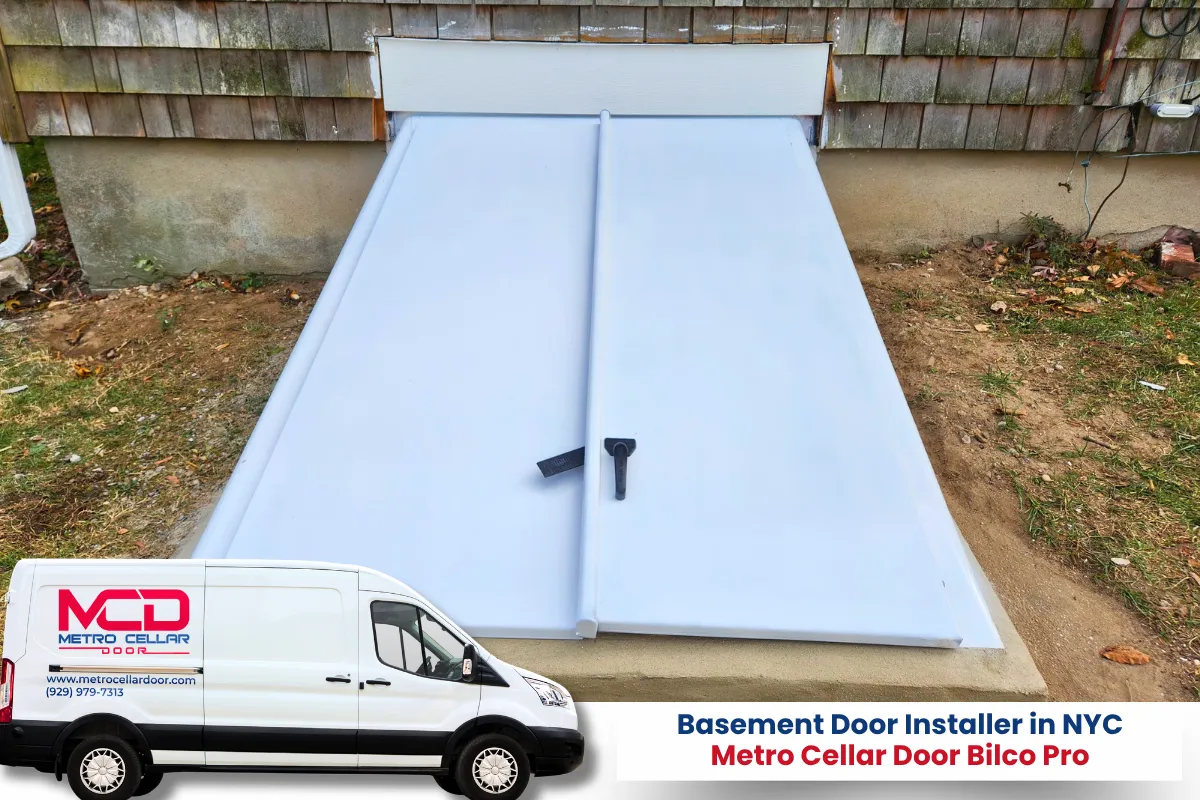
When your lower-level entry starts leaking, rusting, sticking, or feeling unsafe, we’re the team to call. At Metro Cellar Door Bilco Pro, we specialize in basement door installer services throughout New York City and the surrounding areas. We handle basement door installation, cellar door replacement, and upgrades for aging basement doors with a focus on fit, durability, and clean workmanship. If your current door is beyond a simple repair, we can help you choose a stronger, better-sealing solution for your property. Call us at (929) 979-7313 or fill out our contact form to schedule your estimate. We’ll help you protect your home with a basement door that works the way it should.
Frequently Asked Questions
Can you replace only the door panels and keep the old frame?
Sometimes, yes, but only when the existing frame, curb, and surrounding structure are still square, solid, and compatible with the replacement parts. In many real-world basement door projects, the frame is part of the problem. If the old frame is bent, rusted, out of level, or leaking at the foundation connection, keeping it usually saves less money than owners expect. General door guidance supports frame-only retention only when the frame is in genuinely good condition, and bulkhead replacement guidance often points to surrounding prep and flashing as critical to long-term performance. That is why a field inspection matters before ordering panels alone.
Does homeowners insurance usually cover basement door damage?
Coverage depends on the cause of loss, not just the damaged part. In many policies, sudden damage from a covered peril may be eligible for coverage, while normal wear and tear, neglected maintenance, gradual deterioration, and flood-related damage are commonly excluded. That distinction matters for basement doors because many failures begin as corrosion, recurring leaks, or long-term exposure rather than a single event. If the damage happened after a storm or impact, document it right away with photos and dates. If the issue developed slowly, expect the carrier to look closely at maintenance history and the exact source of water.
What maintenance helps new basement doors last longer in NYC weather?
Think simple and consistent. Clean off dirt, salt, and leaf buildup so moisture does not sit on the finish. Inspect the hinges, lift hardware, lock, and fasteners at least a few times a year. Check weatherstripping and perimeter seals for cracks or flattening. Touch up scratches quickly so exposed metal does not start rusting. Keep the areaway and any drain path clear so water can move away from the opening instead of pooling around it. Maintenance guidance for steel doors emphasizes gentle cleaning, prompt treatment of damaged coatings, and regular inspection of seals, especially in damp environments. Those habits usually matter more than expensive products.
Is winter a bad time for basement door installation in New York City?
Not necessarily. Emergency replacement can happen in cold weather, and many experienced installers work year-round. The real question is site condition. If the opening can be secured, materials can be installed properly, and surrounding concrete or masonry work is not being compromised by temperature or moisture, winter work can still be practical. What owners should avoid is letting a failed door sit open to more snow, ice, and runoff while waiting for a “perfect” season. If your basement door is already leaking or unsafe, delaying the project can expand the damage. The right schedule depends more on scope and exposure than on the calendar alone.
How do historic district rules affect basement or cellar door work?
If your property is in a historic district or is an individual landmark, design review can affect even seemingly straightforward door work. LPC rules apply to proposals involving windows and doors in existing openings, and LPC specifically lists window or door replacement in existing openings as the kind of work that can require a Permit for Minor Work. That does not always mean the job becomes difficult, but it can shape the material, appearance, configuration, and paperwork. The safest approach is to confirm landmark status early, before ordering a unit. That helps prevent delays, rejected materials, or a replacement that cannot be approved as submitted.
Disclaimer: This article is general information, not legal, engineering, or code-compliance advice. NYC permit, landmark, and occupancy rules vary by building and scope, so confirm requirements with a licensed professional before work begins.
Read Sidewalk Door Installer in NYC: Steel vs. Aluminum vs. Stainless Steel (Pros & Cons)