
Why the Right Basement Entry Matters in NYC Living
NYC basement door installer services are more than a convenience—they’re a necessity for safety, access, and long-term property value. Many property owners struggle with outdated, rusted, or poorly fitted basement doors that compromise security and allow water intrusion. These issues can quickly escalate, especially in dense urban environments where weather exposure and heavy foot traffic are constant concerns. The frustration builds when doors no longer seal properly or meet building code requirements. The solution lies in professional basement door installation tailored to your property’s exact dimensions, ensuring durability, compliance, and peace of mind from the start.
The Role of Basement Doors in Urban Properties
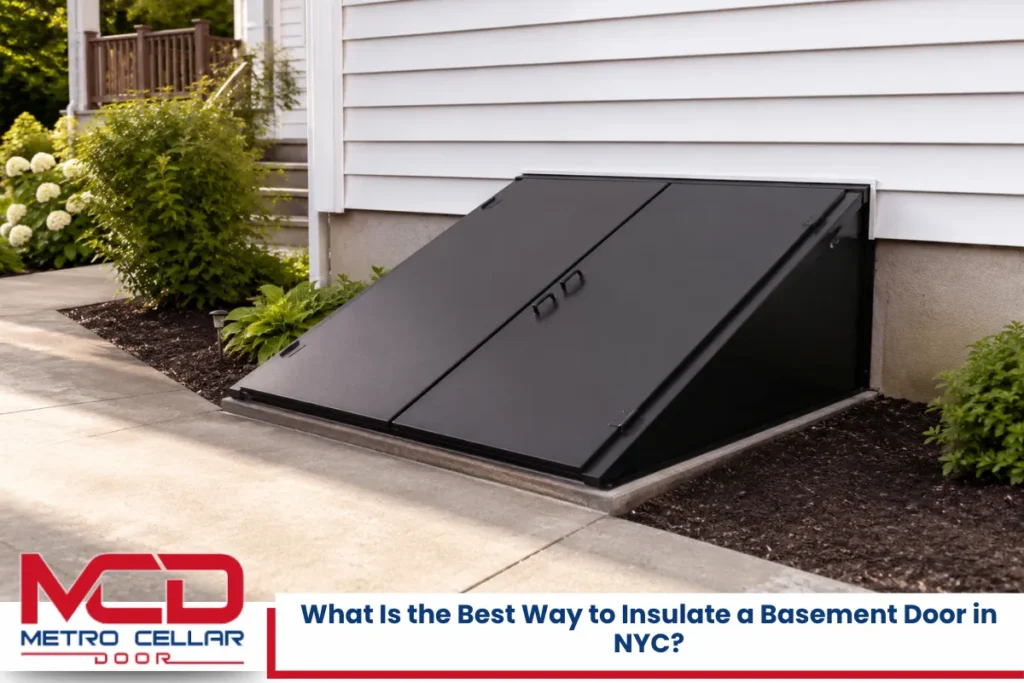
Cellar doors are designed to secure the basement of a business or a house and provide external access to the basement at any given moment. In a city like New York, where space is limited and efficiency is key, basement access doors are essential for both residential and commercial properties.
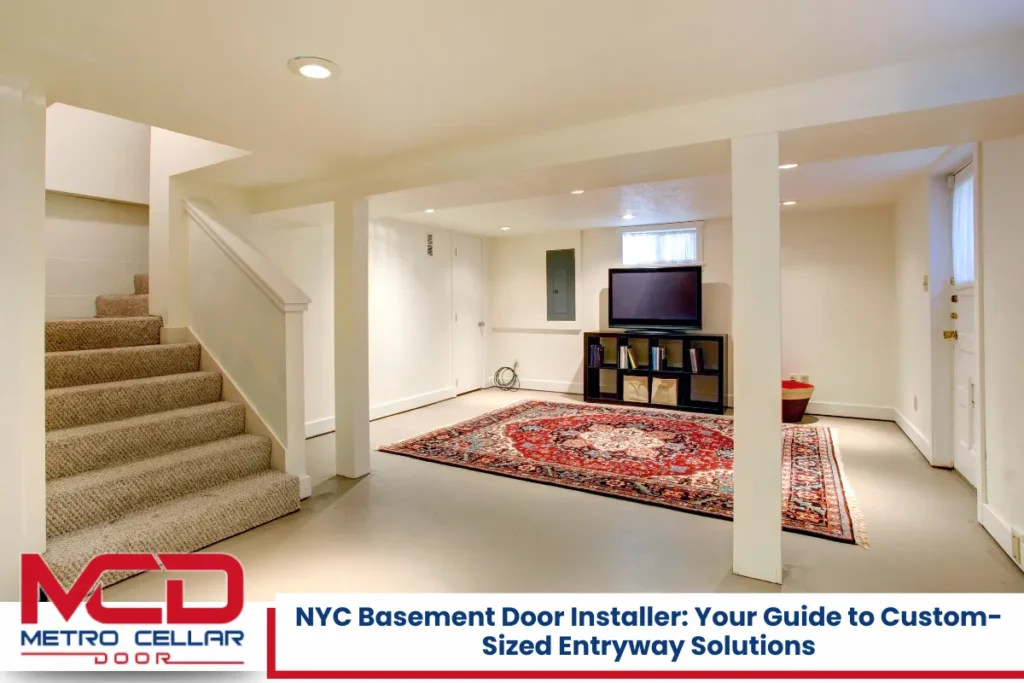
Cellar doors provide external access to basements, which is essential for both residential and commercial properties in New York City. Whether used for storage, utilities, or living space, basements rely on durable entry systems that withstand daily wear.
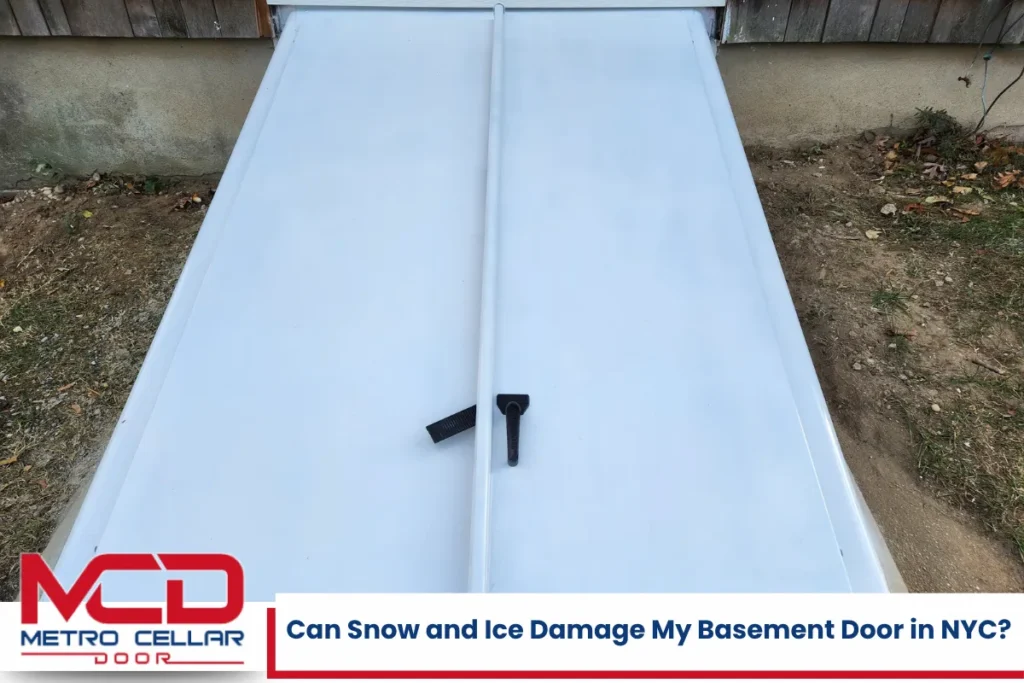
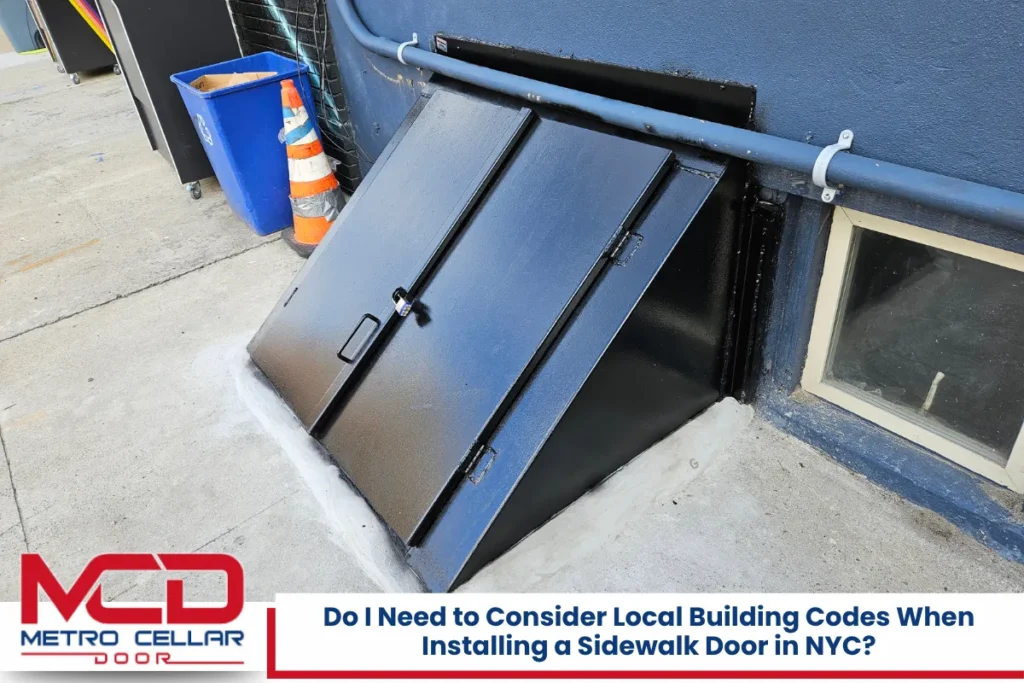
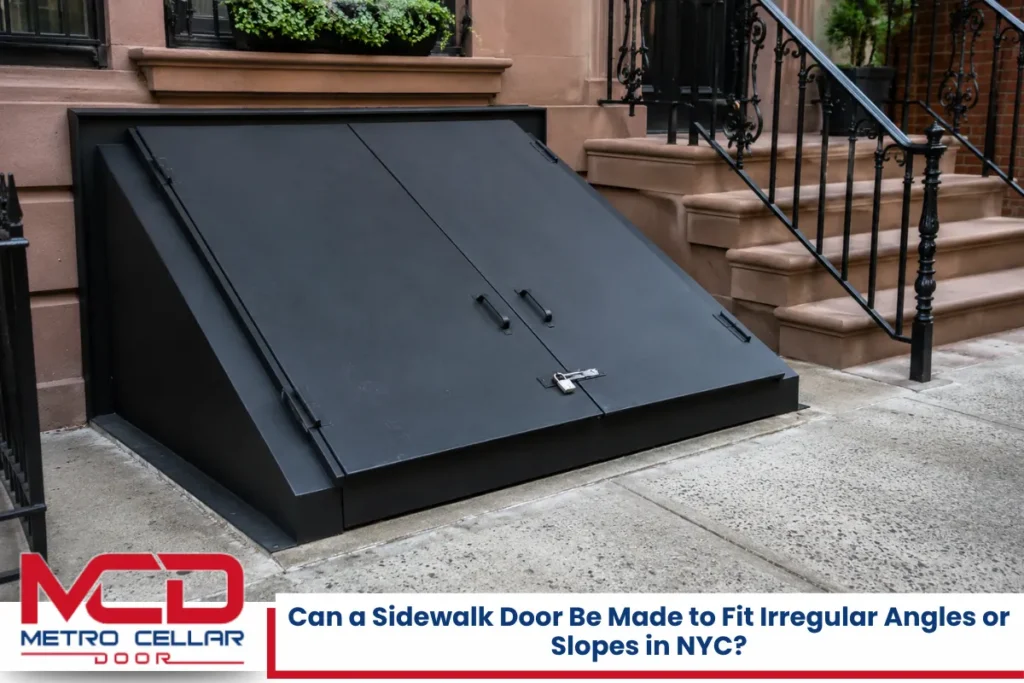
There are two main types of cellar doors commonly found in New York City: flat sidewalk cellar doors and bulkhead basement cellar doors. Flat sidewalk cellar doors are installed flush with the ground level, while bulkhead basement cellar doors are angled and cover the exterior stairwell of a basement.
These options cater to different building structures and accessibility needs, making customization critical for proper installation.
Custom Sizing: A Necessity for NYC Properties
Many NYC building openings are non-standard, requiring site-specific measurements and in-house custom fabrication. Older buildings especially present challenges that off-the-shelf solutions simply can’t address.
Customization capabilities are important for handling non-standard openings in older buildings in NYC. A professional basement door installer evaluates the structure, measurements, and intended use before fabricating a door that fits perfectly.
This ensures:
- Proper sealing against water intrusion
- Safe and smooth operation
- Compliance with city regulations
- Enhanced property value
A poorly fitted door can lead to drafts, leaks, and structural issues over time, making custom sizing a smart investment.
Materials That Withstand NYC Conditions
NYC weather dictates the need for durable, rust-resistant materials for construction. Choosing the right material is one of the most important decisions in basement door installation.
Common materials include:
- Galvanized steel: Galvanized steel is strong, long-lasting, and often powder-coated for extra protection against rust.
- Aluminum: Aluminum is naturally rust-resistant and lighter than steel, making it suitable for construction in NYC.
- Polyethylene: Low-maintenance materials such as polyethylene are corrosion-resistant, suitable for outdoor applications in NYC.
Waterproofing and durability are essential features for doors designed for NYC weather conditions. The door must be designed to protect against water infiltration and feature robust sealing.
High-quality steel cellar doors can last between 15 to 20 years, while lower-quality options may need replacement every 5 to 7 years. This makes material selection critical when planning long-term investments.
NYC Building Code Requirements You Should Know
Installing basement doors in New York City isn’t just about functionality—it must comply with strict building regulations.
Any habitable basement must have a code-compliant means of egress according to NYC regulations. The bottom of the opening for basement egress must not be more than 44 inches from the floor. Minimum clear opening dimensions for basements must be at least 24 inches high and 20 inches wide.
Doors must open from the inside without the use of keys, tools, or special knowledge for compliance in NYC. These rules are designed to ensure safe exit during emergencies.
A permit is typically required in NYC if installation involves structural changes, such as enlarging openings. Contractors should ensure they are fully insured and knowledgeable about NYC Building Codes when installing doors.
Installation Process: What to Expect
Cellar door installation in New York City typically involves constructing the door itself, including the frame, and then performing the installation, which requires specific skills and experience in welding and heavy-duty power tools.
Here’s a simplified breakdown:
- Site inspection and measurements
- Custom fabrication
- Removal of old door (if applicable)
- Frame installation
- Door fitting and sealing
- Final inspection and testing
Look for companies that specifically handle cellar doors and steel fabrication rather than general contractors. Specialized expertise ensures a smoother process and better results.
Security Features That Protect Your Property
To enhance the security of cellar doors, it is recommended to use internal reinforcement, internal hinges, and an internal locking bar along with an external locking system such as a large padlock.
Additional security upgrades include:
- Reinforced steel panels
- Tamper-resistant hinges
- Advanced locking systems
- Weather-sealed edges
Installing an iron fence around the cellar door can provide additional security and prevent pedestrians from walking on the door, which can deter potential burglars.
Security is especially important in high-traffic neighborhoods where sidewalk cellar doors are exposed to constant use.
Read Waterproof Basement Doors: Pro Tips from a Top NYC Basement Door Installer
Maintenance Tips to Extend Door Lifespan
Regular maintenance of cellar doors, including checking the locking system and hinges, is crucial to ensure they remain secure and functional, especially in harsh weather conditions.
At least once a year, check your steel cellar door to ensure there are no broken or loose parts, and lubricate the hinges to protect them from weather damage.
A semi-annual check-up is highly recommended for cellar doors over three years old to ensure safety and security. Ignoring small issues with a cellar door can lead to more significant problems and costly emergency repairs in the future.
Regular maintenance of cellar doors, including checking hinges and locks, is crucial to prevent costly emergency repairs and ensure safety.
Cost Factors for Basement Door Installation
The cost of basement door installation varies depending on several factors:
- Material selection
- Door size and customization
- Labor complexity
- Permits and compliance requirements
- Additional features like security upgrades
Cellar doors can be made from various materials, with high-quality steel options lasting 15-20 years, while lower-quality doors may need replacement every 5-7 years.
Investing in quality materials and professional installation reduces long-term costs by minimizing repairs and replacements.
Choosing the Right Basement Door Installer
Finding the right contractor is essential for a successful project.
Key qualities to look for:
- Experience with NYC-specific installations
- Knowledge of building codes
- Custom fabrication capabilities
- Strong reputation and reliability
A responsible and punctual company ensures projects are completed efficiently and safely. Choosing a specialist over a general contractor often results in better craftsmanship and long-term performance.
Smart Investment for Long-Term Property Value
Upgrading your basement doors is more than a repair—it’s an investment in safety, efficiency, and property value. Modern systems provide better insulation, improved security, and easier access, making them essential for both homeowners and businesses.
High-quality installations reduce the risk of water damage, improve energy efficiency, and enhance the overall usability of your basement space. With proper planning and professional execution, your new entryway can serve you reliably for decades.
NYC Basement Door Installer – Metro Cellar Door Bilco Pro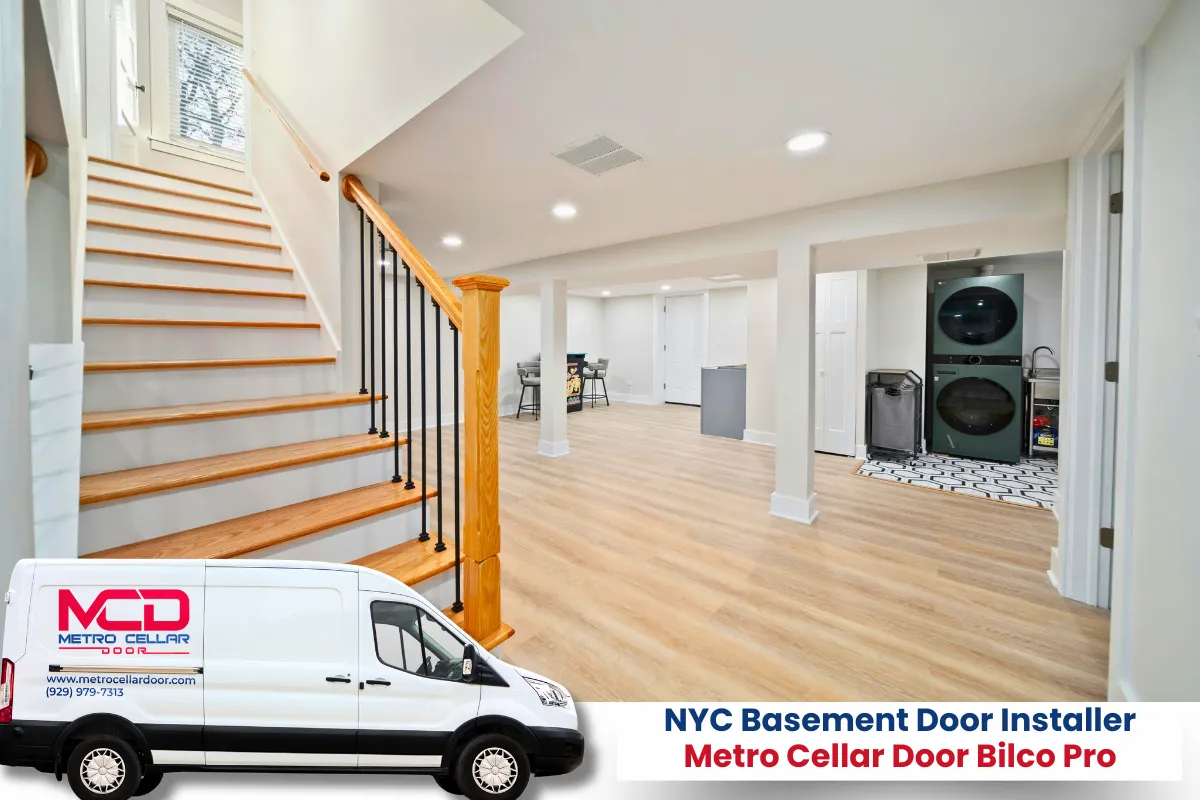
We take pride in being a trusted basement door installer serving New York City and surrounding areas. At Metro Cellar Door Bilco Pro, we specialize in custom basement door installation designed to meet the unique needs of every property. Our team understands that no two openings are the same, which is why we provide tailored solutions using top-quality materials built for durability and security.
We handle everything from measurements to installation, ensuring compliance with NYC regulations and long-lasting performance. Whether you need a new installation or replacement, we’re ready to help. Call us today at (929) 979-7313 or fill out our contact form to get started with a reliable, professional service you can count on.
Frequently Asked Questions
How long does basement door installation typically take in NYC?
Basement door installation timelines vary depending on customization and structural complexity. Most standard projects take one to three days, including removal of the old door and fitting the new system. However, custom fabrication or permit requirements may extend the timeline. Weather conditions and accessibility can also impact scheduling. Working with an experienced installer ensures efficient planning and minimal disruption. Proper preparation and accurate measurements are key factors in avoiding delays and ensuring a smooth installation process.
What are the signs that I need a new basement door?
Common signs include rust, water leaks, difficulty opening or closing, and visible structural damage. If your door no longer seals properly or shows signs of wear, it may be time for replacement. Older doors may also lack modern security features, making them vulnerable. Frequent repairs are another indication that replacement is more cost-effective. Upgrading ensures better performance, safety, and compliance with current building standards, especially in demanding urban environments like NYC.
Can basement doors improve energy efficiency?
Yes, modern basement doors are designed with insulation and sealing features that help reduce energy loss. Properly installed doors prevent drafts and moisture intrusion, which can affect indoor temperatures. This is especially important in NYC, where seasonal weather changes can be extreme. Improved insulation reduces heating and cooling costs while maintaining a comfortable indoor environment. Investing in energy-efficient doors can lead to long-term savings and increased property value.
Are custom basement doors more expensive than standard options?
Custom basement doors generally cost more upfront due to fabrication and design requirements. However, they provide better fit, durability, and performance, making them a worthwhile investment. Standard doors may not align with unique NYC building structures, leading to additional modifications. Custom solutions eliminate these issues and ensure long-term reliability. Over time, the reduced need for repairs and replacements often offsets the initial cost difference.
What safety features should I prioritize in a basement door?
Key safety features include strong locking systems, reinforced materials, and proper egress compliance. Doors should open easily from the inside without tools or keys, ensuring safe exit during emergencies. Weather-resistant sealing and durable construction also contribute to safety. Additional features like anti-slip surfaces and secure hinges enhance usability. Prioritizing these elements ensures your basement door meets both safety standards and practical needs.
Disclaimer: This article is for informational purposes only and does not replace professional consultation. Always verify NYC building codes and consult a licensed basement door installer for compliance and safety requirements specific to your property.
Read Fire-Rated Glazing 101: Expert Advice from an NYC Fire Door Installer