
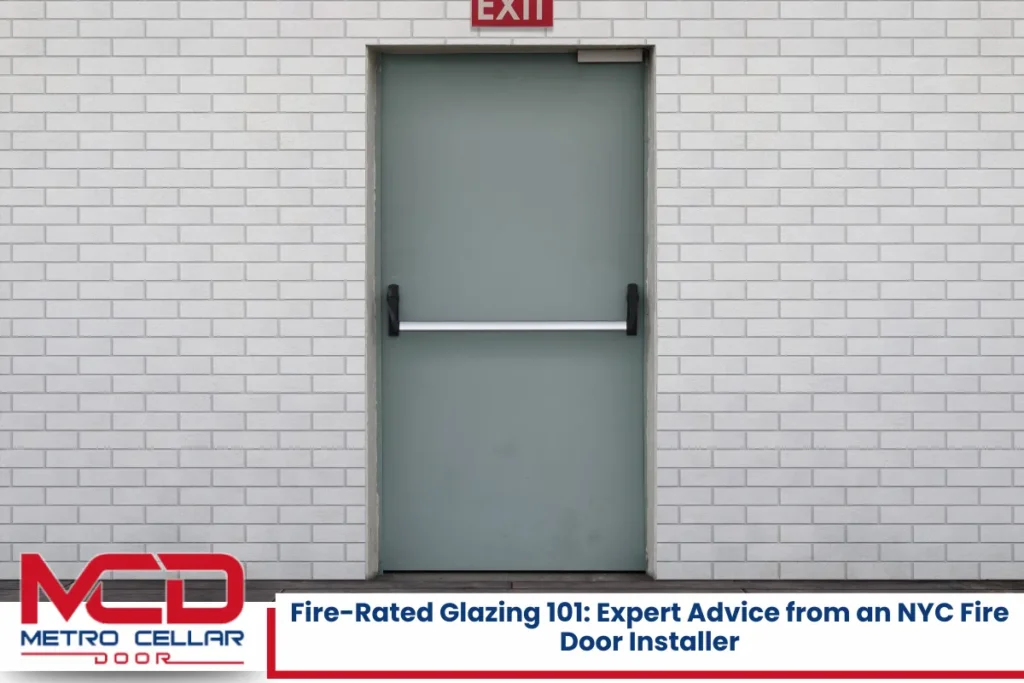
Why fire-rated glazing matters more than most realize
An NYC fire door Installer knows that one overlooked detail—like the wrong glazing—can compromise an entire fire-rated assembly. Many property owners assume glass weakens fire doors. That misconception leads to failed inspections, costly rework, and serious safety risks. In dense urban environments like New York City, where commercial buildings and residential properties sit close together, even a small fire can escalate rapidly.
The real issue is not the presence of glass but whether the system is properly rated, installed, and maintained. Fire-rated glazing offers both safety and visibility when done right. The solution lies in understanding fire-rated glass systems, code compliance, and expert installation practices. This guide breaks down everything you need to know to make informed decisions and avoid expensive mistakes.
The role of fire-rated glazing in modern fire doors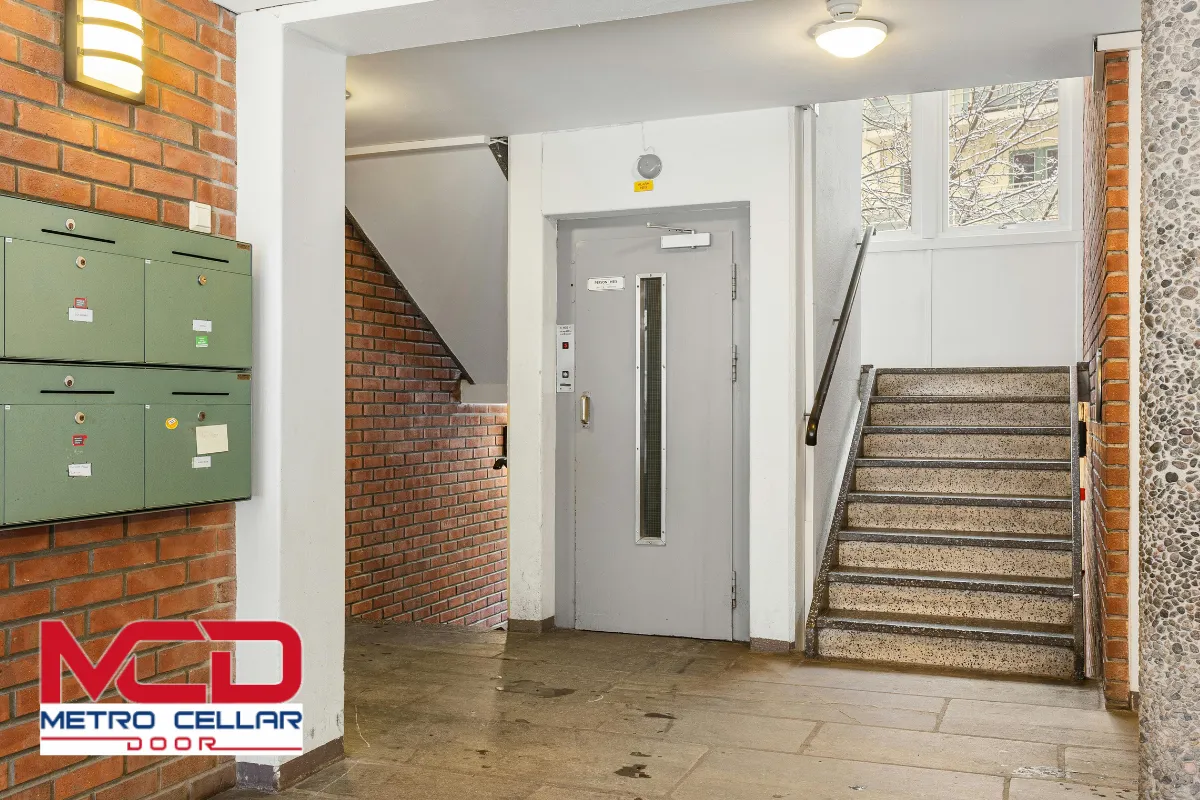
Fire-rated glazing is not simply glass inserted into a door. It is a tested and certified system designed to resist fire, heat, and smoke for a specific duration. Fire-rated doors are designed to slow the spread of fire and smoke within commercial buildings, providing critical time for occupants to evacuate safely and for firefighters to control the situation.
In New York City, fire doors are mandatory in many building types due to the city’s dense construction, particularly in multi-level and multi-unit properties, to protect people and property from rapid fire spread.
Fire-rated glazing enhances functionality without sacrificing safety. It allows visibility in corridors, improves natural light, and supports security monitoring. When properly installed, it integrates seamlessly into fire-rated door assemblies.
Types of fire-rated glass used in NYC buildings
Fire-rated doors are available in various types, including hollow metal doors, solid-core wood doors, and fire-rated glass doors, each designed for specific applications and fire-resistance levels.
Fire-rated glass itself falls into several categories:
- Wired glass – Traditional and cost-effective, often used in older or pre war buildings
- Ceramic glass – Offers higher heat resistance and clarity
- Tempered fire-rated glass – Stronger and safer under impact
- Insulated glass units (IGUs) – Provide both fire resistance and thermal insulation
Each option supports different fire ratings and building requirements.
Fire ratings explained without the confusion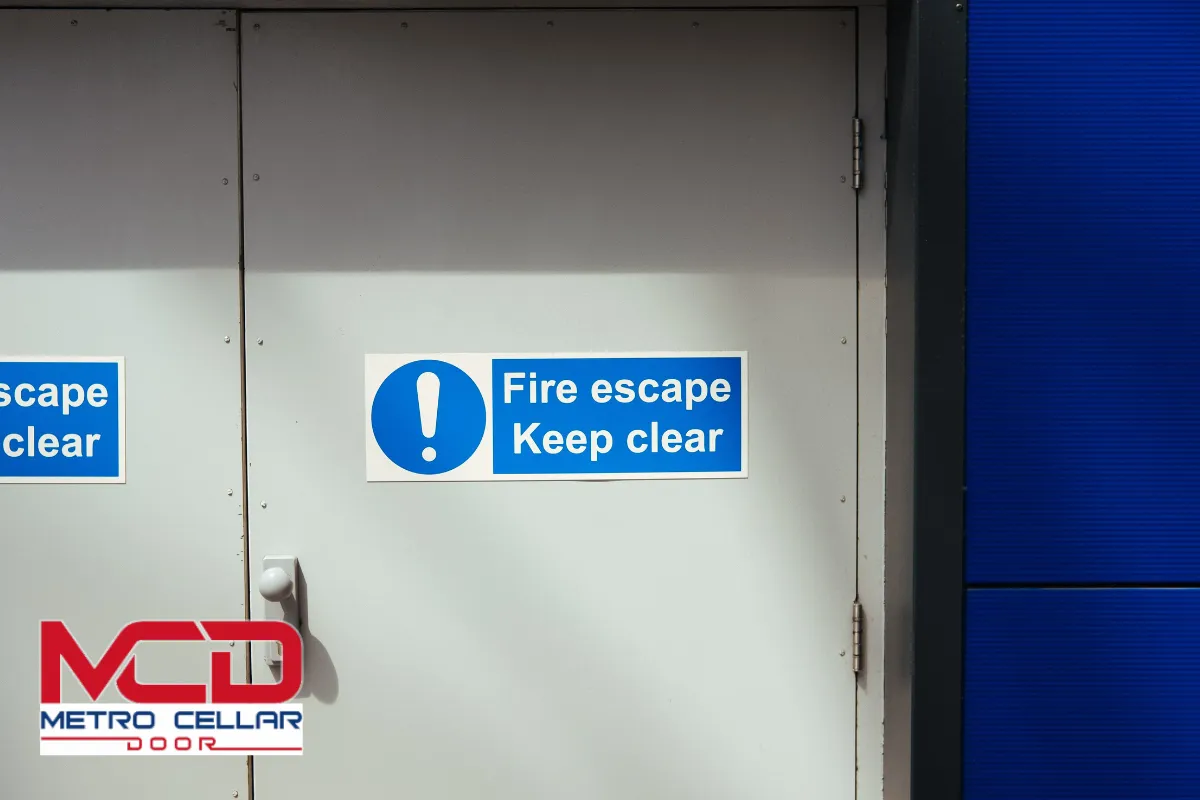
Fire ratings indicate how long a door or glazing system can withstand fire exposure. Common fire ratings for doors include 20, 45, 60, and 90 minutes, indicating the duration for which the door can withstand fire and smoke during an emergency.
Choosing the correct rating depends on the building layout, occupancy type, and fire codes. Office buildings, schools, and industrial settings often require higher-rated assemblies due to higher occupant loads.
Certification and testing standards
Fire doors must have a fire-resistance rating certified by testing laboratories, such as Underwriters Laboratories (UL), and must be self-closing and self-latching to meet compliance standards.
These certifications ensure the entire system—including glass, frame, and hardware—performs as expected during a fire.
NYC codes and compliance for fire-rated glazing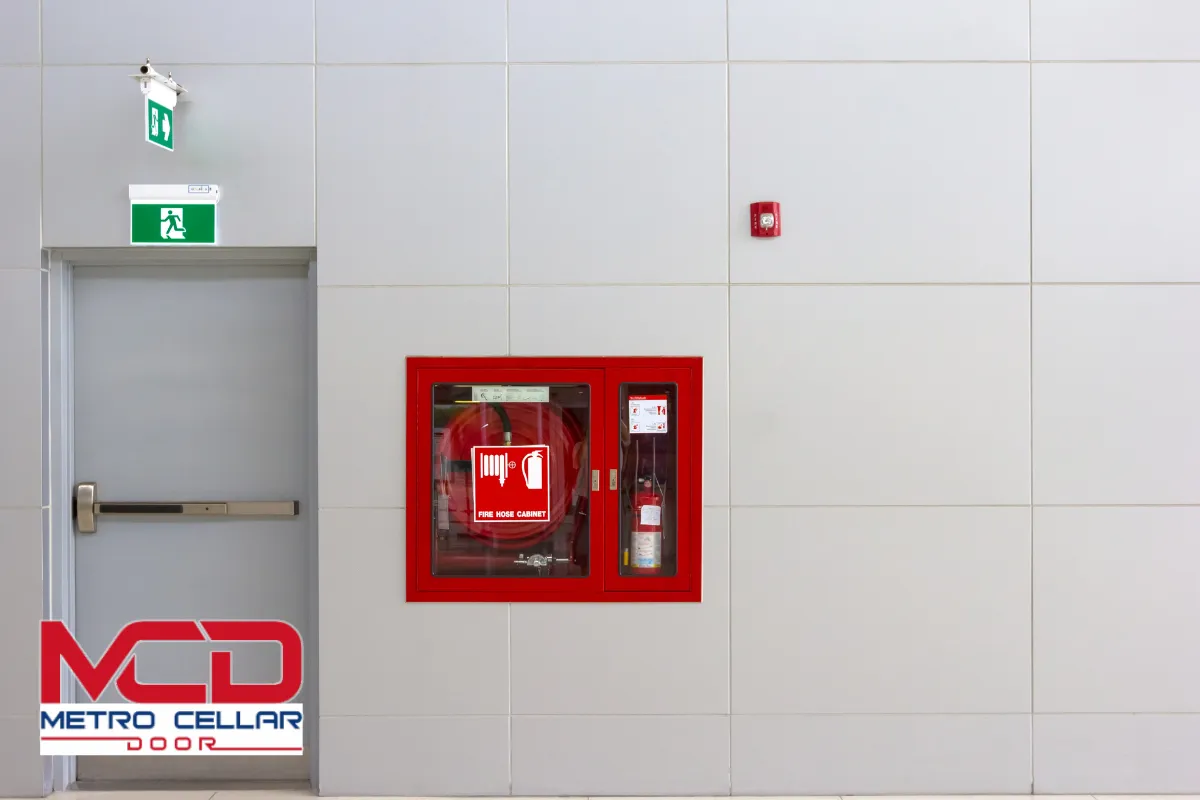
In New York City, fire door installations must comply with the NYC Building Code and the NYC Fire Code, which require fire-rated assemblies in specific areas of a building.
Installers must be trained under NFPA 80 standards for fire doors and other opening protectives. This ensures proper installation, inspection, and long-term reliability.
Inspection and documentation requirements
Fire doors require regular inspection and maintenance to ensure proper operation and compliance with safety regulations.
In New York City, fire doors must be inspected every 6 months, with more frequent checks (every 3 months) for doors in high-traffic areas like schools and hospitals.
A logbook of installation details and subsequent annual inspections for fire doors may be required for FDNY audits.
These requirements are not optional. Non-compliance can result in violations, fines, or failed inspections.
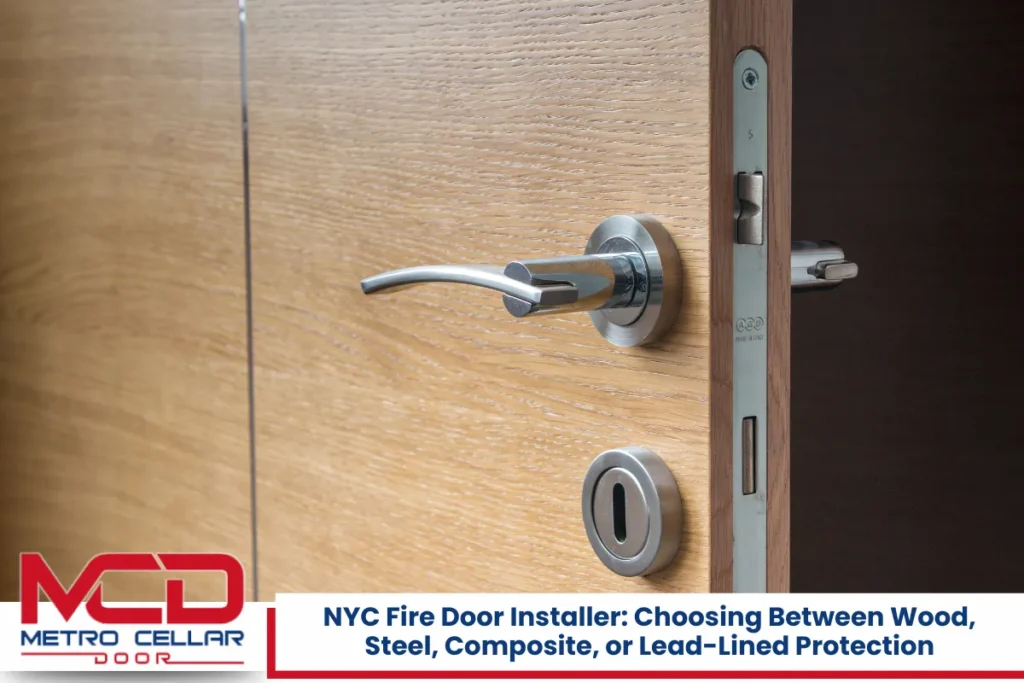
Read NYC Fire Door Installer: Choosing Between Wood, Steel, Composite, or Lead-Lined Protection
Key installation details that impact performance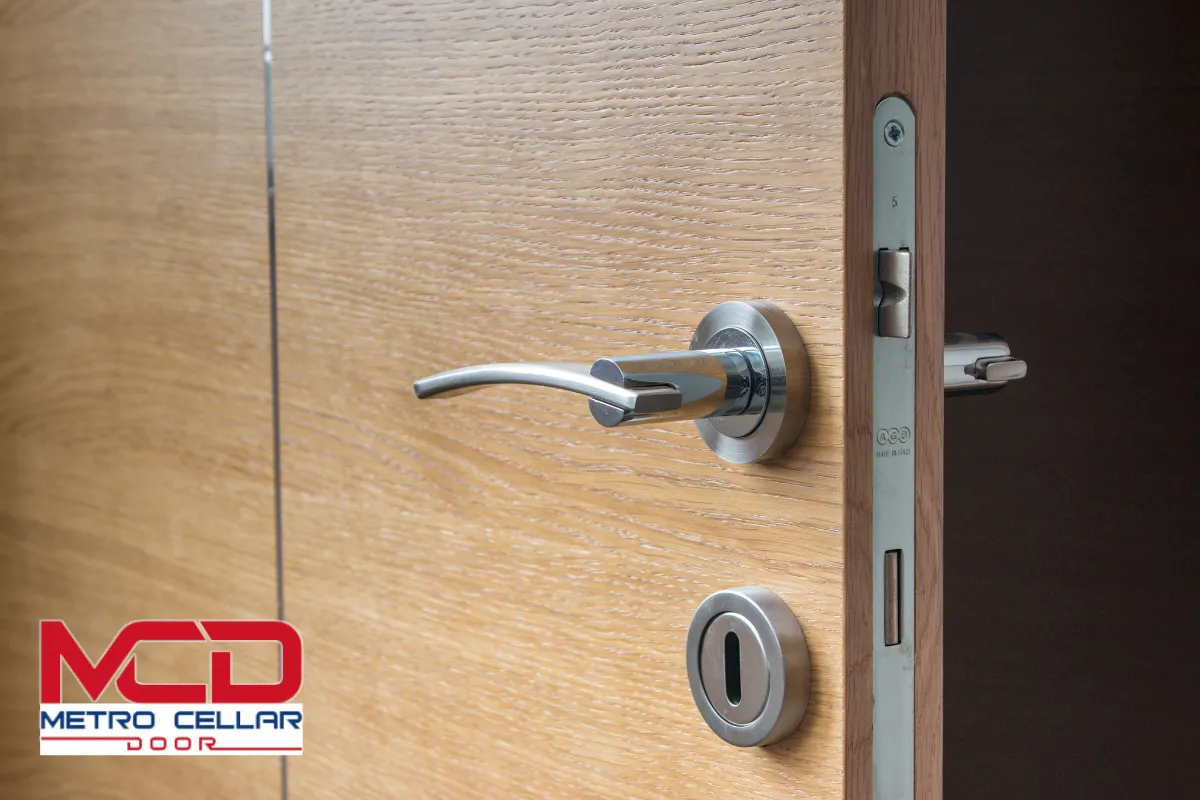
Professional fire door installation is about precision. Even small deviations can compromise safety.
The installation process for fire doors involves precise measurements, approved materials, and certified labor to ensure compliance with local regulations, which can vary based on the complexity of the installation.
Clearance requirements for fire doors usually mandate a maximum of 3-4 mm at the sides and top, and 3/4 inch at the bottom.
The gap between the fire door and frame should not exceed 1/8 inch at the top and sides to maintain smoke and fire protection.
These measurements are critical to maintaining the integrity of fire-rated glazing systems.
Hardware that completes the system
Installers should use fire-rated hardware, including self-closing devices and hinges that meet UL standards.
Fire-rated doors must include specific hardware that meets compliance standards, such as automatic closers and smoke seals, which can increase the overall installation cost due to the need for certified components.
Components like panic bars, exit devices, and door closers ensure proper function during emergencies.
Materials that work best with fire-rated glazing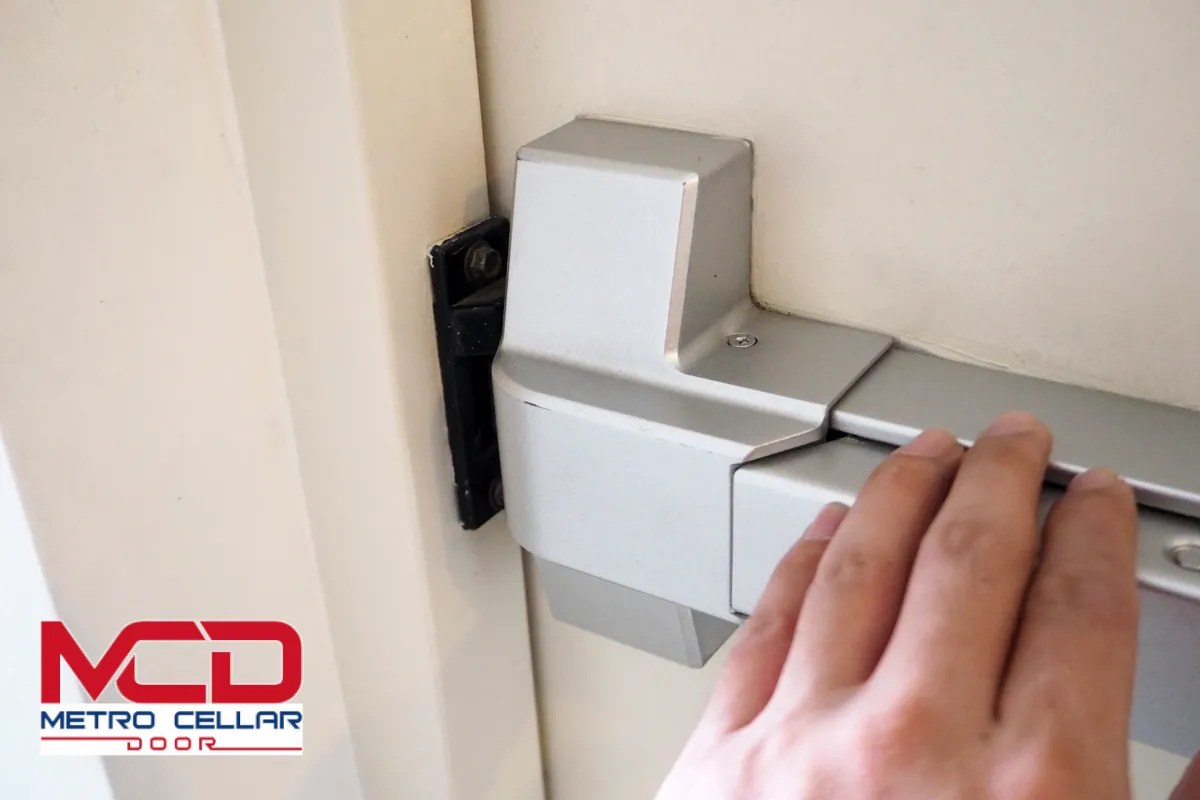
Different environments require different door materials.
Steel fire doors are often used in high-traffic areas such as warehouses and parking garages due to their durability and ability to withstand extreme heat.
Solid core wood doors are common in office buildings and residential settings where aesthetic appeal matters. Hollow metal doors are widely used in commercial properties for durability and compliance.
Each material interacts differently with fire-rated glass, which is why expert installation matters.
Cost considerations for fire-rated glazing projects
Budget planning is a key part of any fire door installation project.
The cost of installing a fire door in New York City varies significantly based on the door type, labor, location, and regulatory requirements, with estimates typically ranging from $1,000 to $3,000 per door, including materials and labor.
In New York City, permit fees for fire door installations typically range from $150 to $600, depending on the project scope and whether it involves structural changes.
Detailed estimates for fire door installation should include product specifications, labor costs, and compliance documentation.
While costs may seem high, they reflect the importance of safety, compliance, and long-term reliability.
Maintenance strategies that prevent costly failures
Fire doors and glazing systems are not “install and forget” components.
Common maintenance tasks for fire doors include checking for proper alignment, ensuring that seals are intact, and verifying that the door closes automatically without obstruction.
Regular inspections help identify issues before they lead to failed inspections or safety risks.
Signs your fire-rated glazing needs attention
Watch for these warning signs:
- Cracked or damaged glass
- Loose or missing hardware
- Improper door alignment
- Gaps exceeding allowable limits
- Doors not closing fully
These issues can compromise both fire protection and compliance.
Where fire-rated glazing is most critical
Fire-rated glazing is essential in:
- Commercial buildings
- Office buildings
- Schools
- Industrial settings
- Multi-unit residential properties
In these environments, fire safety is not optional—it is a legal and operational requirement.
Choosing the right fire door installer
Not all contractors are qualified to handle fire-rated systems. Certified fire door installers understand codes, materials, and inspection requirements.
Look for:
- Experience with NYC fire codes
- Knowledge of fire-rated glass systems
- Ability to provide documentation
- Strong track record with inspections
Expert installation ensures your system is inspection ready and fully compliant.
Fire-rated glazing trends shaping NYC buildings
Modern architecture increasingly integrates fire-rated glass for both safety and design.
Trends include:
- Larger glass panels in fire-rated doors
- Improved clarity and aesthetics
- Advanced heat-resistant materials
- Integration with smart building systems
These innovations allow property owners to balance safety, security, and visual appeal.
Final thoughts on fire-rated glazing and compliance
Fire-rated glazing is a critical component of modern fire safety systems. When properly installed and maintained, it provides protection, visibility, and compliance with strict NYC regulations.
Whether you are managing commercial properties, planning renovation projects, or overseeing new construction, understanding fire-rated glazing helps you make smarter decisions.
Working with a qualified fire door installer ensures your investment meets safety standards and passes inspections without complications.
NYC Fire Door Installer – Metro Cellar Door Bilco Pro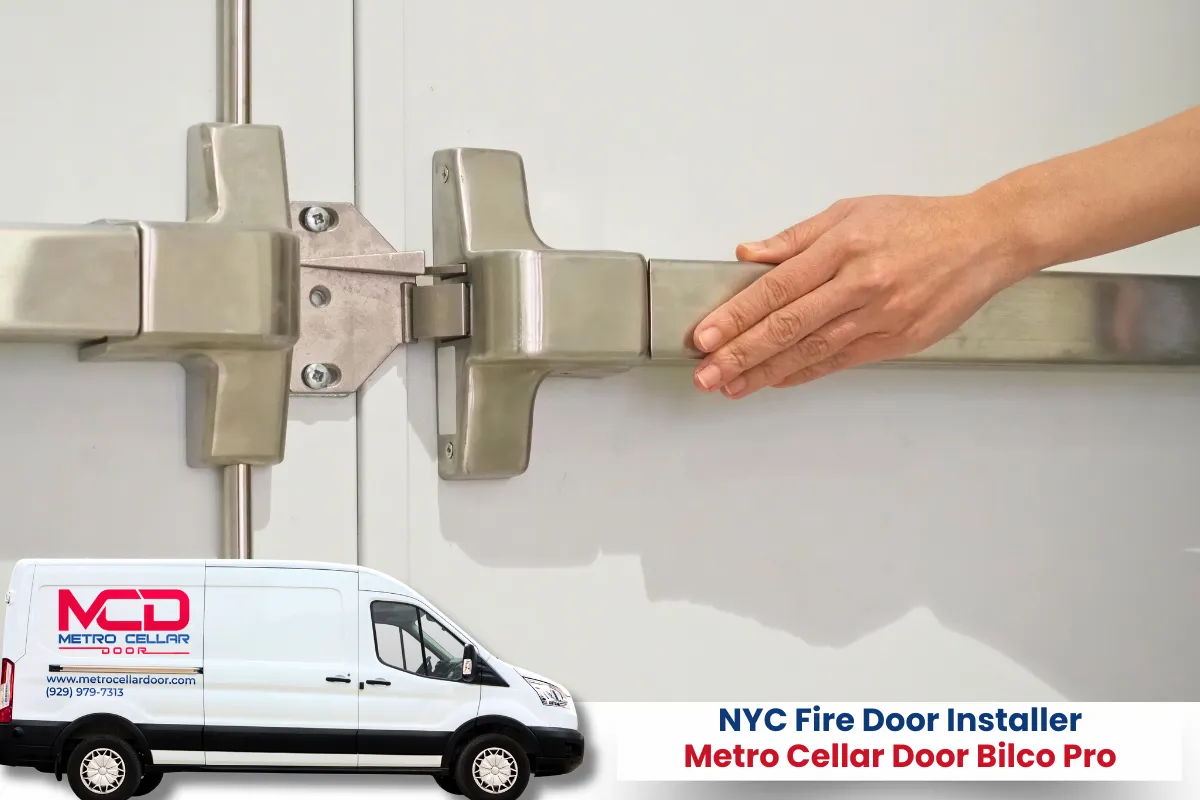
At Metro Cellar Door Bilco Pro, we provide expert fire door installation tailored to the unique needs of New York City properties. As a trusted fire door installer, we understand local fire codes, compliance requirements, and the importance of precision. Our team handles everything from fire rated doors and glazing systems to inspection services and repair.
We offer competitive pricing, detailed estimates, and fast turnaround times for commercial and residential projects. Whether you need new installation, replacement services, or maintenance, we ensure your doors are fully compliant and inspection ready.
Call us today at (929) 979-7313 or fill out our contact form to get a free quote. Let us help you secure your property with professional fire door solutions you can trust.
Frequently Asked Questions
How does fire-rated glazing differ from standard safety glass?
Fire-rated glazing is specifically tested to withstand fire, heat, and smoke for a designated period, unlike standard safety glass which primarily resists impact. It forms part of a fire-rated assembly, including the frame and hardware. In NYC buildings, this distinction is crucial because only certified fire-rated systems meet code requirements. Standard glass may shatter under extreme heat, while fire-rated glass maintains integrity. Choosing the right glazing ensures compliance with fire codes and improves occupant safety during emergencies, especially in high-density environments where evacuation time is critical.
Can fire-rated glass be customized for design purposes?
Yes, modern fire-rated glass offers design flexibility without compromising safety. Property owners can choose from clear, tinted, or patterned options depending on the aesthetic needs of the space. Advances in technology allow larger panels and improved clarity, making them suitable for office buildings and upscale commercial properties. However, customization must still comply with fire rating requirements and approved testing standards. Working with certified fire door installers ensures that any design modifications meet NYC Building Code and Fire Code regulations while maintaining full fire protection performance.
What happens if fire-rated glazing fails inspection?
If fire-rated glazing fails inspection, the building owner may face violations, fines, or required corrective actions. Common issues include improper installation, incorrect glass type, damaged components, or non-compliant hardware. Inspectors may require immediate repairs or full replacement depending on the severity. Failed inspections can delay occupancy approvals or disrupt business operations. To avoid these issues, regular maintenance and working with experienced professionals are essential. Proper documentation and compliance checks ensure the glazing system meets all safety standards before inspections occur.
Is fire-rated glazing required in residential buildings?
Fire-rated glazing is required in certain residential buildings, particularly multi-unit properties, stairwells, and shared corridors. NYC regulations mandate fire-rated assemblies in areas that serve as escape routes or where fire separation is necessary. While single-family homes may have fewer requirements, apartment buildings and mixed-use properties must comply with strict fire safety codes. Installing fire-rated glazing enhances protection and ensures compliance with local regulations. It also adds value by improving safety standards and reducing risk for property owners and occupants.
How long does fire-rated glazing installation take?
Installation timelines vary based on project scope, door type, and building conditions. A single fire-rated door with glazing may take a few hours, while larger commercial projects can take several days. Factors such as custom glass, structural modifications, and permit approvals can extend timelines. Professional installers streamline the process by handling measurements, materials, and compliance requirements efficiently. Proper planning ensures minimal disruption to building operations while maintaining safety standards. Working with experienced teams helps complete installations on time and within regulatory guidelines.
Disclaimer: This article is for informational purposes only and does not replace professional inspection or code consultation. Always consult certified fire door installers and local authorities to ensure compliance with current New York City fire safety regulations.
Read Fire Door Installer in NYC: Can Fire Doors Be Held Open Safely?