
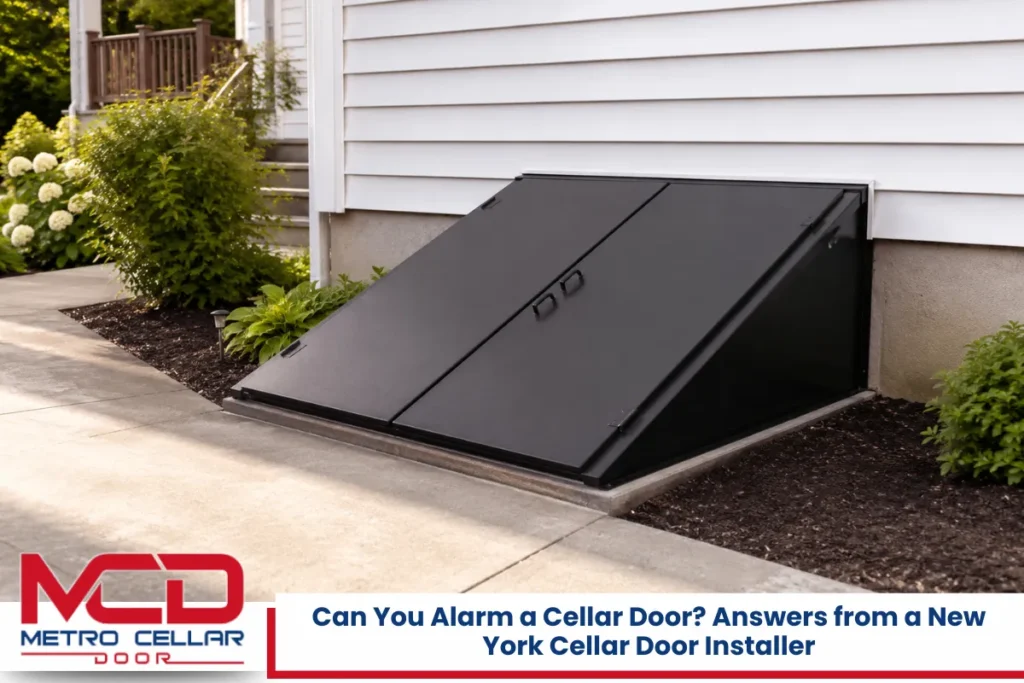
A cellar door installer hears this question constantly: can you actually put an alarm on a cellar door? The short answer is yes. But for property owners across New York city, the process is not as simple as sticking a sensor on the frame and walking away. Basement cellar doors sit exposed to weather, foot traffic, and opportunistic intruders. They rust. They warp. They get overlooked. And without a proper alarm, they become the easiest point of entry into your basement, your storage, or even your home. The good news is that with the right devices, professional know-how, and respect for local codes, alarming cellar doors is a straightforward upgrade that dramatically improves residential basement security.
Key Takeaways
- Yes, you can alarm a cellar door. Both bulkhead and sidewalk-style basement cellar doors can accept modern alarm devices when chosen and installed correctly.
- Alarms must be compatible with the door’s material, swing direction, and location, and they should never interfere with New York City egress or building code requirements.
- The most common alarm options include magnetic contacts, vibration sensors, smart systems, and integration with existing home security panels.
- A cellar door installer with professional experience can ensure proper weatherproofing, wiring, and code-compliant hardware placement during cellar door installation.
- Property owners in brooklyn new york and across NYC benefit most when door condition is evaluated first, because a broken cellar door undermines even the best alarm setup
Can You Actually Alarm a Cellar Door in New York City?
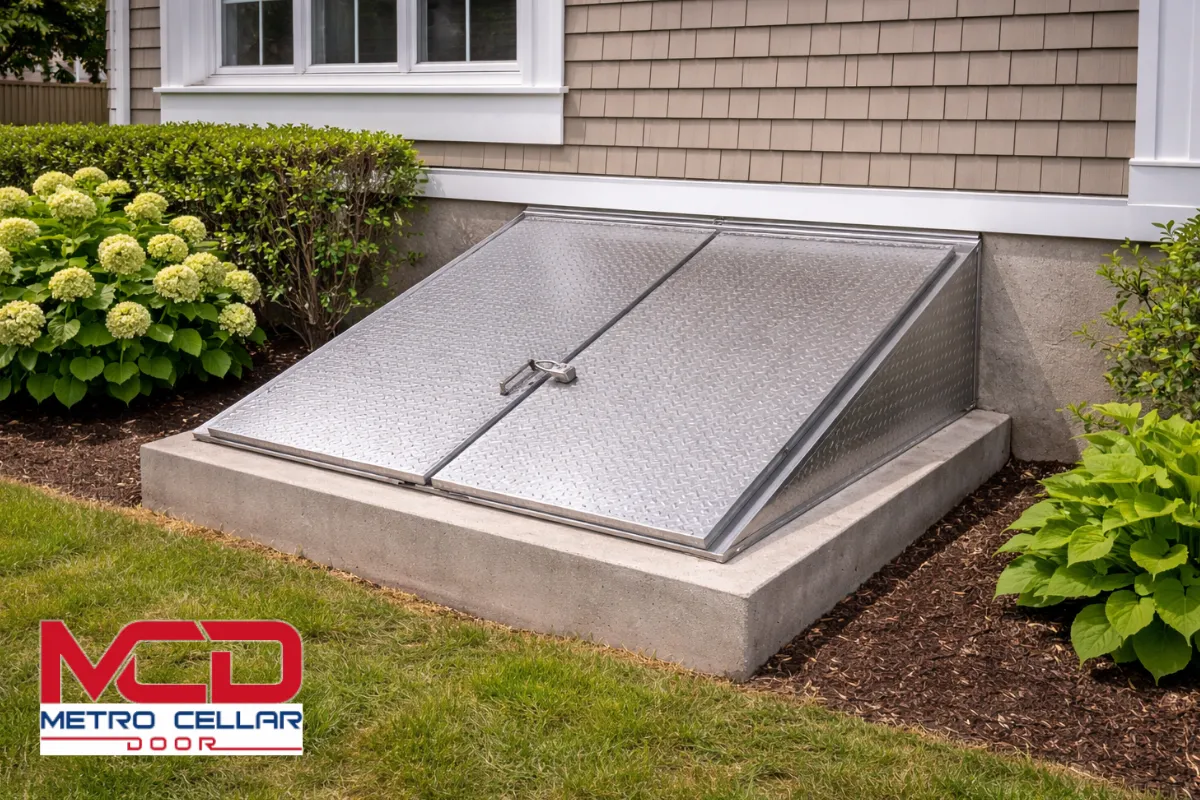
A qualified installer can add alarms to most cellar doors without replacing the entire unit. Whether you have traditional bulkhead basement cellar doors in a rear yard or sidewalk basement cellar doors flush with the pavement, modern sensors and smart-home systems make integration practical. The main limitations are physical access for wiring, the condition of the door itself, and compliance with NYC fire and building codes for required exits.
Consider a typical scenario in Brooklyn. A townhouse owner has rear-yard cellar basement doors connected to an exterior stairwell leading to a finished basement. The home already has a security panel. A trained technician mounts weatherproof magnetic contacts on the bulkhead cellar door, ties the sensor into the existing system, and configures mobile notifications. That add-on often takes less time than addressing deteriorated hinges or a stuck cellar door that will not close flush.
Adding alarms usually does not require a full sidewalk cellar door replacement or a new cellar door unless the existing unit is severely rusted, warped, or structurally unsafe. Most steel cellar door models in decent shape accept alarm hardware without modification. Cellar doors provide secure access to basements, and when paired with proper sensors, they become a reliable line of defense.
How Cellar Doors Work and Why They Are a Security Weak Point
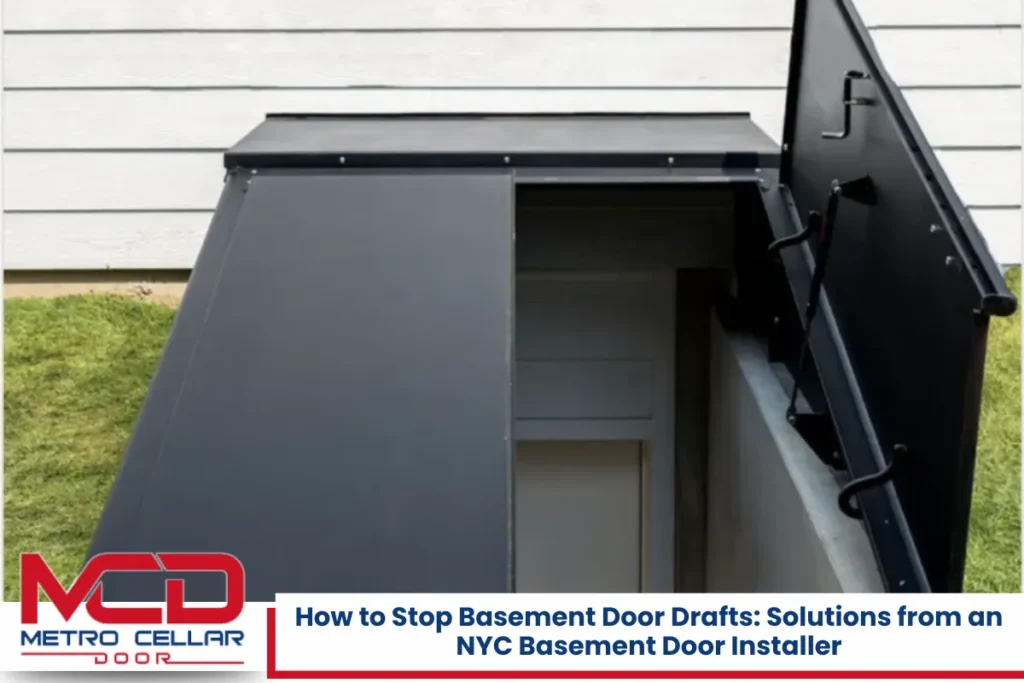
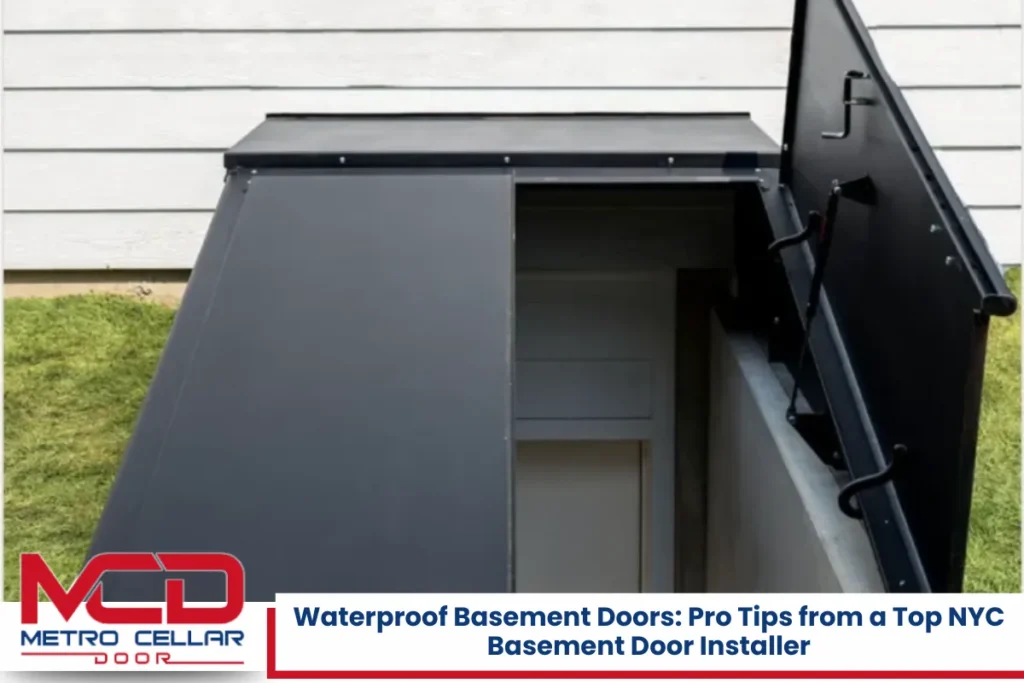
Cellar doors come in various styles and materials, but in new york city houses, three types dominate. Bulkhead cellar doors sit at an angle against a foundation, covering stairs that descend to the basement. Flat sidewalk cellar doors lie flush with the pavement, common on commercial buildings and mixed-use properties. Rear basement access doors open at grade level directly into a cellar room or storage area.
These doors provide access to boiler rooms, storage, finished basements, and commercial basement spaces. Because many sit in alleys, rear yards, or along quiet stretches of sidewalk, they are often hidden from street view and attractive to intruders. Cellar doors are strong and hard to break when well-maintained, but older units installed decades ago with basic padlocks or interior slide bolts no longer meet modern security expectations.
Typical problems include rusted steel, warped wood frames, loose hinges, gaps that can be pried open, and corroded frames. In neighborhoods across brooklyn new york, alley and yard cellar doors are a common point of unauthorized basement entry during both daytime and nighttime hours. Any evaluation for alarms should start with structural safety and possibly basement cellar door repair to ensure the door itself is not the weakest link. Basic maintenance is required to keep cellar doors functional over time. Lubricate hinges annually to prevent weather damage, and check locking systems regularly for security and functionality. Ignoring maintenance can lead to costly emergency repair situations.
Types of Alarm Devices That Work Well on Cellar Doors
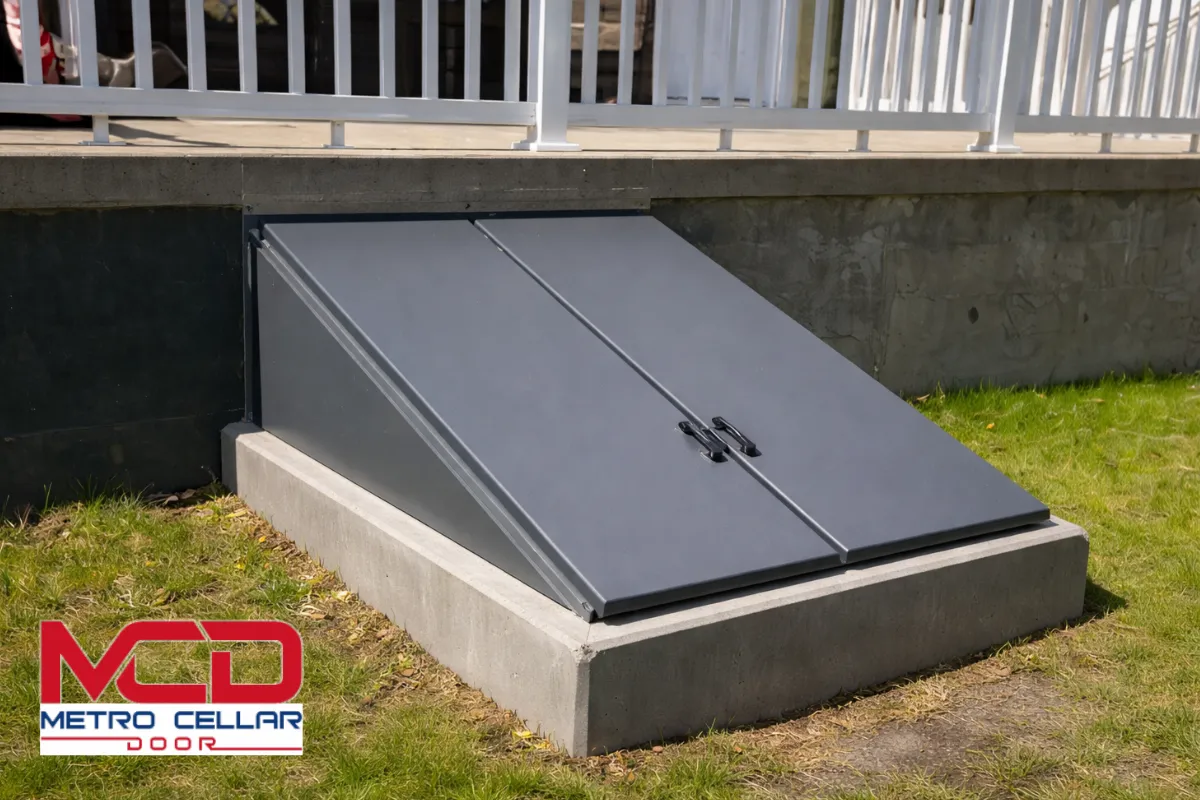
Most cellar doors can use the same alarm components as regular exterior doors, but devices must handle weather exposure, vibration, and heavy daily use. Cellar doors require knowledge of these conditions to select the right sensor. Professional technicians typically handle the installation of cellar door alarms to ensure long-term reliability.
Surface-mounted magnetic contacts are the most popular choice. Magnetic contact sensors are the most common type of alarm system for cellar doors. A sensor mounts on the frame while a magnet attaches to the door leaf. When the door opens, the circuit breaks and the alarm triggers. Heavy-duty magnetic contacts are ideal for metal bulkhead doors and steel doors because they tolerate vibration and temperature swings. Many outdoor-rated models handle temperatures from negative four degrees to one hundred twenty degrees Fahrenheit with IP66 weatherproofing and battery life approaching five years.
Recessed contacts install inside the frame and door leaf for a cleaner look. They work well on wood or metal-framed basement doors where the door and frame allow drilling for the sensor body and magnet.
Shock or vibration sensors detect forced impacts or attempted prying on metal cellar doors. These are effective on heavy steel sidewalk cellar doors where direct contact mounting might be exposed to foot traffic, salt, or debris. However, they need careful calibration in NYC neighborhoods near subway lines or busy streets to avoid false triggers.
Wireless motion sensors detect intruders after they have bypassed the door, adding a second layer of protection inside the cellar room. A combination of magnetic door contact and motion detector is a strong setup for cellar doors, covering both the entry point and the space behind it. Many homeowners connect these sensors to existing security systems, smart hubs, or stand-alone sirens with lights for exterior visibility. Different cellar doors may require different device combinations depending on location and exposure.
Wired vs. Wireless: Choosing the Right Alarm Setup for Your Basement Door
Choosing between wired and wireless alarm systems depends on your property layout, budget, and how much construction you are willing to accept. Both approaches work on cellar doors, but each has clear trade-offs.
Wired systems are typically more reliable for permanent installations and renovations. They draw continuous power from the alarm panel, eliminating battery maintenance. During a new cellar door installation or major renovation, running sensor wires through walls or conduit is straightforward and results in a clean, permanent setup.
The challenge with wired systems is drilling through masonry. Many york city houses have thick concrete or stone foundations that complicate conduit routing. Running wire under or beside stairs, through finished ceilings, or along exterior walls takes more labor and may require surface raceway to maintain fire ratings.
Wireless cellar door sensors solve many of these issues. Wireless systems are easier to install in existing buildings and avoid running cables through masonry. They offer flexibility when the alarm panel sits far from the cellar entry or when the property has a detached structure. Wireless outdoor sensors are suitable for detached houses where drilling is difficult. Extended-range models operating at 900 MHz can penetrate heavier walls more effectively.
The downsides include battery replacement, potential signal interference around thick stone or concrete foundation walls, and the need for a solid mounting surface. For many NYC properties, a combined approach works best. Use a wired contact on the main basement door near the panel and a wireless sensor on an exterior bulkhead cellar door further from the house.
Staying Compliant with NYC Codes When You Alarm a Cellar Door
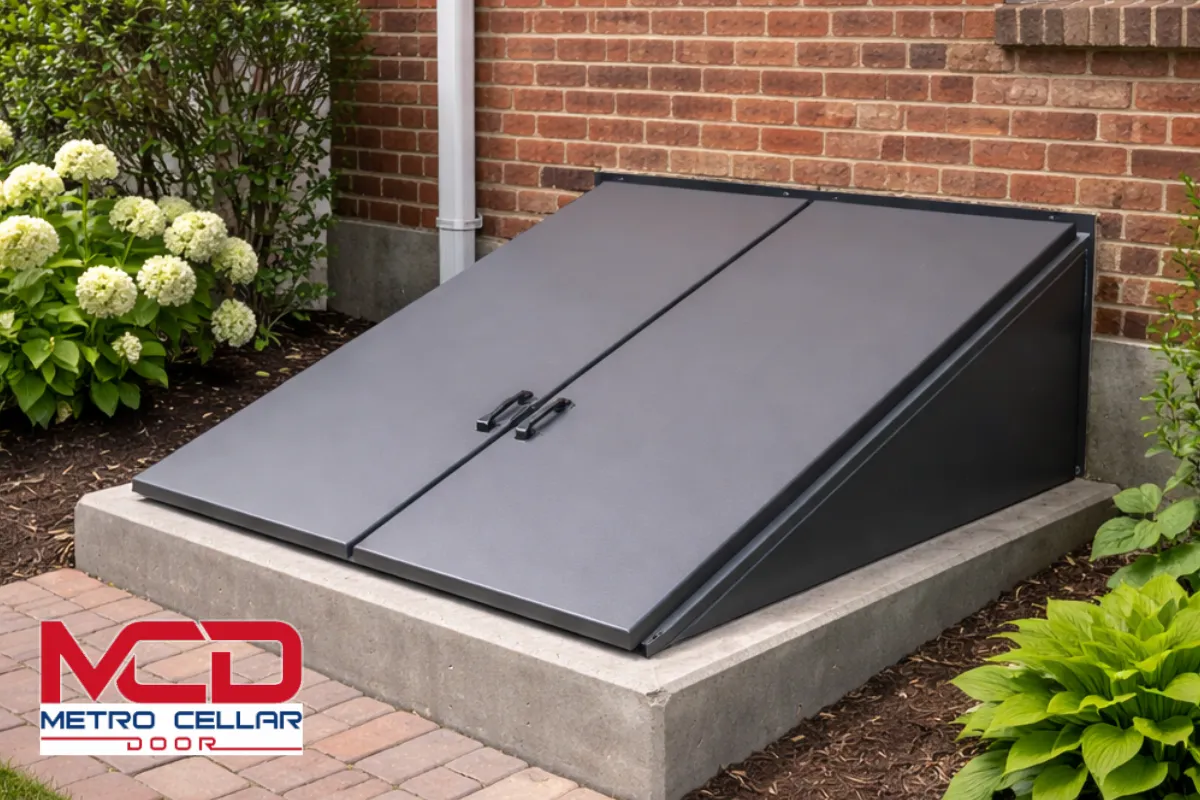
Any lock, latch, or alarm installed on cellar doors in new york must respect building, fire, and housing rules governing safe egress. This is not optional. NYC code enforcement takes obstruction of exits seriously, and violations carry fines and liability exposure.
Doors serving basements used as living space or work areas must typically open from the inside without keys, special tools, or complex actions, even when alarmed. NYC Building Code section 1010.1.9 specifies that locks and latches on egress doors be operable from the interior without a key or tool. Exit devices or panic-style hardware can trigger an alarm when opened but still allow quick emergency escape.
Adding extra padlocks, chains, or interior bars that impede emergency exit can violate the New York City Fire Code. Even a well-intentioned locking system designed to keep intruders out becomes a code violation if it traps occupants inside.
Alarm installers must be licensed by the New York State Department of State. A cellar door company handling the physical door work may coordinate with a licensed alarm professional for panel integration and monitoring setup. Installing a burglar alarm sensor on a cellar door generally does not require a building permit, but modifications to the door structure or egress path may.
Multi-unit properties, mixed-use buildings, and buildings with sidewalk doors accessible to the public may face additional safety and signage rules. If you basement is configured as an accessory dwelling unit, two means of egress are required, including at least one exterior door opening directly to a public way. Homeowners should coordinate with a qualified installer and licensed security professional familiar with NYC Department of Buildings requirements before modifying any exits.
Balancing Security, Weather Protection, and Everyday Usability
Cellar doors must handle rain, snow loads, and regular use while still supporting reliable alarm operation. Waterproofing is essential for sidewalk doors exposed to rain, and the same applies to sensors and wiring mounted on those doors.
Proper weatherstripping and thresholds keep water out of the stairway without blocking magnetic contacts or sensor travel. Mounting strategies should protect alarm components from standing water, snow, salt, and corrosion. On sidewalk cellar doors, recessing sensors slightly or using protective housings prevents damage from pedestrian traffic and snowplow debris.
Hinges and gas springs or counterbalance hardware need to close smoothly. Slamming damages sensors and loosens wiring connections over time. Angled doors covering an exterior stairwell benefit from controlled-closing hardware that reduces impact.
Alarms should not make daily life difficult. Residents, tenants, and delivery workers need clear instructions, labeled keypads, and predictable chime or delay settings. Smart alarm systems send alerts to phones and can integrate with cameras, giving owners remote control over arming and disarming.
Consider a small business using a storefront sidewalk cellar door for stock deliveries. The alarm auto-arms at closing time but allows daytime access with a simple code. This keeps the commercial basement secure after hours without disrupting workflow. Cellar doors offer this kind of flexibility when the alarm system is properly configured for the property’s routine.
When You Should Repair or Replace the Cellar Door Before Adding an Alarm
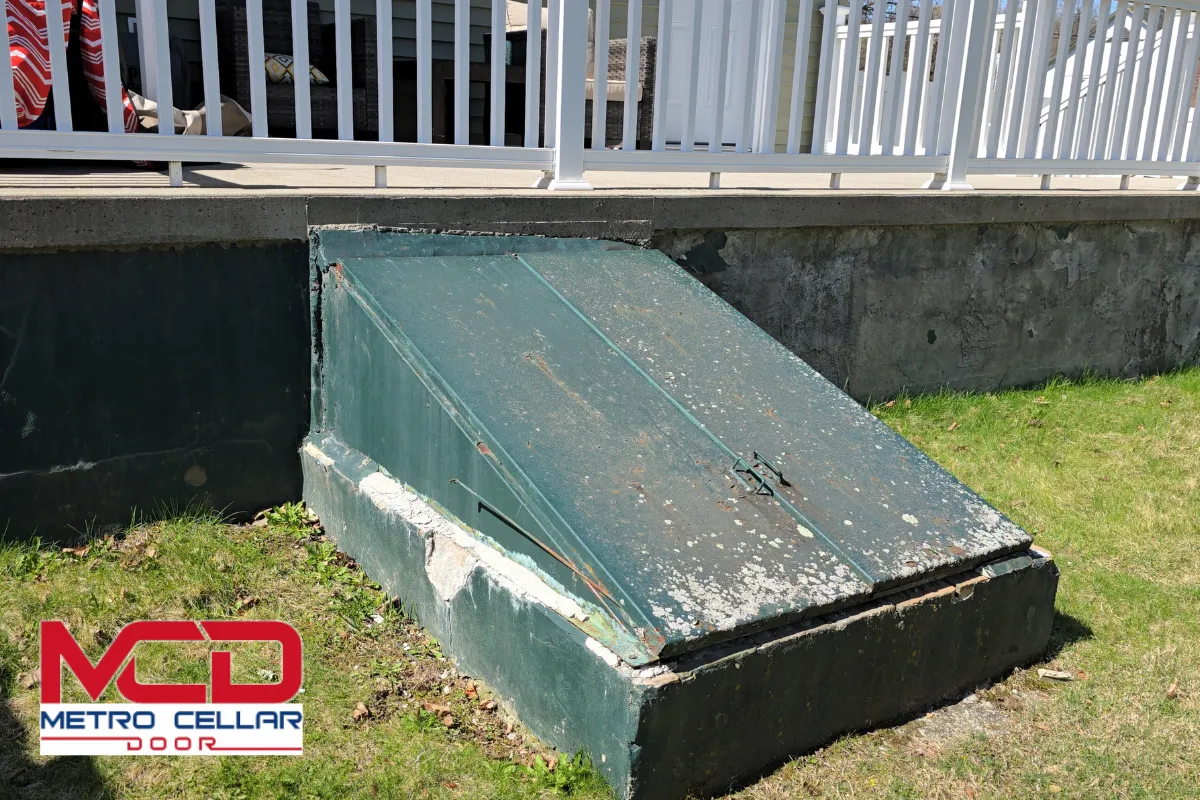
Sometimes the safest approach is to fix cellar basement doors before adding any electronic security. A sensor on a compromised door provides a false sense of protection.
Telltale signs that the door needs attention first include deep rust, holes, soft spots in the frame, rotted wood, warped door wings, and water intrusion on the stair or basement floor. A broken cellar door with gaps larger than half an inch between frame and leaf will prevent magnetic contacts from aligning properly, causing false alarms or complete failure to detect an actual break-in.
High quality cellar doors can last over twenty years with professional installation. Low quality cellar doors may need replacement every five to seven years. When you purchase cellar doors, choosing high quality doors with proper coatings pays for itself. High-quality cellar doors cost between eight hundred and fourteen hundred dollars, and they integrate more smoothly with alarm contacts and smart locks. Professional installation ensures proper welding and alignment, and professional installation ensures proper door frame and hinge alignment.
Improper installation can lead to frequent repairs and replacements. DIY installations may overlook critical safety and structural requirements. A diy door repair approach requires knowledge of welding and heavy duty power tools, and missing a structural detail can compromise both security and code compliance. Professional installers have over ten years of experience in cellar door installation, and they can determine whether basement cellar door repair, full replacement, or reinforcement of concrete stairs and frames is needed before wiring alarms.
In one common Brooklyn scenario, an old bulkhead door gets replaced with a new steel cellar door, and the installer ties the new unit into a whole-home security system in a single visit. That kind of combined project is more efficient than handling the door and alarm separately.
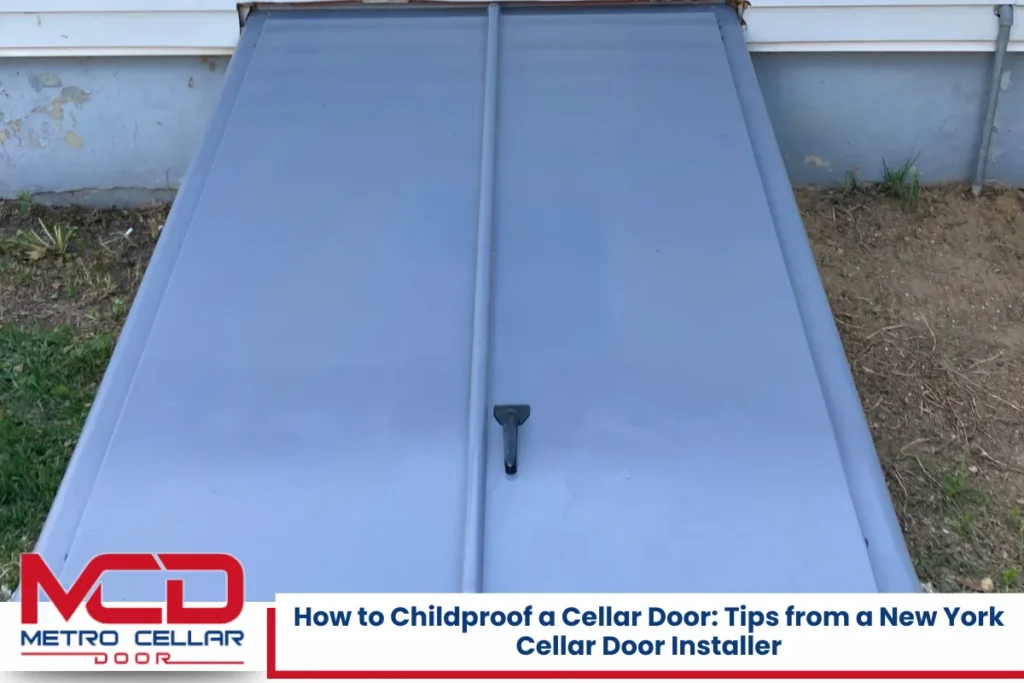
Read How to Childproof a Cellar Door: Tips from a New York Cellar Door Installer
Smart Locks, Cameras, and Other Upgrades for Cellar Door Security
Basic alarms are a strong starting point, but broader smart-home options take basement door security further. Smart deadbolts or latch devices can be added to an interior basement door at the bottom of the cellar stairs, while the exterior cellar door is monitored with contacts or sensors. This layered approach means an intruder must bypass two points of detection.
Small weather-rated security cameras mounted above bulkhead cellar doors provide visual verification when an alarm triggers. Waterproof cameras provide visual verification in high-risk areas, and many models record locally or to the cloud. Professional monitoring is often preferred in NYC for quick response when the property owner is away.
Motion-activated lighting around the cellar entrance is a simple, low-cost deterrent that also helps occupants use the stairs safely at night. Unlike iron gates or overhead door repairs, lighting requires minimal structural work and no permits.
Before planning video or smart lock additions, check Wi-Fi and power availability in basements and yards. Signal strength is often weaker below grade, and thick masonry walls can block wireless signals entirely. A nest cellar door setup with smart sensors only works when the connection to the hub is stable.
Combining smart alerts on phones with local sirens ensures that both occupants and neighbors react quickly to any forced entry at a hidden basement door. NYC regulates how long burglar alarms may sound automatically to reduce nuisance noise, so confirm your siren settings comply with local rules.
Planning and Budgeting a Cellar Door Alarm Project in New York
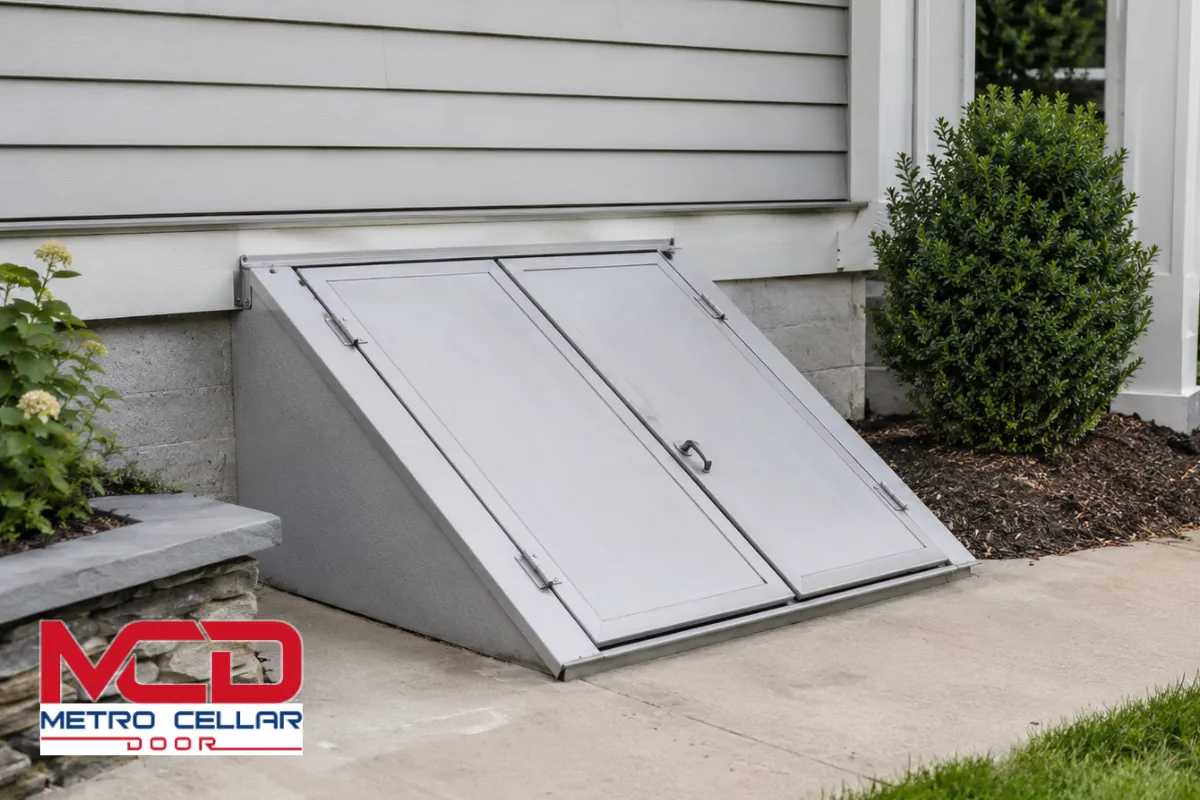
Costs vary depending on door condition, alarm type, whether you need to install basement cellar doors from scratch, and how complex the wiring run is. A clear budget prevents surprises.
The typical project follows these steps:
- On-site inspection of existing cellar doors
- Recommendations for repair, reinforcement, or new cellar door installation
- Selection of alarm hardware based on door type and property layout
- Scheduling work around weather and building occupancy
Request itemized estimates that separate door work like steel fabrication, masonry, and hardware from alarm components such as contacts, panel upgrades, and monitoring fees. A steel door welding service or custom steel cellar doors fabrication is a different line item than sensor installation.
Combining nyc cellar door installation with alarm wiring during one project often reduces labor costs and avoids reopening finished walls or concrete later. Cellar doors can last over twenty years with proper installation, so bundling everything upfront protects your investment for the long term.
Property type affects cost significantly. Flat sidewalk cellar doors are common in commercial buildings and often need more durable, tamper-resistant sensors. Bulkhead cellar doors are popular for residential basements and tend to be simpler installations. Flat cellar doors and angled doors each present different mounting challenges. Whether you need nyc cellar door repair, a full sidewalk cellar door replacement, or same day service for an emergency, the scope drives the price.
Factor in ongoing expenses: monitoring fees, smart-home subscriptions, battery replacements, and periodic basement cellar doors maintenance. Cellar door maintenance brooklyn property owners often overlook includes annual hinge lubrication and sensor testing. Day cellar door repairs for alarm-related issues are rare when the original work is done correctly. A basement cellar doors service plan with your installer can catch small problems before they escalate into cellar doors repairs that cost more.
NYC Cellar Door Installer – Metro Cellar Door Bilco Pro
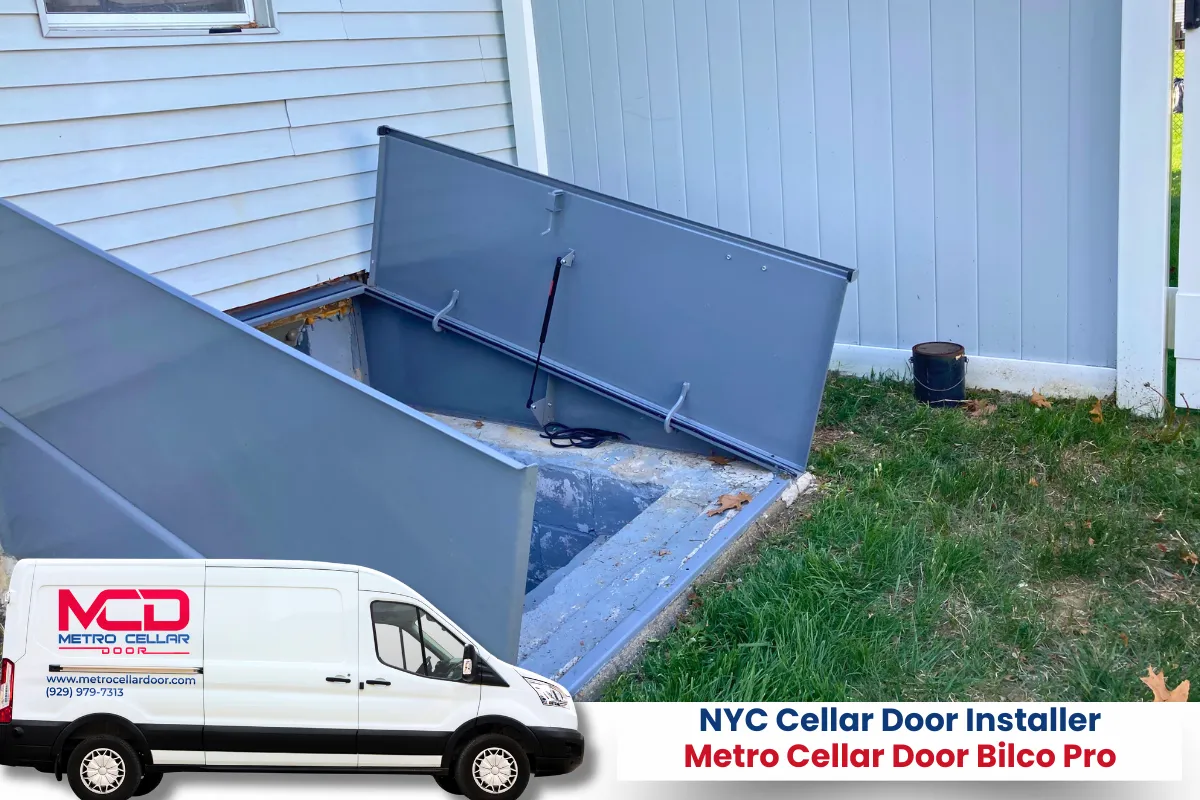
We are Metro Cellar Door Bilco Pro, and we have spent years helping nyc cellar doors customers secure their properties with reliable, code-compliant basement cellar doors. Whether you need to install new cellar doors or replace existing units for alarm integration, our team handles it all. We specialize in bilco cellar doors, custom cellar doors, commercial cellar doors, and bulkhead basement cellar doors across new york city and the surrounding areas. Our cellar door services include steel cellar fabrication, professional installation, weatherproofing, and coordination with alarm sensor placement so your security setup works from the start. As your trusted cellar door installer, we stand behind quality cellar doors and lasting results. Call us at (929) 979-7313 or fill out our contact form to schedule a free on-site estimate. We look forward to making your basement entry safe and secure.
Frequently Asked Questions
Who Is Responsible for Alarming a Shared Basement Door in a NYC Rental Property?
In most cases, the building owner or landlord bears responsibility for maintaining secure, code-compliant cellar doors in a multiple dwelling. Under NYC Housing Maintenance Code, owners must ensure that all entrance doors, including those leading to shared basements, have functioning locks and are in good repair. Tenants can request security upgrades, and if the landlord fails to address safety concerns, tenants may file complaints with HPD. However, tenants who want to add personal alarm devices to a shared basement door should get written landlord approval first, as modifications to common areas without permission could create liability issues or violate lease terms.
How Often Should You Test a Cellar Door Alarm, and What Can You Do Yourself?
Test your cellar door alarm at least once per month. Most systems have a test mode that lets you open and close the door to confirm the sensor triggers correctly. Check that your panel receives the signal, your phone gets the alert, and any siren activates. You can handle these basic tests yourself. However, if you notice the sensor failing to register, contacts not aligning, or battery warnings, call a professional. Annual professional inspections are recommended, especially after harsh winter months when freeze-thaw cycles can shift door frames and misalign magnetic contacts on steel basement doors.
Can You Retrofit an Alarm on a Cellar Door in a Landmark or Historic Building?
Yes, but you need to approach it carefully. Landmark Preservation Commission rules may restrict drilling into original masonry, cutting ironwork, or altering visible exterior surfaces. Surface-mounted wireless sensors and adhesive-backed contacts often provide a non-invasive solution. Avoid coring walls or embedding wiring in historic stone. Work with an installer familiar with landmark requirements to ensure the alarm setup does not trigger a violation. In many cases, a discreet wireless sensor on the interior side of the cellar door frame satisfies security needs without any visible exterior modification.
Are Outdoor Sirens Near Sidewalk Cellar Doors a Noise Concern in NYC?
They can be. NYC Administrative Code limits how long audible burglar alarms may sound, generally capping continuous noise at a set duration before the alarm must auto-silence. Neighbors and the NYPD can issue complaints for alarms that sound excessively. When installing a siren near a sidewalk cellar, choose a model with an automatic shutoff timer and pair it with phone alerts and professional monitoring. This ensures that the alarm gets noticed and responded to without creating an ongoing nuisance that could result in fines or strained neighbor relations.
What Is the Difference Between What a Door Contractor and a Licensed Alarm Professional Handle?
A door contractor or cellar door company manages the physical door: fabrication, hinge work, frame repair, steel door welding service, weatherproofing, and mounting sensor brackets. A licensed alarm professional handles panel programming, monitoring setup, system integration, and compliance with state licensing requirements. In new york, alarm installers must hold a license from the New York State Department of State. Some installers, like those offering comprehensive cellar door services, coordinate both sides of the project, but the alarm system programming and monitoring contract typically goes through a licensed security firm. Clarify responsibilities upfront to avoid gaps in your you basement security plan.
Disclaimer: This article provides general information about alarming cellar doors in New York City and does not constitute legal, engineering, or licensed security advice. Always consult qualified professionals and verify current NYC building, fire, and housing codes before modifying any cellar door or alarm system.
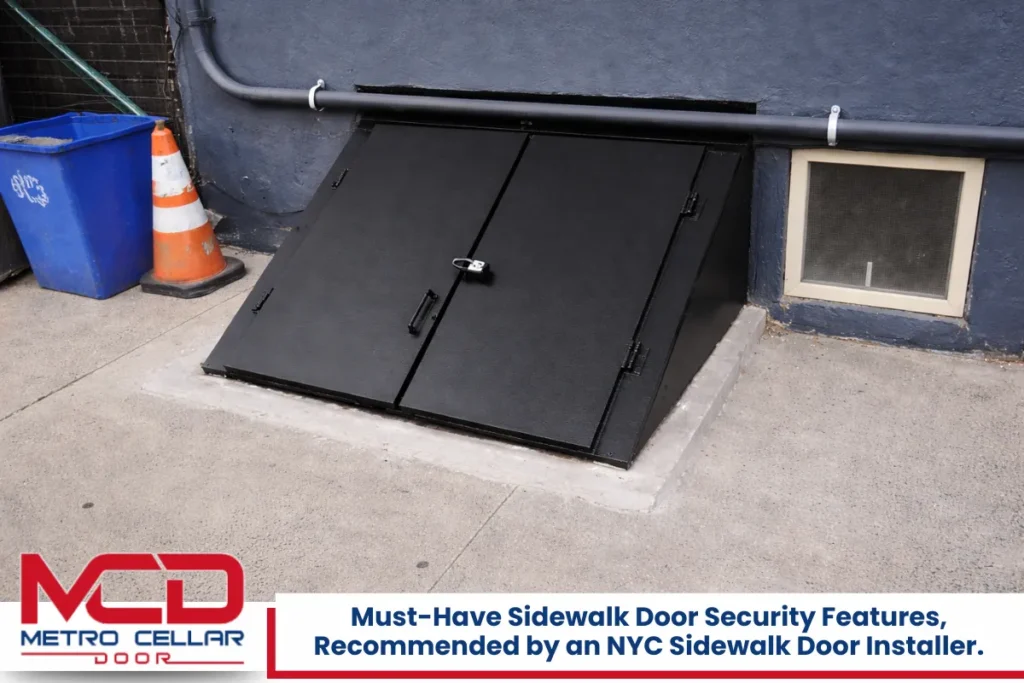
Read Must-Have Sidewalk Door Security Features, Recommended by an NYC Sidewalk Door Installer