
Stopping Leaks and Drafts at Basement Doors: The Problem We Fix Every Day
As an NYC basement door installer, one of the most common calls we respond to starts the same way: water pooling on the cellar floor after every rainstorm, rusty cellar door hinges that grind instead of swing, and a musty smell that never quite goes away. Most basement doors across New York City, from brownstone bulkheads to commercial sidewalk hatches, are either under-sealed or sealed with the wrong materials.
That matters more than you might think. Repeated freeze-thaw cycles crack old caulk. Street salt eats through cheap foam strips in a single winter. Sloped sidewalks funnel water directly into gaps that measure fractions of an inch. The result is mold behind walls, damaged inventory in storage, and higher energy bills month after month.
The fix is usually more straightforward than property owners expect. Choosing the right combination of door seals and gaskets, and installing them correctly, resolves 80 to 90 percent of water and air infiltration issues. This guide walks through the best seal types, how to match them to your specific basement doors, and when a professional installation makes more sense than a weekend project.
Key Takeaways
- Seals and gaskets are compressible materials installed around basement doors and cellar doors to block water, air drafts, dust, and pests from entering your cellar room or lower level.
- New York City weather, including freeze-thaw cycles, street salt, and heavy rain, makes proper sealing especially critical for flat sidewalk cellar doors and angled bulkheads.
- The most reliable seal materials for NYC conditions are EPDM rubber, neoprene, and silicone, each suited to different door types and exposure levels.
- This article covers specific seal and gasket types, how to match them to your door, NYC code and safety considerations, and when to call a professional basement door installer instead of attempting a diy door repair.
- Readers will also learn maintenance schedules and warning signs that indicate seals have failed or that a full door replacement is the smarter investment.
How Basement Door Seals and Gaskets Actually Work
Seals and gaskets are compressible materials, typically rubber, silicone, or foam, that close the gaps between a door leaf, its frame, and the surrounding concrete or steel structure. When a door shuts, the seal compresses to form a continuous barrier. Effective seals create a tight barrier against water intrusion and air infiltration, while also reducing dust and rodent entry.
There are three main seal locations on any basement door:
- Perimeter weatherstripping runs along the sides and top of the frame, blocking wind-driven rain on bulkhead cellar doors and cold drafts through sidewalk hatches.
- Threshold seals and door sweeps mount to the bottom edge, sitting against the sill or concrete. A door sweep and threshold gasket are critical for sealing basement entries where water collects.
- Cap pads and meeting-leaf seals compress at the points where two door panels meet, common on double-leaf cellar basement doors.
For basement steel doors in New York City, seals must tolerate heavy foot traffic, occasional snow shoveling, and de-icing salts without flattening or peeling away. EPDM rubber compression gaskets create strong compression seals that hold up under these demands.
Proper compression is the key detail most people overlook. The target is roughly 30 to 40 percent compression of the gasket thickness. Too much crush warps thin steel panels and binds latches. Too little leaves visible daylight gaps where water and cold air slip through.
Most Reliable Types of Seals for Basement Doors and Cellar Doors
Not every seal works for every situation. Here is how the most commonly used types compare when applied to basement doors and flat sidewalk cellar doors.
Adhesive-backed foam weatherstripping comes in open-cell and closed-cell varieties. It is the least expensive option and simple to apply. Open-cell foam compresses easily but absorbs water, making it a poor choice for exterior cellar doors. Closed-cell foam tape is a budget repair option for minor leaks on interior basement doors, but even closed-cell foam rarely lasts more than one to three years in exposed sidewalk or weather-facing positions.
EPDM rubber bulb seals and tube gaskets are the workhorse of basement door weatherproofing. EPDM functions reliably from negative 40 degrees Fahrenheit to around 300 degrees, handles UV and ozone exposure well, and resists compression set far better than foam. Durable installations typically include EPDM gaskets and exterior sealants for a combined defense against water and drafts. These seals are standard on bilco cellar doors and replacement kits for many types of cellar doors.
Neoprene and silicone seals step in where EPDM reaches its limits. Neoprene handles grease and moderate chemical exposure, useful around commercial cellar doors near restaurants or loading areas. Silicone rubber seals remain flexible and do not harden easily, even in extreme temperatures or around steam piping. However, silicone costs roughly twice as much per linear foot and is less forgiving under heavy mechanical abrasion.
Brush seals and sweep seals are mounted to the bottom of the door. Aluminum brush sweeps are effective for uneven concrete surfaces, conforming to gaps that rigid strips cannot cover. They work well for blocking debris and light drafts but are not ideal for standing water conditions. Heavy-duty metal weatherstripping withstands damp environments better and is preferred when ponding is an issue.
For standing water exposure on flat cellar doors, TPE or rubber compression seals prevent water under heavy rain far more reliably than foam or brush alternatives. High-quality weather-resistant materials are recommended for any durable basement door seal facing the street.
Best Gaskets for Bilco-Style Basement Doors and Bulkhead Entries
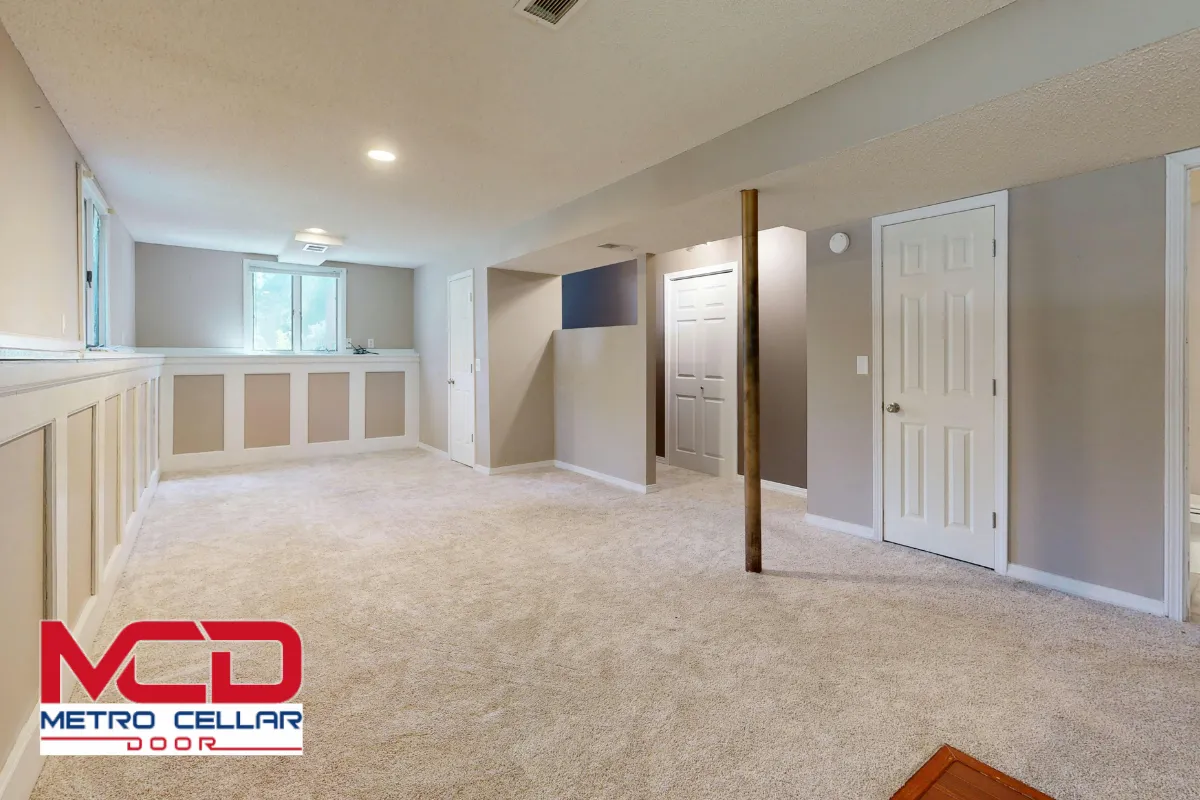
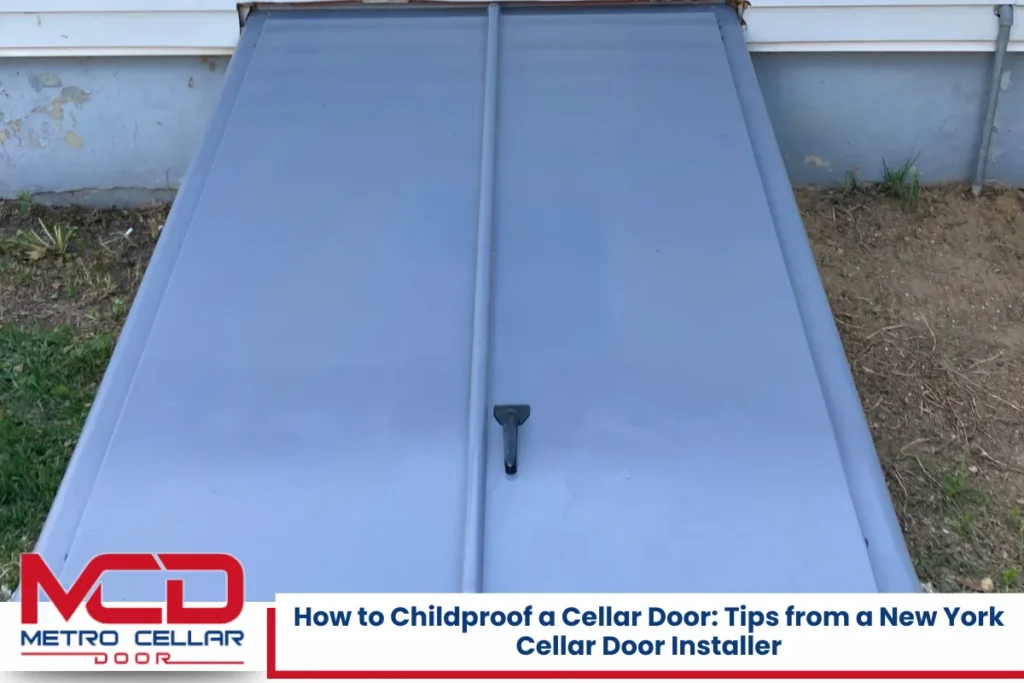
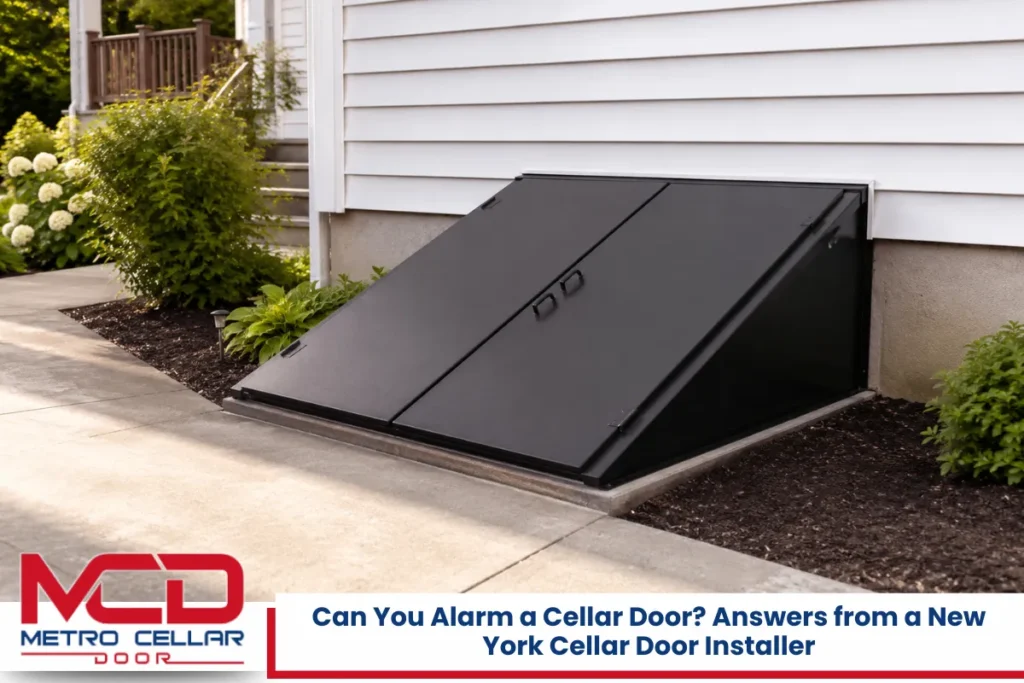
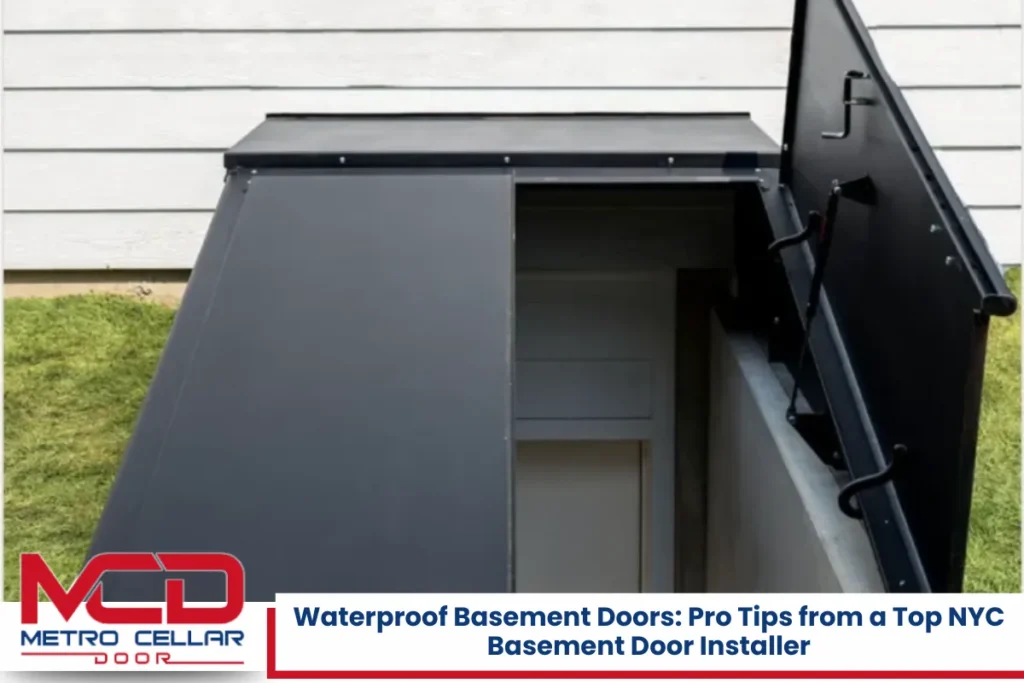
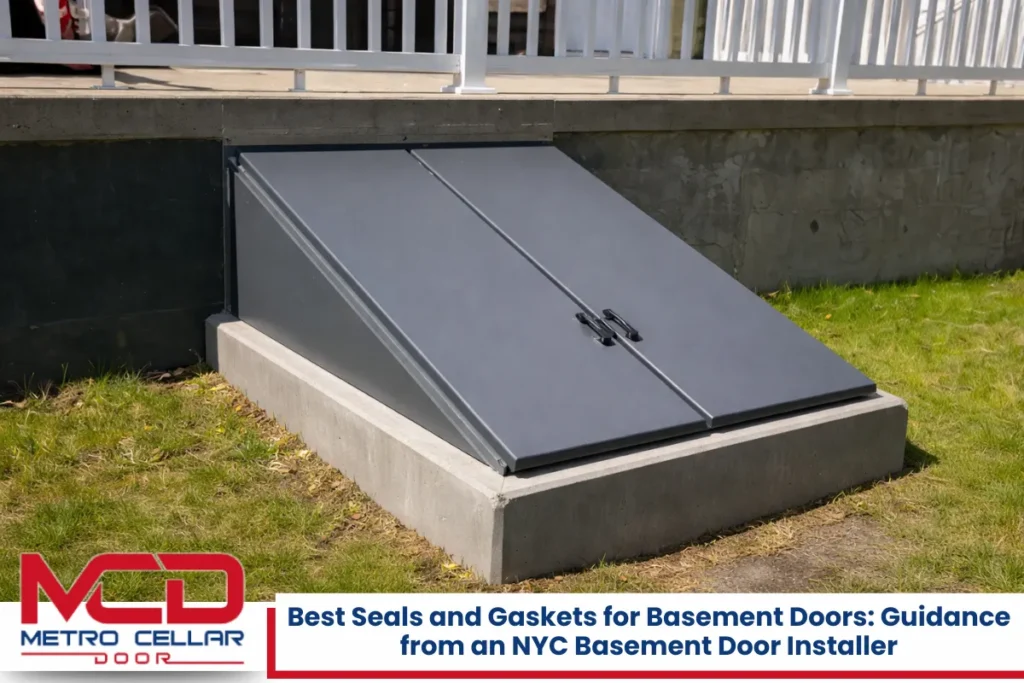
Bilco cellar doors and similar steel bulkhead doors are found on thousands of residential brownstones and mixed-use buildings across New York City. Bulkhead basement cellar doors cover exterior stairwells, providing access to the basement from outside the building. Over time, the original factory gaskets on these doors wear down, leading to leaks at the frame perimeter and along the meeting seam between the two leaves.
The typical factory gasket system on a bilco cellar door installation includes three components:
- A continuous bulb gasket seated in a channel around the frame perimeter
- A U-shaped gasket along the header where the lid meets the frame
- Cap seal pads or bumper pads at the meeting edges where the two door leaves close together
OEM-style replacement gasket kits that replicate these three elements outperform makeshift foam strips in long-term watertightness. Silicone bulb gaskets are highly recommended for their durability and flexibility, particularly in areas with extreme temperature swings.
Proper surface preparation is crucial for sealing and waterproofing. Before installing new gaskets, remove all old adhesive, rust, and scale from the channel surfaces. Start fitting the gasket at the hinge side to ensure correct compression, and avoid stretching the material during application, as stretched gaskets pull back over time and leave gaps at the corners.
Some generic replacement kits fit standard door profiles but not custom-welded new york cellar door frames. In those cases, field-measured custom gaskets are necessary. Professional installation ensures proper balance and alignment of cellar doors after new gaskets change the compression dynamics, especially when latch and hinge tension need adjustment.
Weatherstripping for Flat Sidewalk Cellar Doors in New York City
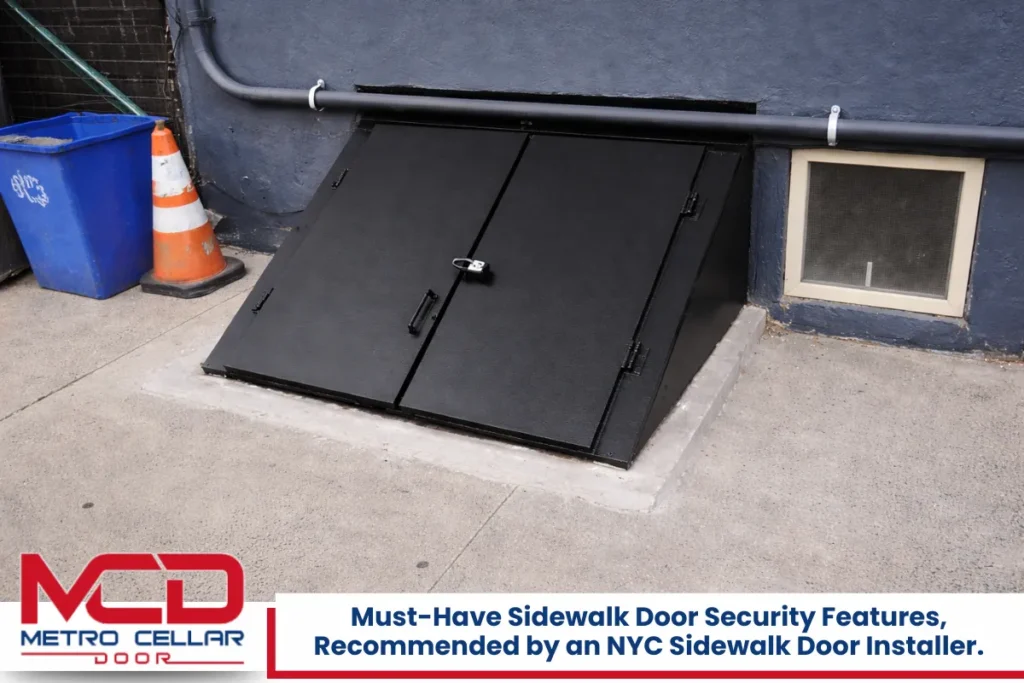
Flat sidewalk cellar doors are common in commercial buildings and mixed-use properties throughout New York City. These steel or iron hatch covers sit flush with the pavement, enduring constant foot traffic, vehicle vibration, snow plowing, and salt application. Sidewalk cellar door installation on these openings demands seals that perform under pressure without creating a trip hazard.
Common constructions include steel diamond-plate lids on angle-iron frames, concrete curb openings, and masonry thresholds. Each requires a slightly different seal profile. Heavy-duty EPDM or neoprene compression gaskets set in steel retainer channels around the frame are the standard approach, allowing the door to sit flush yet seal tightly during storms.
Low-profile threshold seals are essential. NYC sidewalk safety standards require cellar doors to remain within half an inch of the sidewalk surface, and any hardware protruding beyond that can result in a violation. Aluminum door shoes with vinyl or rubber inserts provide a durable barrier that keeps the profile tight. Waterproofing under the threshold can also stop water from wicking upward through porous concrete.
Even with quality seals, sidewalk hatches should have weep holes or interior drains so trapped water does not sit against the door edge and accelerate corrosion. After winters with heavy salting and plowing, quarterly inspections for torn or flattened seals are strongly recommended, especially on busy corridors where day cellar door repairs can prevent costly water damage.
Choosing the Right Seal or Gasket for Your Basement Entry
The best seal depends on your door type, opening style, exposure conditions, and building use. A horizontal sidewalk hatch faces different challenges than an in-swing interior basement door between heated and unheated spaces.
Here is what a professional cellar door installer evaluates before recommending a seal:
- Door and frame material: cellar doors can be made from steel, aluminum, or stainless steel, and each bonds differently with gasket adhesives and retainer channels
- Age and condition of the existing cellar door and frame
- Water source: rain, groundwater seepage, snow melt, or street runoff
- Existing hardware, including the cellar door lock and latch alignment
For an interior basement door separating a heated space from a cold cellar, foam or magnetic weatherstripping may be sufficient. For a new york cellar door exposed to sidewalk weather, reinforced EPDM or silicone with mechanical retention is the better investment. Using professional-grade sealants ensures a waterproof barrier on exposed frame perimeters, and high-quality polyurethane sealants are long-lasting for those joints.
Temperature range, UV exposure, and chemical exposure from de-icer salts, oils, and cleaning products all shorten the life of cheaper seals. If budget is tight, prioritize the primary leak points first, typically the hinge side and the meeting stile, before upgrading every seal on a multi-panel door.
Before you purchase cellar doors seal kits, take clear photos and measurements of the door and frame. Or send them to a cellar door experts team for guidance on the right profile and material match.
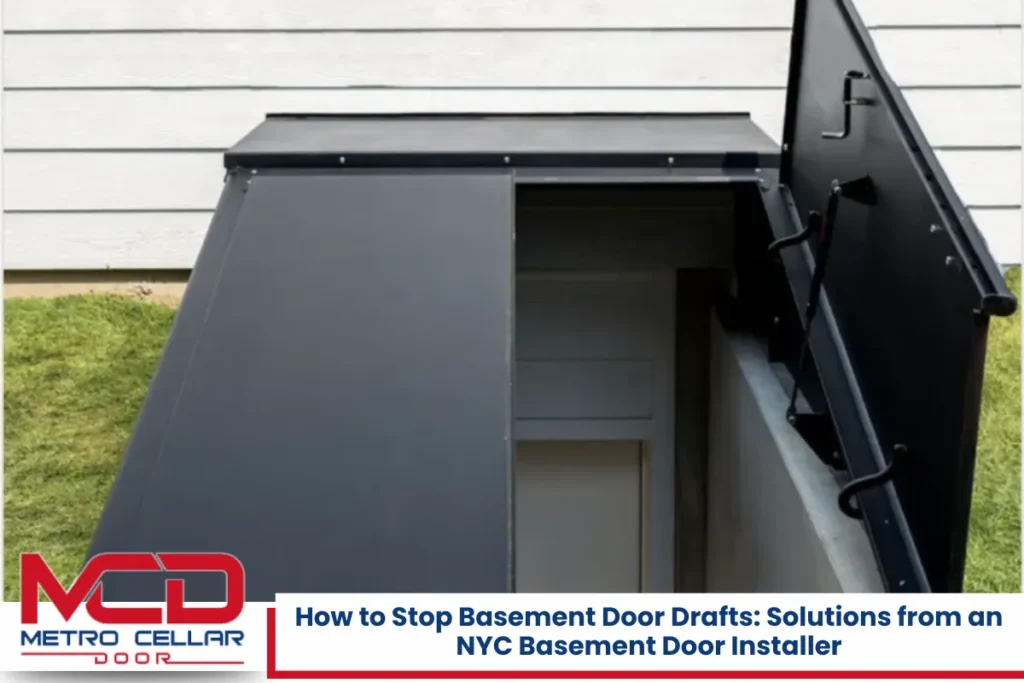
Read How to Stop Basement Door Drafts: Solutions from an NYC Basement Door Installer
NYC Code, Safety, and Liability Issues Around Sealing Basement Doors
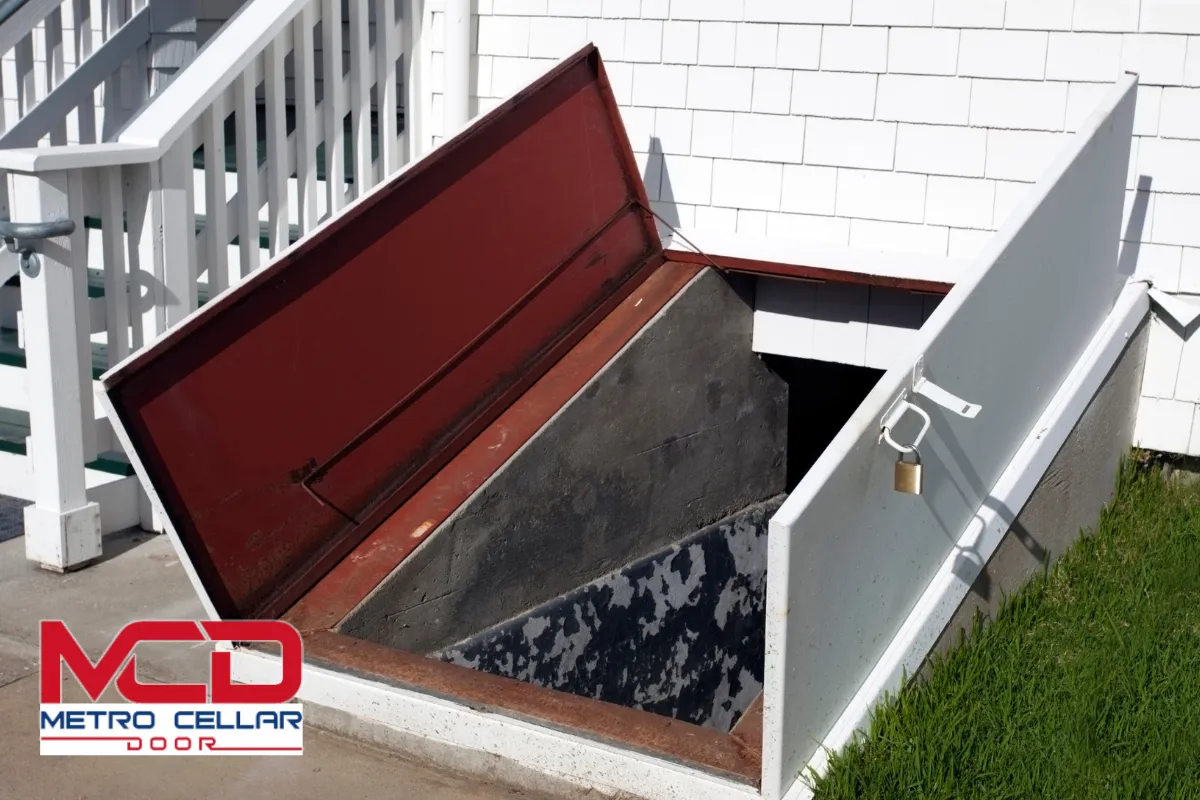
Better sealing is always good, but New York City building and fire codes place real limits on what you can modify on certain basement entries, especially egress doors and sidewalk hatches used for deliveries.
Key rules to keep in mind:
- Doors serving as a required means of egress must remain operable without special tools or keys. Under the NYC Existing Building Code, bulkhead doors and scuttle hatches must open from inside using bolts or hooks, not keyed locks. Seals and gaskets cannot cause binding or require excessive force to open.
- Sidewalk cellar doors must not deflect more than one inch under foot and must remain flush with the pavement. Cellar doors provide secure access to basements, but overly built or loose seals that hold the door proud of the sidewalk create trip hazards and potential liability under the NYC Administrative Code.
- Weatherstripping cannot interfere with smoke or fire door ratings. Fire-rated assemblies require specific listed gasketing to maintain their rating, and substituting unlisted materials voids that certification.
Steel cellar doors are difficult to break without power tools, which is partly why they are favored for security. But modifications like welding new gasket channels or grinding frames to accept different profiles should only be done by a qualified installer familiar with york city cellar door regulations, especially in multifamily or commercial properties.
Ignoring chronic water intrusion around a broken cellar door or rotted frame can lead to violations and insurance complications after an incident.
DIY Basement Door Weatherstripping vs. Professional Installation
Some seal replacements are reasonable weekend projects. Others are not. Here is where the line falls.
What a homeowner can handle:
- Clean the frame surfaces and remove old adhesive or debris
- Dry-fit the new gasket or weatherstrip before cutting
- Apply adhesive-backed seals on interior basement doors
- Replace cap pads on accessible bulkhead contacts
- Test closing force to confirm the door latches without excessive pressure
Where professional help is necessary:
- Welded steel cellar doors with misaligned frames or sagging panels. Installing cellar doors and their gasket systems requires knowledge of welding and power tools, and a steel door welding service may be needed.
- Sidewalk hatches that must remain code-compliant and flush. DIY installation of cellar doors or their seals is risky without proper knowledge of load ratings and clearance rules.
- Fire-rated assemblies where the replacement gasket must be listed for the specific door rating.
Professional installers bring heavy duty power tools, seal-channel punches, riveters, and the training to work safely in confined basement entryways and busy sidewalks. Manufacturer warranties on some cellar doors and hardware may require professional installation of replacement gaskets to remain valid.
A practical hybrid approach works for many property owners: handle basic cellar door maintenance and visual inspections yourself, but schedule a professional review for exterior cellar steel doors every few years.
Extending the Life of Your Basement Door Seals in New York Conditions
New York City’s climate, from humid summers to freezing winters and year-round urban pollution, shortens the life of poorly maintained seals and gaskets. A few simple habits make a significant difference.
Seasonal maintenance checklist:
- Wipe seals quarterly with a mild soap-and-water solution and a nylon brush. Avoid harsh solvents or wire brushes directly on rubber or silicone, as they strip protective compounds and cause premature cracking.
- Clear debris from threshold channels and drain points before fall rains and spring thaws.
- Cellar doors should be checked for broken or loose parts yearly. Annual checks can prevent costly emergency repairs that are far more expensive than routine upkeep.
- Lubricating hinges protects cellar doors from weather damage and keeps the door closing evenly against the gasket.
Warning signs that seals are failing:
- Visible light around the door edges when closed
- Whistling or drafting sounds during wind
- Damp spots near frame corners or rust trails below the seal line
- Musty odors near the basement entry
High-quality cellar doors can last over 20 years with maintenance, but ignoring minor issues can lead to major problems, including rusted steel door skins, rotted thresholds, or mold-damaged basement finishes. Replacing worn seals promptly is always cheaper than the downstream damage they prevent.
When a New Basement or Cellar Door Is Better Than New Seals
No seal or gasket can compensate for a door that is severely warped, rusted through, or structurally unsafe. Many older doors in new york have reached that point.
Structural red flags that signal replacement:
- Door panels flex noticeably underfoot or when pushed
- Visible holes or perforations in the steel skin
- Frame separating from surrounding masonry
- A broken cellar door hinge that cannot hold the leaf, or sagging that prevents full closure even after adjustment
- Inability to seal the cellar door completely despite multiple gasket attempts
When water pathways run through cracked concrete around the frame, the better fix is often reframing the opening and installing a new cellar door with integrated channels and factory gaskets. Cellar doors can last 15 to 20 years with proper installation, and high quality cellar doors built from heavy-gauge steel can exceed 20 years. By contrast, low quality cellar doors typically need replacement every five to seven years.
High-quality steel cellar doors can cost between 700 and 1,400 dollars, while the full range for cellar doors costs between 400 and 1,400 dollars depending on material and style. Cellar doors can be made from various materials and styles, including custom design cellar doors tailored to specific openings. Investing in high quality doors saves money over time compared to repeatedly patching a failing one. Cellar doors require professional installation due to complexity, including fitting, welding, and aligning all hardware.
A professional inspection should include measuring for deflection, checking weld integrity, and evaluating whether a cellar door repair, retrofit sealing, or a full new cellar door installation offers the best long-term value. Do not keep layering foam and caulk onto an obviously failing door, as this can hide hazards and delay work that protects your building and the people using it.
Protecting Your NYC Basement Entry for the Long Term
The right seals and gaskets, installed correctly, transform a leaky, drafty basement door into a dry and efficient entry that performs reliably for years. The core principles are straightforward: match the gasket type to your door style and exposure, follow New York City safety and code considerations, inspect seals on a regular schedule, and recognize when a full door replacement is the smarter long-term investment.
Partnering with an experienced cellar door company that understands NYC conditions means safer, drier basements and fewer surprises during storms and freeze-thaw cycles. Whether you need to fix cellar basement doors, explore cellar door services for a commercial property, or simply want a professional opinion on your existing setup, getting expert guidance before the best cellar door company for your needs can make all the difference.
Do not wait for the next heavy rain or winter season to find out your seals have failed. Schedule an assessment of your cellar door, sidewalk hatch, or basement entry now, and take control of the problem before it grows.
NYC Basement Door Installer – Metro Cellar Door Bilco Pro
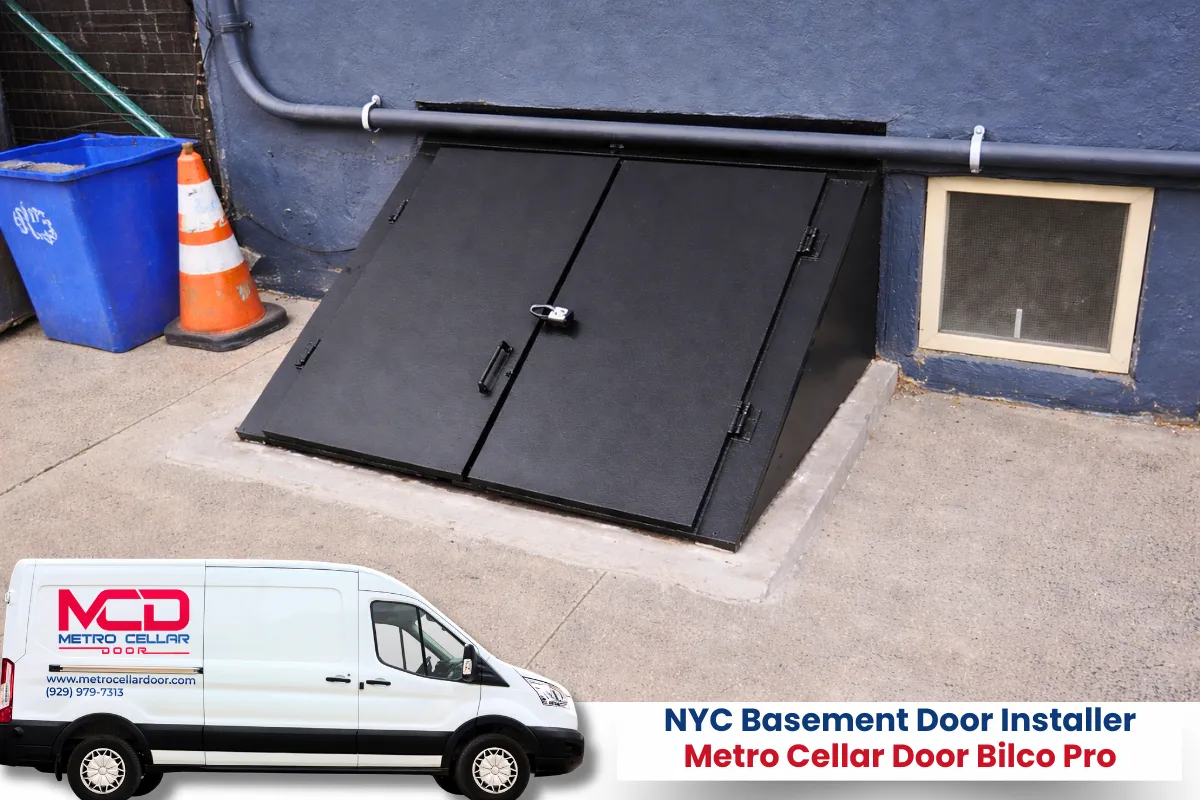
At Metro Cellar Door Bilco Pro, we specialize in every aspect of cellar door installation services across New York City and the surrounding areas. Whether you need to install basement cellar doors or full replacement, our team handles it with the precision and code awareness that NYC buildings demand.
We work with all types of cellar doors, including basement steel doors, flat sidewalk cellar doors, bilco cellar doors, aluminum cellar door installation projects, and automatic bilco cellar door systems. As a trusted basement door installer, we deliver fast response times and same day service when schedules allow.
Call us at (929) 979-7313 or fill out our contact form on our website to schedule an on-site evaluation of your basement entry and sealing options. Metro Cellar Door Bilco Pro is the right cellar door company to keep your property dry, safe, and up to code.
Frequently Asked Questions
How Often Should I Replace Basement Door Gaskets in NYC?
Replacement frequency depends heavily on material quality and exposure. EPDM bulb gaskets on a well-maintained bulkhead typically last 8 to 15 years before significant leakage develops. Neoprene seals exposed to direct sunlight may degrade faster, often within 5 to 10 years. Foam weatherstripping in an exterior position rarely survives more than one to three winters before the adhesive fails or the material compresses permanently. For sidewalk cellar doors that see heavy foot traffic, plowing, and salt, inspect seals every quarter and plan on replacing them sooner than on sheltered angled bulkheads. Scheduling basic cellar door maintenance annually helps you catch wear before it becomes an emergency repair situation that disrupts your day.
Can Better Basement Door Seals Reduce My Heating Bills?
Yes, measurably. A poorly sealed basement door acts as a continuous air leak, allowing heated air to escape in winter and humid air to infiltrate in summer. Effective perimeter gaskets and a quality threshold seal can significantly reduce this exchange. While exact savings depend on your building envelope and heating system, sealing a drafty basement entry is one of the most cost-effective weatherization steps a property owner can take. The improvement is especially noticeable on older doors in new york buildings where gaps may be a quarter inch or more around the frame. Cellar doors offer improved energy performance when properly sealed with the right materials.
What Is the Difference Between Magnetic and Compression Seals on Steel Doors?
Magnetic seals use a magnetized strip embedded in a flexible gasket that pulls the seal tightly against the steel door or frame when closed, similar to a refrigerator door. They create an excellent air seal and are quiet, but they require a ferrous metal surface and are typically used on interior or residential-grade doors. Compression seals, by contrast, rely on physical contact and deformation of a rubber or silicone bulb to fill the gap. Compression seals are more common on exterior cellar steel doors and sidewalk hatches because they handle heavier loads, wider gap tolerances, and rougher conditions. Automatic door bottoms lower a seal automatically as the door closes, combining both approaches for a good and strong door seal at the threshold.
Are There Pest-Resistant Seals for Cellar Doors?
Rodent and insect infiltration is a real concern for any cellar door in new york city. Standard foam strips offer almost no resistance, as mice can chew through open-cell foam in minutes. Solid EPDM or neoprene bulb gaskets are far more effective because their density and resilience make them difficult to gnaw through. Brush seals can deter insects but do not reliably block determined rodents. For properties in areas with persistent pest pressure, stainless steel retainer channels combined with dense rubber compression gaskets provide the strongest barrier. Keeping the seal intact and the door closing tightly against the frame is the single most effective step for pest prevention around any cellar room or basement.
How Do I Know If My Sidewalk Cellar Door Is Safe to Walk on After Sealing?
After installing new seals, close the door and check that it sits flush with the surrounding sidewalk. Under NYC DOT guidelines, the door surface should be within half an inch of the adjacent pavement, and it must not deflect more than one inch when someone walks on it. Press down firmly at each corner and the center. If you feel bounce, flex, or hear rattling, the cellar door balance or hinge alignment may need attention beyond just the seals. Check that no gasket material, hardware, or cellar door lock mechanism protrudes above the surface. If the nest cellar door panel sits unevenly or you are unsure about structural safety, have a cellar door installer evaluate it before resuming normal traffic. A door that has had overhead door repairs or gate repair work nearby may have shifted, so always recheck after any adjacent construction. Properties that also maintain overhead garage doors or rolling gates along the same frontage should inspect cellar hatches whenever that neighboring work is performed, since vibration can loosen seals and shift frames.
Disclaimer
This article provides general guidance on basement door seals and gaskets in New York City. It does not replace project-specific professional assessments or legal advice. Building codes, site conditions, and material requirements vary by property.
Read NYC Basement Door Installer: Your Guide to Custom-Sized Entryway Solutions