

Choosing the right bulkhead door installer in New York City is crucial for homeowners seeking safe, weatherproof access to their basements. With strict building codes, limited space, and sudden weather changes, NYC properties require expert installation to prevent water intrusion, enhance security, and safeguard long-term home value. A qualified installer ensures the work meets code, performs reliably, and avoids costly issues in the long run.
In this article, we’ll walk through the key questions homeowners should ask before moving forward with a bulkhead door installation. These questions will help you evaluate potential contractors, understand the process, and ensure your investment is both practical and compliant.
Understanding the Role of a Bulkhead Door

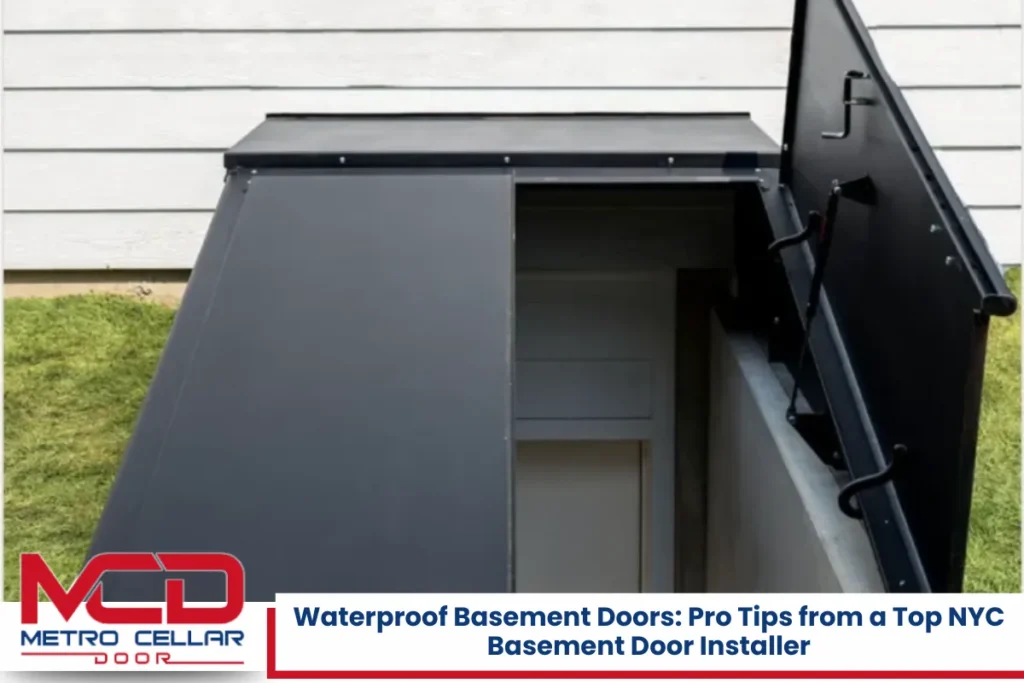
A bulkhead door is a specially designed exterior entry that provides direct access to a basement or cellar from the outside of a building. In New York City, where basements are used for storage, utilities, and even living spaces, these doors are crucial. A properly installed bulkhead door serves several key purposes:
- Prevents water from seeping into the basement
- Provides a secure barrier against unauthorized access
- Offers an alternative escape route during emergencies
- Improves access for maintenance or moving large items
These doors must be tough enough to withstand NYC’s heavy rains, snowfall, and varying temperatures, which is why choosing a qualified bulkhead door installer is so important.
Are You Licensed and Insured in New York City?
Before any work begins, homeowners should confirm that the installer is fully licensed to operate in New York City. This ensures the contractor understands city-specific building codes, safety requirements, and permitting processes.
Having insurance is equally vital. Liability insurance protects you from unexpected accidents or damage to your property during the installation. Ask to see documentation and don’t settle for verbal assurances.
How Many Years Have You Been Installing Bulkhead Doors in NYC?
Experience speaks volumes—especially in a complex city like New York. The variety of building types across the five boroughs requires installers to be adaptable. Row houses in Brooklyn, brownstones in Harlem, and newer buildings in Staten Island all pose different challenges.
Installers who’ve worked in NYC for many years know how to deal with older masonry, narrow side yards, and tight construction schedules. Ask about their background, how many similar projects they’ve completed, and if they’ve worked in your neighborhood before.
What Kind of Bulkhead Doors Do You Offer?

Not all bulkhead doors are created equal. Depending on the structure of your home and the type of basement access, you may need a specific type of door. A quality installer should offer multiple options and help you choose based on function, durability, and fit.
Common types include:
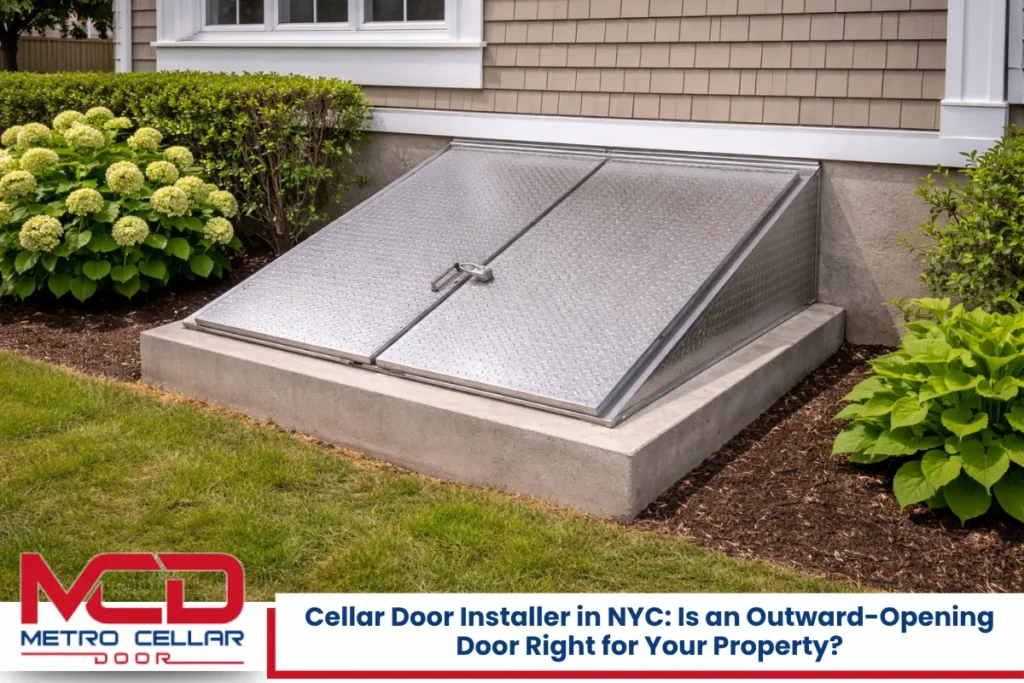
- Sloped steel doors: These traditional doors are angled, directing rain and snow away from the home.
- Flat cellar doors: These lie flush with the ground, often used when there’s limited vertical clearance.
- Double-door models: Useful for wider entryways or commercial spaces.
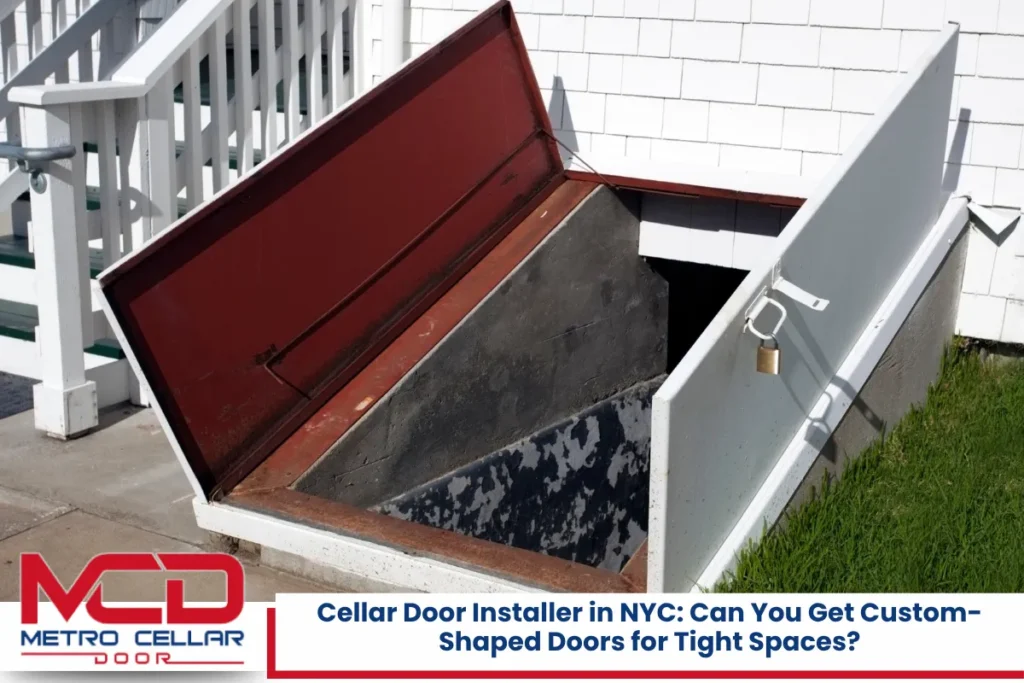
- Custom-fabricated doors: Tailored to fit unique sizes or aesthetic preferences.
Knowing your options will help you find a solution that blends with your home’s architecture while delivering the performance you need.
What Materials Do You Recommend for Bulkhead Doors?
Material selection affects everything from durability to maintenance. In New York City, where the weather can be unforgiving, material choice should prioritize strength, rust resistance, and water protection.
Popular materials include:
- Galvanized steel: Known for its strength and long lifespan. Often powder-coated for rust resistance.
- Aluminum: Lighter and naturally rust-resistant, though not as strong as steel.
- Composite or polyethylene: Low-maintenance and often resistant to both weather and corrosion.
Your installer should explain the pros and cons of each based on your location, house type, and how the basement is used.
Can You Handle NYC Building Permits and Code Compliance?

New York City has strict building codes and regulations, even for something as seemingly simple as a door. Bulkhead doors may require permits, especially if they alter access points, involve excavation, or change structural components.
Reputable installers should be familiar with local codes and willing to take on the responsibility of obtaining the necessary permits. This not only ensures your installation is legal but also helps avoid costly delays or fines.
Do You Offer Custom Fabrication and Measurement Services?
Many homes in New York City don’t follow standard dimensions. A good bulkhead door installer should offer site-specific measurements and custom fabrication options.
Custom-fitted doors offer improved sealing, enhanced security, and a more professional appearance. Installers should take precise measurements, discuss door height and width, and ensure proper framing for the best fit.
What Does Your Installation Estimate Include?
Before agreeing to anything, request a clear, itemized estimate. Vague or overly simplified quotes can hide surprise charges later on.
A solid estimate should include:
- Labor costs
- Materials and finishes
- Door hardware
- Site preparation and debris removal
- Permits and inspections
- Optional waterproofing or coatings
Avoid contractors who only give verbal estimates or hesitate to provide details in writing.
How Long Will Installation Take?

Understanding the timeline helps you plan around disruptions. A typical bulkhead door installation in NYC might take anywhere from one to three days, depending on complexity, weather, and unforeseen conditions.
Ask the installer to outline the schedule, including any potential delays related to weather, permits, or custom orders. Knowing this up front helps manage expectations and avoid frustration.
Do You Provide a Warranty for Materials and Workmanship?
Reputable installers stand behind their work. A warranty offers peace of mind and protection for your investment.
Look for coverage that includes:
- The door and frame material
- Coatings or finishes
- Seals and weatherproofing
- Labor or installation errors
The best installers offer multi-year warranties and are willing to explain what is covered and what is not.
Can You Show Examples of Previous Work in NYC?
A trustworthy installer should be able to provide before-and-after photos, project portfolios, or client references from previous jobs in New York City. This helps you evaluate the quality of their work and how they handle diverse challenges.
Check online reviews or ask for a client you can contact directly. Seeing real feedback adds confidence to your decision.
What Happens After Installation?
Good service doesn’t stop once the door is in place. Ask if the installer offers post-installation support. This could include:
- Instructions on maintenance
- Waterproofing inspections
- Tips to extend the door’s lifespan
- Follow-up visits for adjustments
Having a reliable point of contact can be invaluable if you experience any issues or need future upgrades.
Important Red Flags to Watch Out For
Knowing what to avoid is just as important as knowing what to look for. Be cautious of:
- Contractors who avoid written agreements
- Companies that request full payment up front
- Installers who don’t offer custom options
- Unusually low bids that seem too good to be true
Choosing the wrong installer may lead to future leaks, poor alignment, or costly replacements.
How Bulkhead Door Installation Adds Value to Your NYC Home

In a city with high real estate values, every improvement can have a positive return. A well-installed bulkhead door:
- Makes your basement more functional
- Increases safety and convenience
- Boosts curb appeal with custom designs
- Prevents water damage and future repair costs
These benefits make the project worthwhile, especially when handled by a professional installer who understands the unique demands of New York homes.
Smart Tips for Homeowners Planning an Installation
Here are a few final suggestions before getting started:
- Take photos of your existing door and entry for the consultation.
- Schedule your installation during mild weather seasons to avoid weather delays.
- Set aside a small budget for unexpected repairs, like rotted framing or masonry.
- Ensure someone is home during installation in case on-site decisions need to be made.
Preparation ensures a smoother, faster, and more successful project from start to finish.
What to Keep in Mind Before Choosing an Installer
Homeowners should approach this installation like any other major home improvement—by conducting thorough research, asking detailed questions, and selecting a contractor with local expertise and experience.
Don’t rush into a decision. Take the time to meet with a few different contractors, compare their responses, and verify their credentials. A few extra days of planning can prevent months of headaches later on.
New York City Bulkhead Door Installer – Metro Cellar Door Bilco Pro

Looking for a reliable bulkhead door installer? Metro Cellar Door Bilco Pro is your trusted choice for strong, custom cellar doors, fire-rated doors, and more, serving homes and businesses across NYC.
With years of experience, we build and install doors that last, tough enough for New York weather and daily use. From Bilco doors to sidewalk cellar doors, we do it all, fast and affordably.
We cover all five boroughs, as well as Long Island, Westchester, and northern New Jersey. Get a free estimate, custom work, and the lowest prices—guaranteed.
Call (929) 979-7313 today for your free consultation!
Frequently Asked Questions About Bulkhead Door Installations in New York City
1. How do I know if my home needs a bulkhead door replacement?
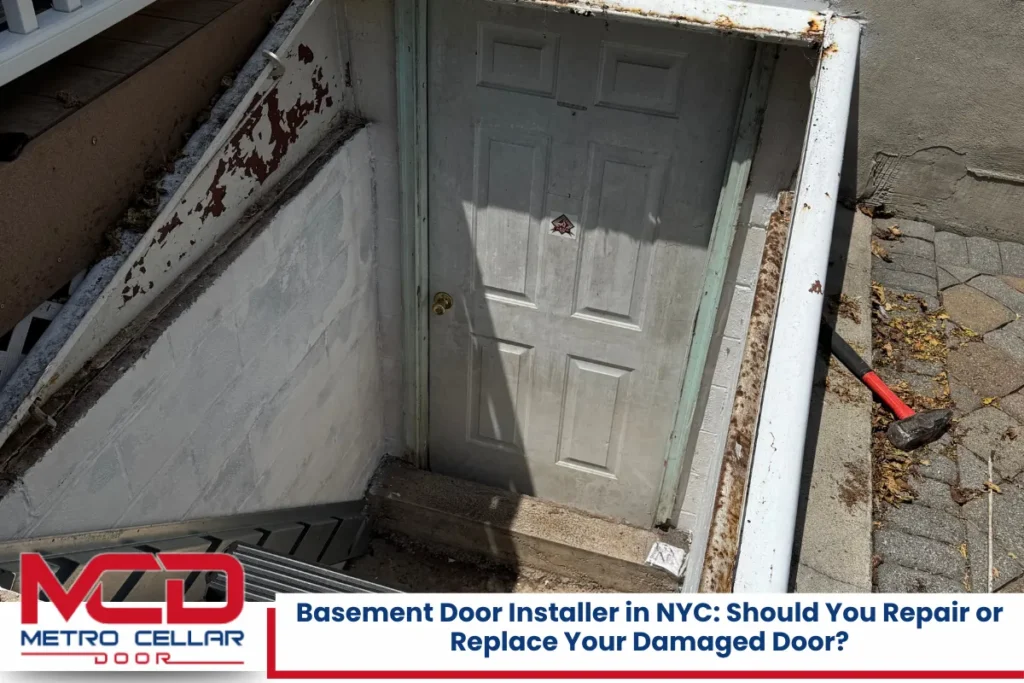
There are several signs that your existing bulkhead door is no longer functioning as it should. In New York City, weather conditions, age, and building shifts can all impact the function of your basement doors. Here’s what to look for:
- Visible rust or corrosion, especially on metal locking tabs or hinges
- Doors that no longer close tightly, leading to air leaks or water leaks
- Soft or cracked areas around the foundation plate or door frame
- Difficulty opening or closing due to warping or misalignment
- Puddles forming inside the basement after rain
If your door sits directly on a concrete foundation, wear over time can lead to separation or crumbling. Replacing it with a custom-fitted product—such as fiberglass doors or custom steel cellar doors—restores both safety and function. A new installation ensures your entry is secure, sealed, and ready to handle NYC’s challenging conditions.
2. What should I expect during professional bulkhead installation?
A full bulkhead installation is more than just attaching a new door—it’s a process that ensures your home is protected from the elements while providing lasting access to your basement. In NYC, installers typically follow a structured method to deal with local building standards and space constraints.
Here’s what’s usually included:
- On-site measurement to plan for a custom-fitted product
- Removal of the old or damaged sidewalk cellar doors or basement entry
- Cleaning and prep of the concrete foundation
- Installation of the new foundation plate and door frame
- Sealing gaps to prevent water leaks and air leaks
- Optional waterproofing or finish applications, such as a primer finish
Depending on your choice—steel cellar doors, fiberglass doors, or sidewalk doors—installation may take one to several days. A licensed team offering complete installation services ensures that everything is code-compliant and built for long-term performance in NYC.
3. Are sidewalk cellar doors different from bulkhead doors?
Yes, though they serve a similar purpose, sidewalk cellar doors and standard bulkhead doors differ in structure, placement, and use, especially in urban areas like New York City.
Sidewalk cellar doors:
- Are flush-mounted into the sidewalk or entryway in front of a building
- Usually open vertically (hinged or sliding) to provide street-level access to storage areas or commercial basements.
- Require strong, weather-resistant materials—most often custom steel cellar doors—to handle pedestrian traffic and outdoor exposure.
Bulkhead doors, on the other hand:
- Are sloped doors typically installed at the rear or side of a house
- Lead directly to a residential basement or utility area
- Can be made of fiberglass, aluminum, or steel, depending on budget and function
Both require professional attention, especially in NYC, where proper anchoring to the concrete foundation and tight door frames are critical to avoid leaks, security risks, or city violations.
4. Can bulkhead doors improve energy efficiency in my home?
Absolutely. While often overlooked, bulkhead and basement doors play a crucial role in home insulation, particularly in New York City homes with code-compliant living spaces located below ground.
Older doors often have gaps around the door frame or may not align well with the existing foundation plate, which allows:
- Drafts or air leaks that raise heating and cooling costs
- Moisture intrusion leading to mold or insulation damage
- Pest entry during colder months
By upgrading to modern, custom-fitted products—such as fiberglass doors or custom steel cellar doors—you create a tight seal that improves the overall thermal performance of your home. Newer designs often include:
- Insulated cores
- Integrated weather stripping
- Metal locking tabs for a tighter, more secure closure
Combined with professional installation, the result is a safer, drier, and more energy-efficient home that’s easier to heat and cool all year round.
5. What maintenance is required after installing a bulkhead door?
Maintaining your new bulkhead door helps extend its lifespan. It ensures it continues to protect your home from water leaks, corrosion, and misalignment. Fortunately, maintenance is straightforward and can be performed a few times a year.
Here’s what you should do:
- Inspect seals and weather stripping for signs of wear, especially after storms
- Keep the door and the surrounding area free of debris, leaves, and dirt buildup
- Apply rust-inhibiting paint or a new primer finish every few years (for steel cellar doors)
- Lubricate hinges and metal locking tabs to prevent sticking
- Check the foundation plate and door frame for cracks or shifting, common with older concrete foundations
If you notice any issues, such as sticking, draftiness, or unusual noise when opening or closing, please contact your installer. Most installation services in NYC offer routine inspections and minor adjustments as part of their packages or warranties. Read more: How to Choose a Licensed Bulkhead Door Installer in New York City