

Bulkhead door installer is a term many New York City homeowners and property managers come across when upgrading basement access points. Bulkhead doors, often overlooked until issues arise, play a critical role in ensuring safety, weather protection, and structural access to below-ground areas. Whether for residential properties in Brooklyn or commercial spaces in Manhattan, knowing how to handle the installation process—DIY or professional—is essential for long-term durability and code compliance.
This blog explores the pros and cons of installing a bulkhead door yourself versus hiring a professional in New York City. We’ll cover the details, challenges, costs, and benefits to help you make the most informed decision.
What Is a Bulkhead Door and Why Does It Matter in New York City

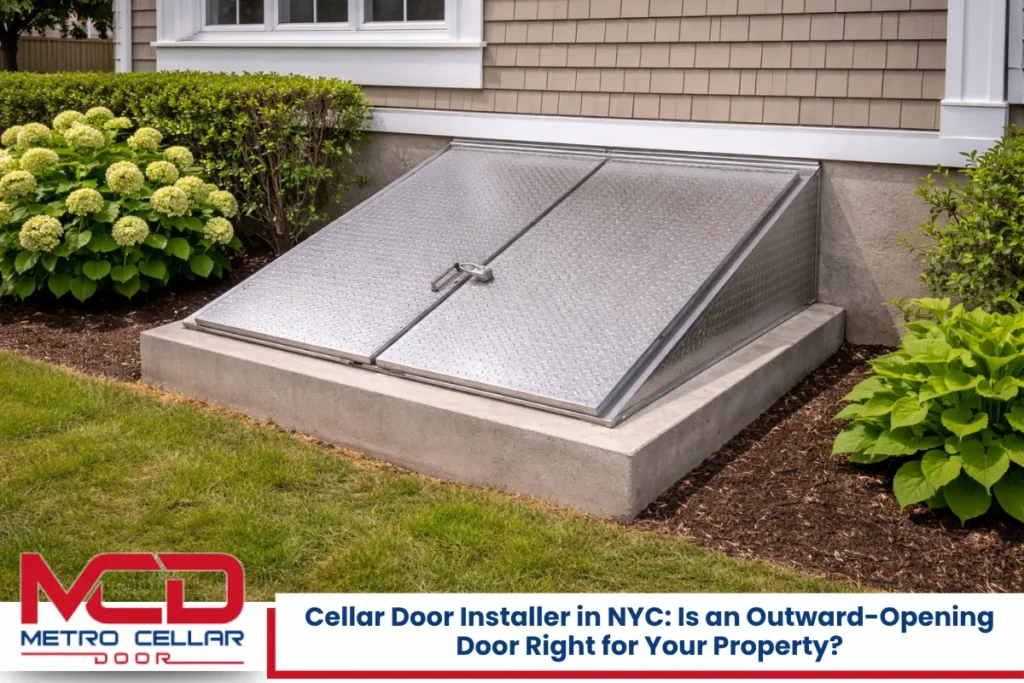
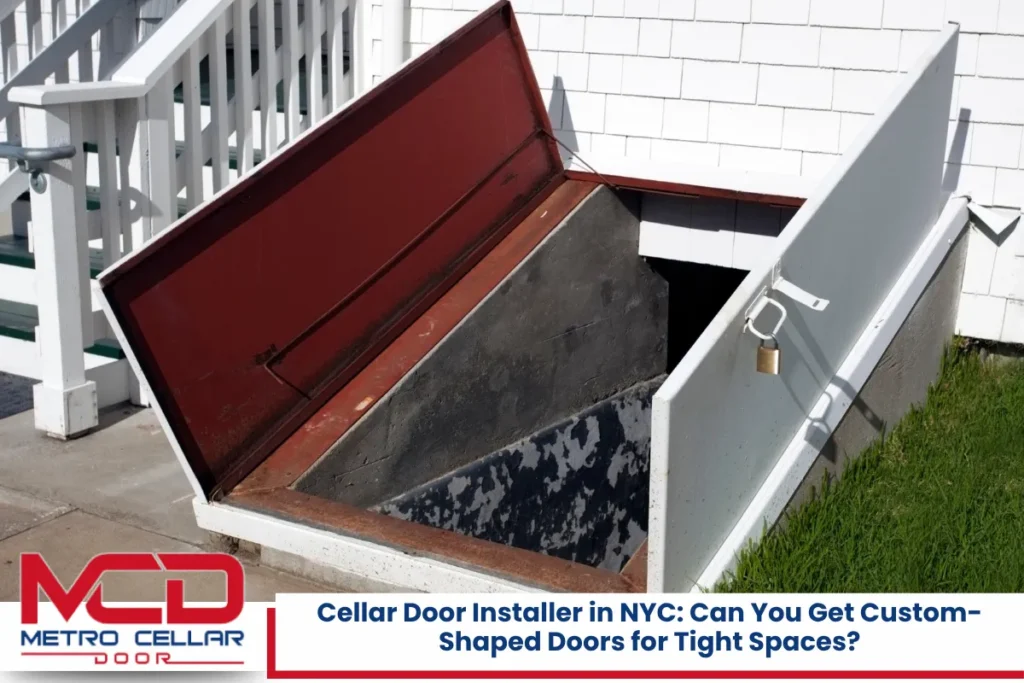
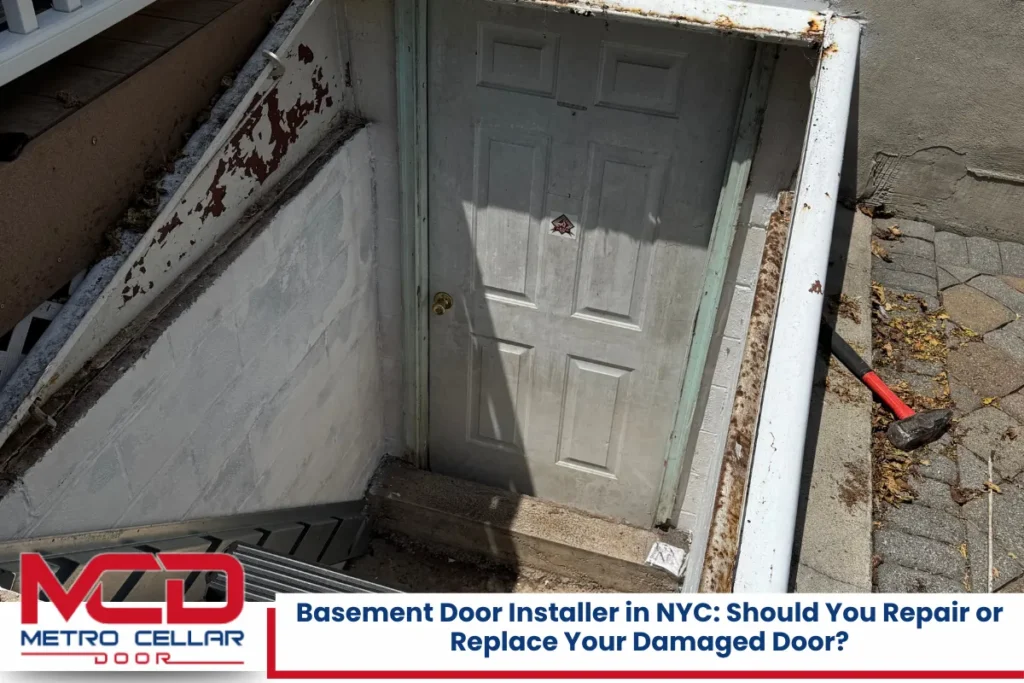
A bulkhead door, also known as a cellar door, is an exterior door installed over a stairway that leads directly into the basement or cellar. It’s angled to shed water and often made from durable materials like steel or aluminum to endure harsh weather. In dense and historic cities like New York, these doors are more than just access points—they’re architectural solutions that bridge usability, safety, and building code adherence.
Bulkhead doors serve multiple purposes in NYC:
- Basement access: Offers direct outdoor entry for storage or service.
- Emergency exit: Fulfills secondary egress requirements in case of fire or flooding.
- Weather barrier: Keeps snow, rain, and debris from entering the foundation area.
- Space efficiency: Especially useful in row homes and tight urban lots.
Understanding the Basics of Bulkhead Door Installation
Installing a bulkhead door requires more than cutting a hole and bolting down a hatch. The process involves:
- Measuring and preparing the foundation opening
- Setting a proper pitch for drainage
- Anchoring frames to concrete or masonry
- Sealing against leaks and drafts
- Ensuring code compliance with fire and egress standards
Bulkhead door installation in New York often includes modifications to older structures, making each project unique. This is especially true in brownstones or pre-war buildings that may have uneven foundation lines or non-standard entryways. Poor installation could lead to foundation leaks, corrosion, or even safety code violations.
DIY Bulkhead Door Installation in NYC: A Closer Look

Taking on the installation yourself may appear to save money upfront. Still, it demands careful planning, access to the right tools, and strict attention to NYC building regulations. Here’s what DIY installation typically entails:
Required Tools and Materials
- Rotary hammer drill with masonry bits
- Measuring tape and leveling tools
- Galvanized or stainless-steel anchor bolts
- High-grade exterior sealant
- Flashing and waterproof membranes
- Safety gear (eye protection, gloves, steel-toe boots)
Skills and Labor Expectations
Beyond having the tools, DIY installation requires strong skills in:
- Carpentry and framing
- Masonry anchoring
- Weatherproof sealing
- Drainage planning
- Structural alignment
You’ll also need to safely maneuver and install heavy doors, often in cramped outdoor conditions. Steel bulkhead doors can weigh well over 150 pounds, and improper handling risks personal injury or damage to the unit.
Common Problems with DIY Installations in New York City

New York’s architecture, weather, and municipal codes create extra challenges for DIYers. Even small missteps can lead to major issues:
Structural Misalignment
Uneven surfaces or old concrete footings can cause gaps that compromise the door’s security and weather resistance. Without precise measurements and proper leveling, the door may not sit flush, allowing water or air to seep through.
Water Leakage
NYC sees heavy rainfall and snow in colder months. Incorrectly sealed doors or inadequate drainage slopes can lead to water collecting near the basement entry, creating long-term risks like mold growth, foundation damage, or interior flooding.
Building Code Violations
NYC’s Department of Buildings enforces strict requirements for exterior modifications. This includes:
- Fire egress regulations
- Lot coverage restrictions
- Zoning requirements
- Historical preservation limits (in landmark districts)
Violating these rules can result in fines, work stoppages, or forced removal of the structure. Understanding these legalities is crucial before any installation work begins.
The Value of Hiring a Professional Bulkhead Door Installer in NYC

Working with a professional bulkhead door installer offers significant benefits—especially in a complex environment like New York City. While the investment may be higher initially, it ensures a safer, faster, and legally compliant installation.
Code Compliance and Permitting
Experienced installers understand NYC codes inside and out. They can secure necessary permits, follow proper inspection protocols, and ensure the final structure meets legal standards for safety and accessibility.
Accurate Assessment of Property Conditions
Professionals begin by thoroughly assessing the current entry point and structural condition. This evaluation helps:
- Detect existing damage or deterioration
- Identify slope and drainage challenges
- Recommend the most suitable door type
Whether it’s an old rowhouse in the Bronx or a modern duplex in Queens, a skilled installer tailors the installation to fit the building’s condition and long-term needs.
Seamless and Secure Installation
With access to specialized tools and hardware, professionals ensure:
- Tight anchoring to masonry
- Balanced doors that open and close easily
- Proper seals to block wind, moisture, and pests
In addition, bulkhead doors installed by certified technicians often come with manufacturer warranties or service guarantees, protecting your investment for years to come.
Choosing the Right Bulkhead Door for NYC Weather and Property Types

New York’s climate demands bulkhead doors that can handle both high humidity and freezing winters. Material selection, insulation value, and slope design all contribute to performance.
Materials and Finishes
- Steel: Durable and impact-resistant. Excellent for long-term weather protection, but may need powder coating or galvanization to resist rust.
- Aluminum: Lightweight and corrosion-resistant. Ideal for areas with moisture exposure.
- Galvanized Steel with Insulation: Offers strength and better thermal performance.
Design Considerations
- Sloped Covers: Prevent pooling water or snow buildup.
- Drip Edge Flashing: Directs water away from the base.
- Lockable Latches: Adds security, especially in high-traffic urban areas.
Professional installers often work with suppliers that offer custom sizes and insulation options to match basement usage—whether it’s a living space, laundry area, or storage.
What to Expect from a Professional Bulkhead Door Installation in NYC
A standard installation, handled by a seasoned contractor, generally follows a proven process designed for speed and precision.
Project Timeline
- Day 1: Site evaluation and measurements
- Day 2-3: Old door removal and foundation prep
- Day 4: Door installation and sealing
- Day 5: Final inspections and adjustments
Complex jobs, such as those involving custom concrete cutting or sidewalk modifications, may take longer. However, professionals have teams and equipment that allow them to work efficiently, even in tight spaces or high-traffic zones.
Cost Comparison: DIY vs. Professional Bulkhead Door Installation in NYC

Here’s a clear overview of what homeowners can expect to spend based on the chosen method:
- DIY Materials Only: $700 – $1,500
- Basic Professional Installation: $1,500 – $3,000
- Custom Installations or Landmark Buildings: $3,500 – $6,000+
Other potential costs include permit fees, sidewalk usage applications, and engineering drawings for historical or large-scale properties.
While DIY might save on upfront costs, it comes with added risk and no workmanship warranty. Hiring a professional ensures not only compliance but peace of mind.
Why Bulkhead Door Installation Requires Local Expertise
Every borough in New York City presents unique challenges. Narrow alleys in Brooklyn, steep driveways in the Bronx, and dense sidewalk spaces in Manhattan all require adaptable, location-aware approaches.
Only a local bulkhead door installer will know:
- Which permits are required in specific zones
- The best installation time to avoid seasonal water issues
- How to handle co-op or condo board restrictions
- Who to contact for pre-installation inspections
This knowledge reduces project delays and ensures the finished result integrates seamlessly with your property and neighborhood layout.
Final Thoughts on Choosing the Right Installation Method
Deciding whether to install a bulkhead door yourself or hire a professional depends on budget, skill level, and property complexity. In a city like New York, where regulations are layered and the weather can be unpredictable, hiring an experienced installer is often the more practical and reliable option.
From obtaining the right permits to ensuring watertight sealing and structural integrity, the benefits of professional installation are clear. DIY may be possible for some, but it’s rarely ideal in a high-stakes, code-intensive environment like NYC.
NYC Bulkhead Door Installer – Metro Cellar Door Bilco Pro

Metro Cellar Door Bilco Pro offers dependable, affordable bulkhead door installation services across all five boroughs of New York City. Our team is trained to meet NYC’s strict building regulations and ensure each project is completed to the highest standard of quality.
We specialize in installing Bilco doors, sidewalk cellar hatches, fire-rated access points, and custom-fabricated entry systems for both homes and businesses. Whether you’re upgrading an old cellar door or starting a new installation from scratch, we provide solutions that are durable, secure, and designed to withstand New York’s unpredictable climate.
Our services include free estimates, custom design options, and the lowest pricing in the city—guaranteed. Call us today at (929) 979-7313 to get started with a professional you can trust!
Frequently Asked Questions About Bulkhead Doors and Installation in NYC
1. What materials are best for bulkhead doors in terms of durability and energy efficiency?
When choosing bulkhead doors, material selection plays a major role in performance, energy efficiency, and long-term maintenance. Steel doors are a popular choice due to their strength and resistance to external force, making them ideal for added security features. They’re also compatible with modern insulation techniques that reduce heat loss through your basement entrance.
Fiberglass doors offer a lightweight alternative with high resistance to water infiltration and corrosion. They’re less prone to warping and cracking, especially in extreme weather, but may not be as impact-resistant as steel. Wood doors provide a classic look but require regular maintenance to avoid water damage and deterioration, especially in New York’s humid conditions.
Suppose your goal is long-lasting performance with minimal upkeep. In that case, Bilco bulkhead doors made from galvanized steel or powder-coated aluminum offer exceptional value. Their custom design options also suit a wide variety of properties in the NYC area.
2. How do bulkhead doors protect against water intrusion and structural damage?
Properly installed bulkhead doors play a key role in protecting your basement entry and overall home structure from water damage. Inadequate sealing can result in water leaks, especially during heavy rain or snowmelt, leading to potential foundation repair needs.
To prevent this, professionals use:
- Silicone sealant to seal seams around the door frame
- Pressure-treated sills to anchor the door to the foundation
- Metal primer to coat steel parts and prevent rust
High-quality doors also include sloped hatches to divert water away from the foundation plates, further reducing the risk of water intrusion.
Additionally, bulkhead replacement with modern materials improves your property’s basement waterproofing system. This reduces moisture buildup, prevents mold growth, and protects HVAC or electrical equipment installed near the basement entrance.
Ultimately, a well-designed door reduces long-term maintenance and prevents expensive structural issues tied to poor drainage and leakage.
3. Is it safe to take on a bulkhead door installation as a DIY project?
Installing a bulkhead door as a DIY project is possible, but comes with several risks—especially in New York City, where building codes are strict. The work involves cutting into foundation plates, aligning a heavy door frame, and waterproofing against water infiltration. Without experience, improper installation could lead to water leaks, poor alignment, or even structural damage.
Here’s what a typical DIY installer would need:
- Rotary hammer drill
- Leveling tools
- Metal primer and paint
- Silicone sealant
- Concrete anchors
- Custom-cut pressure-treated sills
Beyond tools, understanding code compliance, safe removal of old cellar doors, and ensuring a correct slope for drainage are vital. Incorrect handling might increase replacement costs or void any manufacturer’s warranty, especially with Bilco doors.
While a confident homeowner might tackle it, hiring an installation service is the safer option. This ensures quality work and protects the home’s foundation from long-term problems.
4. What are the average installation costs for bulkhead doors in NYC?
Installation costs for bulkhead doors in New York City vary widely based on door material, labor, and property condition. For basic installs, the cost range starts around $1,500. It can go upwards of $5,000 for custom design work, concrete cutting, or specialized labor.
Here’s a general breakdown of cost data:
- Standard steel doors: $1,500 – $2,500
- Fiberglass doors: $2,000 – $3,500
- Bilco bulkhead doors with insulation: $2,800 – $4,000
- Historic or sloped entries needing foundation repair: $4,000 – $6,000+
The final price may also include:
- Permit fees
- Sidewalk access setup
- Debris disposal
- Drainage system improvements
Choosing an experienced door installation company often results in long-term savings by avoiding water intrusion, premature bulkhead replacement, and rework. Requesting quotes from licensed professionals helps compare offerings and ensures the best value for your investment.
5. How can I improve the lifespan of my bulkhead or cellar door?
Maximizing the life of your cellar door involves both proper installation and regular maintenance. High-quality Bilco doors made from galvanized steel or aluminum already have protective coatings. Still, routine inspections help prevent water damage and structural wear.
Follow these tips to extend your door’s lifespan:
- Apply a metal primer every few years to exposed steel surfaces
- Reseal edges with fresh silicone sealant
- Clear debris and standing water from around the basement entrance
- Inspect for rust, hinge damage, or wood rot near the door frame
Adding insulation panels to your garage door or bulkhead access can also enhance energy efficiency, especially during New York winters. Replace worn pressure-treated sills and look out for signs of sagging or misalignment.
If damage is too severe, a bulkhead replacement may be the best choice. Hiring an installation service ensures code-compliant work and reduces future replacement costs caused by poor upkeep or faulty construction.
Read more: Steel vs. Aluminum Sidewalk Doors: NYC Installer Insights