
A sidewalk door installer in New York City deals with a wide range of materials, building types, and city-specific conditions. Still, one common dilemma many face is whether to use steel or aluminum for sidewalk doors. This choice may seem simple, but it can significantly impact the safety, durability, and maintenance of your access doors. In NYC, where sidewalks are constantly in use and weather conditions can be intense, choosing the right type of door matters not just for convenience, but also for code compliance and long-term performance.
This article offers a comprehensive comparison between steel and aluminum sidewalk doors. We’ll cover all the essential aspects such as strength, weight, corrosion resistance, cost, maintenance, security, and the building types each is best suited for. All examples and insights are based on real-life conditions and common practices used across New York City.
Understanding Sidewalk Doors in New York City
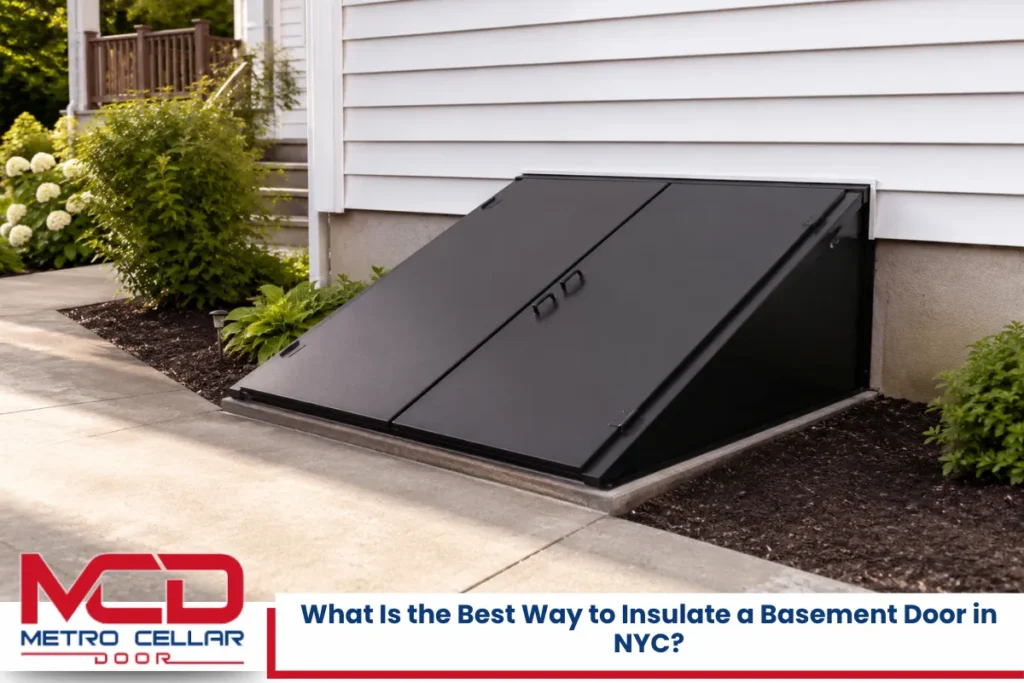
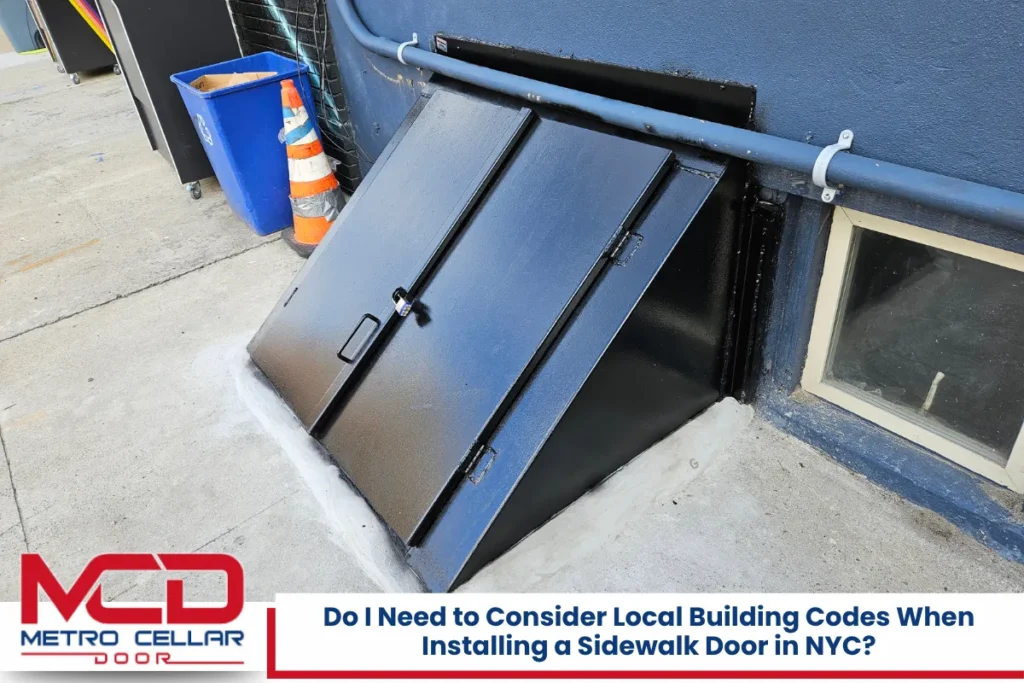
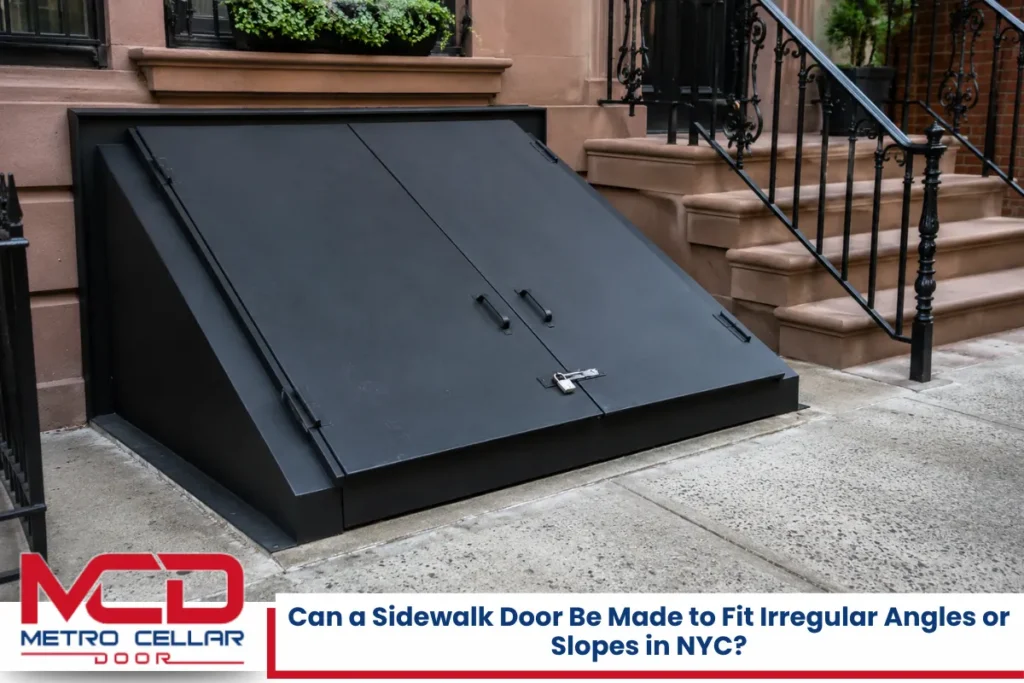
Sidewalk doors, often referred to as cellar doors or basement hatch doors, are access panels installed directly into the sidewalk surface. These doors are typically used to provide entry to basement storage, utility rooms, or commercial loading spaces located beneath a building.
In NYC, sidewalk doors are a common feature in both residential and commercial properties. Businesses often use them for quick access to inventory or supplies. In contrast, residential buildings may use them for storage or boiler room entry. The functionality, safety, and lifespan of these doors depend heavily on the material used—and that’s where choosing between steel and aluminum becomes a critical decision.
Sidewalk doors must meet specific NYC Department of Buildings and Department of Transportation regulations. They need to be flush with the sidewalk, slip-resistant, and strong enough to handle foot traffic and sometimes even vehicle loads. Materials like wood are rarely used anymore due to safety concerns, leaving metal doors—primarily steel and aluminum—as the two dominant options.
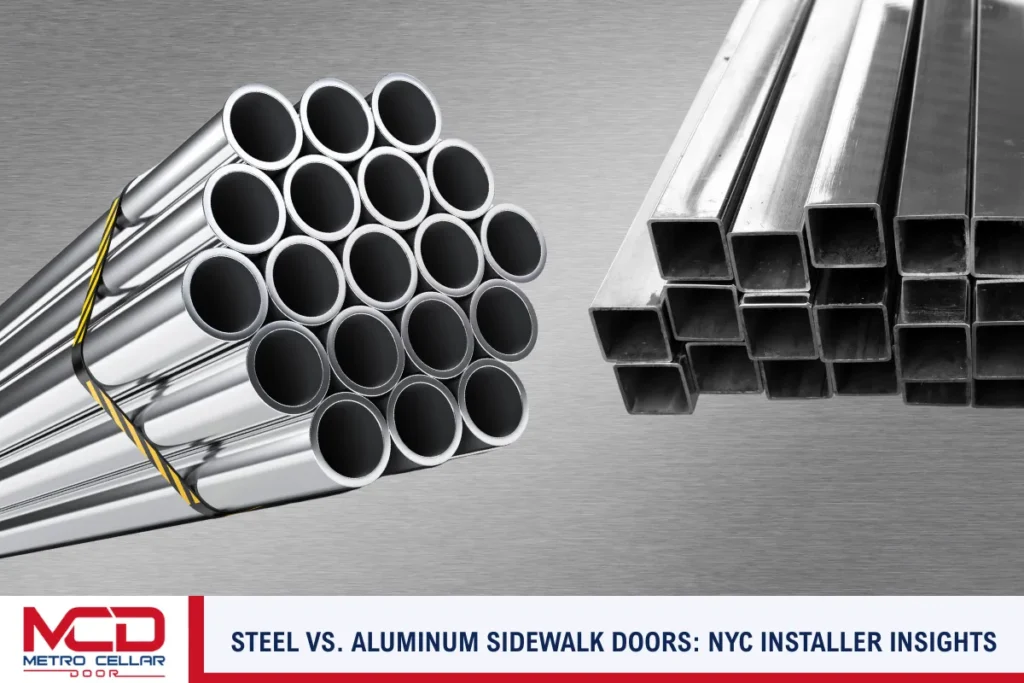
Material Overview – What Steel and Aluminum Offer
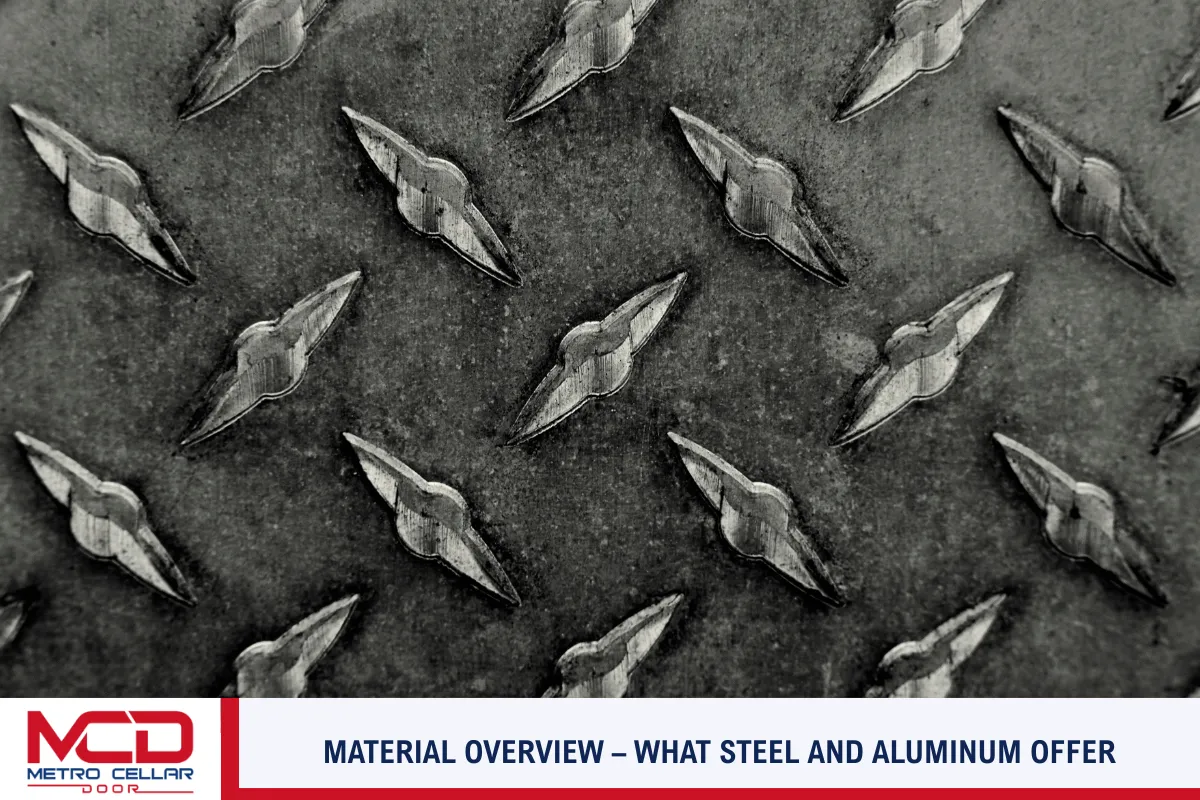
Understanding the fundamental properties of steel and aluminum is important before evaluating them for sidewalk door use.
Steel Doors: Strong and Secure
Steel is a heavy-duty material known for its incredible strength and toughness. It can handle extreme weights and provides high resistance to physical damage such as impact, bending, or warping. Steel is often used in areas where security is a major concern or where heavy equipment will frequently pass over the door.
However, raw steel is susceptible to rust. In NYC’s humid summers and salty winter slush, untreated steel can deteriorate quickly. To prevent this, most steel doors used by sidewalk door installers in New York are galvanized or coated with anti-corrosion paint. This adds to the initial cost but significantly improves lifespan.
Aluminum Doors: Lightweight and Rust-Resistant
Aluminum is lighter than steel, which makes it easier to install, especially in older buildings that may not support much additional weight. One of the main advantages of aluminum is that it doesn’t rust. This makes it a preferred material for areas with high moisture, like near rivers, basements with poor ventilation, or zones that flood occasionally.
Aluminum is also more modern in appearance and can be manufactured with clean, sharp lines that fit well in contemporary architecture. While not as strong as steel, aluminum can still withstand most residential and light commercial traffic without issue.
Durability and Performance in NYC Conditions
How Each Material Handles the City’s Demands
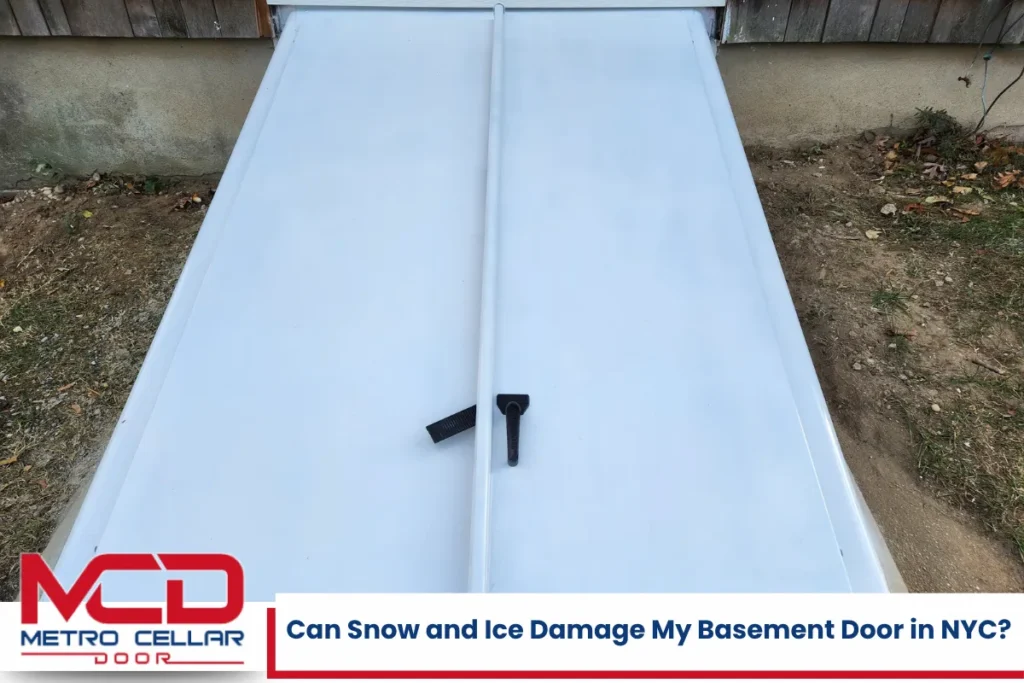
New York City presents a unique mix of environmental stressors: foot traffic, snow, salt, rain, and rapid temperature changes. A sidewalk door needs to survive these without warping, cracking, or becoming a safety hazard.
- Steel excels in strength and is generally the better choice for commercial applications like restaurants, warehouses, or storefronts in areas with constant use. It holds up well under pressure and won’t dent easily.
- Aluminum is more appropriate for quieter locations such as residential neighborhoods or secondary access points. It’s corrosion-resistant by nature, so you won’t have to worry about rust compromising its structure.
Steel has a longer average lifespan when maintained properly. In comparison, aluminum has a longer lifespan and requires less maintenance.
Installation Factors and Structural Load Considerations
Installing a sidewalk door in NYC isn’t just a matter of cutting out concrete and dropping in a new panel. Building owners must factor in the structure beneath the sidewalk, the building’s age, and the area’s load capacity.
Installation Complexity
Steel doors are heavier, which means they usually require more labor and time to install. Special equipment may be needed to move them, and extra support might be necessary to ensure the foundation or framing can handle the weight.
Aluminum, on the other hand, is easier to maneuver. This makes it ideal for jobs with tight timelines or buildings with limited load-bearing capabilities—like many brownstones or pre-war buildings common throughout Brooklyn and parts of Queens.
Maintenance and Longevity
Steel Maintenance
Steel sidewalk doors in NYC need regular inspection. Salt, moisture, and the general wear and tear of city life can cause surface corrosion over time. Owners should plan on repainting or recoating the door every few years and checking for signs of rust or material fatigue.
Aluminum Maintenance
Aluminum doors require much less maintenance. The biggest task is usually keeping the surface clean and ensuring that debris doesn’t get caught in the hinges or drainage system. Because it doesn’t rust, aluminum is an excellent long-term option for a low-maintenance solution.
That said, aluminum is softer than steel and may dent more easily from hard impacts or repeated abuse.
Safety, Security, and NYC Code Compliance
NYC sidewalk doors must comply with a range of safety codes that ensure they don’t become hazards for pedestrians or property owners.
Fire and Load Ratings
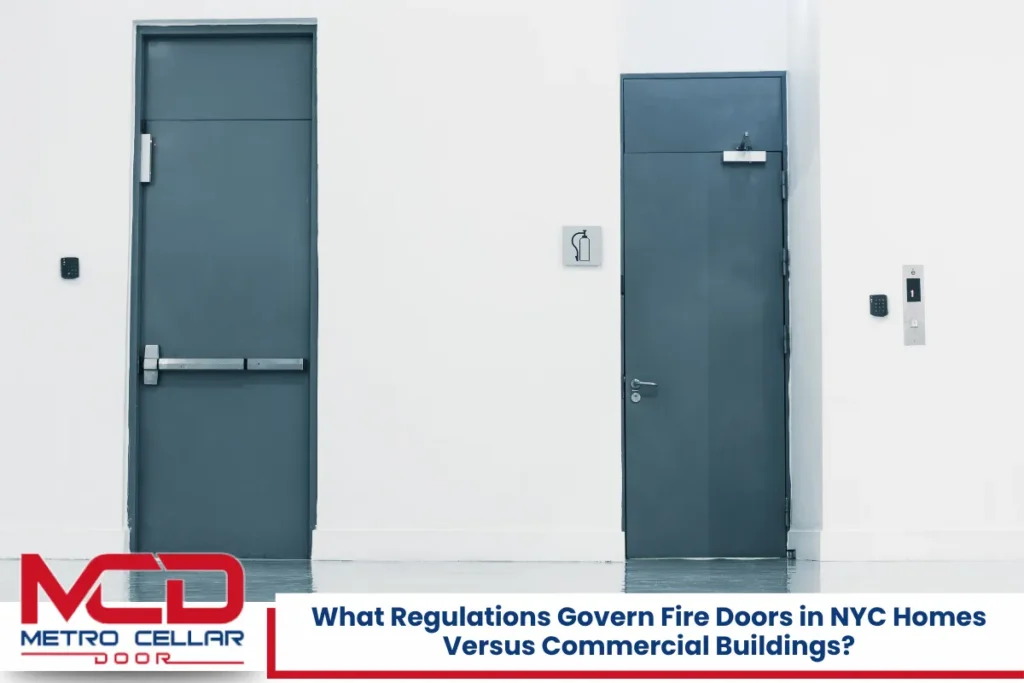
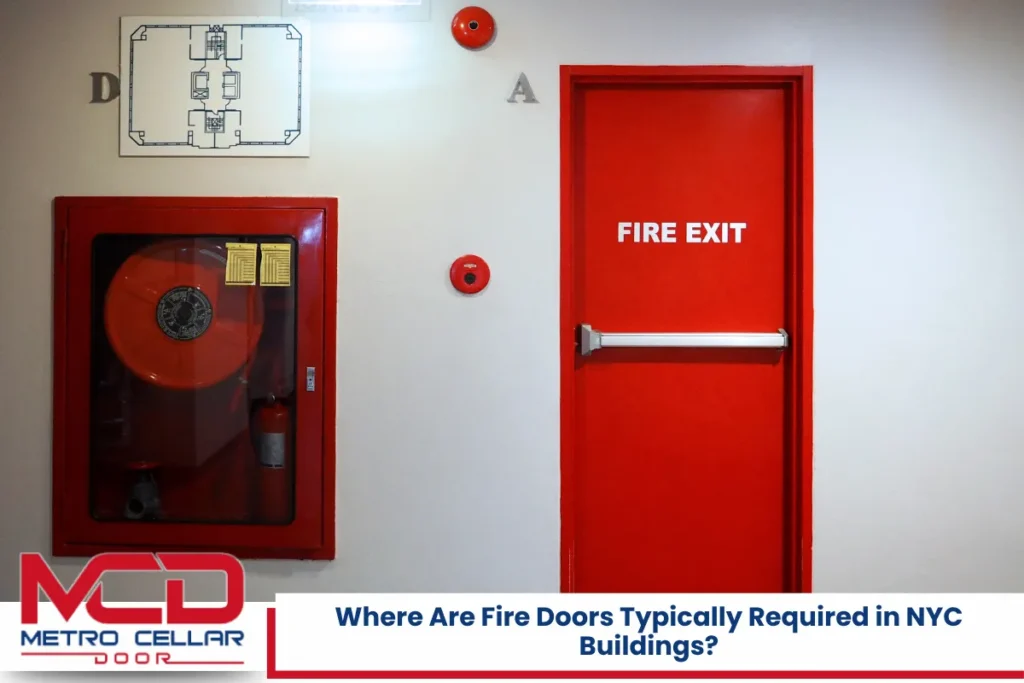
Steel doors can be manufactured to meet fire-resistance ratings, which may be required in some commercial applications. These are especially common in areas like SoHo or the Garment District, where multi-level mixed-use buildings need specific fire egress routes.
Aluminum generally cannot meet the same fire-rated standards. If your installation requires a fire-rated door, steel is typically the only option.
Tamper Resistance and Vandalism
In neighborhoods where sidewalk doors are left unsupervised or in dimly lit areas, steel provides a higher level of protection against tampering, prying, or vandalism. Reinforced steel doors can even resist cutting or drilling attempts. Aluminum can be secure too, but it’s better suited to locations where the risk of intrusion is minimal.
Cost Considerations and Long-Term Value
Material and Labor Costs
Steel doors tend to cost more in both materials and labor. On average, a steel sidewalk door in NYC may range from $1,800 to $4,000, depending on size, coating, and reinforcements. Installation may require specialized labor, increasing the overall expense.
Aluminum is generally cheaper, ranging from $1,200 to $2,800, and installation is often faster and easier, which helps reduce labor costs.
Return on Investment
Though steel has a higher upfront cost, its durability and security can save money over time. Aluminum offers excellent value if rust and weather resistance are your top concerns and you don’t need extreme load-bearing strength.
Practical Application Examples in NYC
Commercial Use in High-Traffic Areas
In places like Midtown Manhattan or near Grand Central Station, businesses often rely on sidewalk doors for inventory deliveries. These locations require steel sidewalk doors to handle weight and prevent long-term wear. Installers also favor steel for its resistance to vandalism in these busy zones.
Residential Use in Brownstone Buildings
In Brooklyn neighborhoods like Park Slope or Bedford-Stuyvesant, aluminum doors are often used for access to residential basements or laundry rooms. Their lighter weight makes them ideal for older buildings with limited support structures, and their clean look blends well with residential aesthetics.
Final Thoughts on Choosing Between Steel and Aluminum
The decision between steel and aluminum for your sidewalk door installation depends on more than just cost. It’s about understanding the unique conditions of your property and the specific demands your access door will face.
Steel is the better choice for strength, security, and high-traffic commercial areas. Aluminum, on the other hand, is a smart pick for rust resistance, lower maintenance, and projects that require a lighter load on older infrastructure. In a city like New York, where every sidewalk panel serves a purpose, making the right material choice will save time, reduce maintenance, and increase safety for years to come.
No matter what material you choose, always work with a professional sidewalk door installer familiar with NYC codes and best practices. The right installer will ensure your sidewalk door looks great, works smoothly, and stays compliant.
NYC Sidewalk Door Installer – Metro Cellar Door Bilco Pro
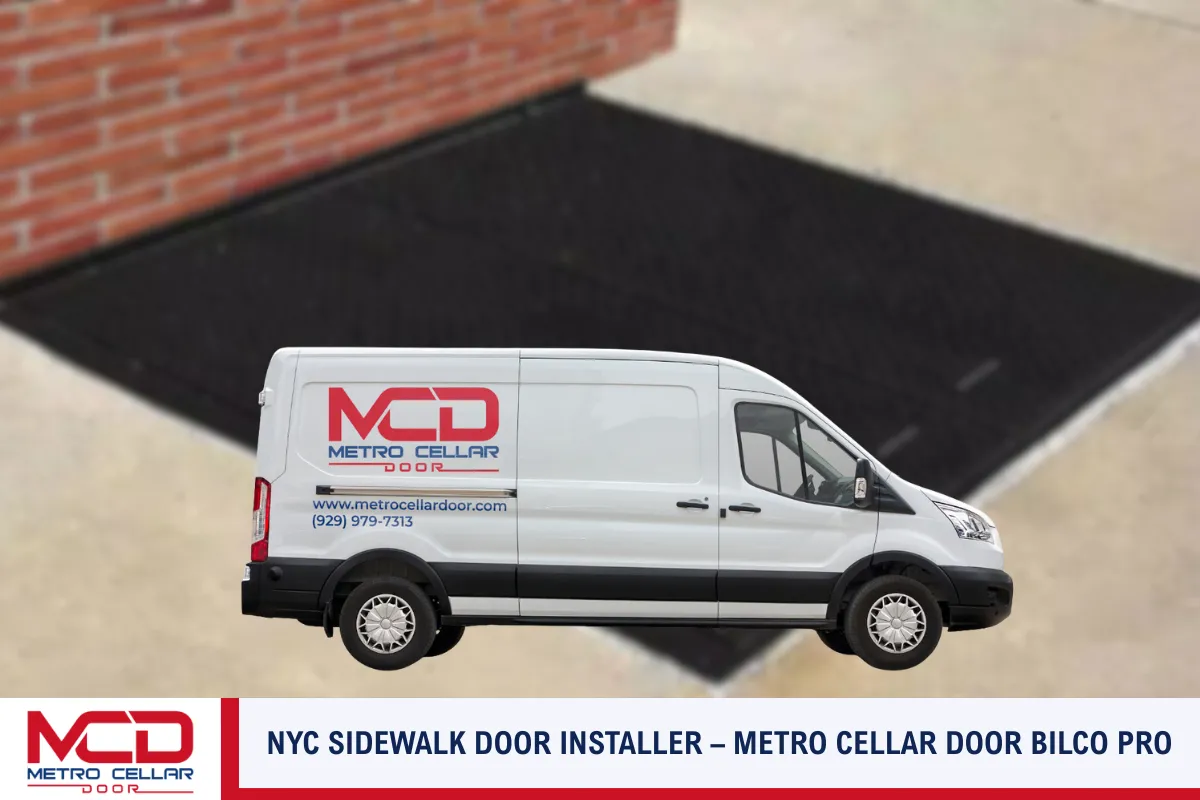
Metro Cellar Door Bilco Pro is your go-to sidewalk door installer in New York City. We offer expert services in Fire Rated Door Installation, Cellar Door Installation, and all types of residential and commercial entry systems. Our team has decades of experience working on NYC sidewalks and understands every detail of the local codes, weather conditions, and building types.
We install both steel and aluminum sidewalk doors with precision and care. Whether you need a strong and secure option for your storefront or a lightweight, corrosion-proof solution for your home’s basement access, we’ll help you choose what works best. Every project includes durable materials, reliable workmanship, and fast turnaround times.
For sidewalk door solutions that are built to last—and built for New York—call us today at (929) 979-7313 for a free estimate or custom consultation!
Frequently Asked Questions (FAQ)
What makes sidewalk doors in NYC different from standard exterior basement doors?
Sidewalk doors in NYC are designed to handle unique challenges compared to traditional basement door systems. First, they must comply with NYC regulations and strict building codes, including guidelines for strength, slope, safety, and accessibility. These doors are often installed directly into the sidewalk or concrete surface, making them flush with the ground and safe for public foot traffic.
Unlike standard basement doors, NYC sidewalk doors require:
- Heavy-duty kickplates for durability under constant use.
- A proper manual operation mechanism for ease of opening/closing.
- Reliable locking mechanisms to deter potential break-ins.
- Compliance with fire-rated door standards for certain commercial applications.
Many sidewalk doors also double as cellar door installation solutions. That means they must be weather-resistant, compatible with secure lock systems, and made of materials like steel exterior panels that withstand inclement weather and wear.
The design focuses on both functionality and safety—meeting local regulations while offering extra protection.
How does the installation process differ between aluminum and steel sidewalk doors?
The installation process for aluminum versus steel sidewalk doors involves different steps, primarily due to the weight and structure of each material. A skilled sidewalk door installer in NYC will first evaluate your property’s layout, adherence to building codes, and any special needs, such as fire-rated door requirements.
Here’s a breakdown of the differences:
- Steel Sidewalk Doors
- Heavier material, requiring reinforced framing or supports.
- Typically includes security features like multi-point locking mechanisms.
- This material is often used with custom cellar doors for added strength and a solid metal appearance.
- The installation time is longer due to its density and specialized tools.
- Aluminum Sidewalk Doors
- Lightweight, making them quicker to fit.
- Ideal for older buildings that can’t support a steel exterior load.
- More energy-efficient in some cases, potentially lowering energy costs.
Each project may involve different considerations such as site prep, door alignment, sealing, and optional security systems. Both types must meet NYC regulations to ensure safety and performance.
What are the key security features to look for in sidewalk door installations?
A secure sidewalk door installation in NYC must protect against theft, damage, and unauthorized entry. Because these doors are often exposed and easily accessible from public walkways, including proper security features is essential.
Here are the top security considerations:
- Secure Lock Systems: Opt for high-grade locking mechanisms, such as tamper-proof deadbolts or keyless options with alarm triggers.
- Fire-rated door compliance: In commercial properties, fire door installer guidelines require that some doors resist fire spread for a minimum time frame, adding another layer of extra protection.
- Heavy-duty kickplates: These prevent forced entry attempts and add structural support.
- Steel exterior panels: Steel is tougher than aluminum and more resistant to cutting or denting.
- Custom cellar doors: These can be fabricated with hidden locks or integrated into larger security systems.
With NYC’s high foot traffic and vulnerability to potential break-ins, these features help ensure you’re using the safest doors available while staying compliant with NYC regulations.
Can custom cellar doors improve both function and curb appeal in NYC buildings?
Yes, custom cellar doors can enhance not only access and security but also the overall appearance of a property. In New York City, where building facades often reflect historical or modern architecture, custom options allow sidewalk and basement doors to match the surrounding structure while meeting NYC regulations.
Here’s how they help:
- Functionality: Custom doors can be built to fit unique openings, unusual sidewalk slopes, or buildings with limited space. They often include reinforced hinges, smooth manual operation, and weather seals for protection against inclement weather.
- Security Features: Additional locking mechanisms, alarm-ready secure lock setups, and heavy-duty kickplates can be integrated.
- Aesthetic Value: Choose finishes that enhance a building’s metal appearance, blending in or standing out by design.
Whether you’re upgrading for safety, usability, or visual consistency, custom cellar doors offer a flexible solution tailored to your building’s exact needs—especially in older NYC properties.
Are there long-term cost benefits to choosing a fire-rated steel sidewalk door?
Absolutely. Choosing a fire-rated door—especially one with a steel exterior—provides long-term financial and safety benefits that go beyond initial installation costs. These types of sidewalk doors are engineered not just for strength, but also to comply with fire safety building codes, which is crucial for insurance, inspections, and commercial compliance.
Here’s what you gain:
- Reduced Risk: A fire door installer ensures your door slows the spread of flames, offering extra protection for property and occupants.
- Lower Energy Costs: Many fire-rated doors are insulated, which helps control indoor temperatures and reduces energy costs over time.
- Durability: These doors are built to resist corrosion, dents, and potential break-ins, making them ideal for high-traffic areas.
Because they meet NYC regulations and provide both security and fire resistance, investing in a fire-rated steel sidewalk door can save thousands in repairs, fines, and insurance claims over the years.
Read more: Top Questions to Ask Your Sidewalk Door Installer in New York City