
Why Proper Fire Door Installation in NYC Is More Complex Than You Think
NYC Fire Door Installer services are not just about hanging a heavier door on stronger hinges. Many building owners assume that installing fire doors is similar to installing a standard interior or exterior door. That assumption can lead to failed inspections, code violations, and serious safety risks. In New York City, fire-rated openings are tightly regulated, and even small mistakes in fire door installation can compromise a building’s ability to contain smoke and flames.
The problem is simple: a door that looks solid does not automatically meet fire safety standards. The stakes are high. If a fire door fails during an emergency, lives and property are at risk. The solution is understanding how fire doors differ from standard doors and why a qualified fire door installer must follow strict codes, testing requirements, and inspection standards specific to NYC.
The Critical Role Fire Doors Play in Life Safety Systems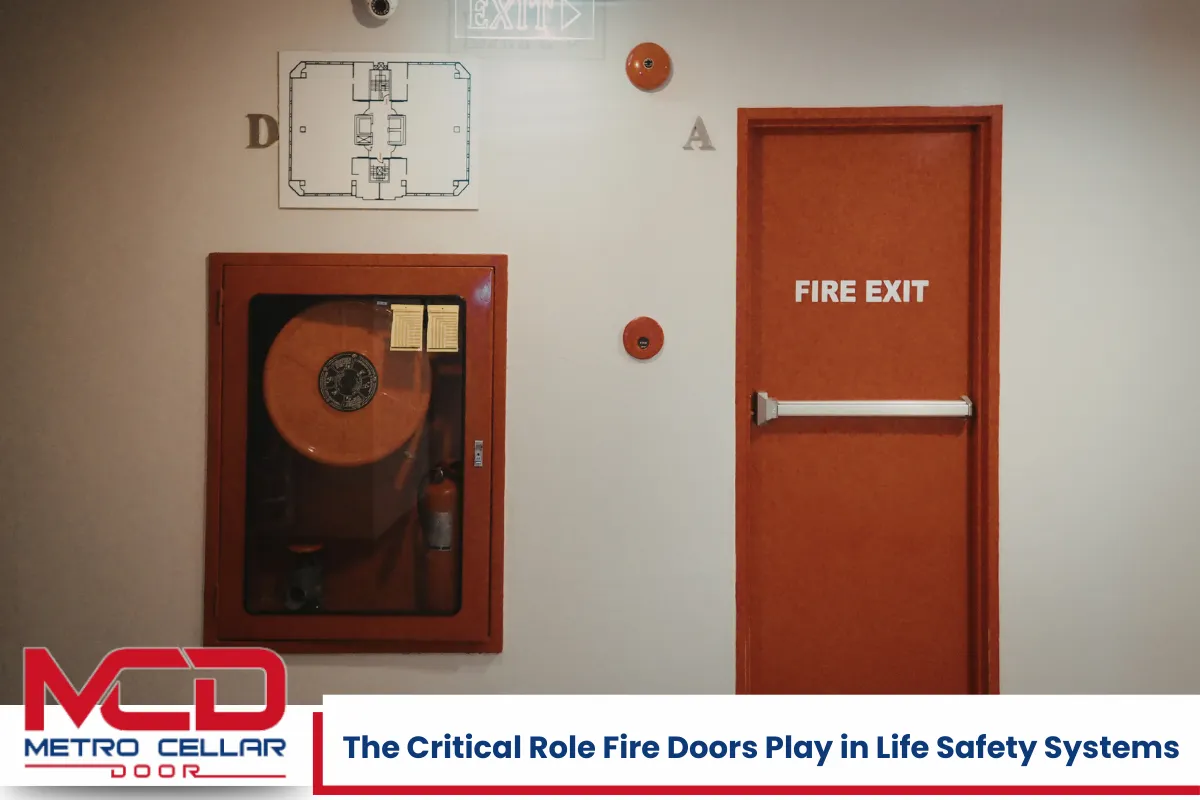
Fire doors are not just barriers. They are engineered components of a building’s passive fire protection system. Unlike sprinklers or alarms, which actively respond to fire, fire doors work by containing it. They slow the spread of flames and smoke, protecting exit corridors, stairwells, and compartmentalized areas.
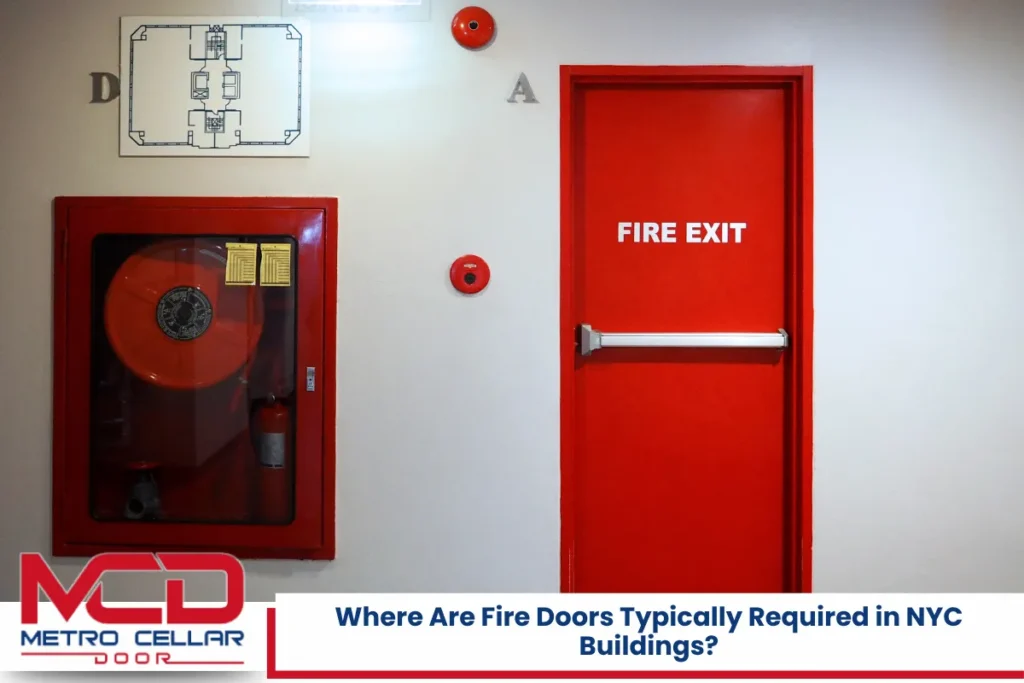
In New York City, the Fire Code and Building Code require fire-rated assemblies in specific locations, such as:
- Stair enclosures
- Elevator lobbies
- Mechanical rooms
- Boiler rooms
- Corridors in multifamily buildings
- Commercial tenant separations
Fire doors must meet fire-resistance ratings such as 20, 45, 60, 90, or 180 minutes, depending on their location and occupancy type. These ratings are tested under standards established by recognized laboratories such as Underwriters Laboratories.
Standard doors, by comparison, are primarily installed for privacy, security, or aesthetics. They are not designed to withstand high temperatures or prevent smoke migration.
Code Compliance in New York City: What Sets Fire Doors Apart
NYC Building Code Requirements
New York City follows the NYC Construction Codes, which include the Building Code based largely on the International Building Code with local amendments. Fire door assemblies must comply with:
- Fire-resistance rating requirements
- Proper labeling
- Approved hardware
- Self-closing and positive-latching mechanisms
Improper fire door installation can trigger violations from city inspectors, especially in multifamily dwellings and commercial properties. Annual fire door inspections are required in many occupancies, including apartment buildings under local laws that mandate documented inspections.
Fire Department and Inspection Standards
The Fire Department of the City of New York (FDNY) enforces fire safety requirements that include maintaining fire-rated openings. Property owners are responsible for ensuring doors are not obstructed, wedged open, or altered in a way that voids their rating.
Unlike a standard door, a fire-rated door cannot be modified casually. Even drilling unauthorized holes or installing unapproved hardware can void its certification.
Materials and Construction: Built to Withstand Extreme Heat
Fire Door Core Construction
A key difference between fire doors and standard doors lies in the core materials. Fire doors often include:
- Solid timber cores treated for fire resistance
- Steel cores
- Mineral cores
- Gypsum-based cores
These materials are tested to resist fire for specific durations. In contrast, standard interior doors are often hollow-core and provide little to no fire resistance.
Steel Fire Doors in Commercial Buildings
In commercial and industrial settings, steel fire doors are common. They are constructed from heavy-gauge steel with insulated cores. These assemblies are designed to maintain structural integrity under high heat.
Standard steel doors may look similar but are not automatically fire-rated. Only doors that have been tested and labeled as fire-rated assemblies meet code requirements.
The Importance of Fire-Rated Frames and Labels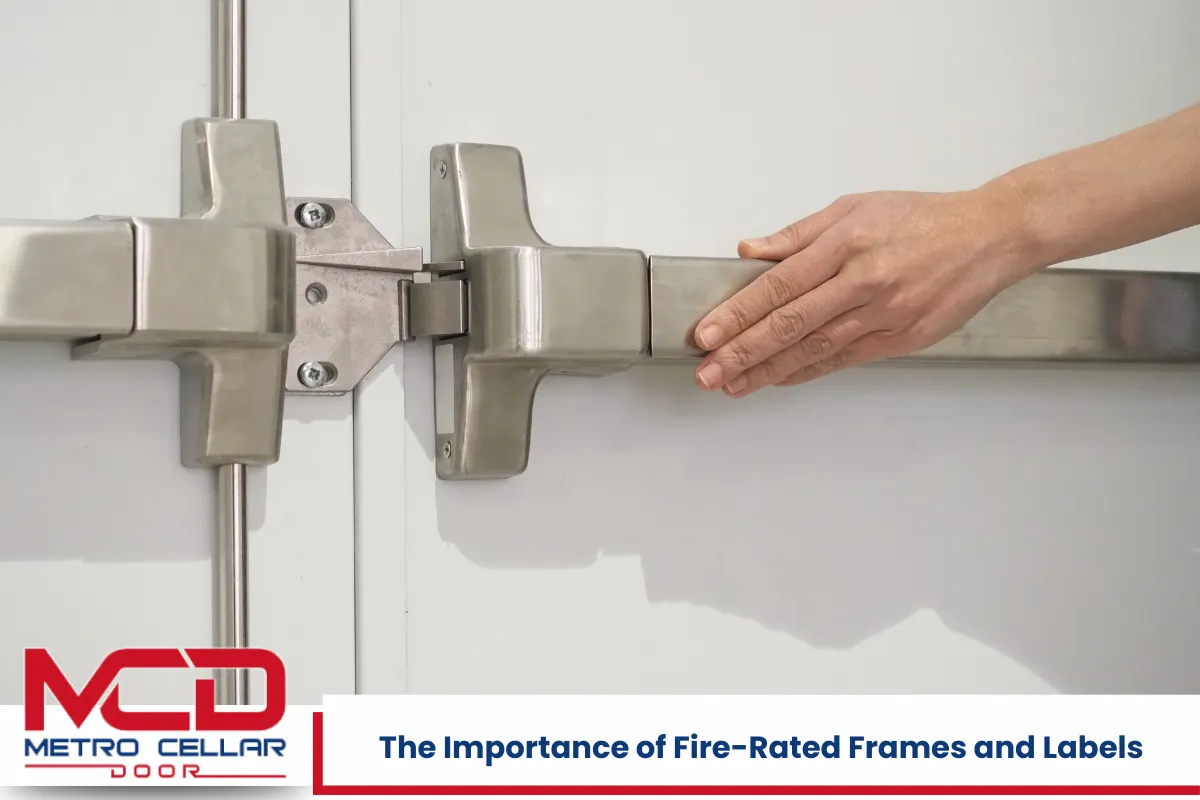
A fire door is only as strong as the frame that surrounds it. Fire-rated frames must also be tested and labeled. A certified fire door installer ensures:
- The frame is compatible with the door’s rating
- Anchoring methods meet code
- Gaps between door and frame fall within allowable tolerances
Each fire door assembly must carry a permanent label indicating:
- Manufacturer
- Fire rating
- Testing laboratory
- Compliance standard
Standard doors do not require these labels. Without a visible and legible label, inspectors may reject the door during compliance reviews.
Hardware Differences: More Than Just Hinges and Handles
Self-Closing Devices
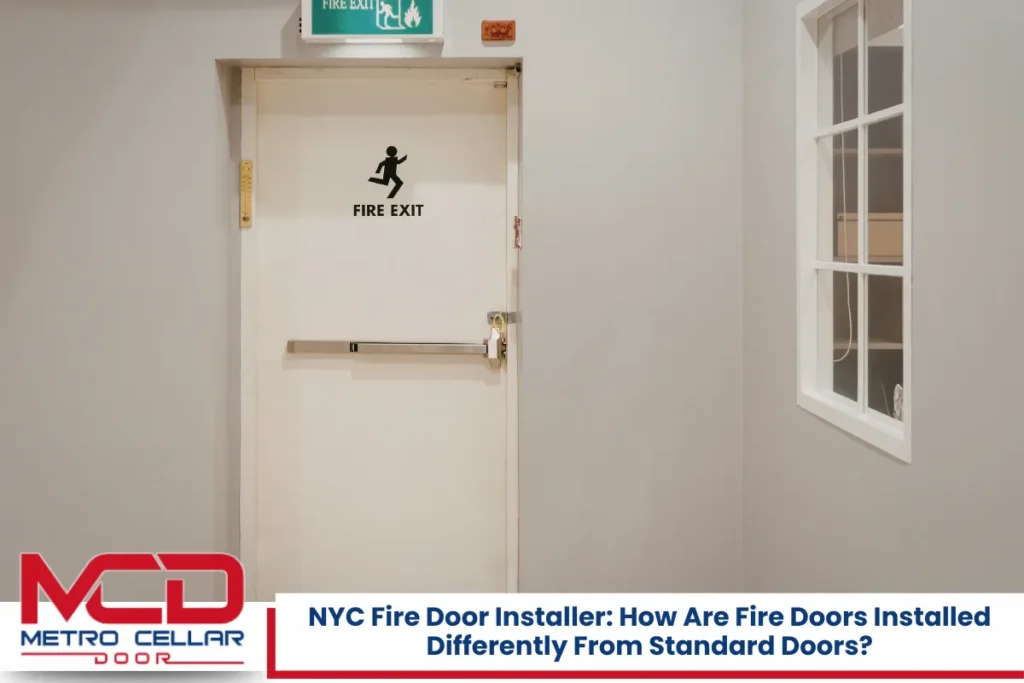
One of the most critical differences in fire door installation is the requirement for self-closing devices. Fire doors must close automatically and latch securely.
This means installation includes:
- Approved door closers
- Spring hinges (in some cases)
- Automatic closing mechanisms tied to fire alarm systems
A standard interior door may use simple hinges without a closer. That would never pass inspection in a rated assembly.
Positive Latching Requirements
Fire doors must latch completely when closed. Magnetic stops or hold-open devices are only allowed when connected to the building’s fire alarm system. When the alarm activates, the door must automatically close.
Smoke Seals and Intumescent Strips
Many fire doors also require:
- Smoke gasketing
- Intumescent seals that expand under heat
- Thresholds and sweeps
These components limit smoke transfer, which is often more dangerous than flames. Standard doors rarely include these features.
Installation Tolerances: Precision Matters
Gap and Clearance Requirements
NYC codes and national standards specify maximum allowable clearances:
- Typically 1/8 inch at the meeting edges
- Limited clearance at the bottom
- Controlled head and jamb gaps
A fire door installer must measure and adjust carefully. Excessive gaps can cause inspection failure and reduce fire resistance performance.
Standard door installation often allows for more flexibility in spacing and adjustments.
Anchoring and Reinforcement
Fire-rated frames must be anchored according to tested assembly specifications. Fastener type, spacing, and placement matter. Deviating from approved installation instructions can void the rating.
Standard door frames may use simpler anchoring methods without such strict testing criteria.
Read NYC Fire Door Installer: What Materials (Foam, Sealant) Should Be Used Around Fire Doors?
Annual Fire Door Inspections in NYC
Many property owners do not realize that fire door installation is only the first step. Annual inspections are required in many occupancies under recognized standards such as NFPA 80.
Inspections verify:
- Door closes fully
- No field modifications compromise rating
- Hardware functions properly
- Labels remain legible
- No holes or damage exist
Standard doors are not subject to these mandated inspection protocols.
Differences in Residential vs. Commercial Applications
Multifamily Buildings
In NYC apartment buildings, fire doors are typically required at:
- Apartment entry doors
- Stairwell doors
- Trash rooms
- Boiler rooms
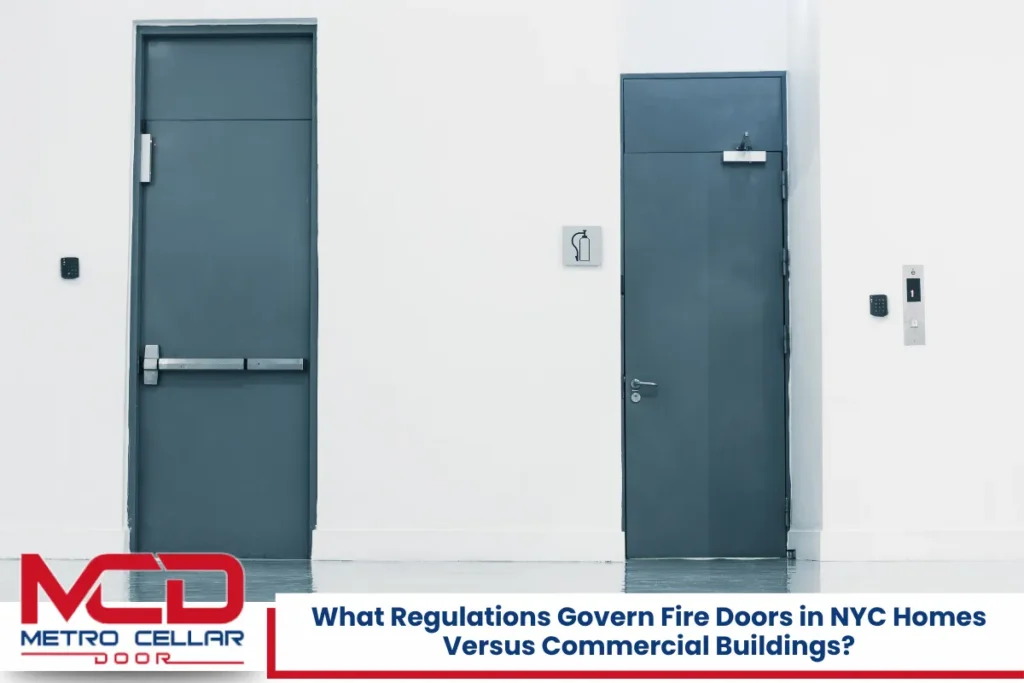
Apartment entry doors often carry a 90-minute rating in certain building types. Installation must maintain corridor integrity.
Commercial Offices and Retail Spaces
Commercial properties may require higher ratings depending on occupancy classification and fire separation needs. Tenant build-outs must ensure that any new openings comply with the approved fire protection plan.
A standard decorative door may be acceptable in a private office, but not in a rated corridor.
The Permitting Process and Documentation
Fire door installation in NYC may require permits depending on scope of work. Altering fire-rated assemblies without proper documentation can result in penalties.
A qualified fire door installer ensures:
- Compliance with approved construction documents
- Proper documentation of fire ratings
- Adherence to manufacturer installation instructions
- Inspection sign-offs when required
Standard door replacements often do not trigger the same level of regulatory review.
Common Mistakes That Void a Fire Door Rating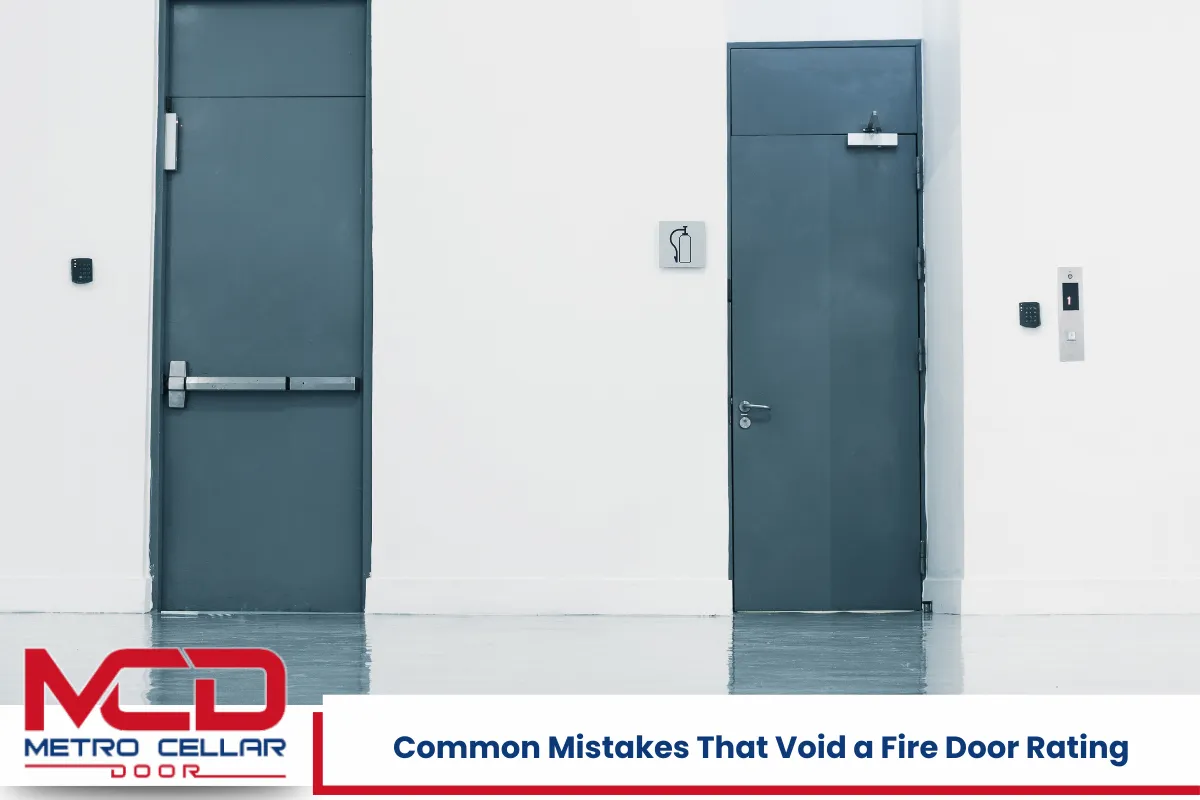
Even experienced contractors sometimes make errors when treating fire doors like standard doors. Common mistakes include:
- Installing non-rated glass panels
- Using decorative hardware not tested for fire assemblies
- Cutting excessive clearance at the bottom
- Painting over labels
- Propping doors open permanently
These actions may seem minor, but they can invalidate the entire assembly.
Cost Differences and Long-Term Value
Fire door installation typically costs more than standard door installation. This is due to:
- Specialized materials
- Certified hardware
- Skilled labor
- Inspection and compliance requirements
However, the long-term value is significant. Properly installed fire doors protect occupants, reduce liability, and prevent costly violations.
Attempting to cut corners often results in higher repair and replacement costs after failed inspections.
Selecting a Qualified Fire Door Installer in NYC
Choosing the right professional is critical. A reputable installer should:
- Understand NYC Building Code and Fire Code
- Follow manufacturer specifications
- Provide documentation and labeling verification
- Be familiar with annual inspection standards
Experience with local regulations is essential. New York City has unique enforcement practices, and compliance is not optional.
Final Thoughts on What Truly Separates Fire Doors From Standard Doors
The difference between fire doors and standard doors goes far beyond thickness or appearance. Fire doors are engineered, tested, labeled, and installed under strict guidelines to protect lives and property. In NYC, the regulatory environment adds another layer of complexity.
From fire-rated frames and intumescent seals to precise clearance requirements and mandatory inspections, fire door installation demands technical knowledge and careful execution. Treating a fire door like a standard door is a mistake that can lead to violations and safety risks.
If you own or manage property in New York City, ensuring that your fire-rated assemblies are installed and maintained correctly is not just a best practice. It is a legal and moral responsibility.
NYC Fire Door Installer – Metro Cellar Door Bilco Pro
At Metro Cellar Door Bilco Pro, we take fire safety seriously. As a trusted fire door installer serving New York City and the surrounding areas, we understand the strict requirements of NYC codes and inspection standards. We don’t treat fire door installation like a basic door replacement. We ensure every rated door, frame, and hardware component meets proper specifications and performs as designed in an emergency.
We work with residential buildings, commercial properties, and multifamily developments that require compliant fire doors. Our team focuses on precision, proper labeling, secure anchoring, and approved hardware installation.
If you need a dependable fire door installer, call us at (929) 979-7313 or fill out our contact form today. Metro Cellar Door Bilco Pro is ready to help protect your property and keep you compliant.
Frequently Asked Questions
How long does a typical fire door installation take in NYC?
The time required depends on the complexity of the project. Replacing a single fire-rated door in an existing frame may take several hours, especially if hardware adjustments and clearance measurements are needed. Installing a new fire-rated frame and door assembly can take a full day or longer, particularly in concrete or masonry walls common in NYC buildings. Additional time may be required if permits or inspections are involved. Unlike standard door installation, fire door installation involves careful measurement, labeling verification, and hardware configuration to meet code requirements.
Can a standard door be upgraded to become a fire-rated door?
In most cases, a standard door cannot simply be upgraded to meet fire-rating requirements. Fire doors must be tested and labeled as part of a certified assembly. Adding heavier hinges or installing a closer does not convert a non-rated door into a fire-rated one. The door, frame, glazing, and hardware must all be part of an approved system. In NYC, inspectors look for visible labels from recognized testing agencies. Without that certification, the door will not meet legal requirements for fire-resistance-rated openings.
What happens if a fire door fails inspection in NYC?
If a fire door fails inspection, the property owner may receive a violation notice. Depending on the occupancy type, this can lead to required corrective action within a specified timeframe. Issues may include excessive gaps, missing self-closing devices, damaged seals, or missing labels. Failure to correct violations can result in fines or further enforcement action. In multifamily buildings, unresolved fire safety violations may also affect insurance coverage or certificate of occupancy status. Prompt repairs by a qualified professional are critical.
Are glass panels allowed in fire doors?
Yes, but only if the glass and framing components are fire-rated and tested as part of the assembly. Fire-rated glazing must meet specific temperature and hose-stream test standards. The size and placement of glass panels are limited based on the door’s fire rating. In NYC, using non-rated decorative glass in a required fire door is a violation. The glazing beads and installation method must also comply with the manufacturer’s listing. Simply installing tempered glass does not make a door fire-rated.
Do fire doors require special maintenance beyond annual inspections?
Yes. While annual inspections are often required, ongoing maintenance is essential. Fire doors should never be propped open unless connected to an approved automatic release system. Building staff should regularly check that doors close and latch properly. Damaged seals, loose hinges, or misaligned frames should be repaired immediately. Any field modifications must comply with testing standards. Proper maintenance ensures the door performs correctly during a fire event and reduces the risk of code violations or liability issues.
Disclaimer: This article is for general informational purposes only and does not constitute legal or code compliance advice. Always consult qualified professionals and refer to current NYC Building Code and Fire Code requirements for specific projects.
Read NYC Basement Door Installer: What to Do When Your NYC Basement Door Won’t Close