
Why the Right Materials Around Fire Doors Matter More Than You Think
NYC Fire Door Installer is not just a search term—it represents a critical safety role in a city where building codes are strict and fire risks are real. The problem many property owners face is assuming that any foam or sealant can be used around a fire-rated assembly. That mistake can void the fire rating, trigger violations, and put lives at risk. In a dense environment like New York City, even small gaps around fire doors can allow smoke and flames to spread rapidly between corridors, stairwells, and units. The solution? Use properly tested and labeled fire-rated materials that comply with NYC Building Code, NFPA standards, and manufacturer listings. In this guide, you’ll learn exactly what materials should—and should never—be used around fire doors.
The Critical Role of Fire-Rated Door Assemblies in NYC Buildings
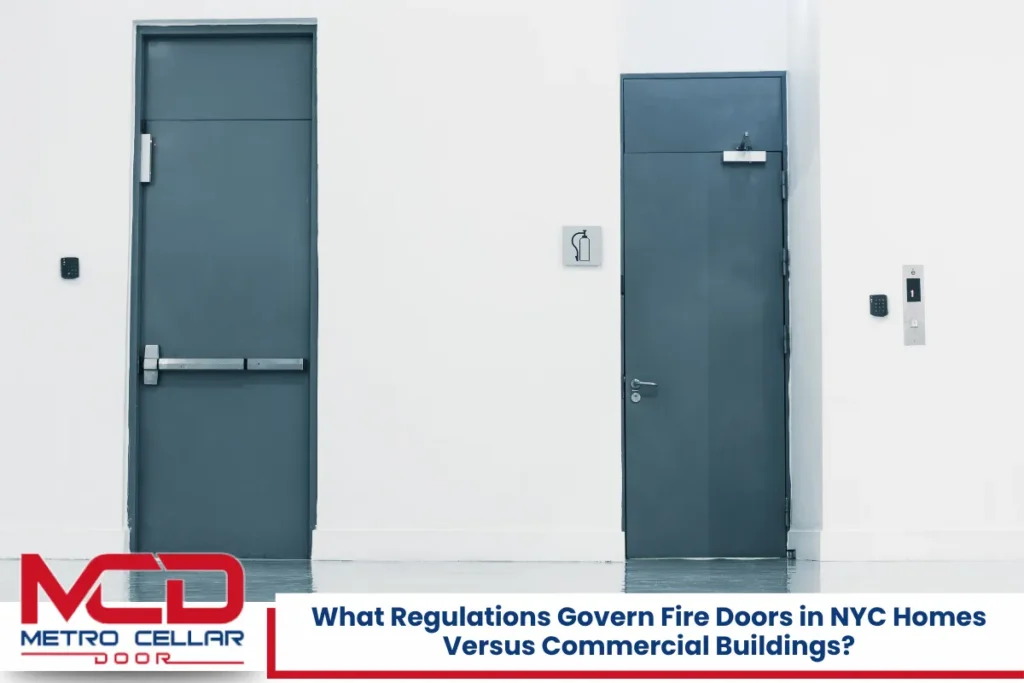
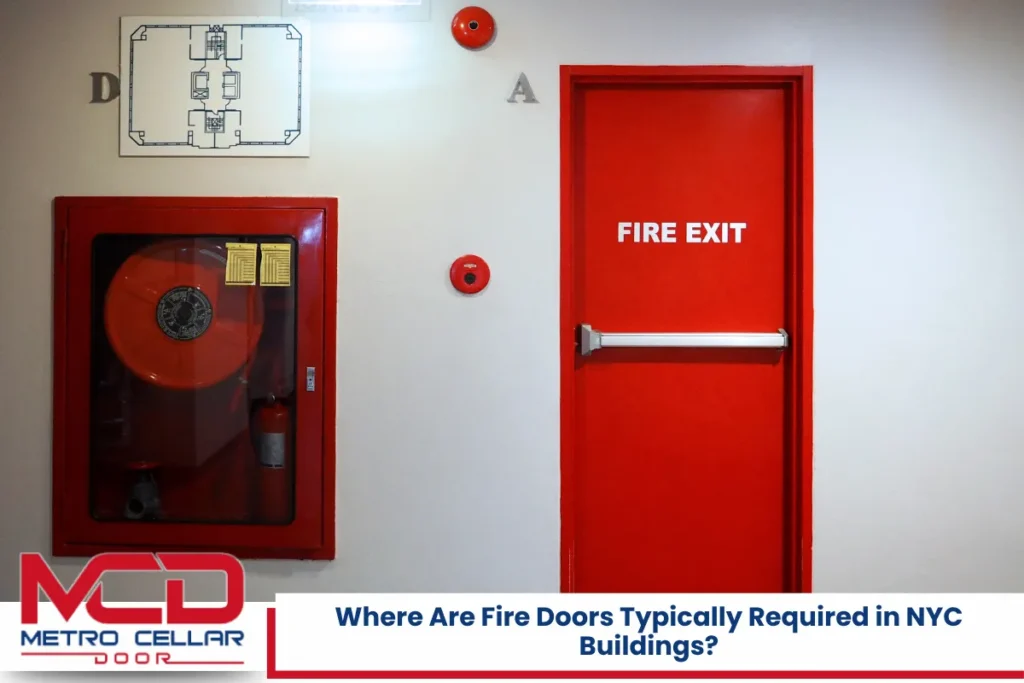
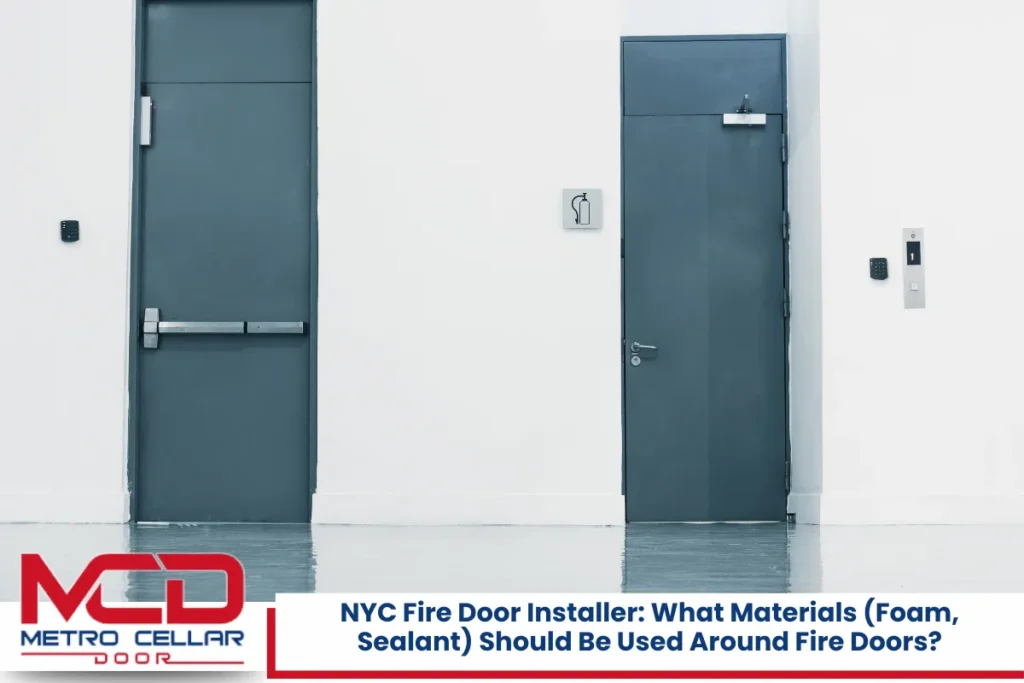
Fire doors are not ordinary doors. They are part of a tested fire-resistance-rated assembly designed to compartmentalize a building during a fire. In New York City, these assemblies are regulated by:
- NYC Building Code (based on the International Building Code)
- NYC Fire Code
- NFPA 80: Standard for Fire Doors and Other Opening Protectives
- NFPA 101: Life Safety Code
A proper fire door installation must match the listing of the door, frame, hardware, glazing, and surrounding wall construction. If the installer uses the wrong foam or sealant around the frame, the assembly may fail inspection.
In multi-family buildings, commercial properties, schools, and hospitals, fire doors are commonly required for:
- Stairwells
- Corridor openings
- Mechanical rooms
- Boiler rooms
- Electrical rooms
- Exit passageways
Every gap around these doors must be treated correctly.
Understanding the Gaps Around Fire Doors
Before discussing materials, it is important to understand where gaps exist.
Common Gap Areas
- Between the door frame and the wall
- Around glazing components (if applicable)
- Around penetrations near the frame
- Between frame and masonry or drywall
- At the threshold or sill
According to NFPA 80, maximum allowable clearances around fire doors are strictly defined. Excessive gaps are one of the most common inspection failures in NYC.
If gaps are too large and filled improperly, the door may not resist fire or smoke as tested.
What Materials Are Approved Around Fire Doors?
Not all foam and sealants are created equal. Only fire-rated and tested materials can be used in conjunction with fire door installation.
Fire-Rated Expanding Foam
Fire-rated foam is specifically designed to resist flame spread and limit smoke migration. It is often labeled as:
- Fireblock foam
- Firestop foam
- Intumescent foam
However, not all fireblock foams are rated for use in fire door assemblies. The product must:
- Have a UL listing or equivalent testing
- Be approved for use in fire-resistance-rated wall systems
- Match the wall rating (1-hour, 2-hour, etc.)
In NYC, a fire door installer must verify that the foam does not compromise the door frame’s listing. Many frames require mineral wool and fire-rated sealant instead of standard expanding foam.
Important note: Regular construction foam from hardware stores is not acceptable for fire-rated assemblies.
Fire-Rated Sealant (Firestop Sealant)
Firestop sealant is one of the most commonly approved materials around fire door frames.
Key characteristics:
- Intumescent properties (expands when exposed to heat)
- UL-classified firestop system
- Compatible with gypsum, masonry, and steel frames
- Tested under ASTM E814 or UL 1479
In many NYC commercial buildings, inspectors expect to see firestop sealant used between:
- Hollow metal frames and masonry walls
- Steel frames and drywall partitions
Firestop sealant also helps maintain smoke resistance, which is critical in high-rise buildings.
Mineral Wool (Rockwool) Insulation
Mineral wool is frequently required behind the sealant. It is noncombustible and resistant to high temperatures.
Typical approved installation method:
- Pack mineral wool tightly into the gap between frame and wall
- Apply fire-rated sealant over the surface
This method is commonly referenced in UL-listed firestop systems.
Mineral wool does not burn and helps prevent flame passage through the opening.
Materials That Should NEVER Be Used Around Fire Doors
A certified fire door installer in NYC would never use:
- Standard polyurethane foam
- Silicone sealant without fire rating
- Wood shims left exposed
- Spray insulation not tested for fire assemblies
- Caulk without fire-resistance classification
Using non-rated materials can result in:
- FDNY violations
- DOB inspection failures
- Insurance complications
- Increased liability exposure
In some cases, building owners may be required to remove and replace improperly installed frames.
Read NYC Fire Door Installer: How Are Fire Doors Installed Differently From Standard Doors?
NYC Code Requirements and Compliance Considerations
New York City enforces strict compliance for fire-rated assemblies.
NYC Building Code
The NYC Building Code requires that fire-resistance-rated construction be installed according to tested assemblies. This means:
- You cannot improvise materials.
- You must follow manufacturer instructions.
- Products must have documented fire-resistance ratings.
NFPA 80 Inspection Requirements
Fire doors in many NYC buildings must undergo annual inspections.
Inspectors check:
- Door operation
- Frame condition
- Gasketing
- Clearances
- Field modifications
- Proper sealing around frames
If a fire door installer uses the wrong sealant, it may fail inspection even if the door appears secure.
The Importance of UL Listings and Tested Assemblies
When selecting materials, always look for:
- UL listing number
- Compliance with ASTM E84 (surface burning characteristics)
- Fire-resistance rating equal to or greater than the wall rating
A UL-listed firestop system specifies:
- Type of wall construction
- Maximum joint width
- Approved backing material
- Approved sealant thickness
This is not optional in NYC. Inspectors may request documentation.
Smoke Control and the Role of Sealants
Modern NYC high-rise buildings emphasize smoke control as much as flame resistance.
Smoke spreads faster than fire and causes most fatalities.
Approved sealants must:
- Limit smoke passage
- Remain flexible over time
- Resist cracking
Some assemblies also require:
- Smoke gasketing
- Intumescent strips
- Door sweeps
Proper fire door installation integrates all these components without compromising rating.
Fire-Rated Foam vs. Firestop Sealant: Which Should You Choose?
The answer depends on the assembly listing.
Fire-Rated Foam May Be Acceptable When:
- The wall system listing permits it
- The gap size falls within tested limits
- The foam carries the required fire-resistance rating
Firestop Sealant with Mineral Wool Is Preferred When:
- Installing hollow metal frames
- Working in masonry walls
- Filling larger gaps
- Following traditional UL firestop systems
In NYC, many inspectors favor mineral wool plus fire-rated sealant for frame installations because it has a long history of compliance.
Installation Best Practices for Fire Door Assemblies
A professional fire door installer should follow these steps:
- Verify wall fire rating.
- Confirm door and frame label rating.
- Measure gap size.
- Select a UL-tested firestop system.
- Install mineral wool (if required).
- Apply fire-rated sealant to proper depth.
- Maintain required clearances.
- Document materials used.
Documentation is important in NYC, especially in commercial properties.
Common Mistakes During Fire Door Installation
Many violations stem from avoidable errors:
- Overfilling gaps with foam
- Cutting frame anchors improperly
- Removing fire labels
- Field-modifying the frame without approval
- Painting over labels
- Using drywall compound instead of firestop
These mistakes can invalidate the fire rating.
Multi-Family and Commercial Building Considerations in NYC
New York City’s housing stock includes:
- Pre-war masonry buildings
- High-rise residential towers
- Mixed-use properties
- Commercial office buildings
Each presents unique challenges.
In older masonry buildings, gaps between frame and wall can be irregular. Mineral wool is often necessary.
In newer steel-framed construction, tested joint systems are typically specified in construction documents.
Property managers must ensure that any fire door installer they hire understands NYC code enforcement practices.
Coordination with FDNY and DOB Inspections
The NYC Department of Buildings and FDNY may inspect fire door assemblies.
During inspection, officials may:
- Check door labels
- Verify rating
- Examine frame sealing
- Confirm hardware compliance
Improper materials around the frame are often visible and can lead to violations.
Using properly labeled fire-rated foam or sealant helps avoid costly rework.
When Replacement Is Necessary
If improper materials were previously used, replacement may be required.
Options include:
- Removing frame and reinstalling properly
- Removing foam and replacing with mineral wool and firestop sealant
- Installing listed firestop systems retroactively
Consulting with a knowledgeable fire door installer is critical before attempting corrections.
Why Professional Expertise Matters in NYC
Fire doors are life safety components, not cosmetic features.
Improper installation:
- Compromises compartmentalization
- Violates NYC codes
- Endangers occupants
- Increases liability
A trained professional understands:
- UL systems
- NFPA standards
- NYC amendments
- Firestop classifications
- Smoke ratings
Cutting corners on materials is never worth the risk.
Choosing the Right Materials Protects Lives and Property
Every material placed around a fire-rated door plays a role in containing flames and smoke. In New York City, compliance is not optional. Fire-rated expanding foam, intumescent sealants, and mineral wool are common solutions—but only when used according to tested systems. The safest approach is to follow manufacturer listings, NYC Building Code requirements, and NFPA 80 guidance. When properly installed, fire doors buy time during emergencies, protect escape routes, and reduce property damage. That protection begins with selecting the right materials and hiring a qualified fire door installer who understands the demands of NYC buildings.
NYC Fire Door Installer – Metro Cellar Door Bilco Pro
When safety and code compliance matter, we deliver dependable results. At Metro Cellar Door Bilco Pro, we provide professional fire door installation services throughout New York City and surrounding areas. As an experienced fire door installer, we understand NYC Building Code requirements, NFPA standards, and the importance of properly sealing frames with approved fire-rated materials.
We don’t cut corners. Our team ensures that every fire door assembly is installed with the correct firestop sealant, mineral wool backing, and compliant components. Whether you need new installations, repairs, or corrections after a failed inspection, we’re ready to help.
Call us today at (929) 979-7313 or fill out our contact form to schedule your consultation. We are committed to protecting your property and keeping your building compliant.
Frequently Asked Questions
1. Are there specific fire ratings required for residential buildings in NYC?
Yes. In many NYC multi-family residential buildings, corridor doors and stairwell doors must have a minimum 45-minute to 90-minute fire rating, depending on building height and occupancy classification. High-rise buildings often require higher ratings. The wall rating determines the required door rating. It’s important to verify the building’s construction type and occupancy group under NYC Building Code. A qualified professional should confirm that the door label matches the required rating and that all surrounding materials maintain the integrity of the assembly.
2. Can I repair small gaps around a fire door myself?
Minor cosmetic repairs may seem simple, but sealing gaps in a fire-rated assembly requires approved materials and methods. Using the wrong caulk or foam can void the fire rating. In NYC, improper repairs may result in violations during inspections. Even small gaps must fall within NFPA 80 clearance limits. It is safer to consult a trained fire door installer who can evaluate whether mineral wool, firestop sealant, or other listed materials are required.
3. How often must fire doors be inspected in NYC?
Many commercial and multi-family buildings must conduct annual fire door inspections in accordance with NFPA 80. Documentation must be kept on file for review. Inspections check door operation, hardware, frame condition, gasketing, and clearances. If deficiencies are found, they must be corrected without delay. Building owners are responsible for ensuring compliance, and failure to maintain records may lead to penalties.
4. What is the difference between a fire door and a smoke door?
A fire door is tested to resist flames for a specified time period, such as 60 or 90 minutes. A smoke door focuses on limiting smoke infiltration and may include additional gasketing and seals. In many NYC buildings, corridor doors must provide both fire resistance and smoke control. Some doors carry an “S” label indicating smoke compliance. The surrounding sealant and gasketing materials must support both fire and smoke performance requirements.
5. Do fire door frames need to be labeled as well?
Yes. Fire-rated frames typically include a label from the manufacturer indicating the rating. Both the door and frame must be compatible and listed as part of a tested assembly. Removing or painting over labels can cause inspection failures. During installation, it’s important to preserve these labels and avoid modifications that could invalidate the rating. Documentation may be required during building inspections.
Disclaimer: This article is for informational purposes only and does not constitute legal or code compliance advice. Always consult current NYC Building Code, FDNY regulations, and qualified professionals before performing fire-rated installations.
Read 5 Common Signs of Basement Door Failure: Advice from NYC Basement Door Installer