
Why NYC Basement Door Installer Expertise Matters Before It’s Too Late
NYC Basement Door Installer professionals see the same problem over and over: homeowners wait until water pours into the basement or the doors refuse to open before taking action. That delay can lead to structural damage, mold growth, pest intrusion, and costly repairs that could have been prevented. In a city like New York, where heavy rain, snow, and freeze-thaw cycles are common, basement doors take a beating year-round. Ignoring early warning signs only makes things worse.
The good news? Most failing basement doors show clear symptoms long before total breakdown. In this guide, you’ll learn the five most common signs of basement door failure, why they happen, and what a professional basement door installer recommends to protect your home and stay compliant with New York City building codes.
1. Water Leaks Around the Basement Doors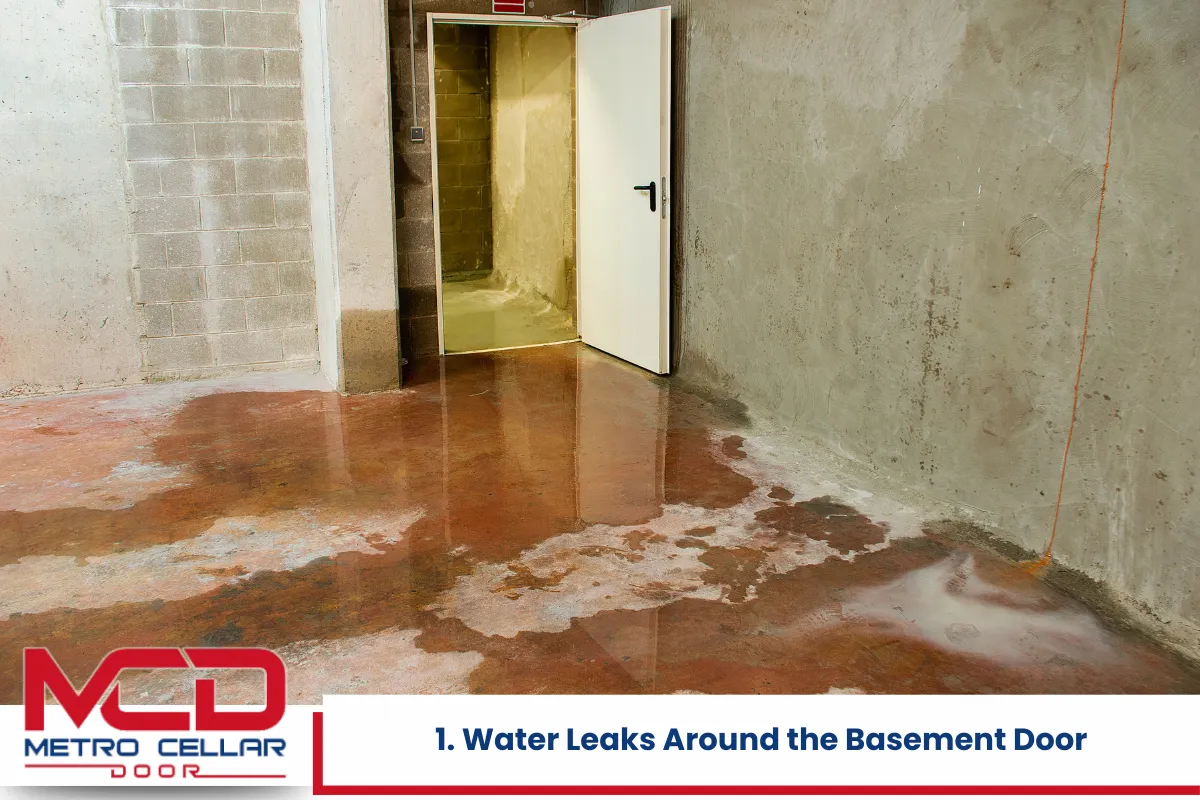
Water intrusion is the most obvious and most damaging sign of basement door failure. In New York City, heavy storms and rapid snowmelt can quickly expose weaknesses in aging doors.
Common Causes of Water Leaks
- Worn-out weather stripping
- Rusted steel doors
- Deteriorated foundation curb or frame
- Improper basement door installation
- Clogged exterior drains around the stairwell
Even a small gap can allow rainwater to seep into the stairwell and basement. Over time, this leads to:
- Mold and mildew growth
- Rotting wood framing
- Corrosion of mechanical systems
- Structural damage to masonry
Why This Is Serious in NYC
New York City’s Building Code requires structures to prevent moisture intrusion that can compromise habitability and structural integrity. If basement doors are part of an egress system or access to mechanical rooms, water damage can also create safety hazards.
A qualified basement door installer evaluates more than just the door panel. They check flashing, the concrete areaway, drainage systems, and proper slope away from the home. Many high-quality steel cellar doors, such as those manufactured by nationally recognized brands, are designed with overlapping seams and gasket systems specifically to prevent leaks.
If you notice puddles, damp walls, or rust stains around the opening, it’s time to schedule an inspection before the next storm hits.
2. Rust, Corrosion, or Visible Structural Damage
Steel basement doors are popular in New York because they are durable and secure. However, they are not immune to corrosion.
How Rust Develops
Basement doors are constantly exposed to:
- Rain
- Road salt
- Snow
- Humidity
- Air pollution
Over time, paint chips and protective coatings wear away. Once bare metal is exposed, rust spreads quickly. Surface rust may seem minor, but structural corrosion weakens hinges, fasteners, and panels.
Signs You Should Not Ignore
- Flaking or bubbling paint
- Soft or thinning metal
- Cracks in the door panel
- Loose or failing hinges
- Gaps forming at seams
If corrosion affects the hinge system, doors can suddenly collapse or detach. That presents a serious safety risk.
Structural Concerns and Code Compliance
In NYC, exterior doors must remain secure and functional. A basement door that cannot close tightly or latch properly may compromise home security. In multi-family buildings, failing cellar doors can also raise liability concerns if someone is injured due to defective hardware.
A professional basement door installation includes galvanized or powder-coated steel designed to resist corrosion. In many cases, replacing a severely rusted unit is safer and more cost-effective than attempting temporary patch repairs.
3. Doors That Stick, Shift, or Refuse to Close Properly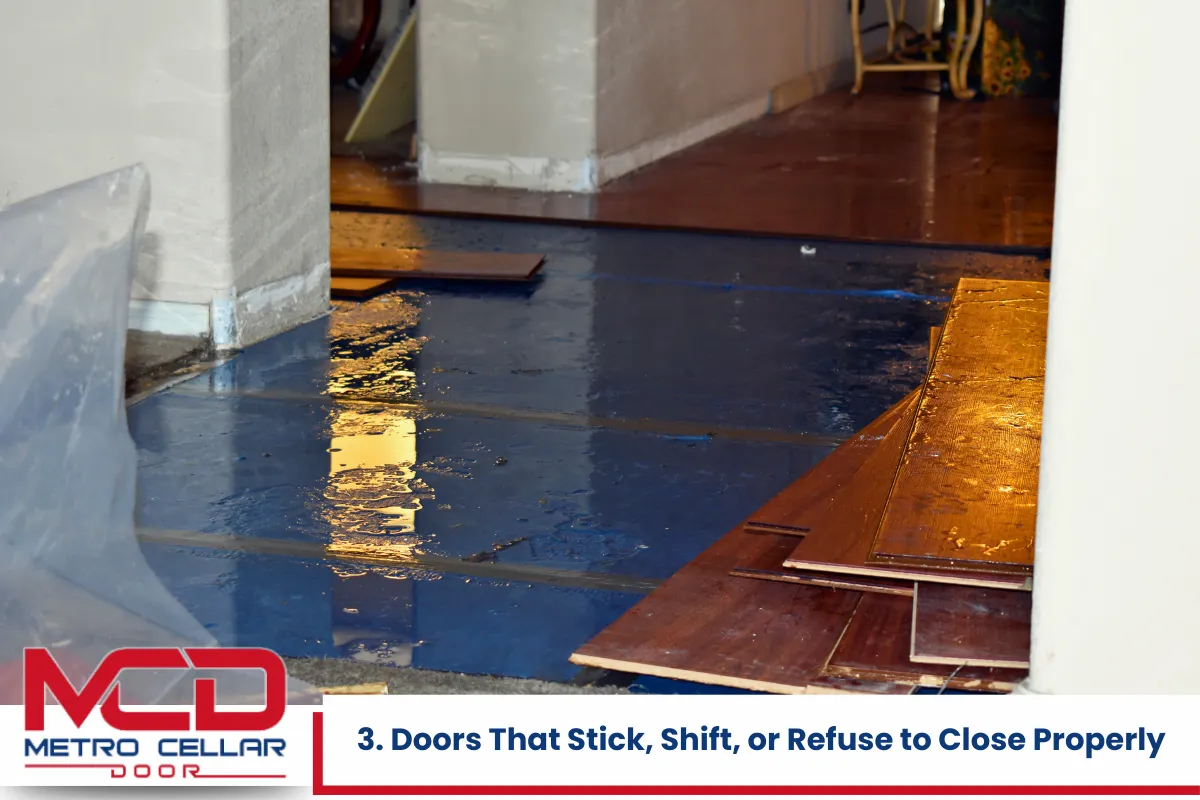
Basement doors should open smoothly and close securely. If you need excessive force to operate them, something is wrong.
What Causes Misalignment?
New York City homes—especially older brownstones and townhouses—often experience foundation settlement. Over time, this movement can shift the frame of the basement opening.
Other common causes include:
- Improper original installation
- Warped door panels
- Damaged hinge brackets
- Uneven concrete foundation
- Freeze-thaw expansion of surrounding masonry
The Hidden Risks
Misaligned basement doors can:
- Leave gaps that allow water intrusion
- Create safety hazards when opening or closing
- Prevent proper locking
- Accelerate wear on hinges
In homes where basement access is frequently used for storage or mechanical access, this becomes more than an inconvenience. It’s a daily safety issue.
Professional Evaluation Makes a Difference
An experienced basement door installer checks the curb foundation, anchor bolts, and frame level. Sometimes minor adjustments resolve the issue. In other cases, the entire foundation curb must be rebuilt to ensure a proper seal and structural support.
Basement door installation in NYC often requires precise measurements and customized sizing due to non-standard openings. A poor fit will never function correctly long term.
4. Drafts, Energy Loss, and Poor Insulation
Many homeowners don’t realize that basement doors can affect overall home energy efficiency.
Signs of Air Leakage
- Cold air entering the basement
- Noticeable drafts near the door
- Increased heating bills
- Moisture condensation inside
New York winters are harsh. If your cellar door lacks proper insulation or weather sealing, cold air can enter and force your heating system to work harder.
Why Insulation Matters
Modern steel basement doors often include insulated cores and tight gasket systems. Older models typically do not. Replacing outdated doors can:
- Improve energy efficiency
- Reduce heating costs
- Minimize condensation buildup
- Prevent pipe freezing near entry points
New York City Energy Conservation Code standards emphasize minimizing building envelope air leakage. While basement doors may not always be the primary focus, improving this weak point can significantly enhance home performance.
A professional basement door installer will recommend insulated options and proper sealing methods tailored to your structure.
Read NYC Basement Door Installer: What to Do When Your NYC Basement Door Won’t Close
5. Security Concerns and Outdated Locking Systems
Basement doors are often overlooked entry points. Unfortunately, intruders know this.
Warning Signs of Security Weakness
- Loose latch mechanisms
- Rusted or broken padlocks
- Thin, easily bendable metal panels
- Gaps large enough to pry open
In dense urban environments like NYC, security is critical. A compromised basement door can provide direct access to utilities, storage areas, or interior staircases.
Upgrading for Safety
Modern basement doors feature:
- Reinforced steel construction
- Tamper-resistant hinges
- Internal locking bars
- Heavy-duty hasp systems
In some cases, local building regulations for multi-unit properties may require secure access points to prevent unauthorized entry.
A licensed basement door installer ensures that new installations meet structural and security standards while maintaining ease of use for homeowners.
When Repair Is No Longer Enough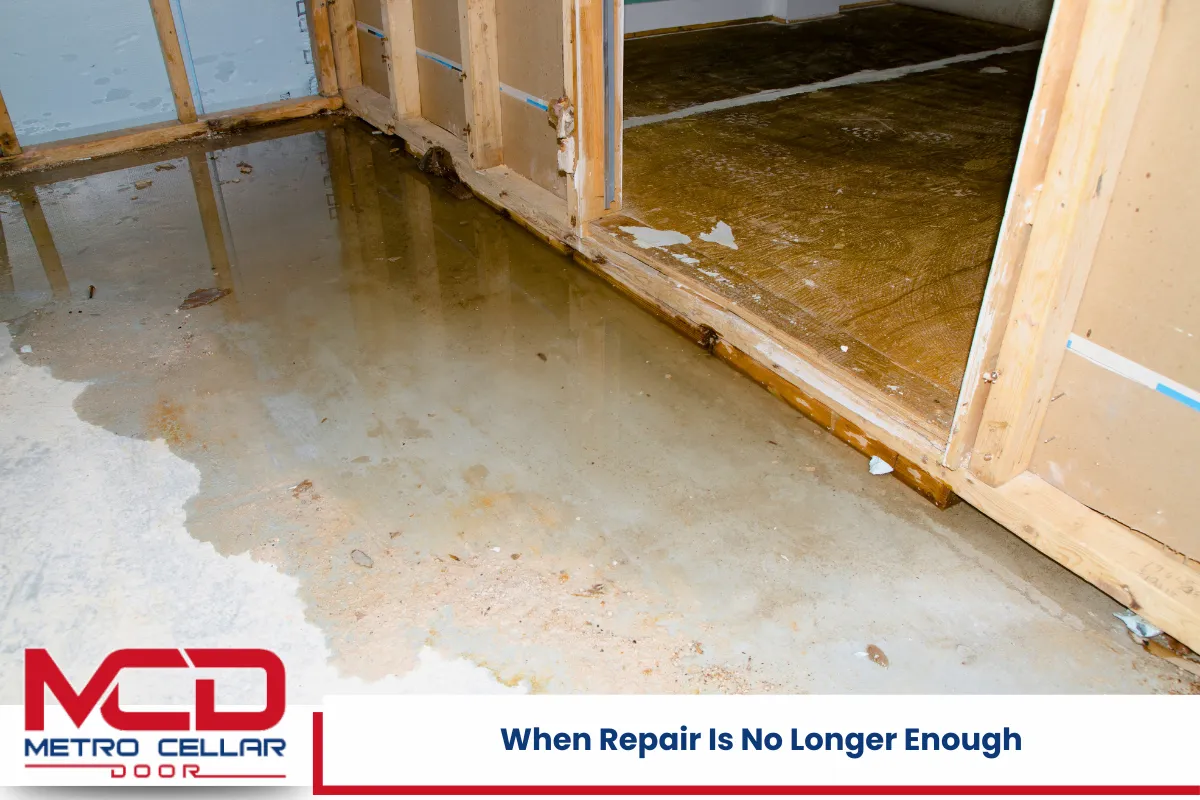
Homeowners often ask whether they should repair or replace failing basement doors. The answer depends on:
- Age of the door
- Extent of corrosion
- Structural integrity of the frame
- Water damage history
- Compliance with current code
Minor issues like worn weather stripping can be repaired. However, significant rust, recurring leaks, or shifting frames often justify full replacement.
Professional basement door installation provides:
- Long-term waterproofing
- Improved security
- Better insulation
- Code-compliant installation
- Increased property value
Cutting corners may save money today, but it can lead to higher repair costs in the future.
NYC Regulations and What Homeowners Should Know
In New York City, exterior structural modifications may require permits depending on the scope of work. Replacing a basement door typically does not require extensive permitting if dimensions remain the same. However:
- Structural alterations to the opening may require approval.
- Work must comply with NYC Building Code.
- Egress requirements must be maintained where applicable.
Homeowners should work with experienced professionals familiar with local construction standards and weather challenges specific to New York.
Improper basement door installation can create violations, insurance issues, and liability concerns.
Protecting Your Investment Before Major Damage Occurs
Basement doors may not be the most glamorous part of your home, but they protect everything below ground level. From mechanical systems to finished basements, your entire lower level depends on a properly functioning access door.
Early warning signs should never be ignored:
- Water pooling or dampness
- Visible rust or corrosion
- Doors sticking or misaligned
- Drafts and temperature swings
- Weak or outdated locking systems
Addressing these issues early with a qualified basement door installer prevents larger structural and financial headaches down the line.
NYC Basement Door Installer – Metro Cellar Door Bilco Pro
At Metro Cellar Door Bilco Pro, we specialize in professional basement door installation throughout New York City and the surrounding areas. As an experienced basement door installer, we understand the challenges that NYC weather, aging foundations, and heavy urban use create for basement doors.
We provide durable, weather-resistant steel doors designed to prevent leaks, improve security, and stand up to harsh winters. Our team ensures precise measurements, proper foundation preparation, and secure installation that complies with New York City building standards.
If you’ve noticed rust, leaks, drafts, or doors that won’t close properly, don’t wait. We offer prompt service and honest recommendations tailored to your property. Call us today at (929) 979-7313 or fill out our contact form to schedule an inspection. Metro Cellar Door Bilco Pro is ready to protect your home with expert basement door installer services you can trust.
Frequently Asked Questions
1. How long does a typical basement door last in New York City?
The lifespan of basement doors depends on material quality, installation, and exposure to weather. In NYC, steel doors typically last 15 to 25 years if properly maintained. However, heavy exposure to salt, snow, and rain can shorten that lifespan. Regular inspections, repainting protective coatings, and replacing weather seals can extend durability. Poor basement door installation may significantly reduce longevity. If your door is more than 20 years old and showing corrosion or misalignment, replacement is often the most cost-effective long-term solution.
2. Do basement doors increase home value?
Yes, properly installed basement doors can improve property value. Buyers appreciate secure, watertight access points and durable construction. In NYC, where finished basements are common, a new steel cellar door signals proper maintenance and protection from water intrusion. Updated basement doors also enhance curb appeal and reduce inspection concerns during property sales. If existing doors show rust or leakage, replacing them before listing your home can prevent negotiation setbacks and increase buyer confidence.
3. Are insulated basement doors worth the extra cost?
Insulated basement doors can significantly improve energy efficiency, especially in colder climates like New York. They reduce drafts, minimize condensation, and help maintain consistent basement temperatures. This is particularly beneficial if your basement contains living space, laundry areas, or mechanical systems. While insulated models may cost more upfront, they often reduce heating expenses and improve comfort. Over time, the energy savings and moisture control benefits typically justify the investment.
4. Can I replace a basement door myself?
While some homeowners attempt DIY installation, basement door replacement involves precise measurements, structural anchoring, waterproof sealing, and proper alignment. Incorrect installation can lead to leaks, code violations, and safety hazards. In NYC, working on structural openings without proper knowledge may also create compliance issues. Hiring a professional basement door installer ensures proper fit, drainage management, and long-term performance. The cost of correcting installation mistakes often exceeds the price of professional service.
5. What maintenance is required after new basement door installation?
After professional basement door installation, routine maintenance helps extend its lifespan. Homeowners should inspect hinges, locking mechanisms, and weather stripping annually. Cleaning debris from stairwells and drainage areas prevents water buildup. Applying protective paint or rust-inhibiting coatings when needed maintains corrosion resistance. During winter, removing snow accumulation reduces stress on hinges. Regular inspections ensure minor issues are addressed early before developing into costly repairs.
Important Notice: This article is for general informational purposes only and does not constitute legal, engineering, or building code advice. Requirements may vary depending on property type and location within New York City. Always consult a qualified professional for project-specific recommendations.
Read New York City Cellar Door Installer: How Long Do Cellar Doors Last?