
Protecting New York Properties: How Fire Door Ratings Make the Difference
When choosing a New York fire door installer, many property owners worry about one crucial question: how long will their fire doors actually hold up in a real emergency? The answer can make the difference between a minor incident and a devastating loss. Without the right fire door installation, businesses and apartment buildings are left exposed to rapidly spreading flames and toxic smoke. This is not just about code compliance—lives and assets are at stake. By understanding how long various types of fire doors can withstand fire, you can make an informed decision and ensure your property meets all safety standards. Read on to discover everything you need to know about fire door installers, fire doors, and how long each type can truly protect your space.
The Vital Role of Fire Doors in Fire Safety
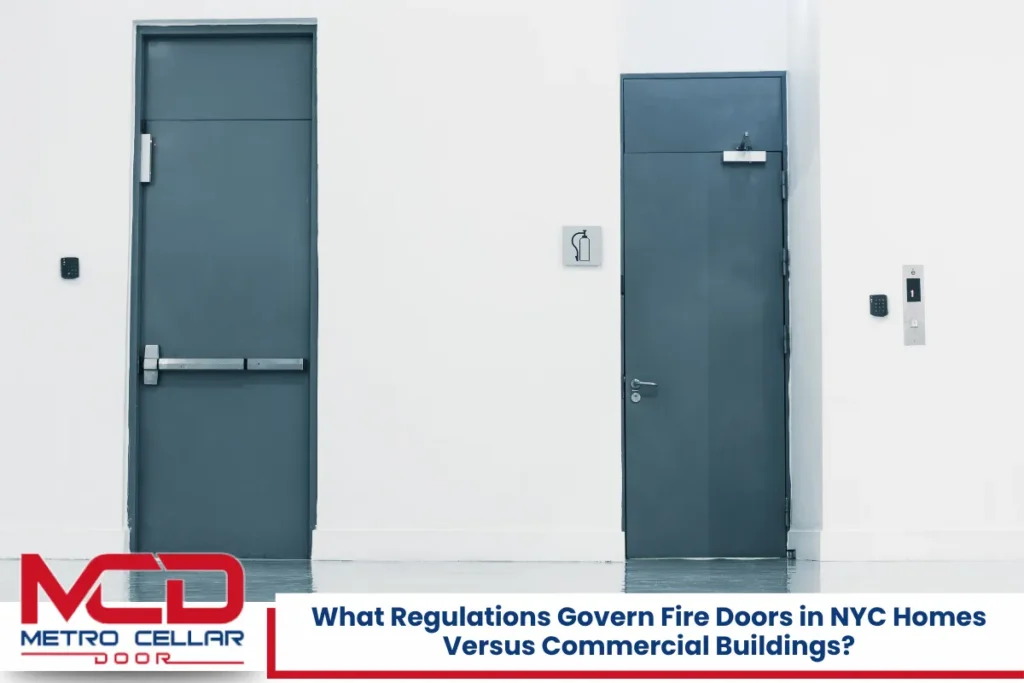
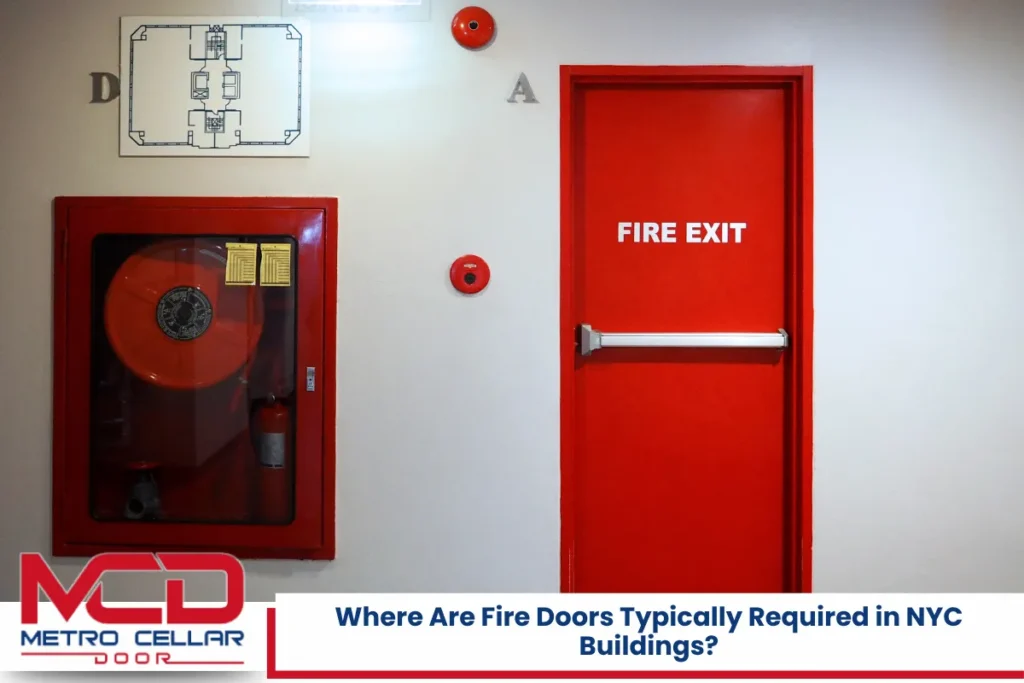
Modern buildings in New York City rely on fire doors to compartmentalize flames, block heat, and keep escape routes accessible during an emergency. Fire doors are specifically engineered barriers installed by professional fire door installers, designed to slow the spread of fire and smoke between different sections of a building. When installed correctly, these doors are critical for code compliance, insurance requirements, and—most importantly—life safety.
Why You Need a Certified Fire Door Installer
A certified installer doesn’t just hang a door—they ensure every component, from the door frame to the seals and hardware, meets New York City’s rigorous fire safety codes. Proper fire door installation guarantees that each door will perform as rated, maximizing both safety and compliance.
Understanding Fire Door Ratings: What Do They Really Mean?
Every fire door is given a specific fire-resistance rating, measured in minutes or hours. This rating is the amount of time a closed door can contain a fire, maintaining its structural integrity and blocking smoke and heat from spreading.
Common Fire Door Ratings Explained
- 20-Minute Fire Doors: Often used in residential units or corridors where the fire risk is lower. These doors slow down a fire but are not designed for high-risk areas.
- 45-Minute Fire Doors: Frequently installed between living spaces and garages, or in small commercial settings. They offer a higher level of protection.
- 60-Minute Fire Doors (1-hour): Standard in many office buildings, schools, and multi-unit residential properties in NYC.
- 90-Minute Fire Doors: Required in stairwells, elevator shafts, and critical exit routes, especially in high-rise structures.
- 120-Minute Fire Doors (2-hour): Used in hazardous or high-risk locations such as boiler rooms, or areas storing flammable materials.
What Determines a Fire Door’s Rating?
Several factors impact a door’s fire rating:
- Core material (e.g., solid wood, steel, mineral core)
- Thickness of the door
- Integrity of seals and glazing
- Fire-rated hardware
Professional fire door installation ensures all these components work together for maximum performance.
Different Types of Fire Doors and Their Fire Resistance
The fire resistance of a door depends not just on its rating but also on its construction and location. Here’s how the most common fire doors stack up:
Steel Fire Doors
Steel fire doors are the preferred choice in many commercial and industrial properties. Their dense core and steel skin can withstand fire and heat far longer than most other types.
- Fire resistance: 90-120 minutes
- Best used in: Warehouses, stairwells, exits, areas with hazardous materials
Timber Fire Doors
Timber fire doors are a common sight in offices, apartment complexes, and public buildings. They’re filled with fire-resistant core material and fitted with intumescent strips.
- Fire resistance: 30-60 minutes
- Best used in: Residential hallways, office corridors, hotel rooms
Glass Fire Doors
Fire-rated glass doors use layers of fire-resistant glass and special frames to offer both visibility and protection.
- Fire resistance: 20-60 minutes (depending on glass type and frame)
- Best used in: Office lobbies, stairwells, areas needing visibility
Composite Fire Doors
Composite doors combine steel, timber, and glass to provide a balance of aesthetics and fire resistance.
- Fire resistance: 30-90 minutes
- Best used in: Mixed-use buildings, retail, schools
Metal Clad Fire Doors
A step up from standard steel, metal clad fire doors are built for high-traffic and industrial spaces.
- Fire resistance: 90-120 minutes
- Best used in: Factories, hospitals, storage rooms
Read New York Fire Door Installer: What Do Fire Door Ratings Mean (E.g., FD30, 60, 90)?
How Fire Doors Work to Slow the Spread of Fire
Fire doors are more than just thick barriers—they’re an integrated system designed to respond to intense heat. Here’s how:
- Intumescent Strips Expand: These strips around the door frame expand under heat, sealing gaps.
- Smoke Seals Activate: Smoke seals prevent toxic smoke from passing through.
- Fire-Resistant Core: The door’s core resists fire penetration for the rated time.
- Self-Closing Mechanism: Ensures the door is always closed when needed.
When installed by a professional fire door installer, each part works in harmony for maximum protection.
NYC Fire Code Compliance: What Property Owners Must Know
Fire door installation in New York City isn’t just about choosing the right door—it’s about meeting strict local codes. The NYC Building Code and Fire Code both require specific fire ratings for doors in stairwells, exits, corridors, and mechanical rooms.
Regular Fire Door Inspections
City inspectors and insurance carriers require regular fire door inspections. Common issues found during inspections include:
- Missing or damaged seals
- Incorrect or unapproved hardware
- Gaps exceeding code
- Painted-over labels
A certified fire door installer will make sure each fire door passes inspection and remains compliant.
Choosing the Right Fire Door for Your Property
Selecting the right fire door means balancing safety, compliance, budget, and aesthetics. Key questions to consider:
- What’s the required fire rating for this door’s location?
- What is the door’s daily use—high traffic, or rarely accessed?
- Do you need special features (vision panels, accessibility hardware, etc.)?
- Is smoke containment a priority?
Professional fire door installers can perform a site survey, recommend the best solution, and ensure proper fire door installation for each area of your property.
Signs Your Fire Doors Need Replacement or Upgrading
Fire doors are only as effective as their condition allows. Look for these warning signs:
- Warped or damaged doors
- Difficulty closing or latching
- Missing or damaged intumescent strips
- Faded or missing fire labels
- Unauthorized modifications
If you notice any of these, contact a qualified fire door installer to inspect and upgrade your fire doors.
Benefits of Professional Fire Door Installation in New York
There’s no substitute for professional expertise when it comes to fire door installation in NYC. Key benefits include:
- Full compliance with NYC Fire and Building Code
- Correct selection of doors and hardware for each location
- Proper installation of seals, closers, and frames
- Reliable operation in an emergency
- Reduced liability and improved insurance coverage
Fire Door Maintenance: How to Extend Your Protection
Fire doors require regular maintenance to stay effective. Best practices include:
- Inspect doors and hardware at least twice a year
- Replace worn seals and closers
- Test door operation and closing speed
- Ensure labels are visible and legible
- Keep pathways and doorways clear
A professional fire door installer can provide annual inspections and maintenance contracts for peace of mind.
Why Fire Door Choice Matters: Protect Your Investment and Safety
Your choice of fire doors and installer impacts the safety, compliance, and insurability of your building. Trust Metro Cellar Door Bilco Pro for professional installation, code expertise, and ongoing support to keep your property—and everyone in it—safe.
New York Fire Door Installer – Metro Cellar Door Bilco Pro
Looking for a trusted fire door installer in New York City or the surrounding areas? Metro Cellar Door Bilco Pro is your top choice for expert fire door installation, upgrades, and repairs. Our team specializes in commercial and residential fire door solutions, meeting all code requirements and safety standards. We offer quick response times, free estimates, and a commitment to quality you can rely on. Protect your property and loved ones—call us today at (929) 979-7313 or fill out our easy online contact form. When it comes to fire doors, don’t take risks—choose Metro Cellar Door Bilco Pro for dependable protection and expert service.
Frequently Asked Questions
How do I know what fire rating my building requires for its fire doors?
The required fire rating depends on your building’s occupancy type, location of the door (stairwell, corridor, exit), and local building codes. In New York City, stairwells typically need 90-minute doors, while apartment entries may only require 30- or 60-minute ratings. A fire door installer can perform a code assessment and recommend the right fire doors for your property.
Can I upgrade an existing door to make it fire-rated, or do I need a new door?
Upgrading a non-rated door to meet fire-resistance requirements is rarely possible. Fire-rated doors are constructed with specialized cores, seals, and hardware, all tested as a complete assembly. Most standard doors cannot be retrofitted to meet code. Professional fire door installation is the safest and most compliant option.
What should I look for when hiring a fire door installer in New York?
Choose an installer with certification, experience in both residential and commercial properties, and a solid understanding of local NYC fire codes. Ask for references, proof of insurance, and documentation of completed projects. A reputable fire door installer will offer a site survey and detailed estimate before starting any work.
How often should fire doors be inspected and maintained?
Fire doors in NYC should be inspected at least twice a year or more frequently in high-traffic buildings. Regular inspections identify wear and tear, damaged seals, hardware malfunctions, or code violations. Professional fire door installers can provide scheduled maintenance to keep your doors compliant and effective.
Do fire doors need to be self-closing and self-latching?
Yes, for most fire-rated openings, NYC code requires doors to be self-closing and self-latching. This ensures the door is always in position to stop the spread of fire and smoke. Professional fire door installation includes the correct closers and latching hardware to meet local requirements.
Disclaimer: This article is for informational purposes only and should not be considered legal or safety advice. Always consult a licensed fire safety professional and local authorities for guidance specific to your property.
Read How to Choose the Best Fire Door Installer in New York City: What Homeowners Should Know