
Basement Doors, NYC Winters, and Real Cold-Weather Risks
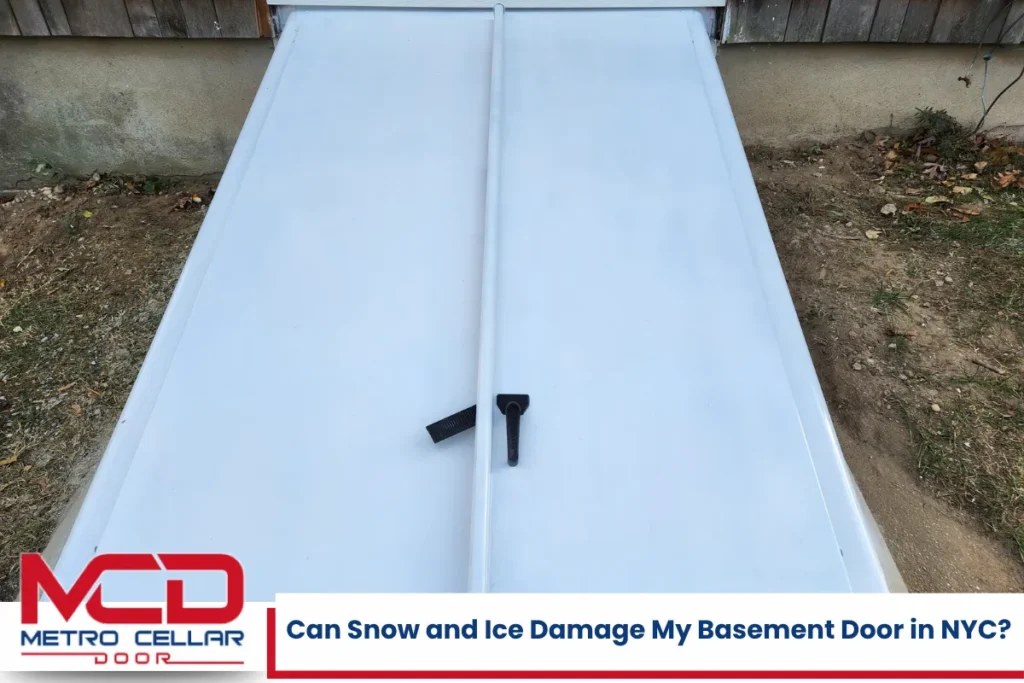
Your basement door takes a beating every winter in New York City, and the short answer is yes, snow and ice can cause serious damage to it. Picture the typical scenario: a nor’easter drops a foot or more of snow, temperatures drop overnight, and that heavy wet pile sitting against your bulkhead hatch freezes solid. By morning, ice has worked its way into every gap and joint. Now multiply that cycle across an entire season. The result is rust eating through steel panels, swollen wood frames that refuse to close, frozen locks you cannot open during a power outage or fire, and water seeping into your basement below. The good news is that the right materials, proper drainage, and professional basement door installation can prevent most of this. This article breaks down exactly how winter damages cellar entries in NYC, what steps homeowners can take to protect their property, and when replacement becomes the smarter choice.
Key Takeaways
- Snow and ice can absolutely damage a basement door in NYC by causing rust, swelling, leaks, and foundation water issues through repeated freeze-thaw cycles and prolonged moisture exposure.
- Melting snow that pools around cellar doors often leads to water damage, mold growth, and jammed hardware, especially when stairwell drains are clogged with ice or debris.
- Proper basement door installation using weather-resistant materials, quality weatherstripping, and code-compliant egress hardware greatly reduces winter risk.
- Older, rusted, or warped doors near grade level typically need professional replacement rather than repeated patch repairs to prevent escalating structural damage.
How Snow and Ice Actually Damage a Basement Door in NYC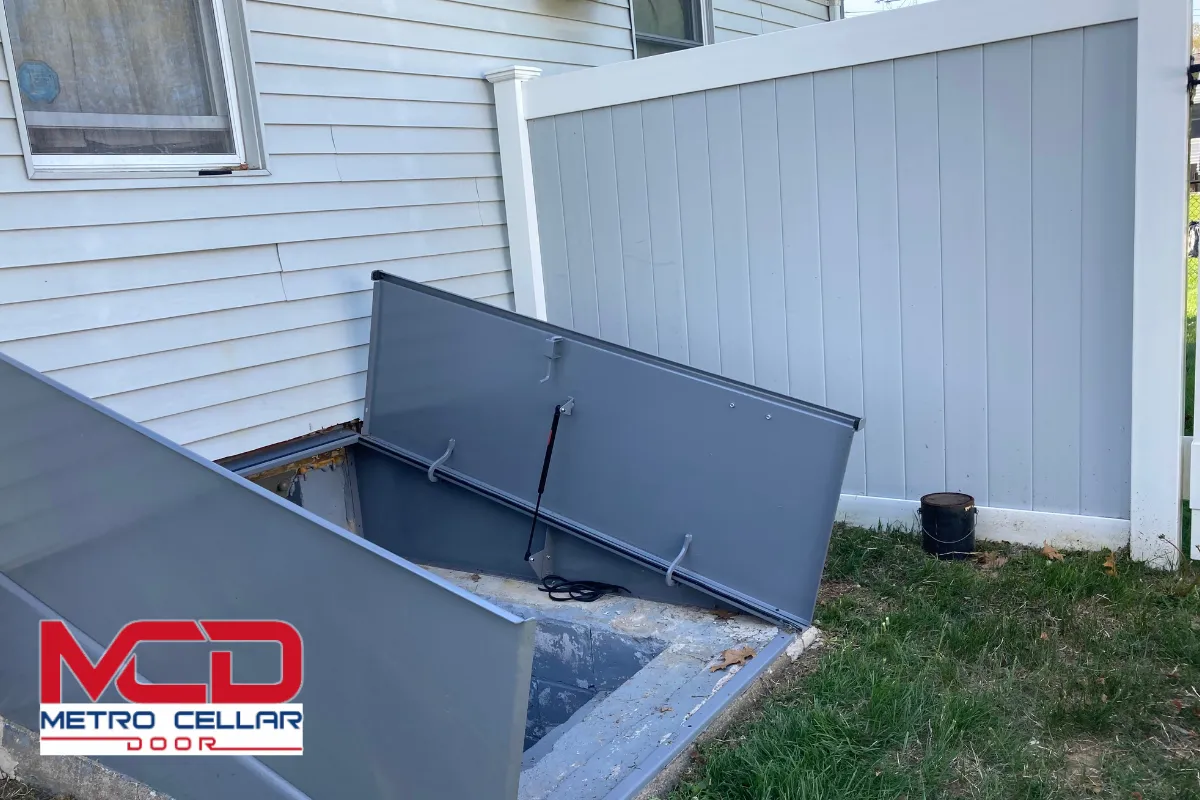
NYC winter weather impacts basement doors through three relentless forces: prolonged moisture exposure, the physical expansion of freezing water, and repeated freeze-thaw cycles that can happen dozens of times per season. One city infrastructure report documented 57 freeze-thaw cycles in a single winter, and that kind of stress is not limited to water mains and roads. Your cellar entry absorbs every one of those cycles.
Here is how the damage actually plays out:
- Rusted steel panels and frames. Moisture and freezing strip protective coatings. Road salt and chemical de-icers used on NYC sidewalks accelerate rust and corrosion of metal basement doors even faster.
- Rotted wood. Untreated or poorly sealed wood absorbs water at every joint, especially where it meets concrete. Freeze-thaw splitting follows.
- Cracked concrete and masonry. Water expands when it freezes, and that expansion can widen existing cracks in the concrete or masonry around doors, letting even more water through the next time.
- Warped door panels. Heavy snow load can cause metal doors to warp or sag over time, especially on lighter-gauge steel.
- Seal and weatherstripping failure. Ice pressure grinds against gaskets; rubber or vinyl weatherstripping can become brittle and degrade in extreme cold.
- Frozen hardware. Moisture and freezing can cause hardware issues, making hinges and locks stiff or unusable when you need them most.
Ice dams can form when melting snow refreezes at colder edges of basement doors, creating a solid barrier. Ice buildup can block basement doors entirely, preventing them from opening properly. And packed snow that sits against the door surface traps moisture against paint and coatings, speeding up corrosion and decay far beyond what rain alone would cause.
One simple fact puts the water risk in perspective: one foot of snow equals approximately one inch of water. That means even a moderate storm leaves a meaningful volume of liquid looking for somewhere to go once the melt begins.
From Snow Piles to Water Damage: What Happens Around the Door
In many NYC neighborhoods, sidewalks, driveways, and yard grades slope toward below-grade cellar steps and areaways. That slope becomes a funnel for melting snow every time temperatures rise above freezing.
Here is the chain of events:
- Melting snow flows toward the basement door threshold, pooling on the stair landing or at the sill.
- Water pooling against basement doors increases pressure on seals and joints, forcing moisture through even small gaps via capillary action.
- Water intrusion from melting snow can lead to serious basement damage if drains are blocked by ice, leaves, or debris.
- Repeated winter pooling soaks into basement walls, causing peeling paint, damp plaster, musty odors, and eventually mold. Snow and ice accumulation can lead to increased moisture levels in basements, promoting mold growth in crawl spaces and along outside walls.
The numbers add up quickly. Five feet of snow over the course of a season can create five inches of water seeking a path into your basement. Accumulated heavy snow can lead to water infiltration and interior flooding, particularly in older homes where the drain at the bottom of the stairwell is already compromised.
Poor exterior grading and deteriorated concrete around the areaway channel extra runoff toward the cellar entry during every thaw cycle. Once those concrete walls develop cracks from years of freeze-thaw damage, water paths become permanent. Fixing the door alone will not solve the problem if the surrounding structure is also failing.
NYC Climate and Building Conditions That Make Basement Doors Vulnerable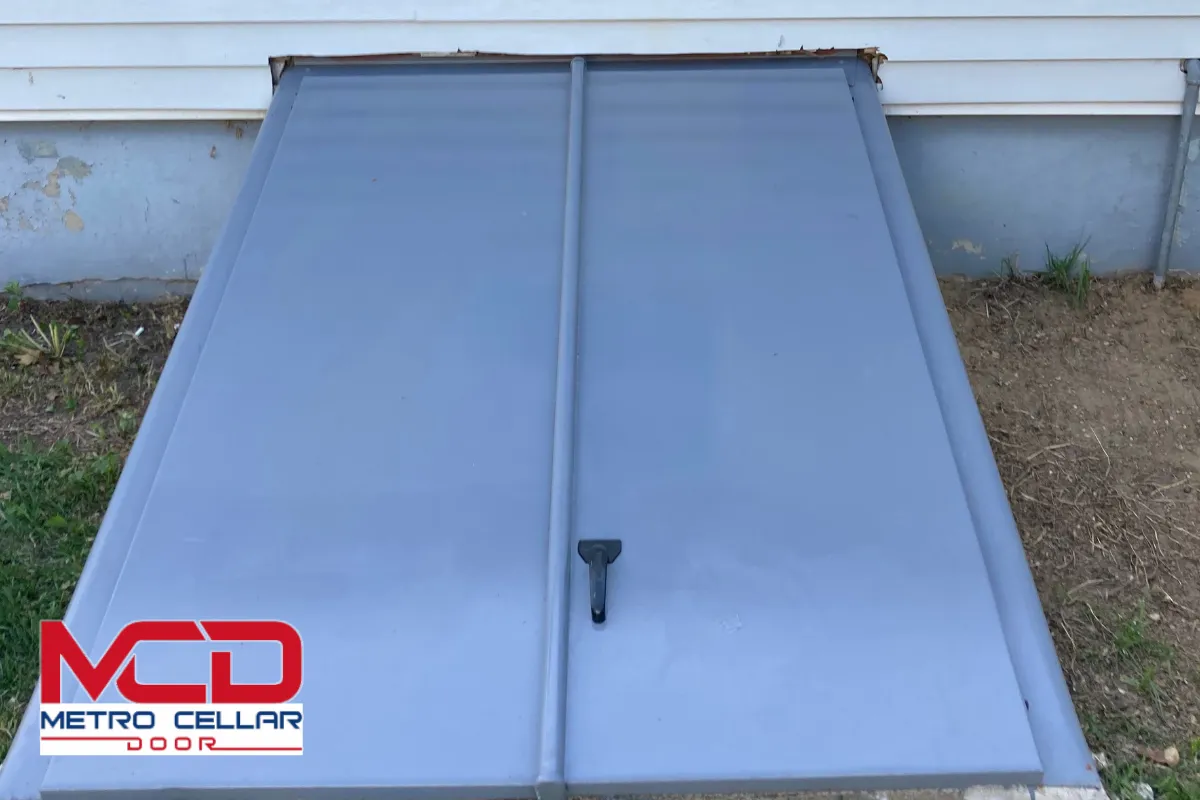
New York City averages roughly 29.8 inches of snowfall per winter season, with individual storms sometimes dumping well over a foot in a single event. Wet snow, slush, and freezing rain are common, and daily temperature swings around 32 degrees Fahrenheit mean the ground around your property rarely stays consistently frozen or consistently thawed.
Several local conditions compound the risk:
- Salt and de-icing chemicals splash onto metal surfaces from nearby sidewalks, stripping protective finishes and accelerating corrosion. Road salt is one of the most aggressive factors in shortening the lifespan of steel cellar doors.
- Many older rowhouses and brownstones still have original, non-insulated steel or wood doors exposed directly to the elements, with no integrated flashing and only basic weatherstripping.
- Narrow lots and limited yard space in much of the city push basement entries closer to property lines, shared driveways, and gutters, where drainage trouble spots collect more water.
- Cracks in foundation walls allow water to enter basements. Older masonry and stairwell walls develop hairline fractures over time, and freeze-thaw cycles can cause structural shifting and cracks in basement door frames, creating paths for moisture intrusion that worsen with each passing winter.
Wind-driven precipitation is another factor. During a storm, rain and snow do not fall straight down in the city. They hit at angles, forcing moisture into joints and seams that might otherwise stay dry.
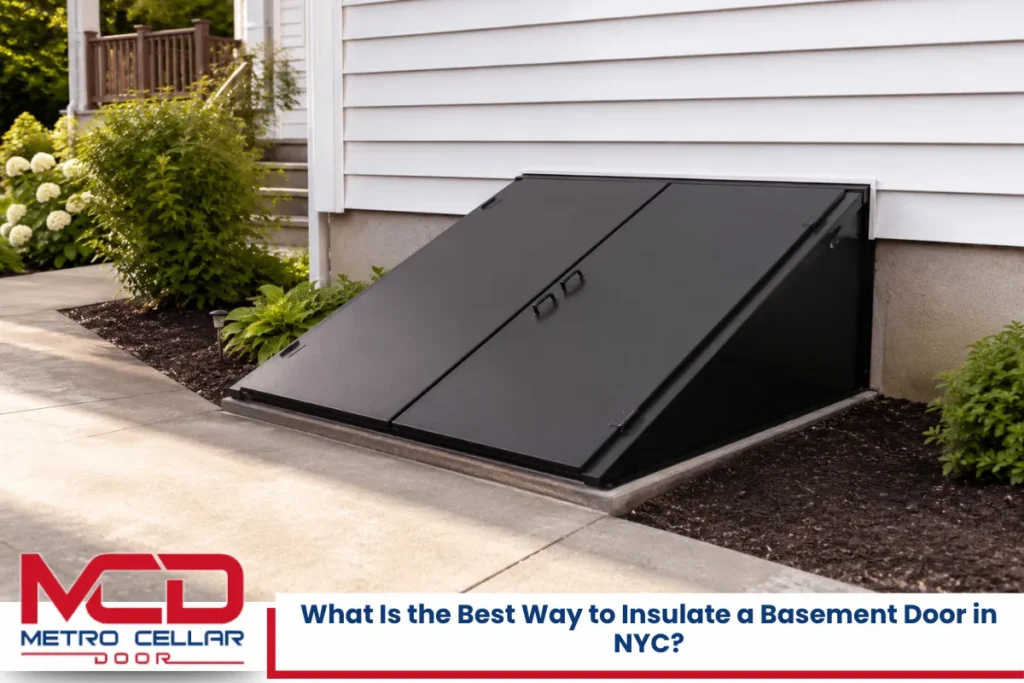
Read What Is the Best Way to Insulate a Basement Door in NYC?
Door Materials, Hardware, and Insulation: What Survives NYC Winters Best
Material choice and quality of installation determine whether a cellar entry lasts five years or twenty under NYC weather. Not every option handles snow, ice, and salt exposure the same way.
- Galvanized or galvanneal steel bulkhead doors are among the most popular for good reason. They offer high strength and solid security. When properly coated with powder finish, they resist rust far better than basic painted steel in constant contact with snow. Industry guidance recommends 12-gauge galvanneal steel for poured concrete foundations in regions with heavy snow and high water tables.
- Aluminum doors are naturally corrosion resistant, lighter weight, and lower maintenance. They hold up well in wet, slushy conditions without the constant recoating that steel demands.
- Fiberglass and composite doors resist moisture, rot, and rust. They provide better thermal performance than bare metal, reducing condensation and ice buildup around the frame. The trade-off is that they may not handle extreme physical loads or impacts as well as steel.
- Wood remains a traditional choice in some historic properties, but it demands frequent sealing and repainting. Without consistent maintenance, wood doors in NYC absorb moisture, swell, and rot within a few seasons.
Hardware matters just as much as the panels themselves. Stainless steel or galvanized hinges, bolts, and locks resist corrosion in salt-heavy environments. Weatherstripping made from EPDM rubber outperforms cheap foam gaskets under freeze-thaw stress. Gasketed thresholds and proper flashing between the frame and foundation prevent water from wicking underneath. Insulated door panels with a thermal break reduce interior condensation, which can itself freeze and cause damage from the inside out.
Preventing Ice and Snow Damage: Practical Steps NYC Owners Can Take
Prevention comes down to two priorities: keeping water away from the door and preserving the protective finishes and seals that keep moisture out.
Here are the most effective steps homeowners should take before and during winter:
- Clear snow promptly from around basement doors after every storm to prevent jammed or damaged doors. Avoid piling shoveled snow against the door panels or stairwell walls. Use a shovel carefully to avoid scratching metal coatings.
- Check and clean stairwell drains and grates before the season starts and after major snowfall events. Ice and debris can turn a working drain into a blocked one overnight, creating a pool that has nowhere to go but through your door.
- Inspect weatherstripping and replace worn seals before heavy winter conditions arrive. This is one of the easiest and cheapest maintenance tasks, yet it prevents a significant amount of water intrusion.
- Reseal joints and caulk around frames annually. Repaint or recoat metal surfaces before bare steel is exposed. Once corrosion starts, it spreads fast under winter moisture.
- Improve grading around the cellar entry so the ground slopes away from the door. Adding a simple trench drain or adjusting the pitch of surrounding pavement can redirect melting snow and rain before it ever reaches the threshold.
- Consider a canopy or overhang to intercept snow accumulation on the door surface itself, reducing the weight, moisture contact, and freeze-thaw stress on panels and hardware.
These steps do not require a large budget, but they do require consistency. Skipping a season of maintenance in NYC’s climate can undo years of protection.
NYC Code, Egress Safety, and When Replacement Is the Safer Choice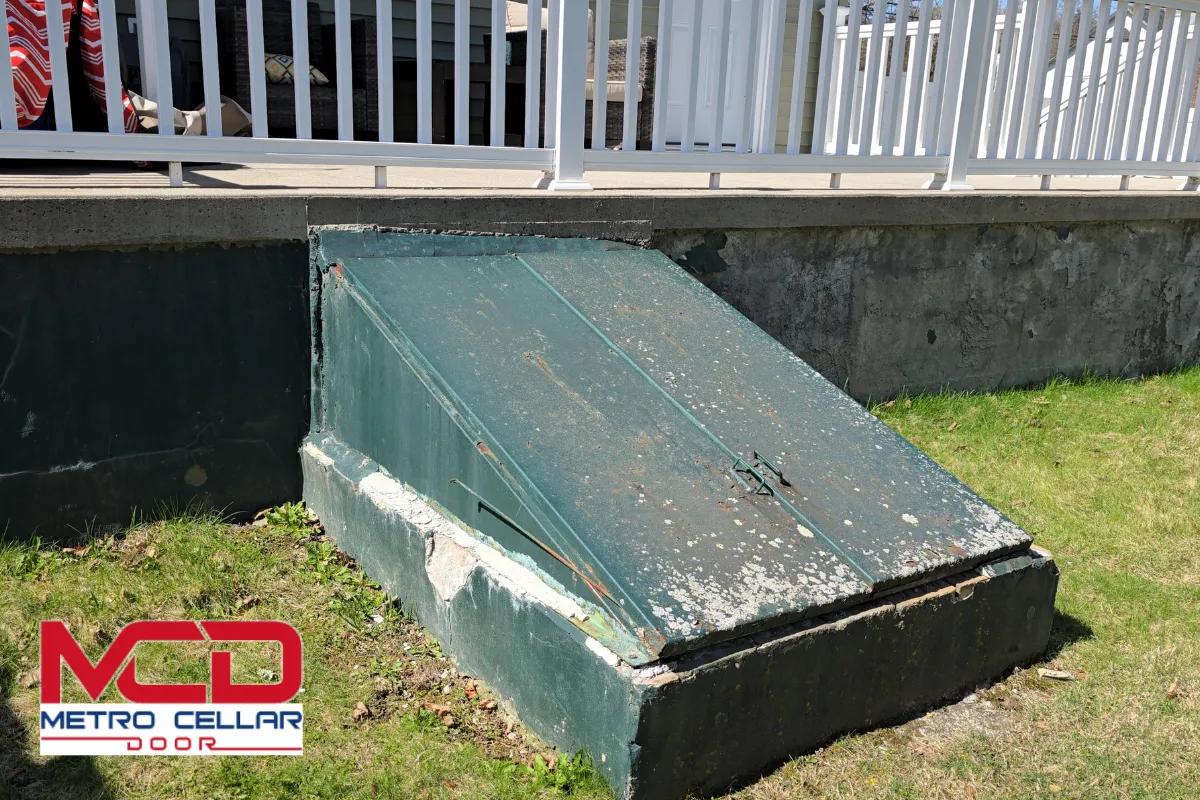
Basement doors in New York City often function as a secondary means of egress, which means they carry legal and safety obligations beyond just keeping weather out. Under NYC rules, bulkhead doors and scuttle hatches must not be self-locking. They must be fastened on the inside by bolts or hooks that do not require a key, so occupants can exit during a fire or other emergency without searching for tools.
Key considerations for code compliance and safety:
- Doors must not be blocked by ice, snow, or debris. If winter conditions regularly make your cellar entry unable to open, you have both a maintenance problem and a potential code violation.
- Any habitable basement space in NY requires proper egress, adequate ceiling height, dampproofing, and ventilation. A failing door undermines several of these requirements simultaneously.
- Heavily rusted frames, warped panels, or chronic leaking despite repairs all signal that the door has reached the end of its useful life. Patch repairs on a structurally compromised frame are temporary at best.
- When security, egress, or water resistance is compromised, replacement is not just advisable but often the safer and more cost-effective path. A professional basement door installer familiar with NYC conditions can evaluate the opening, recommend code-compliant options, and ensure the new unit handles local winter weather.
Watch for these signs that replacement is overdue: visible rust bleeding into surrounding masonry, gaps you can see daylight through, hinges that grind or stick in cold weather, and water stains on interior basement walls or ceiling near the entry.
Planning a New Basement Door Installation for Long-Term Winter Protection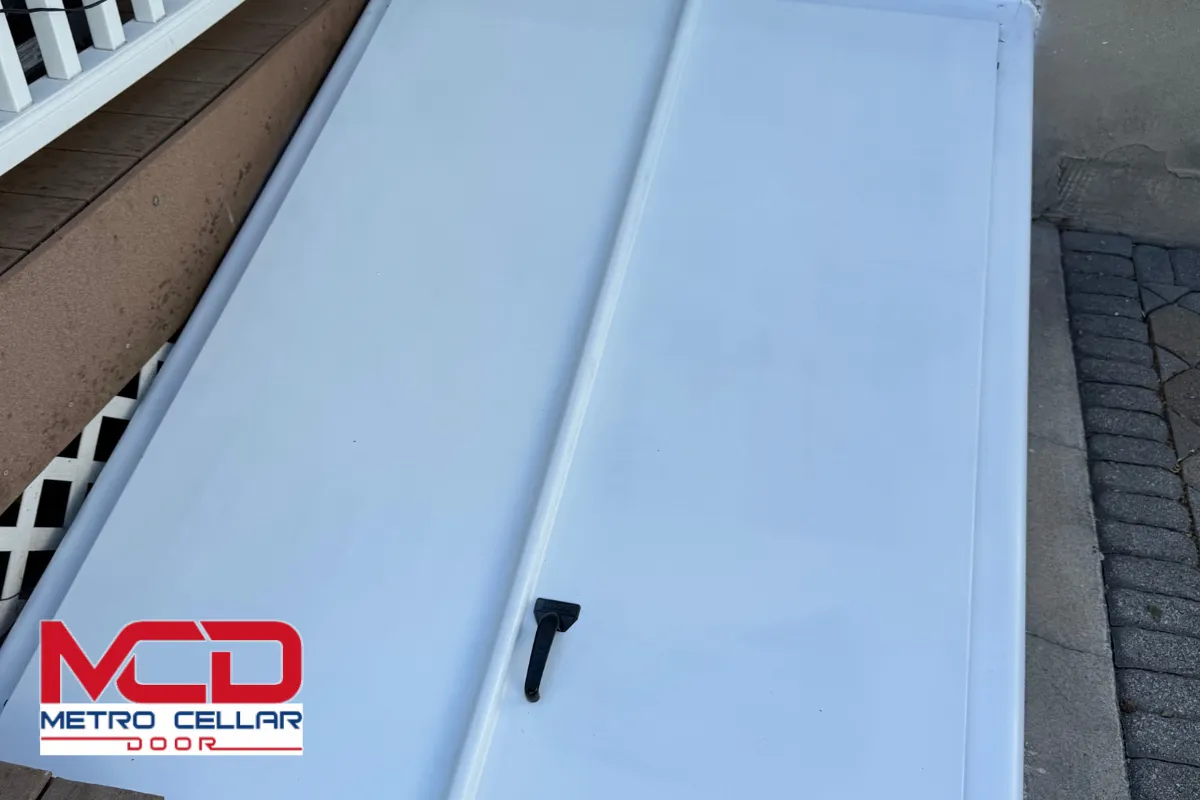
A properly planned basement door installation addresses not just the door itself but the entire entry system, from the concrete areaway to the drain at the bottom of the stairwell. Treating the project as a one-time fix for recurring winter moisture problems saves homeowners money over years of seasonal repairs.
When evaluating the opening and planning the project, consider:
- Measure the actual opening dimensions and assess the condition of concrete walls, stairs, and the sill. Document any existing cracks, water paths, or drainage issues.
- Choose door models with integrated flashing and drip edges that push water away from the threshold. Tight seals and gasketed joints are essential for any home in a climate with frequent freeze-thaw exposure.
- Select coatings designed for salt and moisture. Powder-coated or galvanneal finishes outperform standard paint in coastal and urban environments where de-icing chemicals are common.
- Factor in insulation and energy performance. An insulated cellar door reduces condensation inside the stairwell and helps protect pipes near the entry from freezing temperatures.
- Proper waterproofing during installation prevents flooding from melting snow in future seasons. That means sealing between the frame and foundation, verifying that the door closes flush, and confirming that surrounding surfaces slope away from the entry.
Professional installation should also include hardware adjustment and a cold-weather function test to confirm the door opens smoothly even when temperatures are well below freezing. Tiles, fixtures, and finishes inside the basement near the entry point should be checked for existing moisture damage before the new door goes in, so any hidden problems are addressed at the same time.
NYC Basement Door Installer – Metro Cellar Door Bilco Pro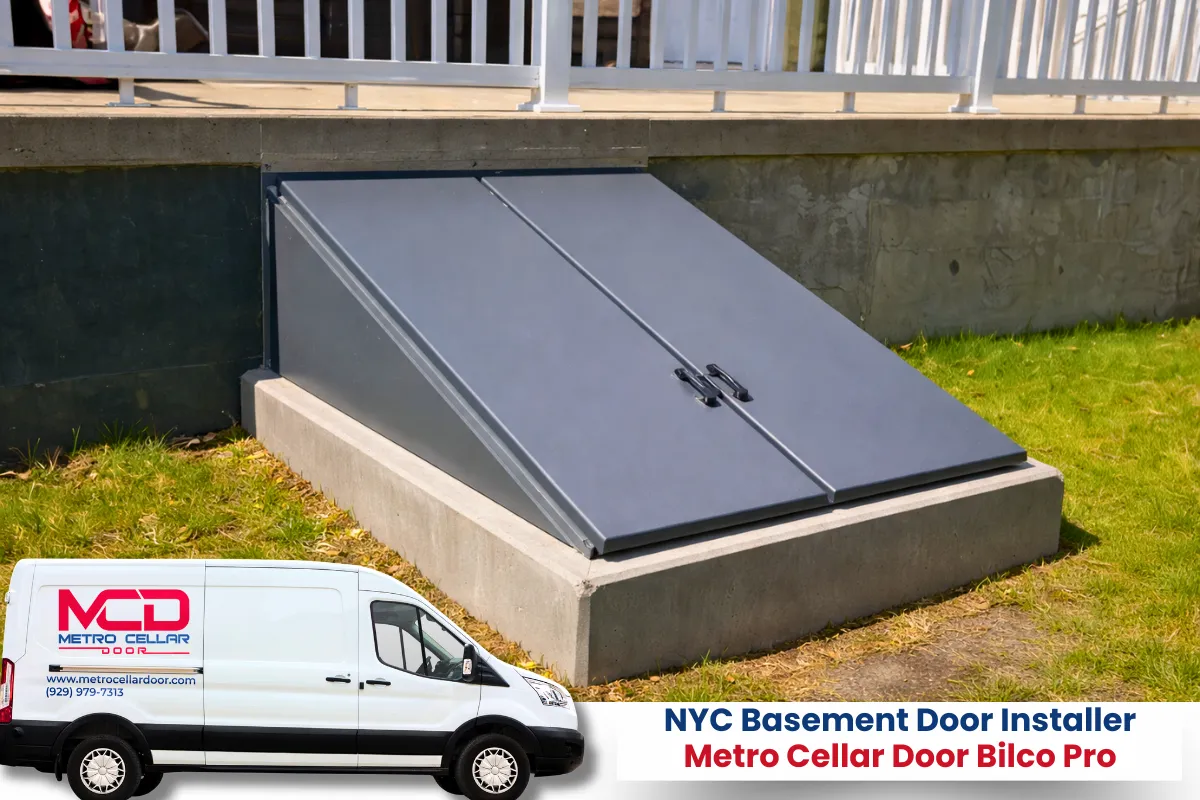
At Metro Cellar Door Bilco Pro, we specialize in basement door installation and replacement across New York City and the surrounding areas. We do not do repairs. Instead, we focus on giving homeowners a lasting solution built for the kind of winter weather NYC delivers year after year. Our projects are tailored to local drainage conditions, snow load, salt exposure, and code requirements, so your new cellar door works the way it should from the first freeze through the spring thaw. We work with quality bulkhead and cellar door systems designed to handle ice, snow, and heavy use. If your current door is rusted, warped, leaking, or simply past its prime, contact us. Call (929) 979-7313 or fill out our contact form for an on-site evaluation and quote from an experienced basement door installer. A professionally installed, code-conscious door is one of the smartest ways to protect your property and prepare for what winter brings next.
Frequently Asked Questions
How often should I inspect my basement door during winter in NYC?
Inspect your cellar entry at least once a month during the winter season, and always after a major snowstorm or ice event. Look for new rust spots, gaps in the weatherstripping, pooling water on the stair landing, and any difficulty opening or closing the door. Pay attention to the drain at the bottom of the stairwell to make sure it is not blocked by ice or debris. Early detection of small problems like a loose seal or a hairline crack in the surrounding concrete can save you from dealing with flooding or a jammed door during the worst part of the season. A quick visual check takes minutes and can prevent costly damage.
What are the first signs that ice damage has already started affecting my cellar door?
The earliest signs are usually cosmetic but should not be ignored. Look for blistering or peeling paint on metal surfaces, which indicates moisture is getting beneath the coating. Rust streaks running down from hinges or bolt holes are another clear indicator. If the door feels stiffer to open after cold nights, moisture may be freezing inside the hinge mechanism. On wood doors, look for discoloration, soft spots, or a musty smell near the frame. Inside the basement, check the walls and floor near the entry for damp patches, water stains on the ceiling, or any signs of mold. These symptoms typically worsen with each freeze-thaw cycle if left unaddressed.
Does homeowners insurance cover water damage caused by snow and ice around a basement door?
Coverage depends heavily on the specific policy and the cause of the damage. Homeowners insurance may cover water damage from burst pipes or frozen pipes that break due to winter temperatures. Insurance typically covers tree removal if branches or trees fall and damage a structure during a storm. However, not all insurance policies cover flood damage from melting snow that seeps through a deteriorated door or foundation wall. Gradual water intrusion from poor maintenance is generally excluded. If ice dams cause roof damage, that may fall under a separate claim. Review your policy carefully and document any winter damage with photos. Speaking with your insurance provider before filing a claim can clarify what is and is not covered for your property.
What temporary steps can I take if water starts seeping under my basement door during a storm?
If water is actively leaking through or around your cellar door during a winter storm, act quickly to minimize flood damage. Place towels or sandbags along the inside of the threshold to absorb or redirect water. If you have a wet-dry vacuum, use it to remove standing water before it spreads. Check whether the exterior stairwell drain is blocked by ice or debris, and carefully clear it if you can do so safely. Avoid using a heat source like a torch or space heater near the door, as rapid thawing can worsen the flow temporarily and poses a fire risk. These are short-term measures only. Once the storm passes, a professional assessment is the right next step to dig into the root cause and determine whether repair or replacement makes more sense.
Which door finish or coating best resists salt and de-icing chemicals near NYC sidewalks?
Powder coating over galvanneal steel currently offers the strongest combination of salt resistance and durability for cellar entries exposed to NYC sidewalks. Galvanneal is a zinc-iron alloy finish applied to steel before the powder coat goes on, creating two layers of protection. Standard painted steel, by contrast, begins to corrode as soon as the paint is scratched or chipped, and salt dramatically accelerates that process. Anodized aluminum is another strong option, as it forms a natural oxide layer that resists chemical corrosion without needing frequent recoating. For posts or frames that sit at ground level and catch the most salt splash, stainless steel hardware paired with a powder-coated or aluminum panel is the most resilient combination you can choose for long-term winter performance.
Disclaimer
This article provides general informational guidance about snow and ice impacts on basement doors in New York City. It is not legal, insurance, or engineering advice. Consult qualified professionals and local authorities for your specific situation.
Read What Regulations Govern Fire Doors in NYC Homes Versus Commercial Buildings?