
Why the Right Fire Door Choice Matters in NYC Buildings
NYC fire door Installer is more than a service—it’s a critical safeguard in a city where buildings sit shoulder to shoulder and risks escalate quickly. Many property owners underestimate how much depends on choosing the right fire doors. The wrong material, improper installation, or overlooked code requirement can lead to failed inspections, safety hazards, and costly penalties. In a dense urban environment like New York City, even a small oversight can compromise an entire building’s protection system. The solution lies in understanding your options—wood, steel, composite, or specialized doors—and working with certified professionals who ensure compliance, durability, and long-term safety.
NYC Fire Code Requirements Every Property Owner Should Know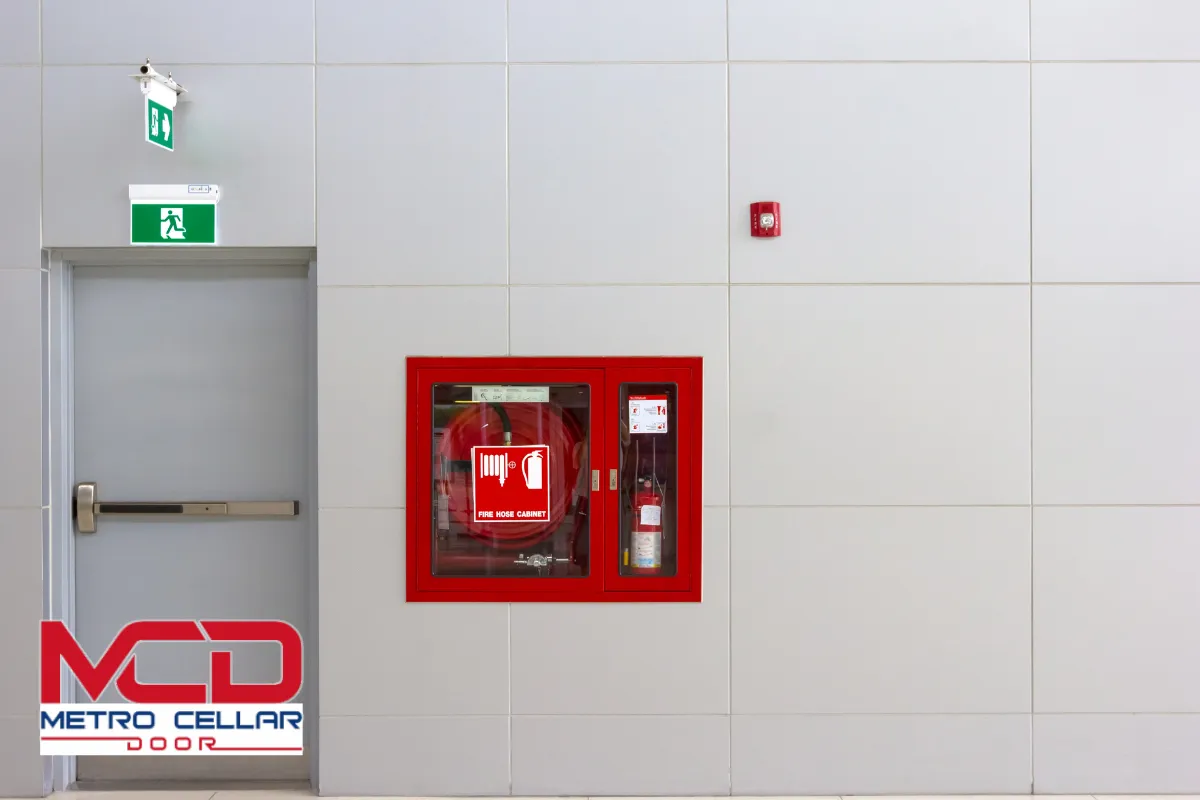
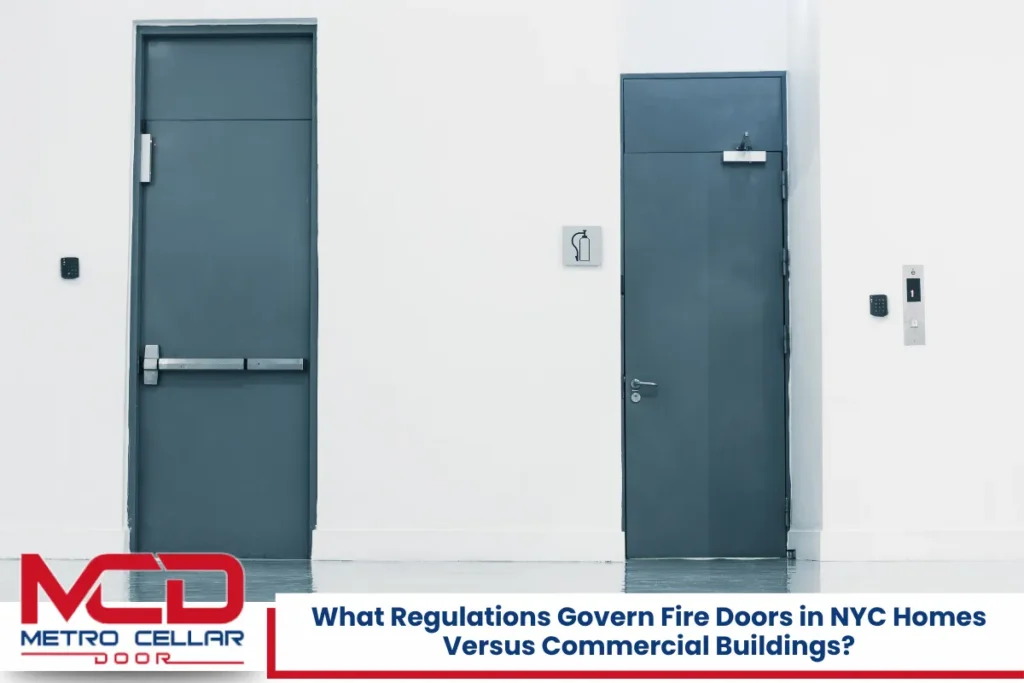
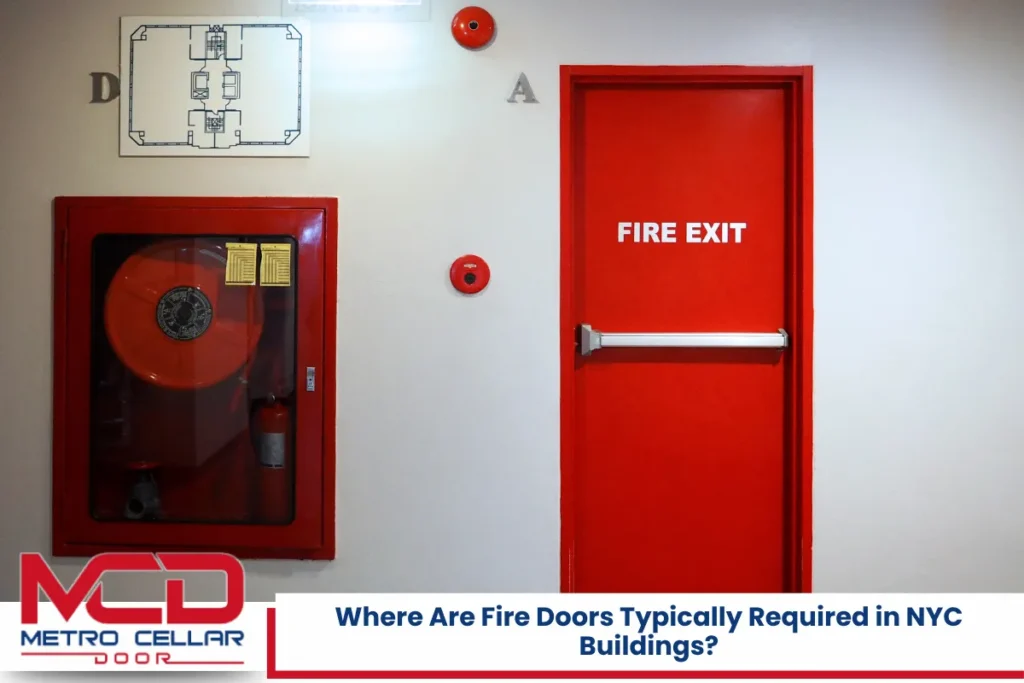
In New York City, fire doors are mandatory in many building types due to the city’s dense construction, particularly in multi-level and multi-unit properties. Fire doors are commonly required for commercial spaces, apartments, and residential cellar or basement entrances.
Fire-rated doors must have a fire-resistance rating certified by testing laboratories, such as Underwriters Laboratories (UL), and must be self-closing and self-latching. Every fire door must have a visible, permanent label from an approved testing agency like UL or Intertek.
Essential Compliance Standards
- NFPA 80 standards cover the installation, inspection, and maintenance of fire door assemblies.
- NYC regulations require trained, certified professionals to install fire doors to ensure compliance with NFPA 80 and local codes.
- Fire doors must have a fire-resistance rating certified by testing laboratories, such as Underwriters Laboratories (UL), and must be self-closing and self-latching according to NYC regulations.
New York City law requires fire doors to be inspected every 6 months, with more frequent checks (every 3 months) for doors in high-traffic areas like schools and hospitals.
Breaking Down Fire Door Materials: What Works Best?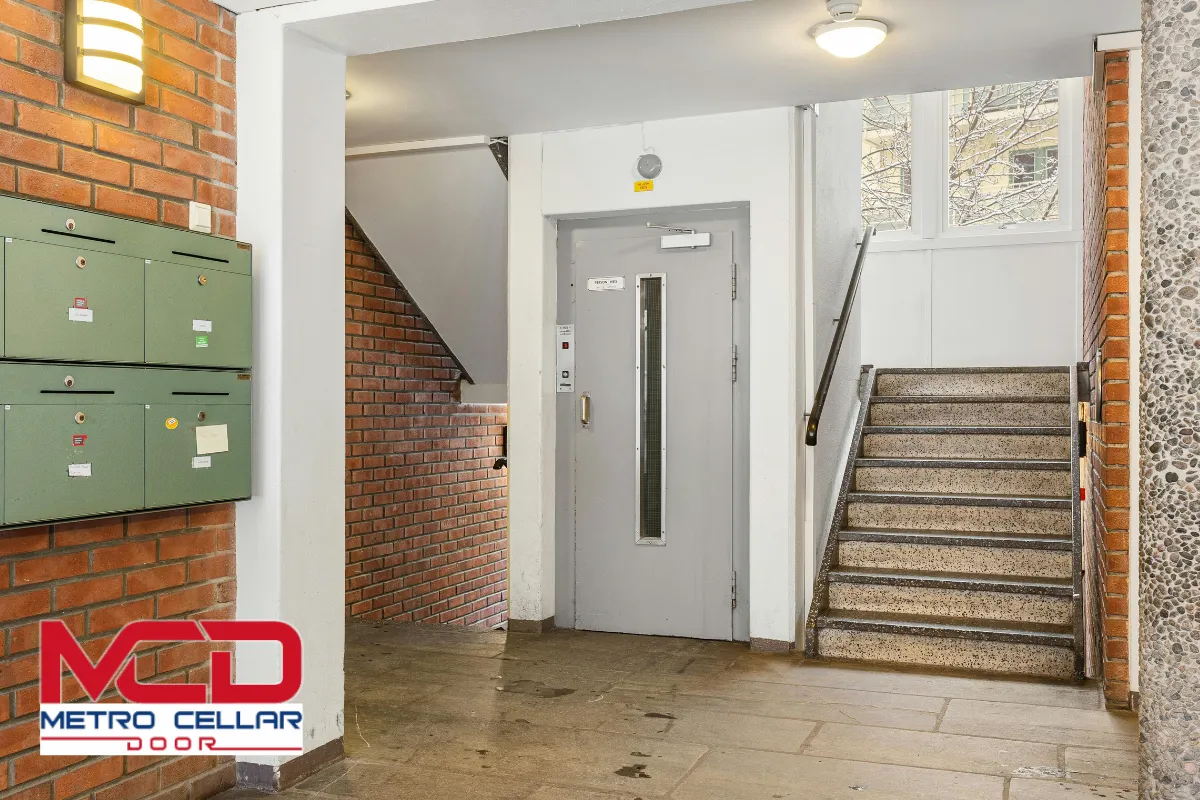
Choosing the right door type is not just about aesthetics—it directly affects safety, durability, and compliance.
Wood Fire Doors: Traditional Meets Protection
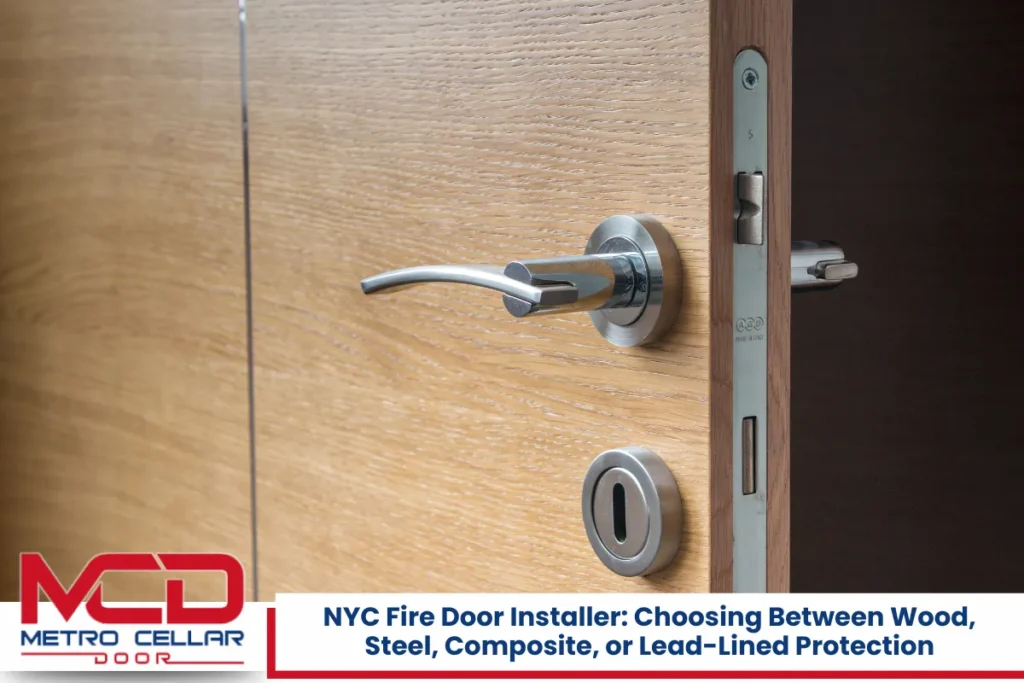
Wood fire doors remain popular in residential and pre war buildings due to their classic look.
- Core material for fire doors must be solid core, as hollow-core doors do not offer sufficient fire protection.
- Wood composite fire doors have a fireproof core and are often used in settings like schools and libraries where a traditional wood appearance is desired.
These doors are ideal when design matters, but they still meet fire rating requirements.
Steel Fire Doors: Maximum Strength and Durability
Steel fire doors are designed to withstand extreme heat and are best suited for high-traffic areas such as warehouses and parking garages.
They are commonly used in commercial buildings because they provide:
- High resistance to fire and impact
- Long lifespan with minimal maintenance
- Strong compatibility with security requirements
Fire rated steel doors are a go-to option for heavy-duty environments.
Composite Fire Doors: Balanced Performance
Composite doors combine materials for improved performance.
- They offer strong insulation
- Better resistance to wear and tear
- Versatile design options
These doors are often used in renovation projects where both durability and design flexibility are needed.
Lead-Lined Fire Doors: Specialized Protection
Lead-lined fire doors are used in facilities requiring radiation shielding, such as healthcare environments. They combine fire resistance with additional safety layers, making them essential for specialized applications.
Key Components That Make Fire Doors Effective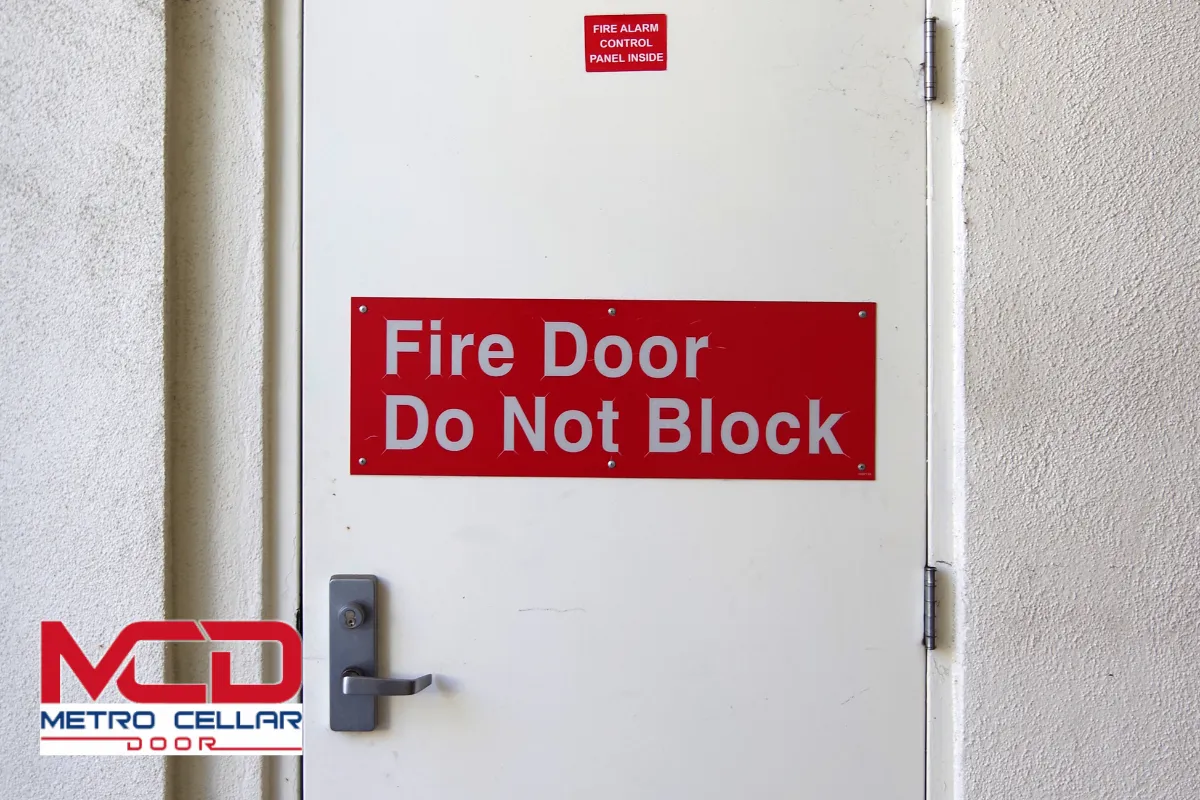
Fire doors are more than just slabs of material. They are systems designed for performance.
Doors must include fire-rated frames, intumescent seals, and compliant self-closing hardware. Fire-rated hardware must include certified hinges, latches, and self-closing mechanisms.
Critical Features
- Intumescent seals must be properly fitted to expand under heat and block smoke and flames.
- Smoke-seal doors are equipped with extra seals to prevent smoke from passing through gaps, which is critical in buildings with shared hallways, such as apartments and hospitals.
- Automatic closers and panic bars ensure safe and quick exit during emergencies.
Fire doors typically must have no more than 1/8 inch clearance at the top and sides, and 3/4 inch at the bottom in NYC. Gaps around the door must not exceed 4mm, and the door must fully latch on its own according to key inspections in NYC regulations.
Understanding Fire Ratings and Placement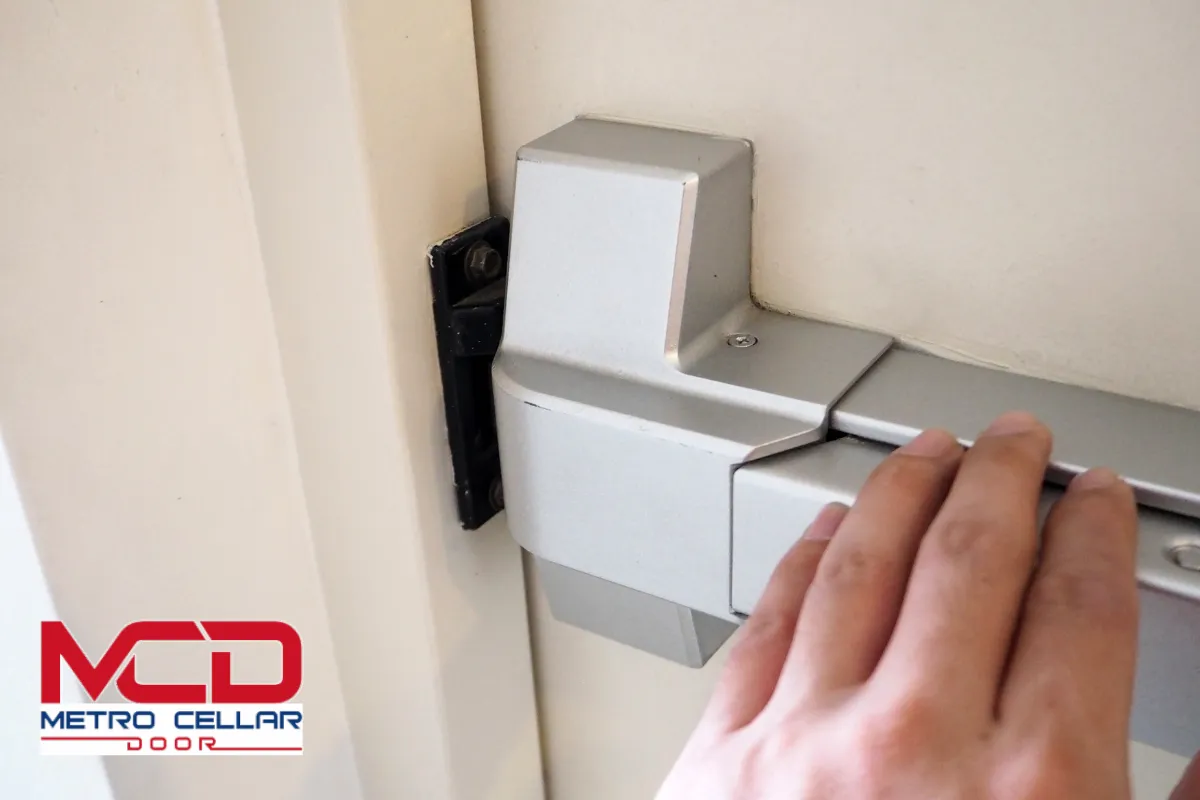
Fire doors are typically rated for 20, 45, 60, or 90 minutes, depending on their location.
Fire rating for doors should be selected based on location, with FD30 often used for residential areas and FD60 for high-rise or higher-risk areas.
Choosing the correct rating depends on:
- Building type
- Occupancy level
- Fire codes and safety regulations
Installation Challenges Unique to NYC Properties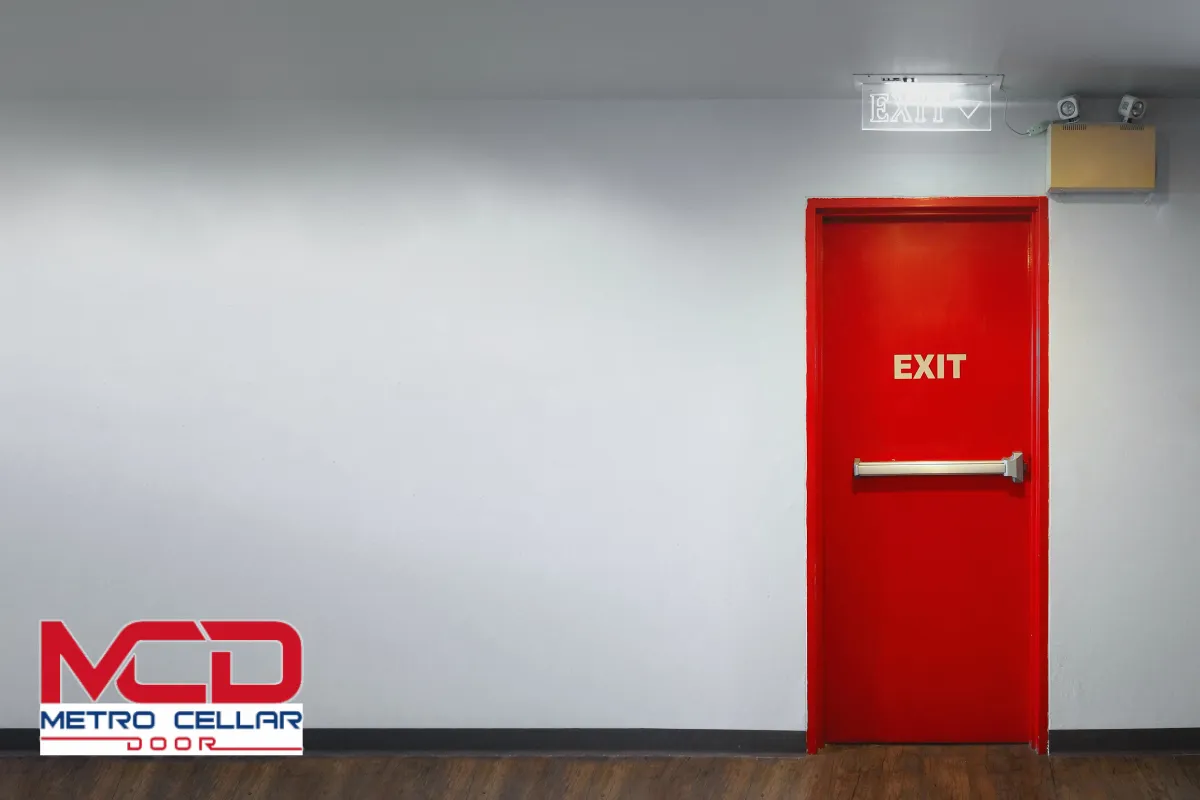
Fire door installation in New York City comes with unique complexities.
Labor costs in NYC for fire door installation can vary widely depending on the complexity of the installation, such as working in pre-war buildings or high-rise apartments, which may require additional modifications.
Installers must have experience with solid wood with mineral cores to ensure compliance with strict gap requirements, typically 3mm between the door and frame.
Common Challenges
- Irregular door frames in older buildings
- Limited space for installation
- Strict inspection requirements
The cost of installing a fire door in New York City varies significantly based on the door type, labor, location, and regulatory requirements.
Read Fire-Rated Glazing 101: Expert Advice from an NYC Fire Door Installer
Why Hiring Certified Fire Door Installers Is Critical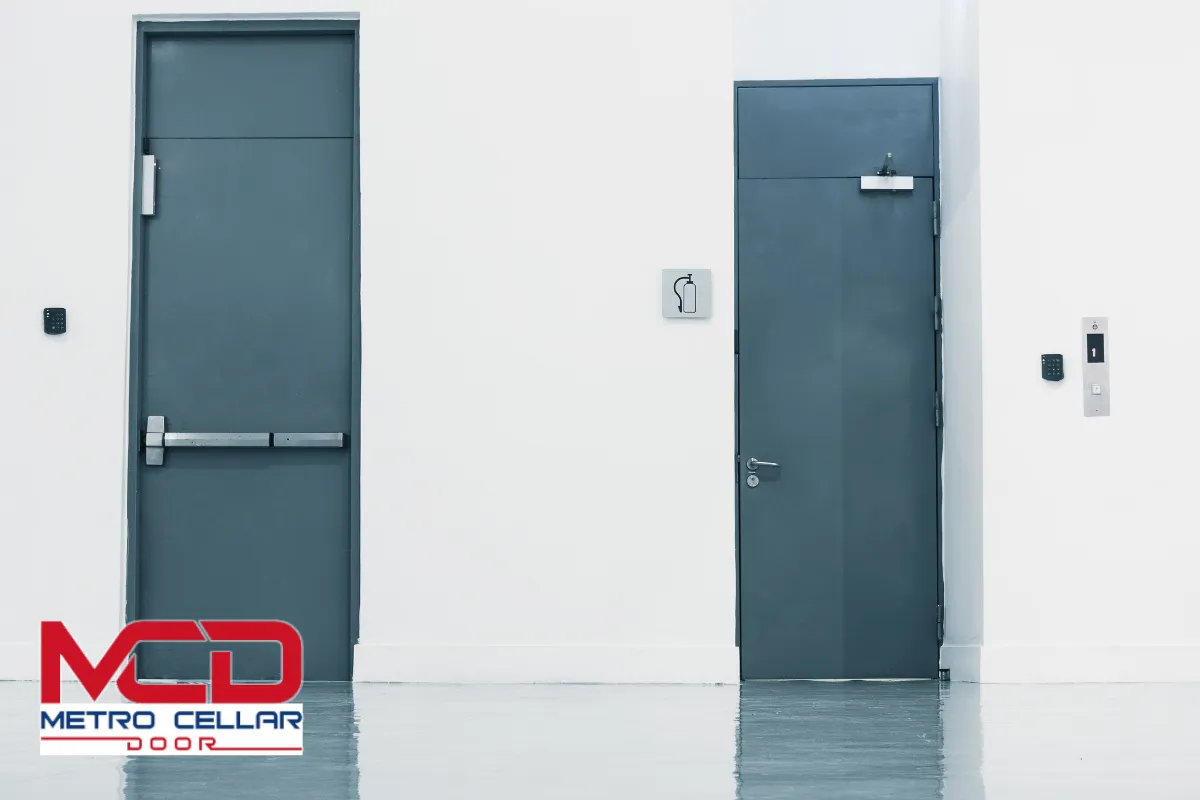
Choosing a qualified fire door installer is critical, as improper installation can lead to failed inspections, safety hazards, and costly rework due to non-compliance with fire safety standards.
In New York City, it is essential to hire a licensed and insured fire door installer who is familiar with local laws and can provide documentation for both the materials and labor used in the installation.
Fire door installers should have credentials such as FDNY certification and proof of previous work on similar properties to ensure compliance with safety regulations.
What Professionals Provide
- Precise measurements and expert installation
- Compliance with fire codes
- Proper documentation for inspections
Installers must handle doors without damaging or painting over the UL or Intertek certification labels to avoid code violations.
Fire Door Maintenance and Inspection Essentials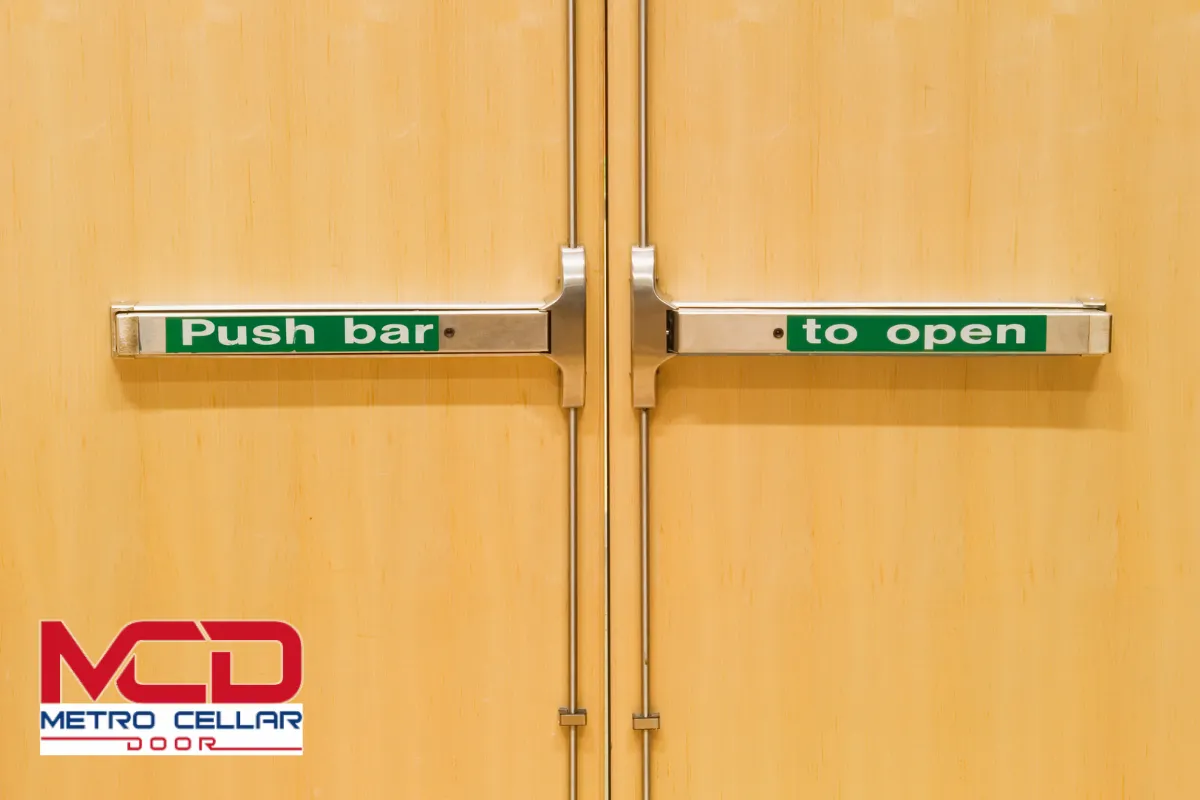
Fire doors require ongoing maintenance to remain compliant and effective.
Routine Checks Include:
- Inspecting hinges, frames, and hardware
- Ensuring doors close and latch properly
- Checking for damage or wear
Regular inspection services help property owners avoid failed inspections and maintain safety compliance.
Making the Right Choice for Your Property
Selecting between wood, steel, composite, or specialized doors depends on several factors:
- Type of building
- Traffic level
- Safety requirements
- Budget
Professional fire door installation ensures that every component—from frame to hardware—meets code requirements and performs as intended.
Final Thoughts on Choosing the Right Fire Door Solution
Selecting the right fire doors is not just about meeting code—it’s about protecting lives, property, and investments. Whether you choose wood, steel, composite, or specialized options, proper installation and maintenance are essential. Working with experienced professionals ensures compliance, reliability, and long-term safety in every building.
Fire Door Installer in NYC – Metro Cellar Door Bilco Pro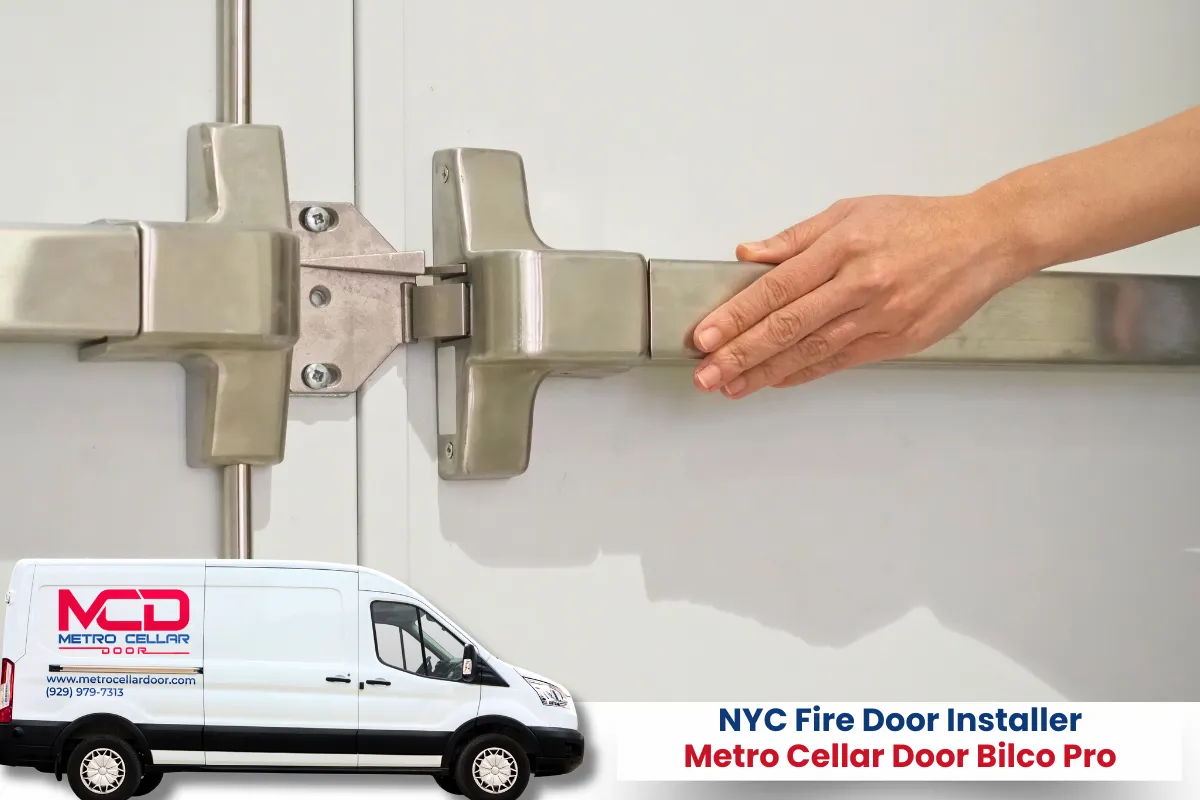
At Metro Cellar Door Bilco Pro, we specialize in delivering reliable fire door installation services across New York City. Our team understands the complexity of local fire codes and ensures every project meets strict compliance standards. As a trusted fire door installer, we handle everything from inspections and repairs to full replacements using certified materials and precise measurements. We work with commercial and residential properties, ensuring safety, durability, and proper documentation for every installation. If you need expert guidance or a free quote, we’re ready to help. Call us today at (929) 979-7313 or fill out our contact form to secure your property with professional fire doors.
Frequently Asked Questions
What happens if my fire doors fail inspection in NYC?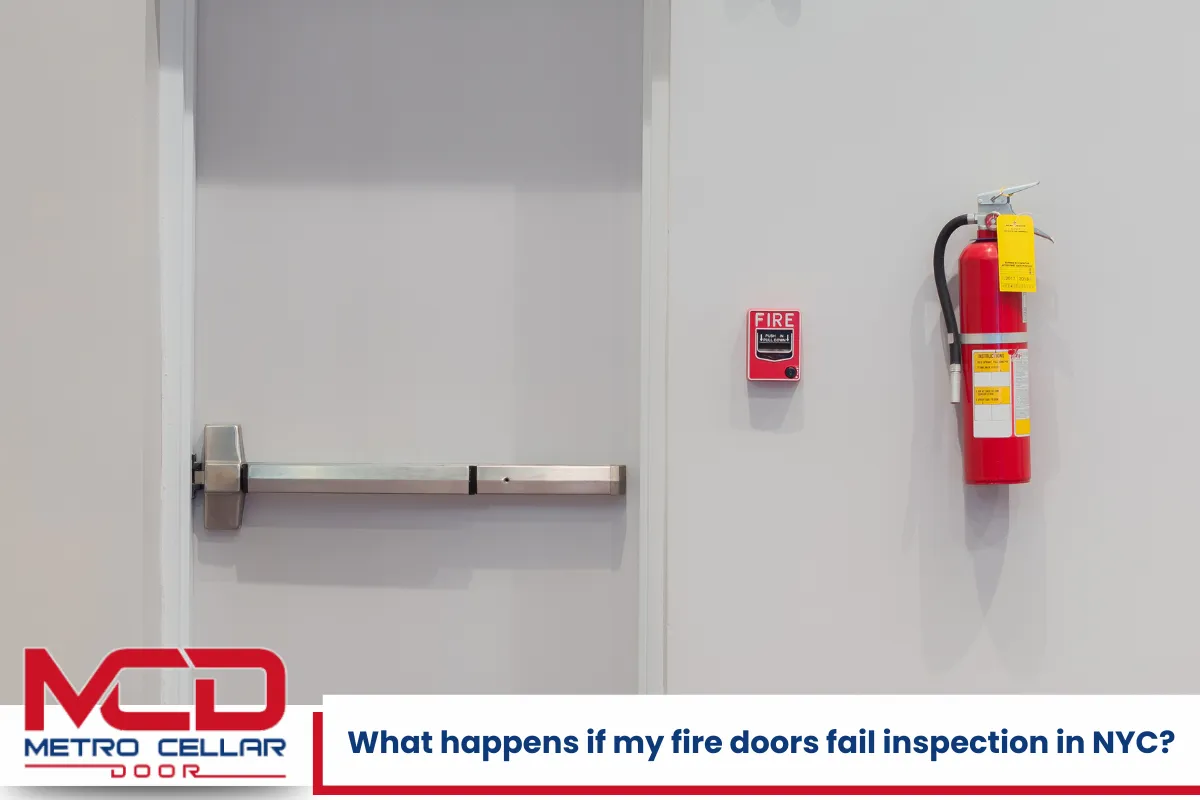
Failing a fire door inspection can lead to violations, fines, and mandatory repairs. Property owners may be required to fix or replace non-compliant doors immediately. Common issues include improper gaps, missing labels, or faulty self-closing mechanisms. Ignoring violations can escalate penalties and increase liability risks. Working with certified fire door installers ensures that repairs meet code requirements and pass re-inspection. Prompt action is essential to maintain safety and avoid disruptions in building operations.
How long does fire door installation take?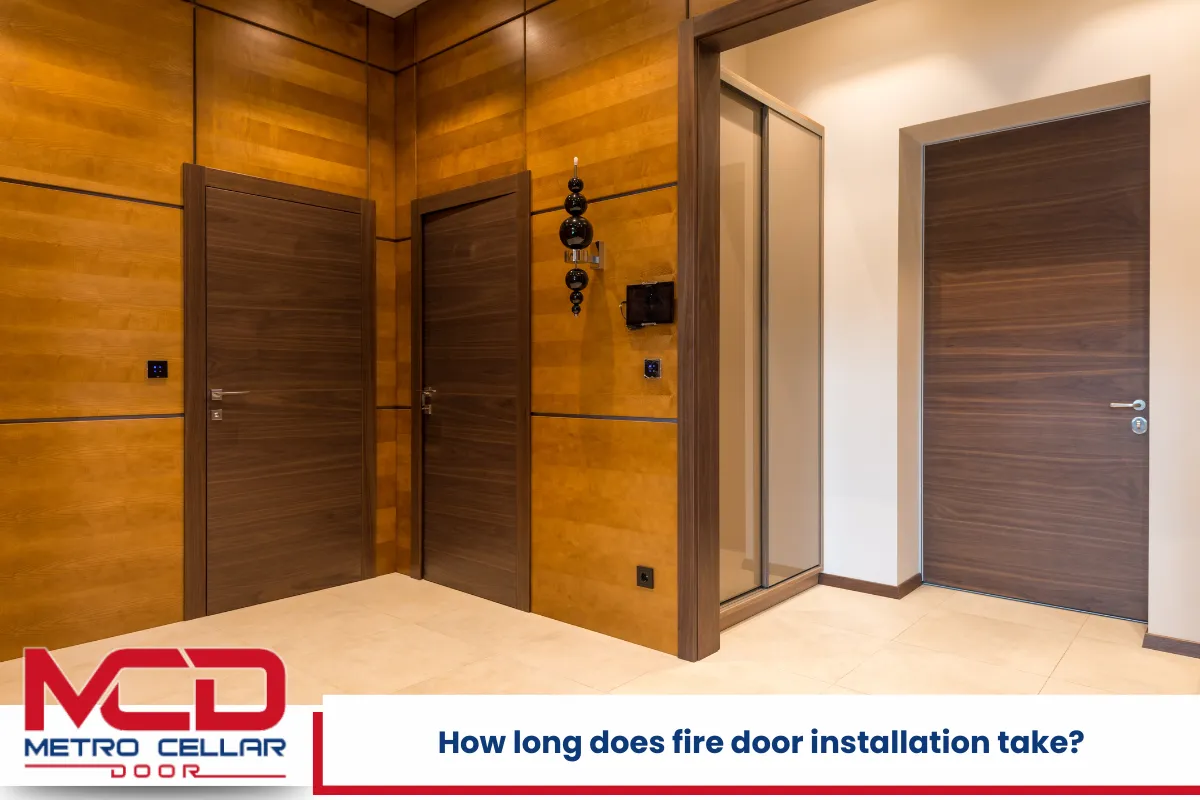
Installation time depends on the door type, building structure, and project complexity. A standard installation may take a few hours, while complex projects in older buildings can take longer due to modifications. Factors like frame adjustments, hardware installation, and inspections also affect the timeline. Professional installers ensure efficiency while maintaining compliance, preventing delays caused by rework or failed inspections.
Can fire doors be repaired instead of replaced?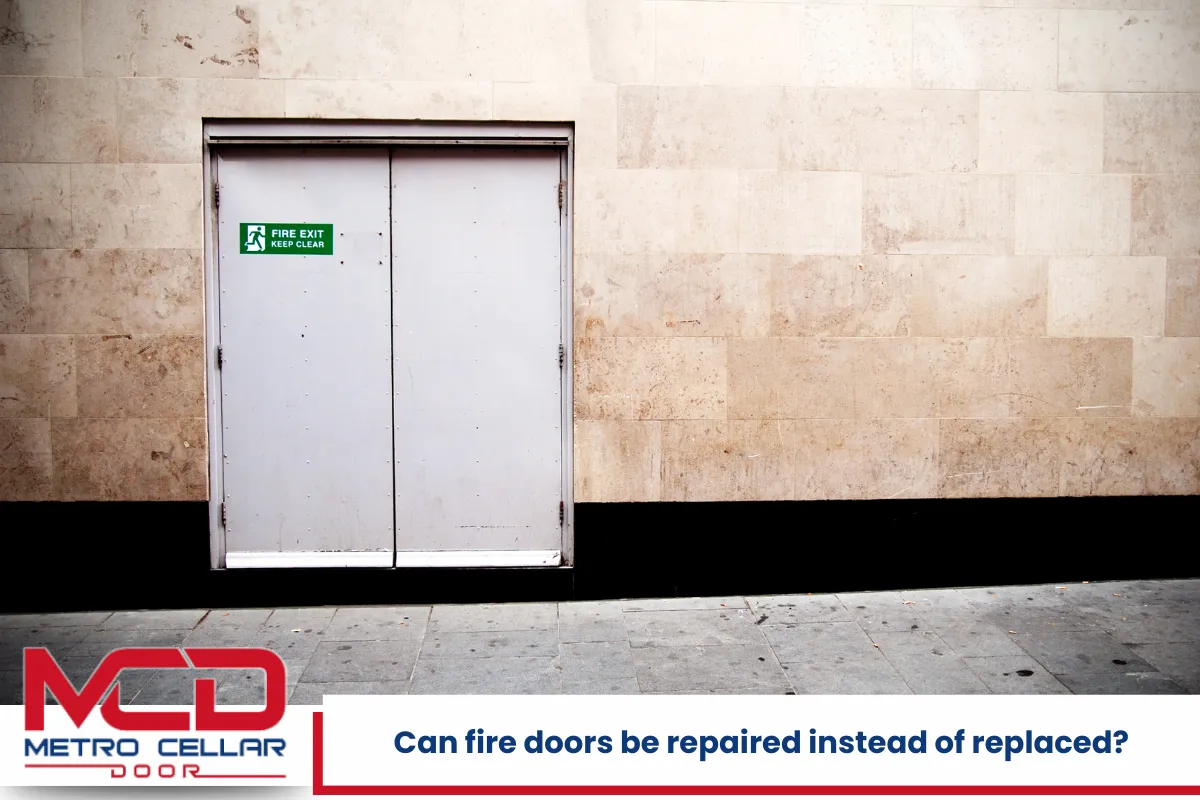
Yes, many fire doors can be repaired if the damage is minor and does not compromise their fire rating. Repairs may include replacing hinges, adjusting door closers, or fixing seals. However, if the structural integrity or certification label is compromised, replacement may be required. A professional inspection determines whether repair or full replacement is the safest and most compliant option.
Are fire doors required in residential properties?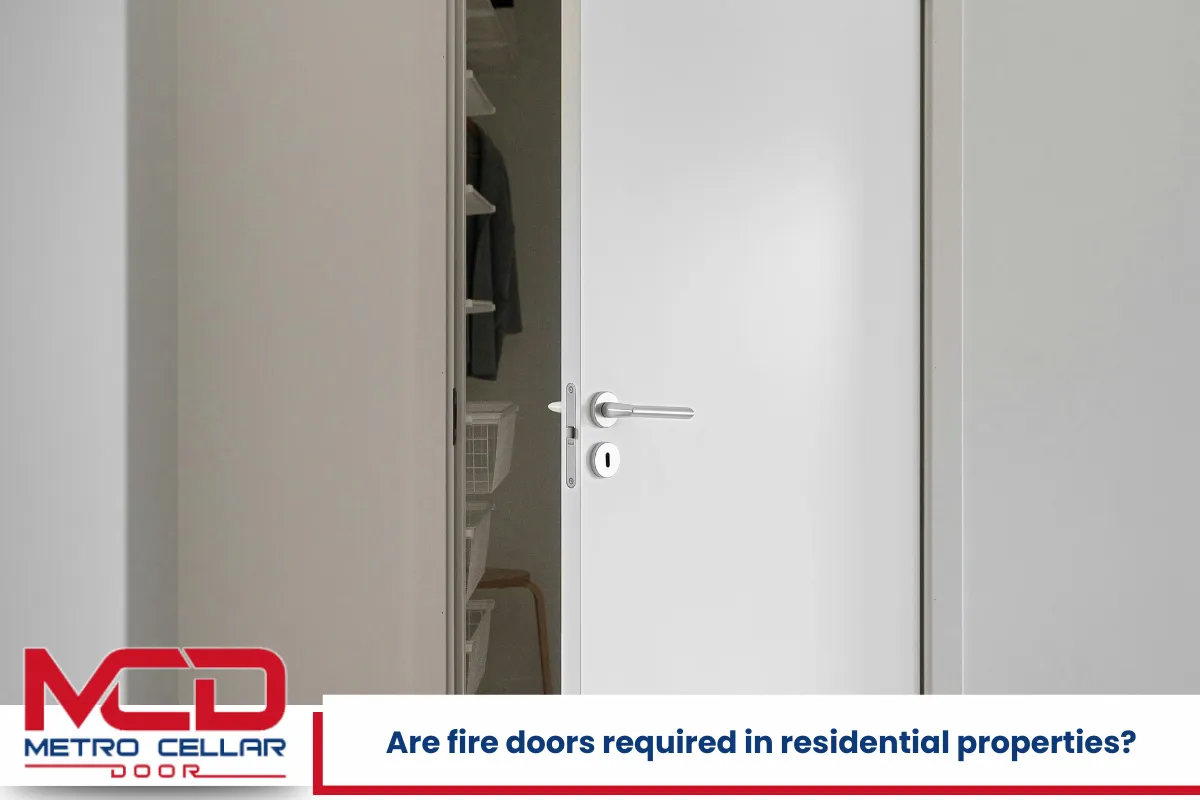
Fire doors are required in many residential settings, especially in multi-unit buildings, basements, and areas connecting living spaces to garages. They help contain fire and smoke, protecting occupants and providing safe exit routes. Local regulations specify where fire doors must be installed, and compliance is essential for safety and legal requirements.
What maintenance do fire doors need annually?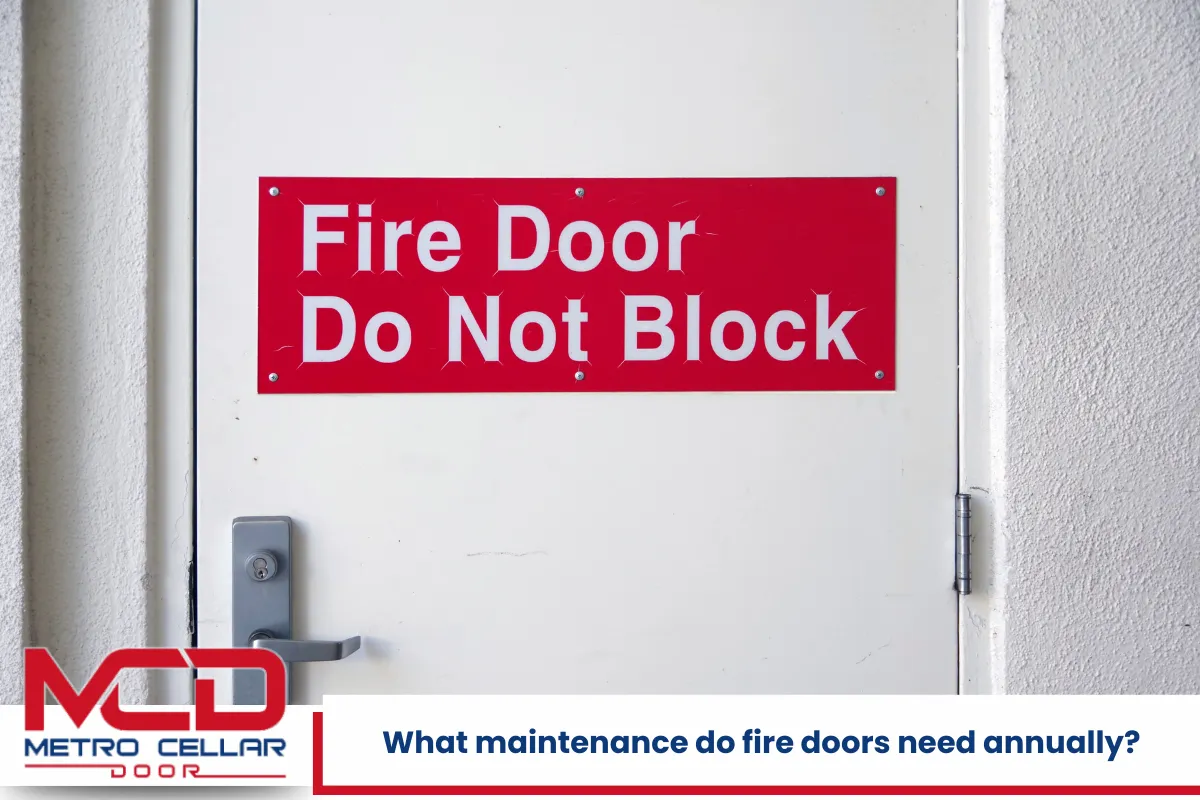
Annual maintenance includes checking door alignment, hardware functionality, seals, and labels. Doors should close and latch properly without obstruction. Inspectors also verify that no modifications have compromised the fire rating. Regular maintenance ensures compliance with inspection requirements and extends the lifespan of fire doors while maintaining safety.
Disclaimer: This article is for informational purposes only and does not replace professional consultation. Always verify current NYC fire codes and consult certified fire door installers for compliance and safety requirements.
Read Fire Door Installer in NYC: How Electromagnetic Hold-Open Devices Work