
As a trusted NYC basement door installer, we see the same story every winter: cold air pouring through basement doors and cellar doors, pushing heating costs up while making lower-level spaces damp, uncomfortable, and sometimes unsafe. The problem hits new york city houses especially hard. Aging steel frames warp, weatherstripping crumbles, and gaps that seemed minor in September become impossible to ignore by January.
Picture standing near your bulkhead cellar door on a freezing night, feeling a steady stream of cold air despite closed latches. Pipes near the entry start frosting. You stuff a towel under the threshold, but it barely helps. Meanwhile, your Con Edison bill climbs, and condensation feeds mold along the stairwell walls.
There is a better path. This guide breaks down exactly where basement door drafts originate, how to test for them, which DIY fixes actually work, and when professional basement door installation and sealing deliver the lasting results you need. Whether you are dealing with exterior basement doors, flat cellar doors, sidewalk basement cellar doors, or interior doors at the bottom of a stairwell, the steps ahead will help you seal things up for good.
Key Takeaways
- Most basement door drafts in New York stem from gaps around steel frames, damaged weatherstripping, and uninsulated cellar doors. Fixing these issues cuts heating bills and reduces moisture problems significantly.
- Simple upgrades like new door sweeps, compression weatherstripping, and insulating flat sidewalk cellar doors can resolve roughly 70 to 80 percent of draft issues without full replacement.
- Any basement door work in NYC must respect building codes, egress requirements, fire-rating rules, and sidewalk safety standards, making a professional assessment critical for anything beyond minor repairs.
- This article walks through at-home draft tests, practical DIY fixes, professional repair options, and clear signs that it is time to replace your basement door entirely for long-term comfort and security.
- Every solution here comes from the perspective of an experienced basement door installer who handles these challenges across New York City properties daily.
Why Basement Doors in New York Leak So Much Cold Air
Basement doors and cellar basement doors sit at the weakest point in a building’s thermal envelope. Unlike a main entry on the first floor, these doors in new york are in direct contact with foundation walls, damp masonry, and ground-level concrete that shifts with every freeze-thaw cycle. Older york city houses built before modern insulation standards often have hollow steel doors bolted into masonry openings that were never perfectly square to begin with.
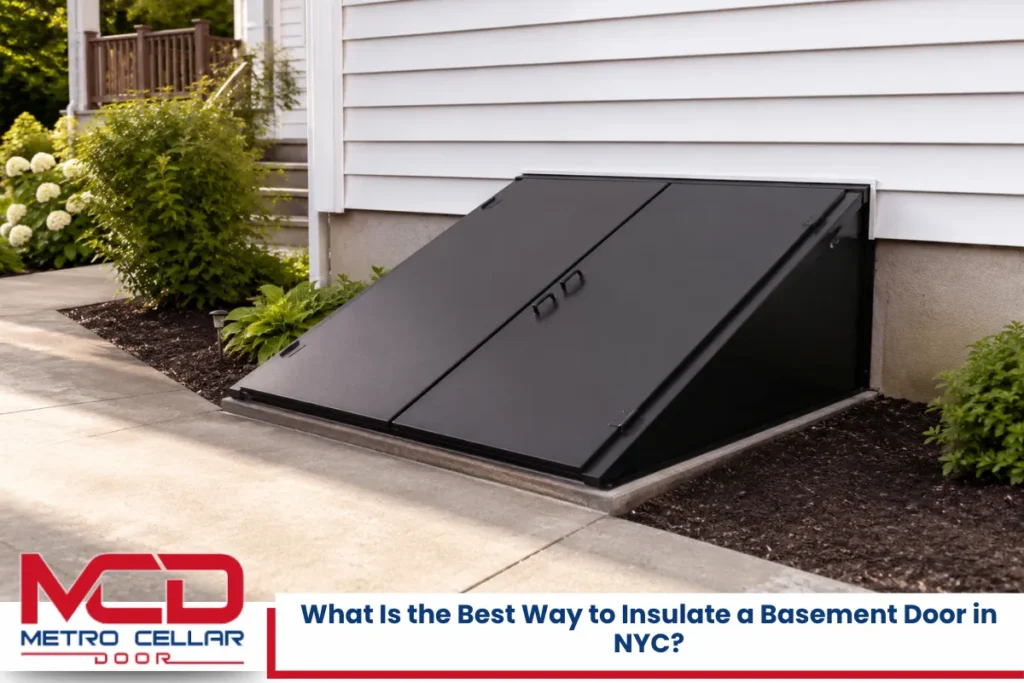
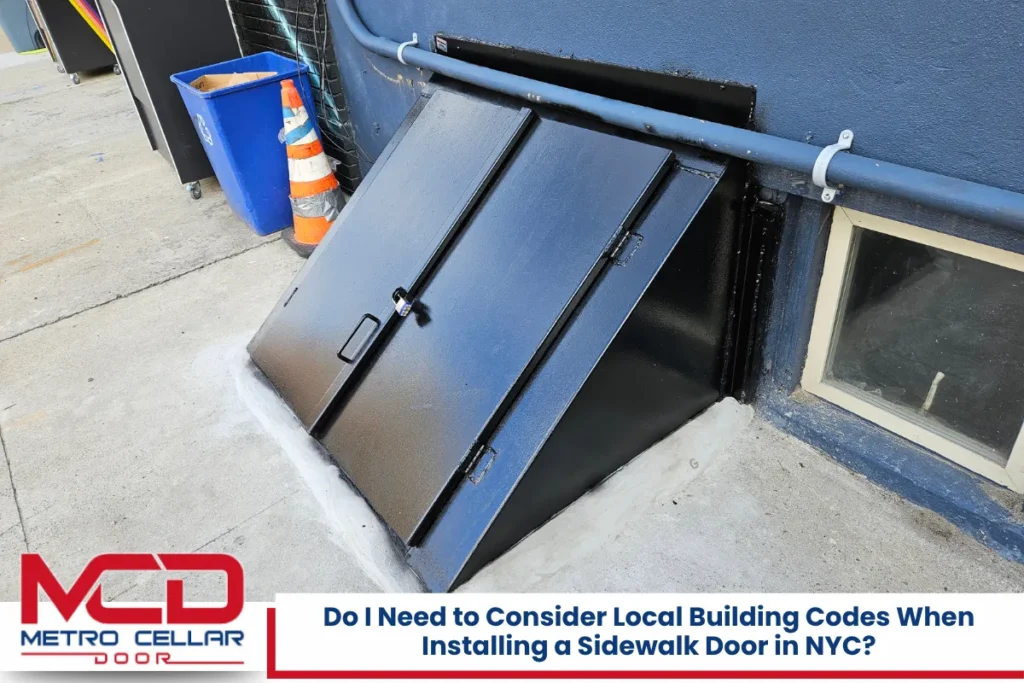
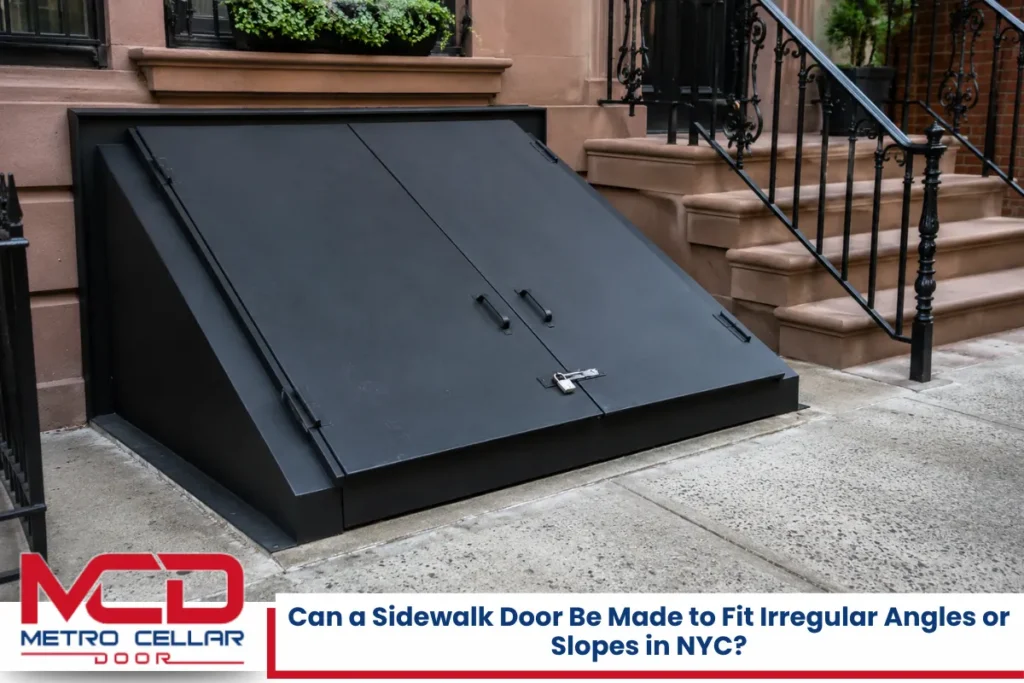
The typical NYC door types include basement steel doors leading to side yards, angled doors covering exterior stairwells that slope down from grade, flat sidewalk cellar doors used for deliveries and storage access, and interior basement doors separating heated living space from an unconditioned cellar room.
Over decades, rust eats at sill plates and frame edges. Brownstone foundations settle, creating uneven gaps at the head, jambs, and threshold. An uninsulated steel cellar door conducts outdoor cold directly through its skin, so even when visible gaps are small, the chill radiates inward. NYC’s coastal winds and the tunneling effect between tall buildings only amplify the problem, pushing air through every weak seal. Common draft sources also include rim joists and foundation penetrations in basements, which compound the issue when the door itself is already leaking.
Simple At-Home Tests to Find Basement Door Drafts
Diagnosing leak locations is the first step in sealing a drafty door. Before buying materials or calling a professional, run these quick checks to map exactly where cold air enters.
- Hand test. On a windy day, slowly move a damp hand along the full perimeter of the closed basement door. Cold spots at the threshold, corners, and hinge side reveal the worst gaps.
- Flashlight test. After dark, have someone stand outside with a bright flashlight aimed at the door edges while you watch from inside. Light streaks along the jambs or beneath the door sweep mark clear openings.
- Paper test. Close the door on a strip of printer paper at several points around the frame. If the paper slides out with little resistance, compression is weak and weatherstripping is failing at that spot.
- Smoke test. Hold a lit stick of incense or a smoke pen near the seams. Watch for smoke being pulled toward gaps, which confirms active air infiltration. Follow basic fire safety and keep open flames away from combustibles.
Document each leak with a quick photo and note the location. If you later call a basement door installer, this record lets the technician pinpoint problem areas immediately instead of starting from scratch.
DIY Draft-Stopping Fixes for Basement Doors and Cellar Doors
With some basic knowledge and a few hours on a weekend, a careful homeowner or building superintendent can fix cellar basement doors and cut drafts dramatically. This diy door repair checklist covers the most effective approaches.
Weatherstripping replacement. Old, worn-out weather stripping should be removed before installing new materials. High-quality adhesive-backed foam or V-strip weather stripping creates an airtight seal along the top and sides of the frame. Adhesive-backed foam wedges can seal corners of the door jamb where gaps tend to be widest. Choose silicone or rubber weather stripping rated for exterior use, as these materials remain effective through seasonal temperature changes. Weather stripping is recommended for moving door joints while caulk is used for stationary gaps. Install it continuously to prevent gaps.
Door sweep installation. A heavy-duty door sweep covers the gap between the door and the threshold. Using durable materials like metal-backed rubber sweeps improves door sealing and lasts longer than plastic alternatives. Bristle sweeps work best on uneven concrete thresholds. Rubber sweeps create a tighter seal on flat surfaces. Spring-loaded automatic bottoms retract as the door opens, which is ideal for tight clearances.
Caulk and foam sealing. Applying a bead of acrylic latex caulk around the door frame blocks air infiltration in stationary joints. For larger openings between the frame and masonry, use low-expansion spray foam. Draft stoppers or expanding polyurethane foam can seal large gaps at the door base. Avoid foaming over moving parts, hinges, or weep holes on sidewalk cellar doors.
Renter-friendly options. Removable draft snakes, tension-mounted door seals, and peel-off foam strips let renters reduce drafts without permanently altering the frame or violating lease terms.
Common mistakes to avoid. Over-foaming can warp frames and make doors harder to close. Misaligned sweeps scrape floors and wear out fast. Blocking drainage channels on flat cellar doors can cause water to pool and seep inside, creating worse problems than the draft itself. A combination of new weather stripping and a fitted door sweep often resolves draft issues without replacement, but only if the door is properly aligned first. Improperly aligned doors will not seal effectively even with new weather stripping.
Read Best Seals and Gaskets for Basement Doors: Guidance from an NYC Basement Door Installer
Professional Air-Sealing Options from an Experienced Basement Door Installer
When rust is severe, frames are warped, water keeps leaking in, or the basement door is part of a fire-rated or egress system, professional installation is the right call. Cellar doors require knowledge beyond basic handyman skills, and professional installers can identify issues non-professionals might miss.
A pro evaluates the entire opening: slab condition, frame alignment, hinge wear, hardware function, and surrounding masonry. From there, the technician determines whether advanced weatherstripping, threshold replacement, or a full frame adjustment is needed. Adjustable thresholds can create a consistent sealing surface and reduce drafts, and pros often pair them with continuous bulb gaskets for a complete seal.
Common professional upgrades include heavy-duty commercial weatherstripping rated for high-traffic cellar doors, adjustable aluminum thresholds with built-in seals, and continuous hinges that help the door sit tighter in the frame. When you need a steel door welding service to repair a cracked frame or reinforce a hinge pocket, that work requires welding and heavy duty power tools that go beyond a typical toolbox.
In New York City, modifying basement doors in multi-family or commercial buildings may require compliance with egress width, swing direction, and panic hardware rules. A licensed contractor handles those requirements as part of the cellar door installation process. For basement steel doors serving boiler rooms or mechanical spaces, professionals must maintain fire-rating labels and avoid any changes that reduce the door’s resistance to smoke and flame.
Most professional installers can complete air-sealing upgrades in a single visit, minimizing downtime for businesses that rely on their cellar door for deliveries. Professional installation ensures proper welding and alignment of doors, and that level of precision is what separates a lasting fix from a temporary patch.
Special Solutions for Flat Sidewalk Cellar Doors in New York
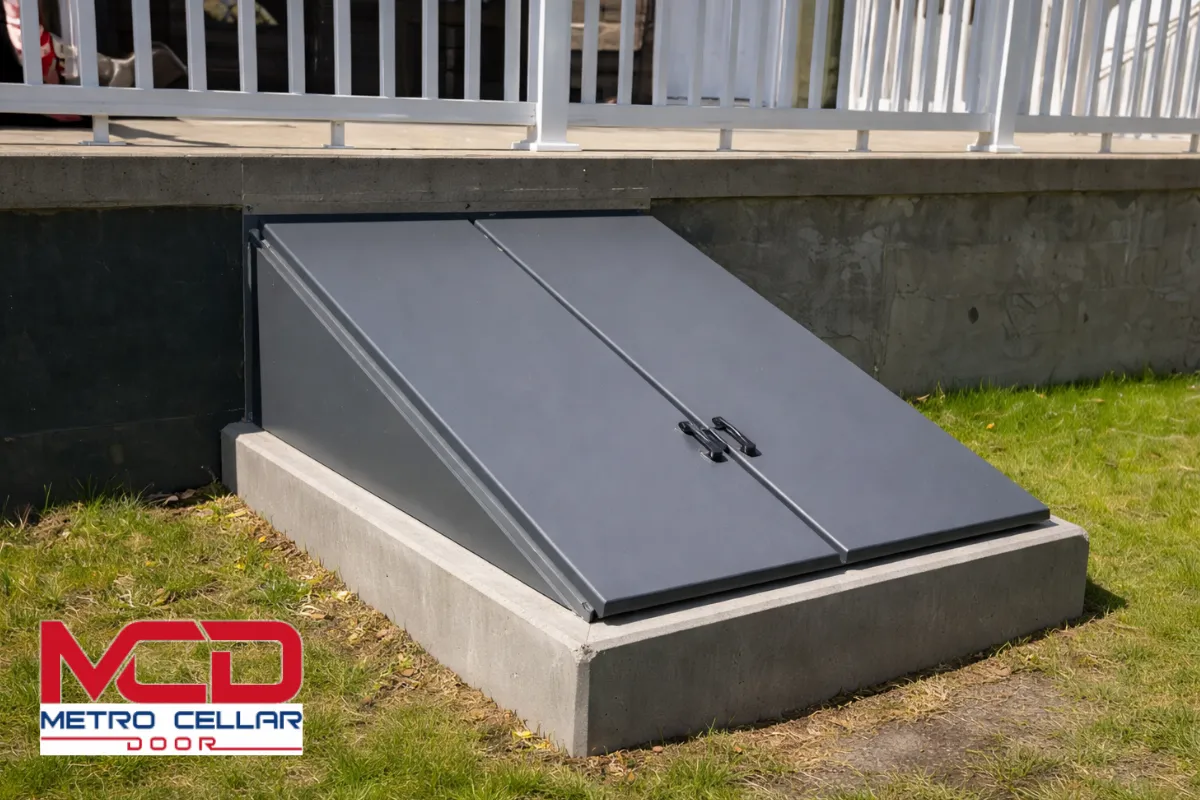
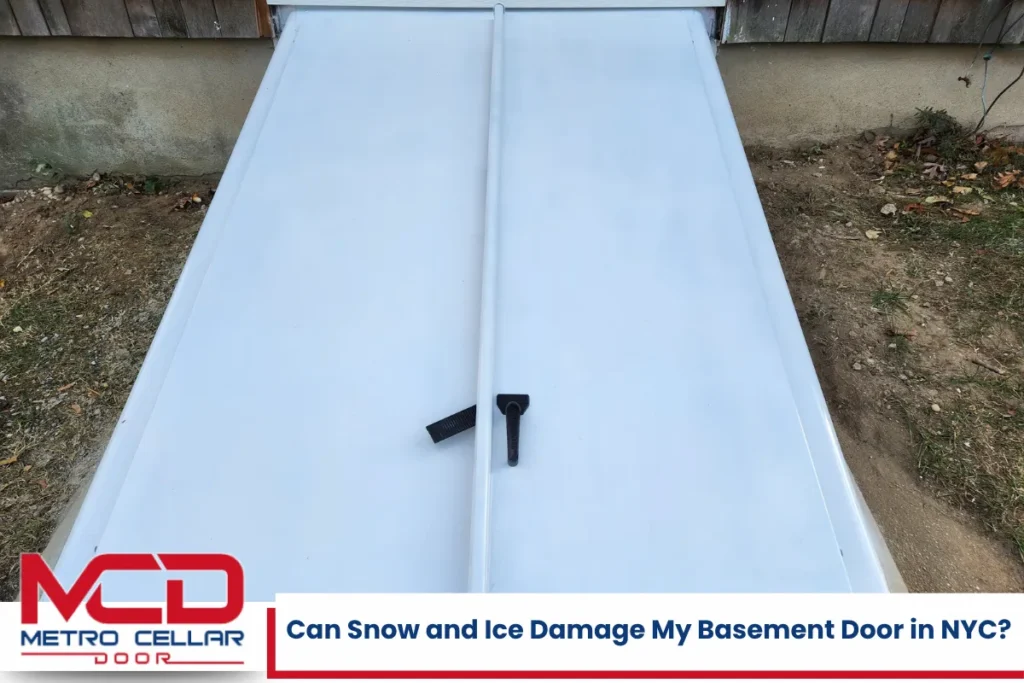
Flat sidewalk cellar doors present unique challenges because they sit at ground level, bear constant foot traffic, and face direct exposure to rain, snow, slush, and road salt. NYC holds property owners responsible for keeping these doors safe for pedestrians, which means any sidewalk cellar door replacement or repair must maintain a flush, non-slip surface.
Drafts traveling through sidewalk doors into a commercial basement can cool entire retail floors and spike heating loads, especially along busy avenues. Even a quarter-inch gap around the perimeter lets in significant airflow when wind speeds increase between buildings.
Sealing strategies for commercial cellar doors include installing continuous bulb gaskets around the frame perimeter, using low-profile thresholds that avoid creating trip hazards, and adding insulated door leafs where space allows. Professionals maintain flush alignment with the sidewalk while adjusting hinges and hardware to tighten the seal, preventing raised edges that could create liability issues.
Work on sidewalk cellar doors may require coordination with building owners, property managers, and sometimes city guidelines related to sidewalk obstructions and drainage paths. Many fabricators build these doors from top quality steel with diamond plate surfaces rated for at least 300 pounds per square foot of pedestrian load. Business owners should schedule inspections before winter to confirm that their flat sidewalk cellar doors close fully, latch securely, and keep street-level drafts out of storage and sales areas. Unlike a garage door or overhead garage doors that roll up and out of the way, sidewalk cellar doors must seal tightly against both weather and foot traffic simultaneously.
Insulation Upgrades for Bulkhead and Basement Steel Doors
Even when all gaps are sealed, uninsulated bulkhead basement cellar doors and thin steel doors can still transmit cold through conduction. Adding insulation to the door assembly itself is often the next step after weatherstripping and sweeps are in place.
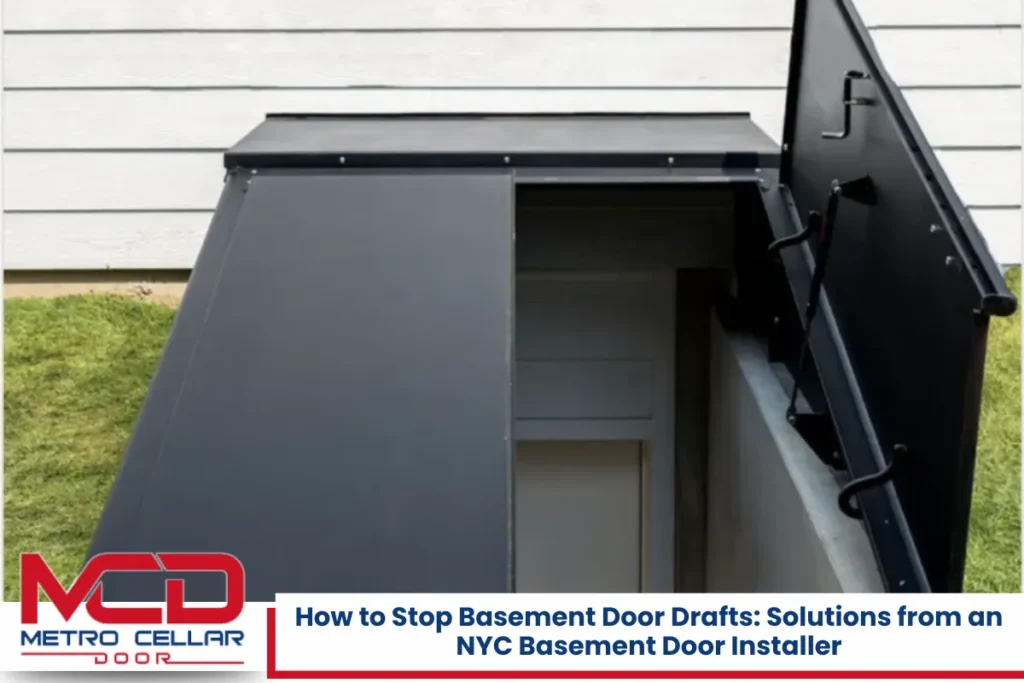
Options for insulated basement doors include factory-built steel doors with polyurethane cores that achieve U-factors around 0.38, compared to roughly 0.61 for hollow steel doors. That difference means nearly half the conductive heat flow through the door’s wings and panels. Insulated panels can also be added to bulkhead cellar door lids, and complete insulated cellar door systems are available for climates like New York’s. Cellar doors come in flat and bulkhead styles, so the insulation approach varies. Bulkhead cellar doors cover exterior stairwells and benefit from rigid foam board on the interior face, while flat designs need thinner, more durable insulation.
Adding rigid foam board or foil-faced insulation to the interior side of a steel cellar door reduces heat transfer, but hinges and gas struts must be sized for the added weight. Moisture-resistant rubber or vinyl should be used in damp environments where condensation is common. Insulated doors also reduce interior sweating on cold days, protecting stairs, handrails, and surrounding masonry from corrosion and mold.
For a commercial basement, insulated access doors help stabilize storage temperatures, protect inventory like garden equipment or sensitive materials, and support energy-efficiency goals. Installing weather-resistant materials helps seal basements against drafts and moisture year-round. Always confirm that insulation materials are securely fastened and do not interfere with code-required clearances or fire-resistance ratings.
When It Is Time to Replace the Basement Door Instead of Patching Drafts
High-quality steel cellar doors can last over 20 years with proper installation and maintenance, but every door eventually reaches a point where repairs stop making financial or safety sense. A steel cellar door that has been in service for 15 to 25 years in New York’s climate deserves honest evaluation.
Clear signs that replacement is smarter than continued patching include:
- Extensive rust-through on the door leaf or frame
- A warped frame that cannot be squared or shimmed
- Soft or rotted sub-sills beneath the threshold
- A stuck cellar door that no longer opens or closes smoothly
- Repeated water intrusion despite multiple sealing attempts
Repeated patching of weatherstripping and caulking around a severely damaged door can cost more over five years than investing in a new cellar door with a tight, properly fitted frame. Replacing a poorly insulated door can improve comfort and energy efficiency dramatically. Improper installation can lead to broken cellar doors and costly repairs down the line, so working with a qualified installer matters.
Safety triggers should accelerate the decision. If a broken cellar door no longer latches properly, if gaps compromise fire or smoke containment, or if residential basement security is weak due to a failing locking system, replacement should be prioritized. A new cellar door installation allows upgrades to energy-efficient insulated cores, multi-point locks, and robust thresholds. When you purchase cellar doors for an older property, custom made cellar doors can be tailored to specific needs and non-standard masonry openings. High quality cellar doors built from top quality steel give you a good and strong door that performs for decades. Cellar doors offer external access to basements for easy storage, so getting the replacement right matters for daily function. High quality doors paired with proper lock installation deliver top quality security solutions for any property. Cellar doors can be customized in various styles and colors to match the building’s exterior door aesthetic.
NYC Codes, Safety, and Compliance for Basement Door Work
While homeowners can handle minor draft-stopping like adding sweeps or caulking, any structural basement door work in New York City must respect local building code, fire code, and property maintenance requirements. This applies across brooklyn new york, Manhattan, Queens, and every borough.
Key compliance points to keep in mind:
- Egress requirements. Basement exits often count as legal emergency escape routes. Door clear width, swing direction toward the path of egress, and hardware type must be preserved. NYC Building Code Chapter 10 governs these standards. Raised thresholds must be beveled to meet accessibility rules.
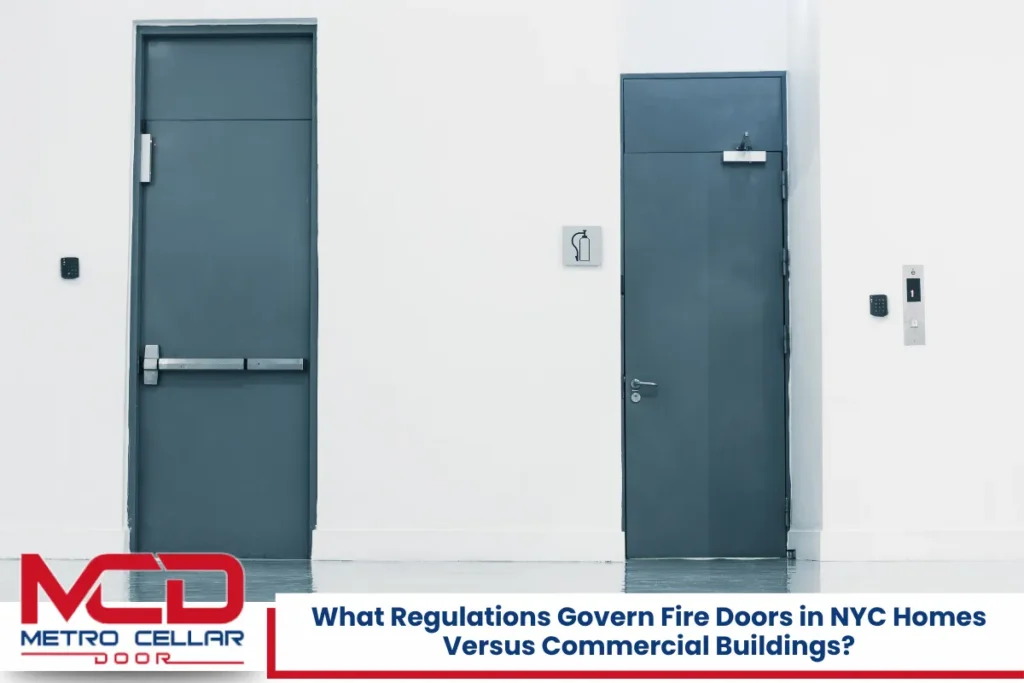
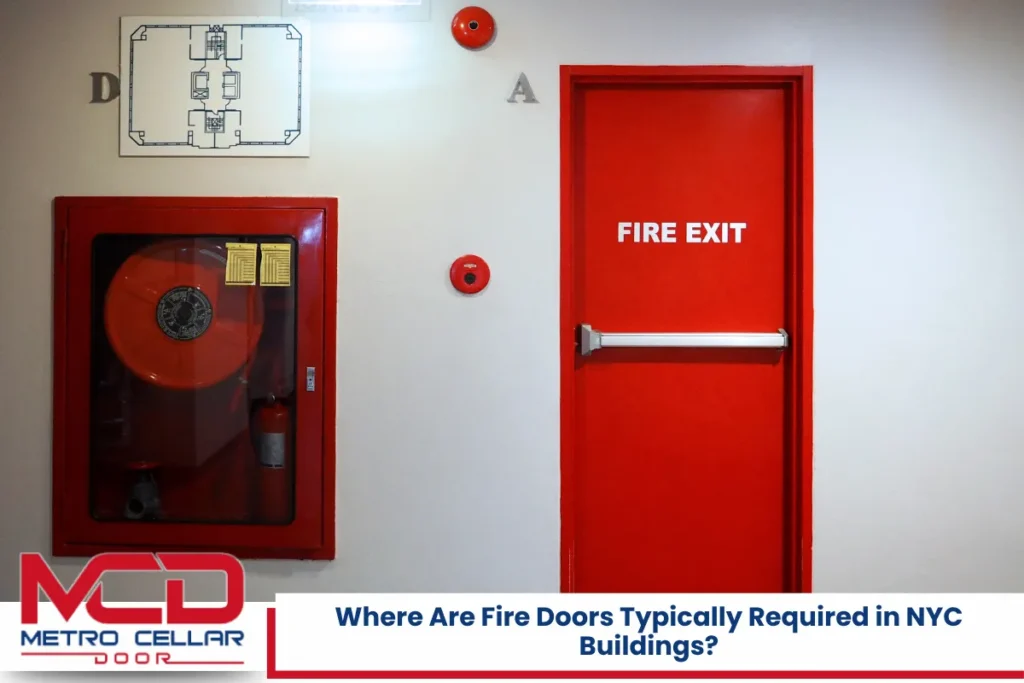
- Fire-rating rules. Certain basement doors serving boiler rooms, storage areas with combustibles, or stair enclosures are required to be fire-rated and self-closing. Modifications must not damage labels or disable closers. In older tenement buildings, the door between cellar and upper floors must often be self-closing and carry a minimum one-hour fire rating.
- Sidewalk door safety. Flat sidewalk cellar doors must remain structurally sound, flush enough to avoid trip hazards, and able to support typical pedestrian loads in keeping with city safety expectations.
- Permits and licensed work. Substantial replacement of an exterior door in multi-family or commercial buildings can trigger permit requirements. Licensed, insured contractors familiar with NYC regulations should handle that work. DIY installation may lead to misaligned doors and gaps that fail inspection.
Check with your building management, co-op board, or local authorities before altering shared basement exits, and keep all work documentation for future inspections. Unlike rolling gates or fence repair projects, cellar door work in occupied buildings carries code implications that demand professional oversight. Even overhead door repairs on the same property may have separate requirements worth reviewing.
Long-Term Maintenance to Keep Basement Doors Draft-Free
Even the best-sealed basement doors need periodic attention. Weatherstripping compresses, hardware loosens, and masonry shifts over time. Just basic maintenance performed on a regular schedule prevents small issues from becoming expensive problems. Regular maintenance prevents costly repairs for cellar doors and keeps your space comfortable year-round.
Seasonal checklist for basement cellar doors maintenance and cellar door maintenance:
- In early fall and late spring, inspect the door perimeter for cracked seals, peeling caulk, and loose sweeps. Run the paper or flashlight test again to catch new gaps.
- Lubricate hinges annually to prevent weather damage and ensure the door closes fully without slamming. A consistent latch keeps the seal tight.
- Clear debris, ice, and snow from bulkhead stair treads, sidewalk cellar door edges, and thresholds so doors close without obstructions.
- Check for broken or loose parts each season, including screws, strike plates, and sweep fasteners. Ignoring minor issues can lead to major problems.
- Log recurring drafts or water stains near the basement door. Patterns help a professional diagnose deeper issues if advanced basement cellar door repair or nyc cellar door repair becomes necessary.
- Paint protects steel doors and extends their lifespan. Timely repainting and rust treatment on basement steel doors prevents tiny holes that grow into noticeable air leaks. Steel cellar doors are strong and difficult to break without power tools, but rust weakens even the toughest steel over time.
Cellar doors provide external access to basements for easy storage of seasonal items, so keeping them operational matters. Sealing a basement door against drafts is crucial for energy efficiency and comfort in homes, and consistent upkeep is what makes any repair or installation last. Effective methods to seal a basement door include installing weather stripping and door sweeps, but those materials only perform when maintained. High quality cellar doors can last over 20 years with proper installation and ongoing care. Think of cellar door maintenance the same way you think about you basement waterproofing: it is not a one-time project, it is a commitment.
NYC Basement Door Installer – Metro Cellar Door Bilco Pro
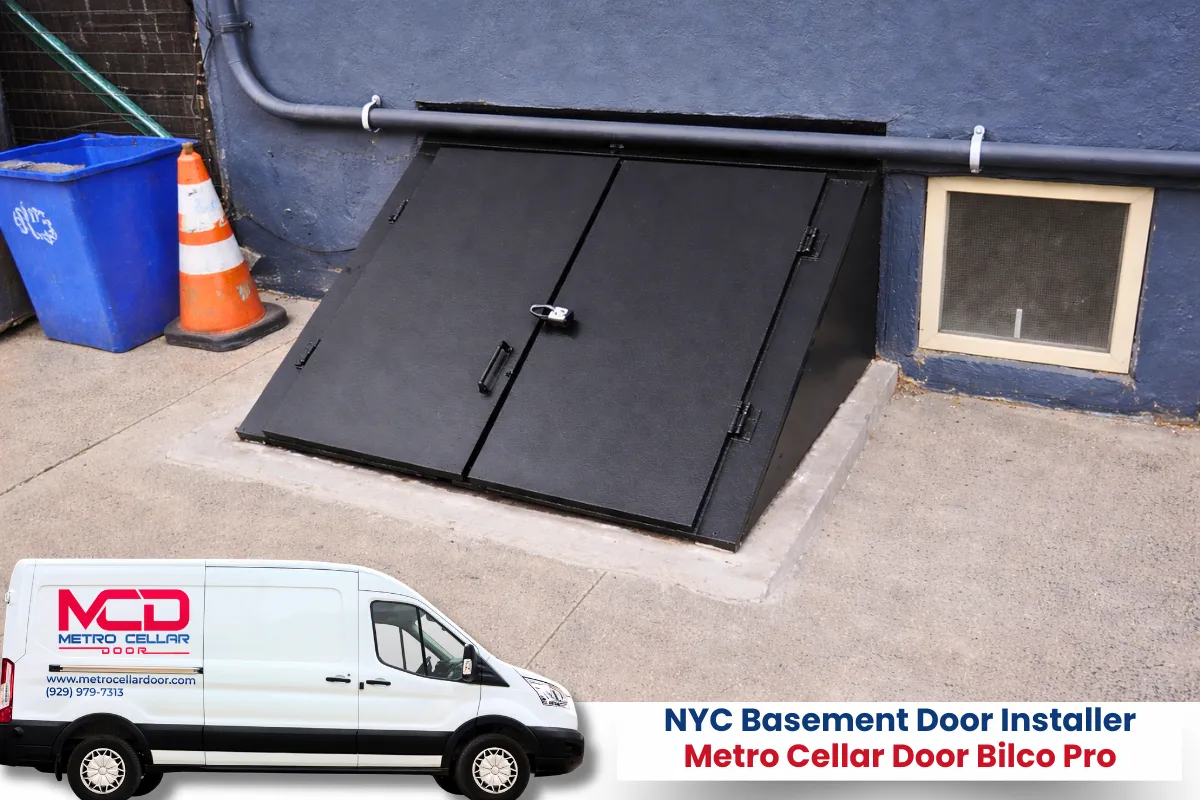
At Metro Cellar Door Bilco Pro, we specialize in professional cellar door installation services across New York City and surrounding areas. Our expertise covers installing a wide range of cellar doors, including bulkhead basement entries and flat sidewalk cellar doors, tailored for residential brownstones and commercial properties alike. We focus on precise weatherstripping application, accurate frame alignment, and installing fully insulated door systems such as Bilco cellar doors to ensure your basement door fits securely and performs efficiently. Our team is committed to delivering high-quality installations that enhance energy efficiency, security, and compliance with NYC building and fire codes.
If you’re seeking expert basement door installation with durable materials and professional craftsmanship, contact us at (929) 979-7313 or fill out our contact form for a thorough assessment. Metro Cellar Door Bilco Pro is dedicated to providing lasting solutions that keep your basement comfortable and secure year-round.
Frequently Asked Questions
How Much Does Basement Door Draft-Sealing Cost Compared to Full Replacement in NYC?
Basic draft-sealing work, including weatherstripping, a door sweep, and caulking, typically runs a few hundred dollars in materials and labor for a standard residential basement door. Full replacement of an insulated steel cellar door or custom sidewalk door ranges from roughly two thousand to eight thousand dollars or more, depending on size, fire rating, finish, and whether custom fabrication is needed for non-standard masonry openings. NYC labor costs, material sourcing, and any required permits push prices higher than national averages. The deciding factor is usually frame condition: if the frame is still square and structurally sound, sealing is cost-effective. If the frame is warped or rusted through, replacement saves money long-term.
How Long Do Professional Draft-Stopping Solutions Last Before They Need Attention?
Weatherstripping and door sweeps in high-exposure locations typically last three to five years before compression, cracking, or wear reduces their effectiveness. Rubber foam products degrade faster than EPDM or silicone options. Adjustable aluminum thresholds with built-in seals can perform well for a decade or longer with minimal upkeep. A fully insulated steel door with a polyurethane core, properly installed, can serve reliably for twenty years or more. The key variable is environmental exposure: doors facing direct weather, salt spray, and heavy use need more frequent inspection and component replacement than protected interior basement doors.
Can NYC Homeowners Legally Replace a Basement Door Themselves?
Minor maintenance like adding weatherstripping, installing sweeps, or caulking typically does not require permits, and homeowners can handle these tasks. However, full door replacement, especially when the door is fire-rated, part of a required egress path, or in a multi-family building, often triggers permit requirements under NYC building code. Installation requires knowledge beyond basic handyman skills, particularly when welding, frame modification, or fire-label preservation is involved. Unpermitted work can create liability if an accident occurs and may complicate future property sales or inspections. When in doubt, hiring a licensed and insured contractor protects both safety and property value.
How Do I Choose Between a Bulkhead, Flat Sidewalk, or Standard Exterior Door for My Basement?
The right choice depends on access needs, property layout, security priorities, and weather exposure. Bulkhead cellar doors work best when the basement is accessed via an exterior stairwell that slopes down from grade, offering weather protection through angled doors. Flat sidewalk cellar doors are designed for urban commercial properties where the door must sit flush with the sidewalk at ground level and support pedestrian traffic. A standard exterior door suits side-yard or rear-yard access where the opening is vertical and the threshold is at or near grade. Consider the nest cellar door style based on how frequently the entrance is used, what you are storing below, and whether delivery access or personal entry is the primary function.
How Do Basement Door Upgrades Fit Into a Broader Home Energy-Efficiency Plan?
Sealing basement doors is one of the highest-impact steps in a whole-house energy strategy because warm air rising through upper floors pulls cold air in at the base, a phenomenon known as the stack or chimney effect. According to building science estimates, roughly twenty-five to forty percent of a home’s heating energy can be lost through envelope leaks, and the basement is one of the biggest contributors. Pairing a tight basement door with insulated rim joists, sealed foundation penetrations, and upgraded windows creates a layered approach that compounds savings. Addressing the basement first often delivers the most noticeable comfort improvement per dollar spent, especially in older new york properties where the lower levels were never properly air-sealed.
Disclaimer: This article provides general guidance on basement door draft-sealing and is not a substitute for professional assessment or legal advice. Always verify compliance with current NYC building codes, fire regulations, and permit requirements before modifying any basement or cellar door assembly.
Read Waterproof Basement Doors: Pro Tips from a Top NYC Basement Door Installer