
Why NYC Sidewalk Doors Need Serious Lock Protection
A sidewalk door installer working across New York City sees firsthand why these doors attract trouble. Sidewalk doors provide access to underground spaces that often hold restaurant inventory, liquor, electronics, garden equipment, tools, and cash-handling areas. Because they sit in the public sidewalk, anyone walking by can study the hardware, test a handle, or return at 2 a.m. with heavy duty power tools.
Here is the problem: most basement entry points in older buildings still rely on exposed padlocks or worn-out latches that offer almost no resistance. Now consider that a single break-in can cost thousands in stolen goods, property damage, and insurance deductibles. Add a slip-and-fall lawsuit from a pedestrian who trips over a pried-open hatch, and the financial exposure climbs fast.
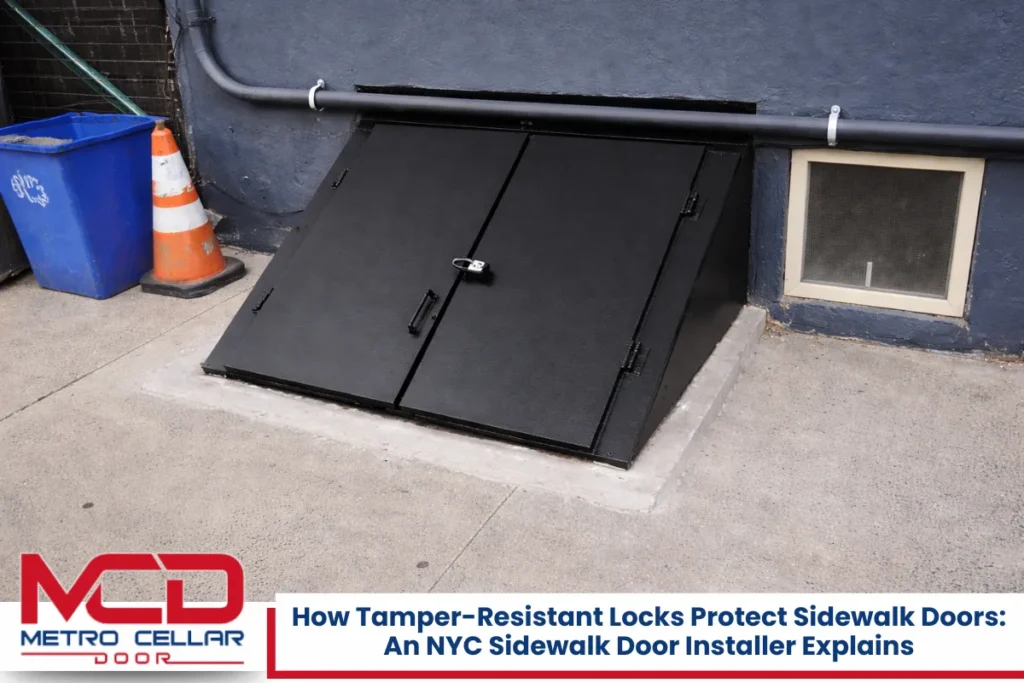
The solution is straightforward. Tamper-resistant locks increase protection against vandalism and break-ins by making forced entry slow, loud, and visually obvious. Paired with a steel cellar door built from top quality steel and anchored into sound concrete, these locks become the first line of defense for any building owner in manhattan, brooklyn new york, or queens new york.
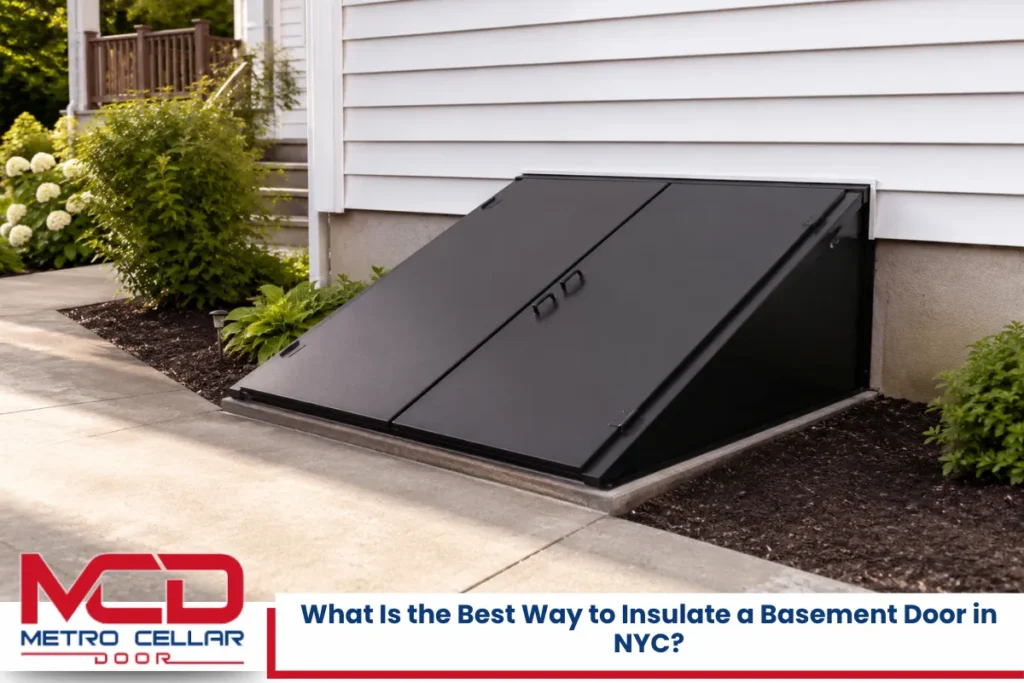
Sidewalk doors are essential for storage and delivery access in urban settings, and they come in several forms: flat sidewalk cellar doors sitting flush with concrete, angled doors covering exterior stairwell entries along building facades, and heavy traffic-rated vault covers near loading zones. Understanding which lock fits each type is what separates real security from wishful thinking.
Key Takeaways
- Tamper-resistant locks are critical for NYC sidewalk doors, cellar doors, and commercial basements because they deter theft, reduce liability, and satisfy safety codes that govern the public right-of-way.
- New York City sidewalk doors sit at ground level in areas of constant foot traffic, so lock choices must balance strong security with emergency egress requirements and trip-hazard rules.
- Proper installation by an experienced installation team, heavy-gauge hardware, and seasonal inspections matter just as much as the lock model you select.
- An experienced sidewalk door installer can match lock systems to the specific door type, whether you have flat sidewalk cellar doors, a bulkhead cellar door unit, or traffic-rated steel hatch doors over a loading zone.
- High-security locks are most effective when combined with reinforced door designs, solid frames, and layered deterrents like cameras or alarms.
How Sidewalk Doors Work in New York City Streetscapes
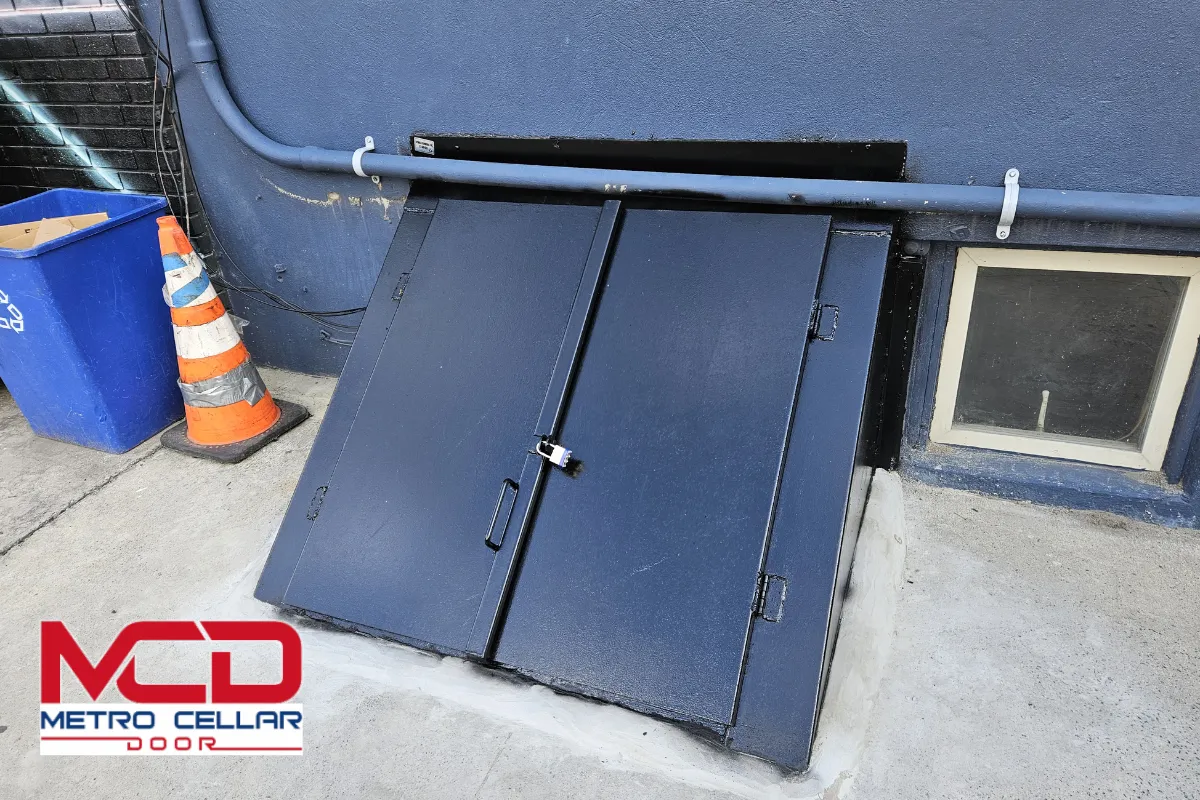
NYC buildings squeeze every available square foot out of their footprint, and below-grade space is no exception. Basements serve as commercial basement kitchens, boiler rooms, cellar room storage, and utility hubs. External access to these spaces runs through sidewalk doors embedded in the public walkway or set against the building line.
The main door styles break down simply:
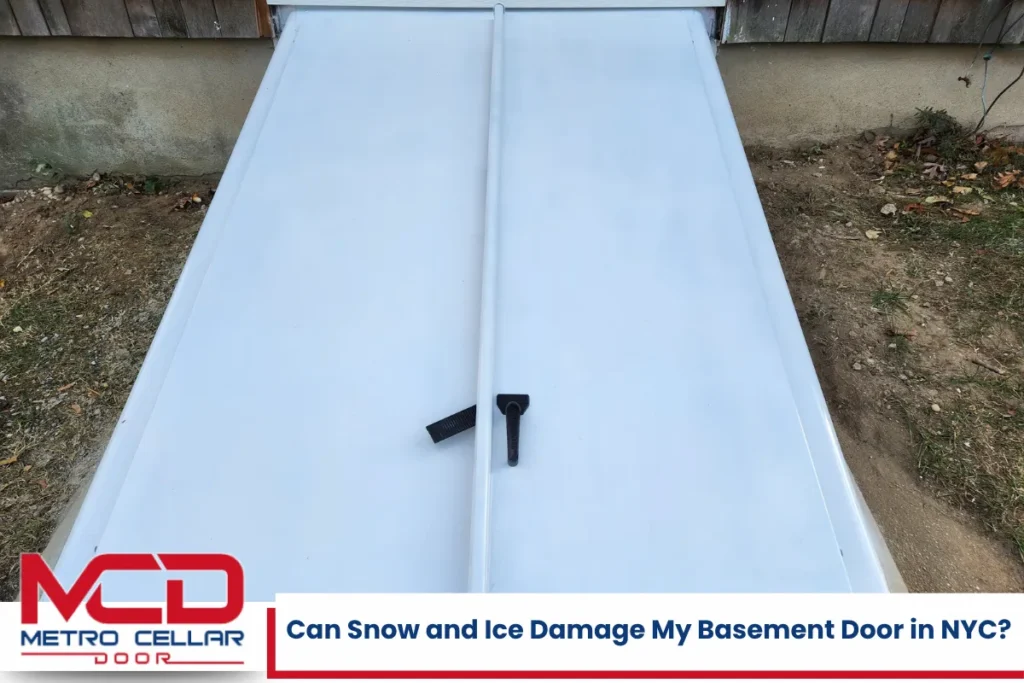
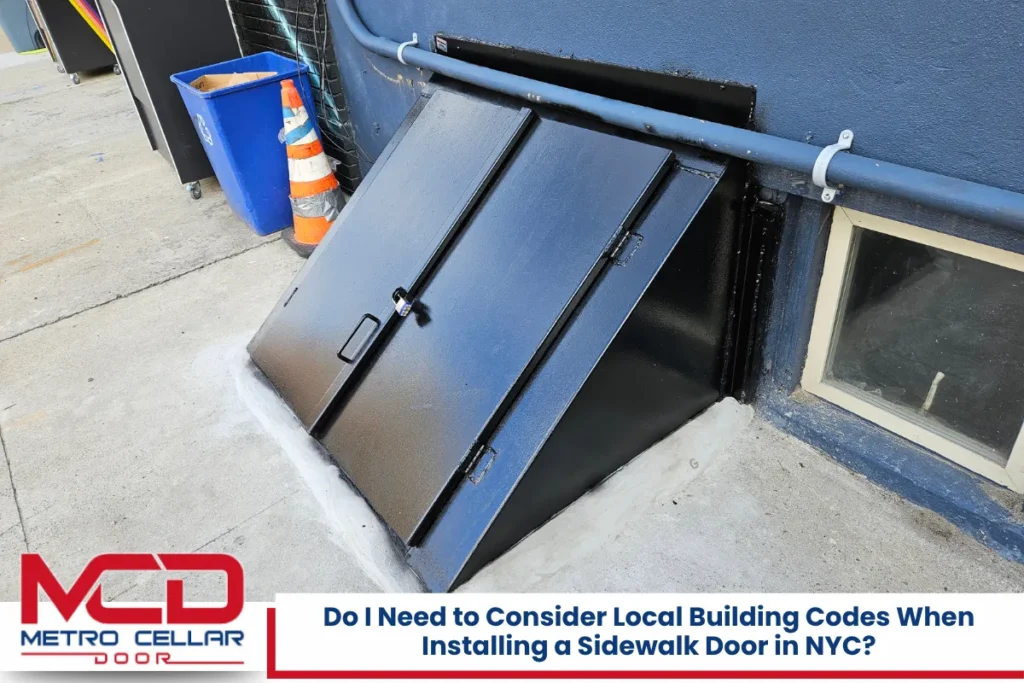
- Flat sidewalk cellar doors that sit flush in a concrete slab, often surfaced with diamond plate for grip. A flat door like this must support pedestrian traffic safely and sometimes vehicle loads near curb cuts.
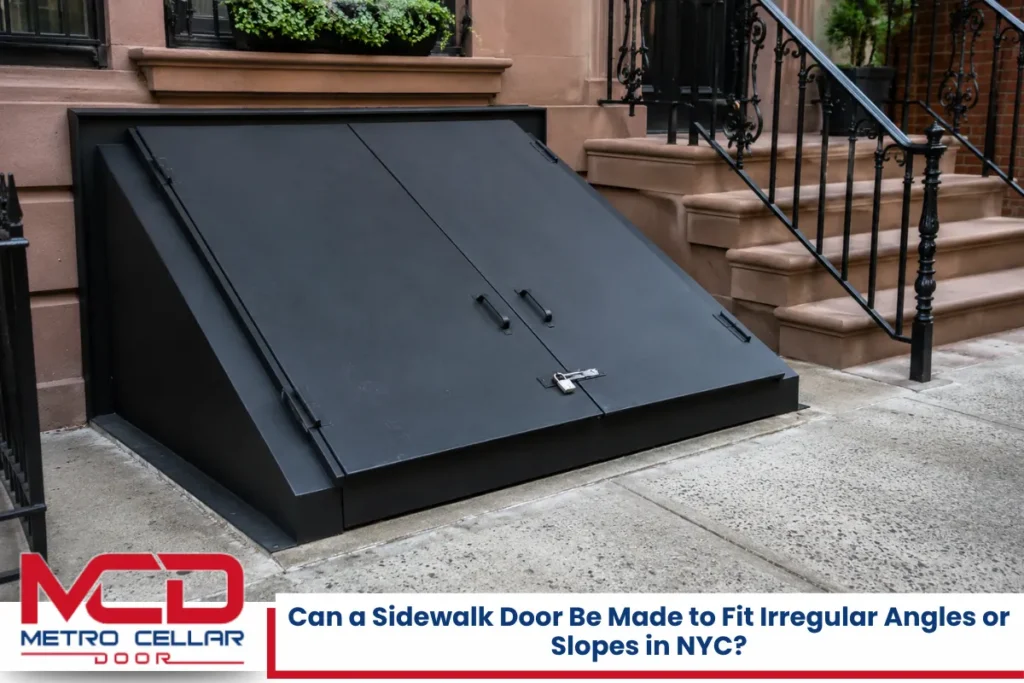
- Angled doors or sloped bulkhead configurations that follow an exterior stairwell down to basement level, common on row houses and brownstones across nyc boroughs.
- Traffic-rated vault covers and steel hatch doors positioned near loading docks or retail storefronts where delivery trucks pass.
Steel is the most common material for sidewalk doors, and galvanized steel prevents rust and withstands heavy foot traffic over years of use. Aluminum is a lighter, rust-resistant alternative to steel, though less common in high-traffic commercial areas. Concrete-infill doors combine steel framing with a concrete slab to match surrounding sidewalk surfaces. Many residential buildings and apartment buildings in New York use smaller basement access doors or bulkhead basement cellar doors, while commercial buildings and commercial storefronts often require wider, heavier panels rated for pedestrian loads of roughly 300 pounds per square foot, or even 600 pounds per square foot where vehicle wheel loads apply.
Because most NYC structures date to pre-war construction with non standard openings, standard doors rarely fit. Custom sidewalk doors are fabricated to meet exact dimensions, and lock placement is engineered into each panel rather than added as an afterthought.
What “Tamper-Resistant” Really Means for Sidewalk Door Locks
The term tamper-resistant does not mean a door is impossible to breach. It means the lock system is designed to delay and deter forced entry long enough to make the attempt risky, noisy, and unattractive to opportunists.
Core characteristics of tamper-resistant lock hardware include:
- Concealed or recessed lock bodies that sit inside the door leaf so they cannot be grabbed with pliers or channel locks
- Hardened steel components resistant to drilling, sawing, or snapping
- Shielded hasps and lock guards that block direct access to shackles and latch bolts
- Anti-pry features like interlocking flanges and deep receivers built into the frame
- Reinforcement lock-bars that prevent bending and enhance security at the latch point
Compare this to a basic padlock dangling from a surface-mounted hasp on a sidewalk basement cellar doors panel. That padlock can be cut with bolt cutters in seconds. A residential doorknob offers even less resistance. Heavy-duty components resist wear and forced manipulation, which is exactly what you need guarding a basement storage area filled with liquor cases or bike inventory.
NYC’s climate adds another layer of difficulty. Freeze-thaw cycles, de-icing salts, and standing water corrode exposed metal fast. Tamper-resistant locks enhance security only if they also resist corrosion and jamming through the winter months. Weather-sealed housings, stainless internals, and protective coatings are not optional features in New York, they are necessities.
Common Lock Types Used on NYC Sidewalk and Cellar Doors
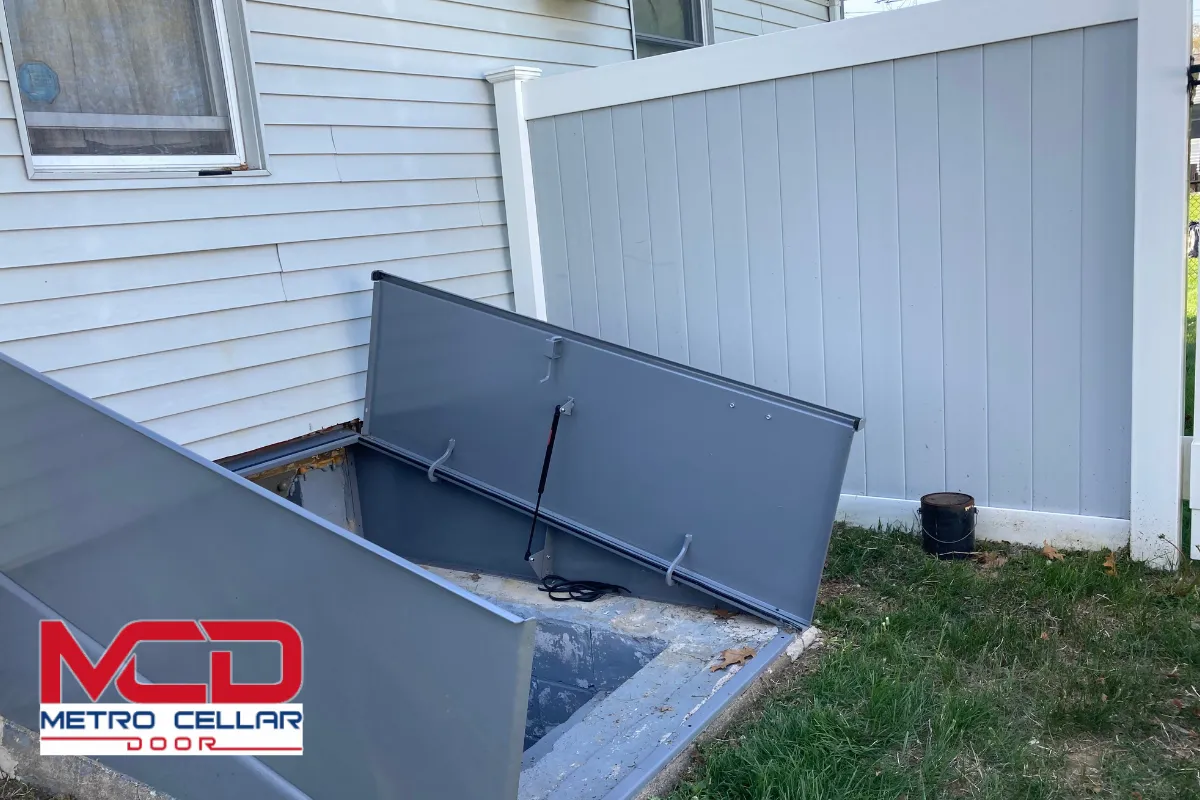
Different sidewalk doors demand different lock types depending on panel thickness, how often the door opens each day, and whether the space serves as an emergency exit.
Slam Locks
Slam locks engage automatically when a flat sidewalk cellar door closes. They are popular on high-traffic delivery doors at restaurants and retail storefronts because staff do not need to remember to lock up after every delivery cycle. These are typically paired with interior release hardware so workers can exit the basement without a key. The weakness is alignment: if the frame shifts or debris collects in the receiver, the latch may only partially engage.
Mortise and Rim Cylinder Locks
These locks are integrated into the door leaf or frame, offering deeper anchoring and better pry resistance than any surface-mounted option. When fitted with armored escutcheons and reinforced strike plates, mortise locks can be keyed to an existing building master system, which is a practical advantage for apartment buildings and mixed-use properties. They work well on both a single door panel and double-leaf configurations.
Heavy-Duty Slide Bolts with Lockable Hasps
Commonly found on bulkhead cellar door units at residential buildings, slide bolts sit inside the door or under a protective steel flange. They are straightforward to operate and effective when the hasp is recessed and shielded from street view. Hydraulic EZ Lift doors designed for tamper resistance sometimes incorporate integrated slide bolt systems for added strength.
Electronic and Keypad Locks
For commercial basement entries that see dozens of authorized users daily, keypad or card-access locks eliminate key management headaches. These require weatherproof housings, backup power, and mechanical interior release to stay code-compliant. They work best on doors protected from direct weather exposure, such as those set into a building facade rather than flush in the sidewalk.
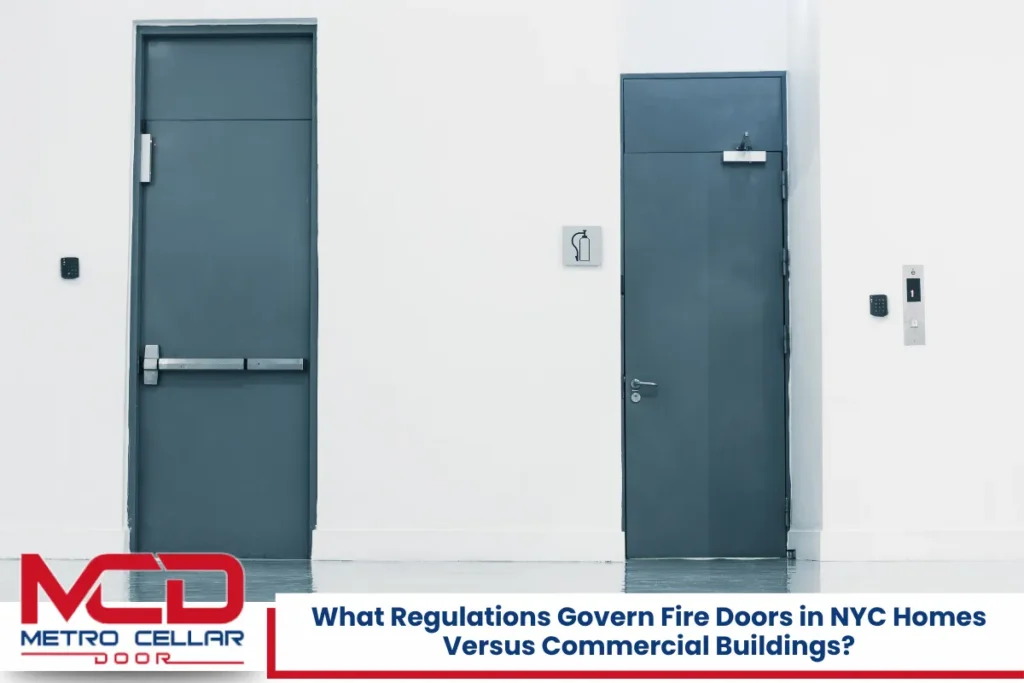
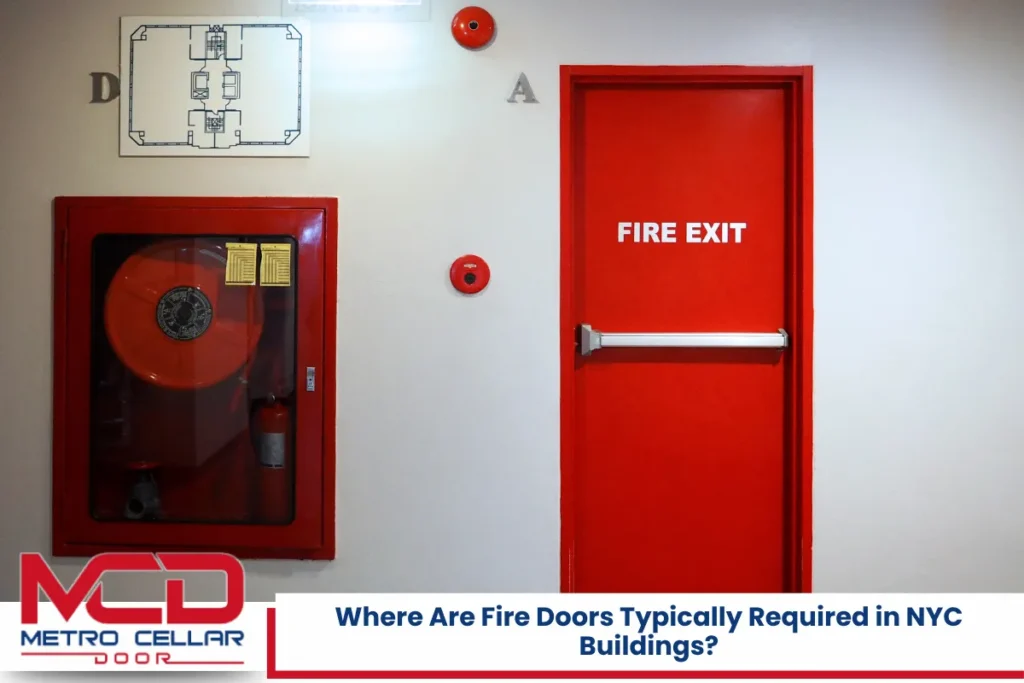
Any door serving as a fire-rated egress route needs exit hardware, typically panic bars or push-bar releases, that lets occupants escape without keys or special knowledge.
Read Must-Have Sidewalk Door Security Features, Recommended by an NYC Sidewalk Door Installer
How Tamper-Resistant Locks Deter Real-World Threats
Walk past enough commercial storefronts in Manhattan or Brooklyn after midnight and you will spot someone testing a cellar door handle. Most opportunistic theft starts with exactly that simple check. If the door moves or the padlock wobbles, the thief invests another thirty seconds. If the hardware is visibly hardened, recessed, and reinforced, they move on.
Strong locks reduce several categories of risk:
- Grab-and-go theft of liquor, tools, or inventory stored in basement cellar doors
- Squatters or trespassers entering through unlocked or poorly latched sidewalk doors for easy access to shelter
- Vandalism or tampering with boiler rooms, utility meters, and electrical panels
- Internal shrinkage when only authorized staff hold keys or access codes
Visible tamper-resistant hardware and lock guards send a clear visual signal that breaching this opening will take time, noise, and specialized equipment. That alone is a powerful deterrent. Layered security multiplies the effect: combine a tamper-resistant lock with a heavy-gauge steel door, reinforced anchors into concrete or masonry, and a camera or alarm at high-risk sites. Each layer makes unauthorized entry less likely and provides evidence if it does occur.
NYC Codes, Liability, and Safety Rules Sidewalk Locks Must Respect
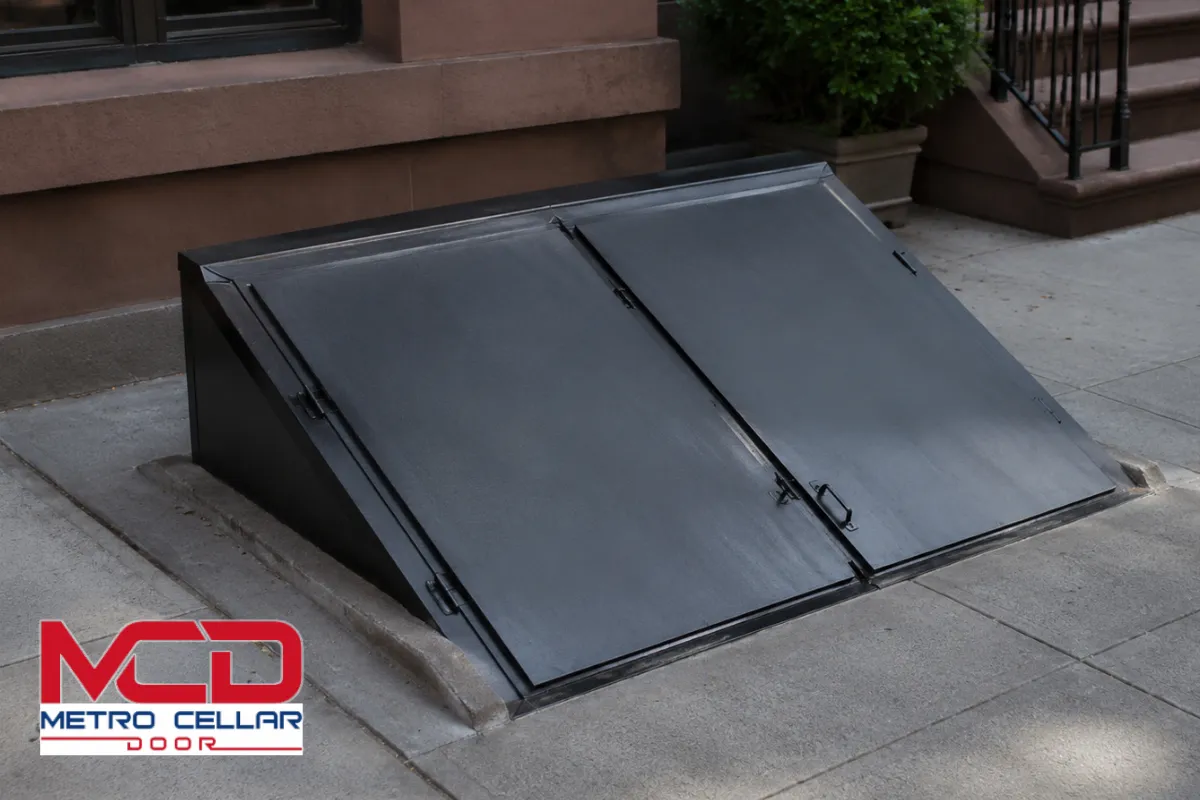
New York City regulates sidewalk doors as part of the public right-of-way. Property owners are responsible for securing sidewalk cellar doors to prevent pedestrian accidents, and that responsibility extends to every component of the door, including locks, hinges, frames, and surface condition.
Key compliance points every owner should know:
- Sidewalk doors must comply with local building codes. Flush-mounted doors reduce trip hazards in pedestrian areas, and no hardware should protrude above the sidewalk plane on a flat door.
- Doors must stay closed and latched when not in active use. A door left open on a busy nyc sidewalk creates immediate pedestrian traffic hazards and potential DOT violations.
- Emergency exits from basements cannot be locked in a way that traps occupants. Interior release mechanisms, whether thumb-turns, push bars, or lever handles, are required on any door that serves as a means of egress.
- Double-cylinder locks are not recommended for residential multiple dwellings in NYC because they require a key from both sides, creating an egress trap.
- Sidewalk door installations require compliance with local building codes, and permit costs for sidewalk door installation range from roughly $100 to $500 depending on the scope.
City inspections, including Local Law sidewalk surveys and insurance audits, will flag damaged locks, missing covers, or doors that cannot fully close. An unlocked or broken cellar door that leads to injury or unauthorized entry can expose property owners to significant civil liability claims. For retail storefronts and restaurant basements, insurance carriers increasingly require documentation that cellar door services and lock hardware meet current standards before renewing policies.
Proper Installation: Why Lock Quality Alone Is Not Enough
Even the best tamper-resistant lock fails if it is bolted onto thin steel, crumbling concrete, or an out-of-square frame. Proper installation prevents trip hazards and enhances safety while ensuring the lock actually performs as designed.
Here is what a professional door installer typically follows during a sidewalk cellar door installation project:
- Site measurement and assessment of the existing concrete slab, vault structure, or masonry opening
- Custom fabrication of door panels, frames, and lock cutouts to handle non standard openings found in older New York buildings
- Anchoring the frame into sound concrete or structural steel with tamper-resistant fasteners
- Welding or bolting lock hardware with precise alignment so latches fully engage every time the door closes
Misaligned doors or warped frames leave gaps that invite prybars. A slam lock on a shifted frame may only partially engage, giving a false sense of security. Surface-mounting a simple hasp without interior backing plates is another common shortcut that undermines the entire system.
Most installations are completed within the same week for standard configurations. Custom fabrication typically adds one to two weeks to installation. Installation time for a residential cellar door is about two hours for a straightforward swap. Average installation costs in the Newark metro area range from $2,500 to $6,000, and NYC projects can fall in a similar range depending on cellar door cost factors like size, steel gauge, and lock complexity.
When you install sidewalk cellar doors or install cellar doors of any type, the installation team should confirm that doors sit flush with the sidewalk surface and that water cannot infiltrate around lock penetrations.
Choosing the Right Tamper-Resistant Lock for Each Door Style
Lock selection must match the door’s use, material, and environment. There is no one-size-fits-all solution across NYC.
Flat Cellar Doors on Commercial Properties
For flat sidewalk cellar doors serving a commercial basement, favor low-profile slam or mortise locks with recessed pulls. Anti-pry perimeter designs and load-rated hardware are critical because these doors must support pedestrian traffic while securing the space below. If the door also serves as an egress route, make sure the lock is compatible with interior push-bar releases.
Bulkhead Doors on Residences and Mixed-Use Buildings
A bulkhead cellar door on residential buildings or mixed-use row houses benefits from heavy slide bolts or mortise locks shielded by steel flanges. Position any padlock hidden from street view where possible. Weather-resistant finishes are essential here because angled doors covering a stairwell tend to collect snow, salt, and standing water directly on the hardware. Iron gates or steel gates at the base of an exterior stairwell add another access barrier.
Traffic-Rated Hatch Covers
Locks and hinges on these doors must be protected from crushing forces. They need to be secure yet accessible for utility workers and emergency responders. Integrated locking vault hardware recessed below the door surface works better than surface hasps on these high-load panels.
For apartment buildings and multi-tenant properties, consider master-key systems so a single key plan covers every basement entry point. Rekey promptly after staffing changes or lost keys, and unlike garage doors or standard interior doors, outdoor cellar door locks face relentless environmental wear that accelerates cylinder degradation.
Daily Use, Maintenance, and Inspection of Sidewalk Door Locks
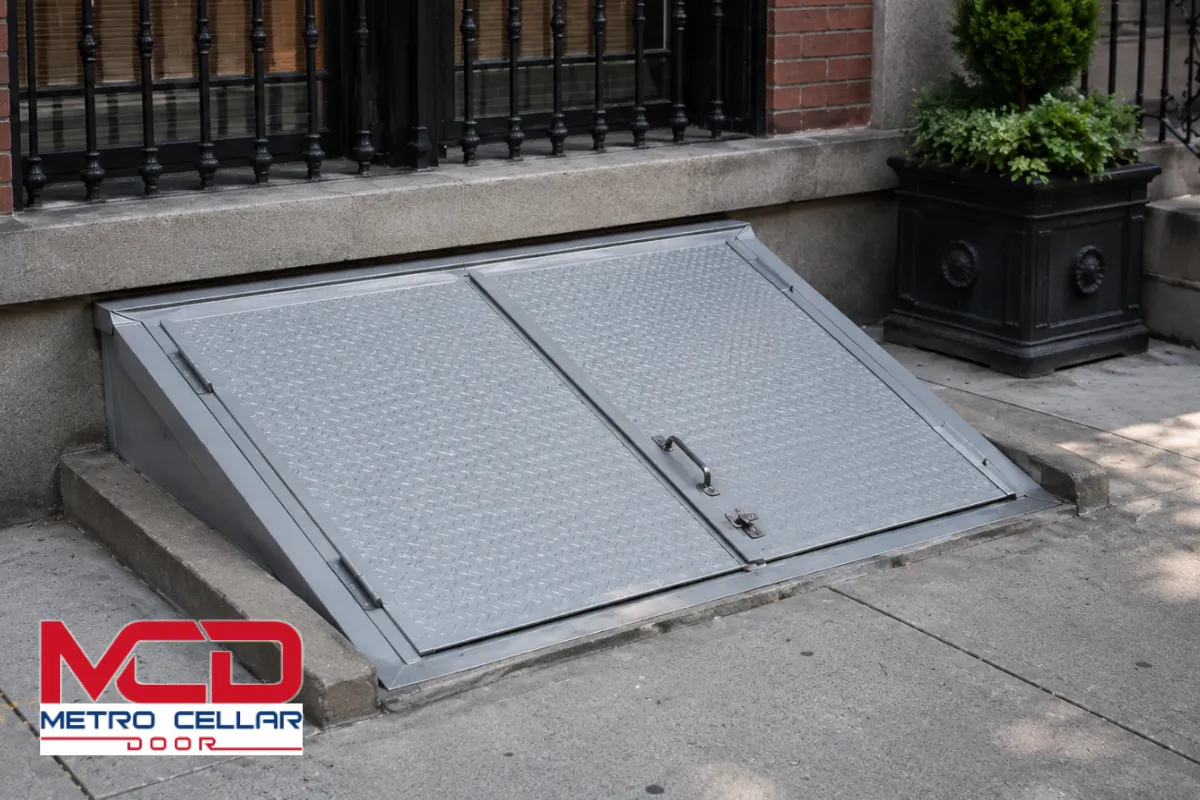
In New York’s climate, even heavy-duty locks need regular attention to stay secure and code-compliant. Regular inspection of locks helps maintain their functionality and security through harsh seasons.
Practical inspection tips for property managers:
- Confirm that doors fully close, sit flush, and lock without forcing the mechanism
- Look for rust, standing water, or salt buildup around lock cylinders and latch receivers
- Test interior release hardware monthly on any door that serves as an egress route
- Check for broken or loose parts on hinges, lock guards, and frame anchors
Simple maintenance steps go a long way:
- Use appropriate lubricants on lock mechanisms, but avoid over-greasing exposed cylinders that collect grit and freeze
- Touch up paint or coatings around lock cutouts to prevent corrosion from spreading
- Clear debris, ice, and snow so panels close and latch completely each time
- Weather-resistant locks reduce corrosion and contamination, but only when their protective coatings stay intact
Call a professional for cellar door repair when frames are misaligned, diamond plate surfaces are buckled, locks no longer latch cleanly, or any section of the door feels spongy underfoot. Scheduled maintenance extends the lifespan of both the lock and the door itself, reducing the chance of an expensive emergency cellar door replacement.
Upgrades, Retrofits, and When to Replace Aging Lock Systems
Many NYC buildings still rely on decades-old padlocks or improvised bars across their basement cellar doors. What worked thirty years ago is now a weak point against modern break-in techniques and tighter insurance expectations.
Common upgrade scenarios include:
- Sidewalk cellar door replacement projects where a new sidewalk door receives integrated high-security lock hardware from the start
- Swapping surface padlocks for recessed lock cases and guards on an existing old cellar door
- Adding secondary locking points on wide double-leaf doors that currently rely on a single latch
Warning signs that it is time to act:
- Keys that barely turn, visible corrosion, or frozen cylinders after winters
- Lock bodies visibly bent from previous pry attempts on a broken cellar door
- Difficulty meeting insurance requirements or failing safety inspections
- An old door that no longer sits flush, creating pedestrian hazards
When planning a full replacement or installing a new cellar door, coordinate the lock system with broader building security. Match cylinders to existing master-key plans, consider integrating alarms or access control on frequent-use doors, and verify that emergency egress remains legal under fire-safety requirements. A new door paired with upgraded locks during the same project avoids duplicate labor and permitting costs, which is why many property owners time nyc cellar door installation work to coincide with concrete repairs or facade projects. Working with a reputable cellar door company ensures the new door meets every structural and security requirement from day one.
Locking In Safety and Security for Sidewalk Doors
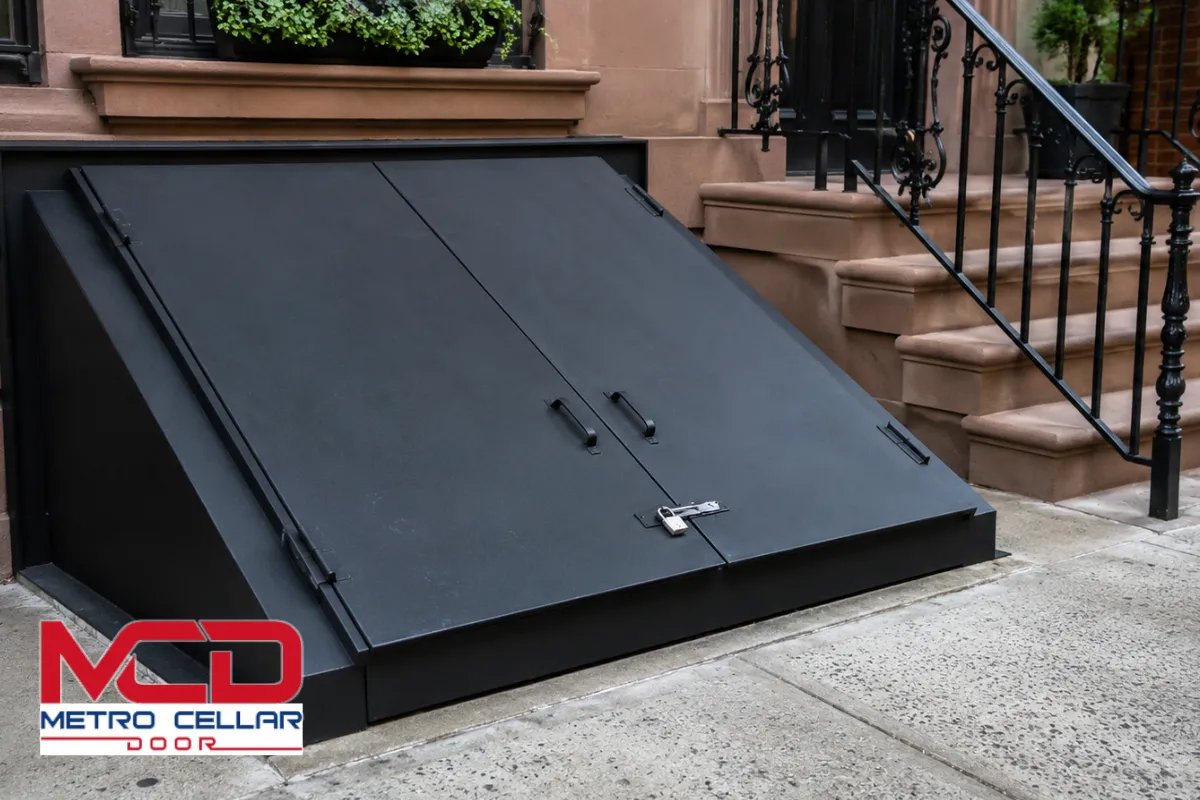
Tamper-resistant locks are not a luxury for NYC sidewalk doors. They are a practical necessity driven by real security threats, strict city codes, and the financial consequences of getting it wrong. The right lock system, installed correctly on a properly built steel cellar door, protects inventory, reduces liability exposure, and keeps basements accessible for deliveries and emergencies alike.
Treat your sidewalk doors, cellar doors, and flat sidewalk hatches as critical parts of your building’s security plan, not as afterthoughts. Schedule seasonal inspections, address corrosion early, and upgrade aging hardware before it fails during a break-in attempt or a city inspection.
If your locks are outdated or your door is showing signs of wear, consult an experienced NYC cellar door professional for a thorough assessment. Whether you need a minor lock upgrade or a complete cellar door replacement, acting now costs far less than dealing with the consequences of a breach.
NYC Sidewalk Door Installer – Metro Cellar Door Bilco Pro
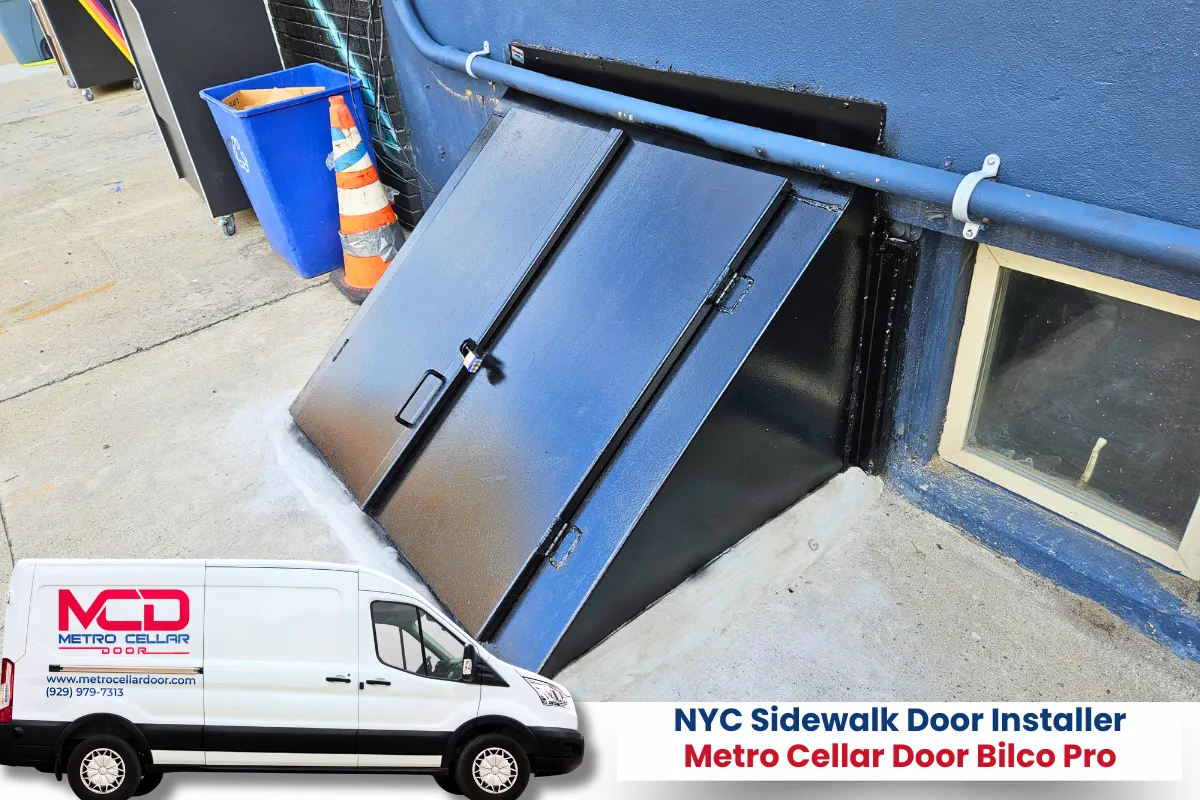
We are Metro Cellar Door Bilco Pro, a dedicated sidewalk door installer serving New York City and the surrounding areas. Our team fabricates and installs sidewalk doors, cellar doors, bulkhead doors, and bilco door configurations with tamper-resistant locks and heavy-gauge steel built to handle real NYC sidewalk and commercial basement conditions.
Every cellar door installation we handle is code-compliant, structurally sound, and fitted with secure lock systems designed to last. Whether you need a new build, a sidewalk cellar door replacement, or cellar door services on an existing setup, we deliver fast turnaround without cutting corners on quality.
We understand New York City regulations and the security challenges that property owners face daily. Call us at (929) 979-7313 or fill out our online contact form to schedule a site visit and get a detailed estimate. Let our team handle the heavy lifting so your property stays protected.
Frequently Asked Questions
Can I Legally Use Padlocks on My NYC Sidewalk Door, or Do I Need Specific Lock Hardware?
Padlocks are not outright banned on most sidewalk cellar doors, but they come with significant drawbacks. A padlock mounted on an exposed hasp creates a protruding element on a flat door, which can be a trip hazard on a public sidewalk and may draw a DOT violation. From a security standpoint, exposed shackles are easily cut with bolt cutters. Recessed or integrated locks are a far better choice because they eliminate protrusions and resist common attack methods. If your door serves as any form of emergency egress, remember that the lock must allow interior release without a key, which a basic padlock cannot provide from the inside.
How Often Should Sidewalk Door Locks Be Rekeyed in a Busy Commercial Setting?
For restaurants, bars, and retail basements with frequent staffing changes, rekeying every six to twelve months is a reasonable baseline. Any time a keyholder leaves or a key is lost, rekey immediately rather than waiting for a scheduled cycle. Master-key systems simplify this process because you can change a single sub-key without rekeying every lock in the building. High-turnover operations should also consider keypad or card-access systems that let you deactivate individual codes or cards instantly. The small cost of regular rekeying is far less than the potential loss from a former employee accessing basement storage after hours.
Do Tamper-Resistant Locks Make It Harder for Firefighters or First Responders to Access My Basement?
Fire departments carry forcible-entry tools and train specifically to defeat commercial lock hardware, so a tamper-resistant lock will not stop them in an emergency. However, you can make their job easier and reduce property damage by ensuring interior release hardware works correctly, labeling access points clearly, and keeping a Knox Box or fire department key box where required by local fire code. The goal of tamper-resistant locks is to stop unauthorized civilians, not professional cellar door companies or emergency responders equipped with hydraulic spreaders. Clear communication with your local firehouse about access points also helps.
Are Electronic or Smart Locks a Good Idea on Outdoor Sidewalk Doors in New York?
Electronic locks can work well on sidewalk doors, but only if the hardware is rated for outdoor use and extreme weather. Look for IP65 or higher weatherproof ratings, hardened housings, and battery backup or hardwired power so the lock does not fail during an outage. NYC code still requires a mechanical interior release on any egress door regardless of the electronic system, so smart locks supplement rather than replace physical safety hardware. The best candidates for electronic access are doors recessed into a building facade or protected by an overhang rather than flat doors exposed to rain, snow, and foot traffic directly.
What Information Should I Have Ready Before Calling a Contractor About Sidewalk Door Lock Upgrades?
Before reaching out to professional cellar door companies or a cellar door installer, gather a few key details to speed up the estimate process. Note the door location and whether it faces the sidewalk or building line. Measure the rough opening width and length. Identify the door type, whether it is a flat door, angled bulkhead, or vault cover, and note the material and approximate age. Document the existing lock hardware and any visible damage. Have your most recent insurance inspection report or violation notice on hand if applicable. Finally, know how many people need access and whether the door serves as an emergency exit, because both factors directly affect which lock system a contractor will recommend.
Disclaimer: This article provides general information about sidewalk door locks and NYC building practices. It is not legal advice. Always consult qualified professionals and verify current local codes before making decisions about your property.
Read Best Seals and Gaskets for Basement Doors: Guidance from an NYC Basement Door Installer