
Why Your Basement Door Is NYC’s Silent Security Weak Spot
Your basement door is probably the easiest way into your New York City home that you never think about. Tucked behind a stairwell, hidden in a side alley, or sitting flush with the sidewalk, it rarely gets the attention your front door does. That is exactly why burglars and intruders look there first. Basements are attractive targets for burglars due to low visibility, weak hardware, and aging materials that have gone years without inspection. Basement doors in New York City are often targeted for forced entry for several reasons, including poor lighting and outdated locks. The fix is not a single product. It is a layered approach combining physical reinforcements, better locks, smart lighting, alarm systems, and code-compliant basement door installation. This guide covers both interior basement doors and exterior sidewalk or yard cellar doors, tailored specifically to the conditions you will face in this city.
Key Takeaways
- A basement door in New York City is often the weakest entry point on a property and deserves the same security level as your front door, if not higher.
- Proper basement door installation paired with quality hardware, reinforced frames, and tamper-resistant hinges matters far more than just picking a strong slab.
- Lighting, cameras, motion detectors, and alarm systems multiply the effectiveness of physical upgrades, especially around secluded cellar doors.
- Every lock, hinge, and egress change must comply with NYC building and fire codes, which require exit doors to open from the inside without a key.
- Some upgrades are straightforward, but structural work and sidewalk cellar doors call for a qualified basement door installer familiar with local permits and regulations.
What Makes NYC Basements and Cellar Doors So Vulnerable?
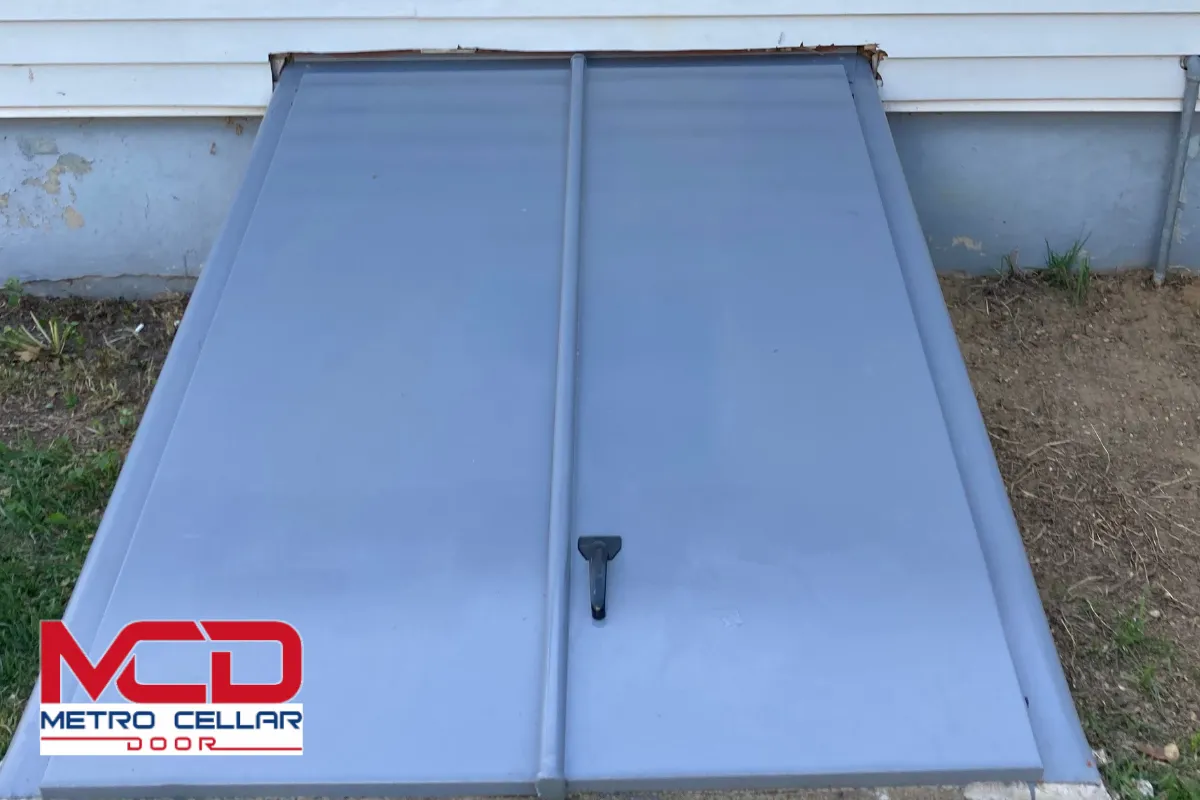
In dense neighborhoods and mixed-use buildings, basement and cellar access points sit in spots that are naturally concealed. Rear yards, narrow alleys between row houses, and sidewalk hatches all share a common trait: they are out of direct sight from the street, often shielded by parked cars, fences, or trash bins. That low visibility gives a person with bad intentions time and cover to attempt a break-in without drawing attention from neighbors or police.
Typical weaknesses you will find on older properties include:
- Rusted or corroded steel panels with soft spots and holes
- Warped wood frames that no longer sit flush against the door
- Loose hinges with exposed pins that can be tapped out with basic tools
- Simple slide bolts or cheap padlocks that offer almost no resistance
Standard wooden doors offer little resistance against break-ins, and many NYC apartment layouts make the problem worse. A basement door might connect a shared laundry room or storage space to common stairs, creating easy access for anyone who gets through. Many older properties have never had a professional basement door installer evaluate their openings for modern security and egress requirements, leaving gaps that are simple to exploit.
Understanding NYC Rules for Basement and Cellar Door Security
Any security upgrade you plan must respect New York City Building Code, Fire Code, and Housing Maintenance Code. This is not optional. It directly affects what you can and cannot do with locks, door swings, and cellar doors on your property.
First, terminology matters. In NYC code, a basement has more than half its height above curb level, while a cellar is mostly below grade. This distinction affects egress requirements, window sizes, fire ratings, and what kind of work requires a permit from a design professional.
Key rules to keep in mind:
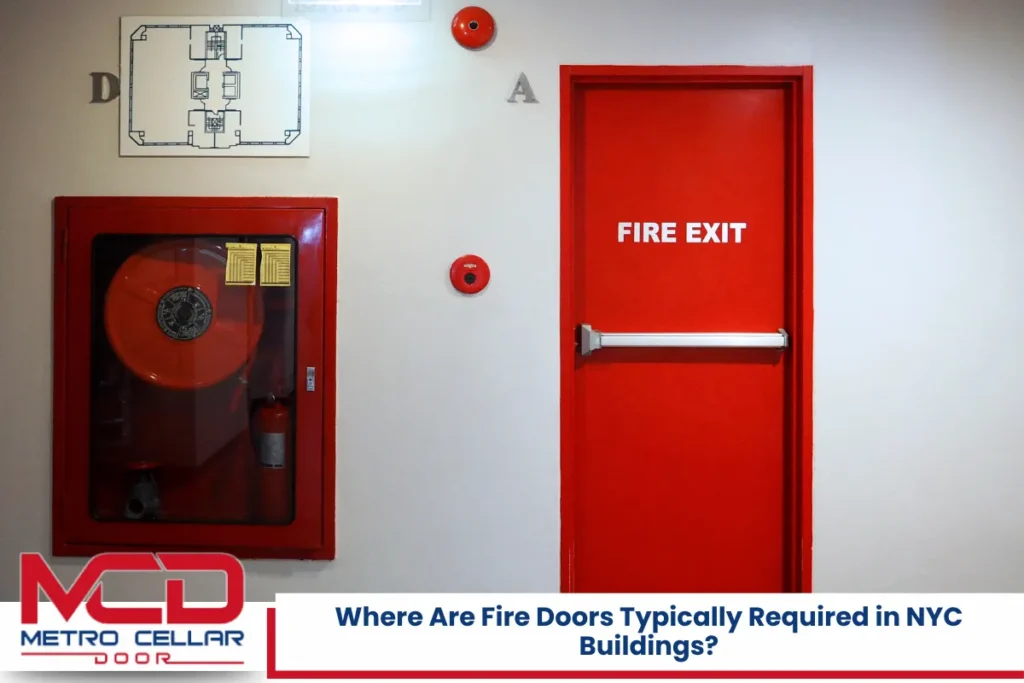
- Basement doors must comply with local fire safety codes and egress laws. Emergency egress doors must allow for fast exit without a key, tool, or special knowledge.
- Basement doors should be secured from the inside to comply with fire codes, meaning no double-key deadbolts on doors that serve as required exits.
- Egress door hardware must be installed between 34 and 48 inches above the finished floor for accessible operation.
- Sidewalk cellar doors cannot block accessible paths when open and must meet minimum width and height clearances.
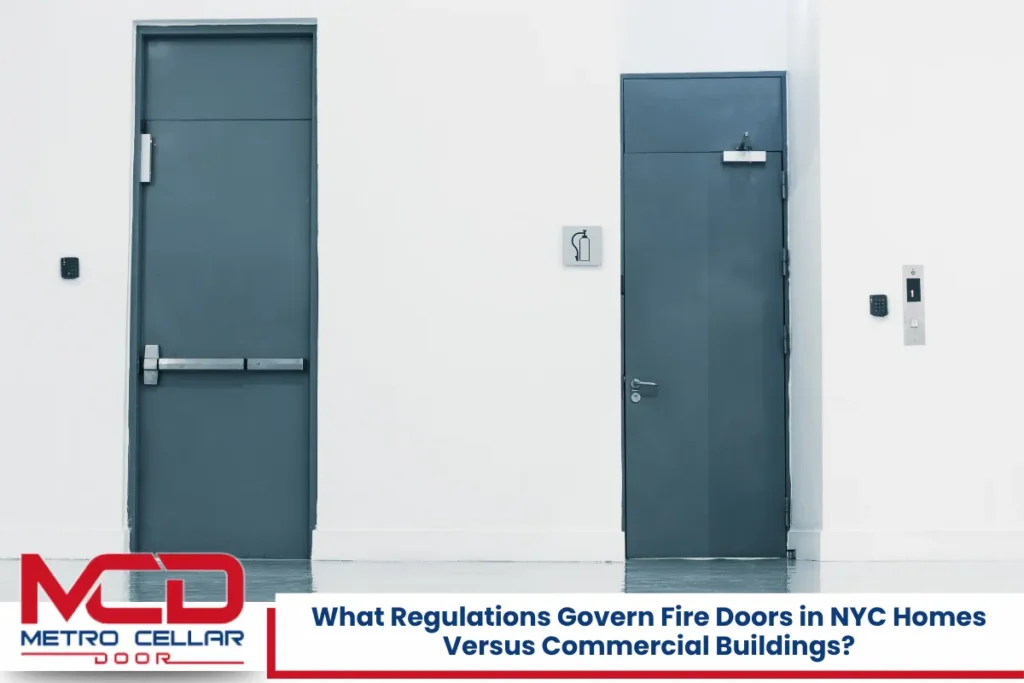
- Stairways connecting a cellar to upper floors in multiple dwelling buildings must be enclosed with incombustible materials and fitted with self-closing, fire-rated doors.
Before changing stair locations, door swings, or permanently sealing a basement door that might be part of your building’s egress path, consult with a qualified design professional or contractor who understands NYC permitting.
Choosing the Right Basement Door and Cellar Hatch for NYC Conditions
Material, configuration, and rating all influence how secure your door will be, how long it will last, and how well it handles water and weather.
Here is a comparison of the most common material choices:
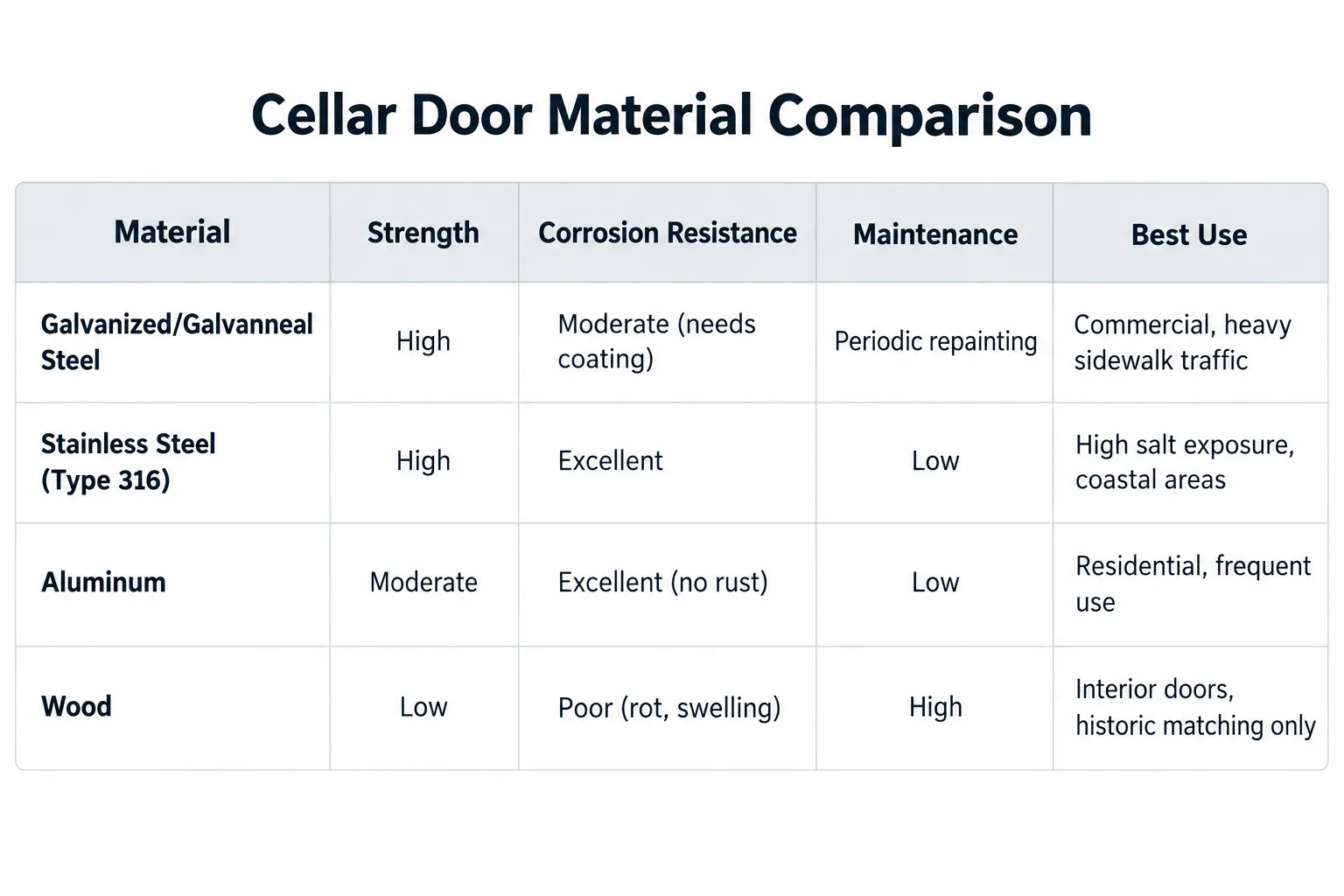
Heavy-gauge steel doors resist cutting and leverage attacks, making them the go-to for exterior and sidewalk applications. Steel cellar doors are strong and difficult to break when properly installed. High-quality steel cellar doors can last over 20 years with reasonable maintenance, and high-quality basement doors overall can last over 20 years when paired with protective coatings. By contrast, low-quality basement doors may need replacement after 3 to 8 years, especially in harsh conditions. Investing in high-quality doors saves money over time because quality basement doors require minimal maintenance after installation.
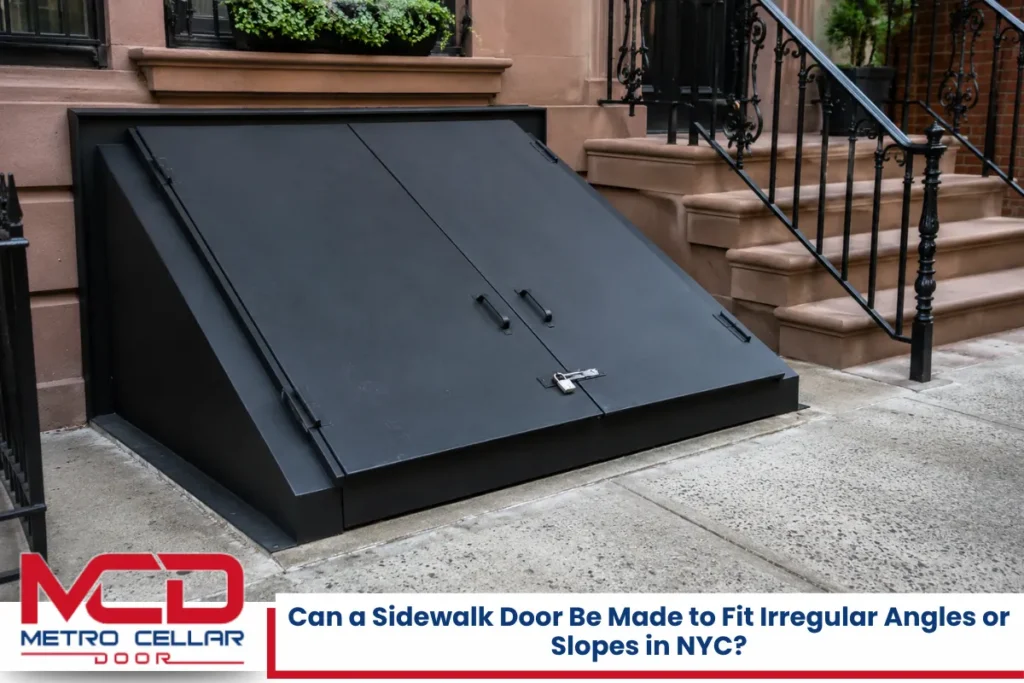
For side-hinged basement doors, bulkheads, and horizontal sidewalk cellar doors, match the configuration to the building type. Row houses and townhouses often use angled bulkhead hatches, while small apartment buildings and mixed-use properties may have flush sidewalk doors that need to handle foot traffic and even vehicle loads with an H-20 rating.
If your basement is finished or used as living space, choose weather-tight, insulated units to reduce condensation and mold. And regardless of material, pick doors designed to accept modern deadbolts and reinforced strike plates. Some manufacturers offer cellar doors with security-grade frames and tamper-resistant hinges built in as a custom option.
Reinforcing Frames, Hinges, and Structure Around the Basement Door
A strong door slab means nothing if it hangs in a weak frame. The frame, anchoring, and surrounding masonry or concrete wall are where most forced-entry attempts actually succeed, because intruders pry the frame away from the structure rather than breaking through the door itself.
A professional installer will inspect jambs, thresholds, concrete curbs, and anchor points for movement, cracks, and rust before recommending a solution. Common upgrades include:
- Replacing rotted wood or bent steel frames with composite or heavy steel frames
- Reinforce door frames using heavy-duty masonry anchors or sleeve anchors drilled into solid concrete
- Using screws at least three inches long to anchor strike plates deep into studs or masonry
- Install non-removable hinge pins or security hinges to prevent tampering on side-hinged doors
- Adding continuous (piano) hinges on heavy steel cellar doors to distribute weight and resist deflection
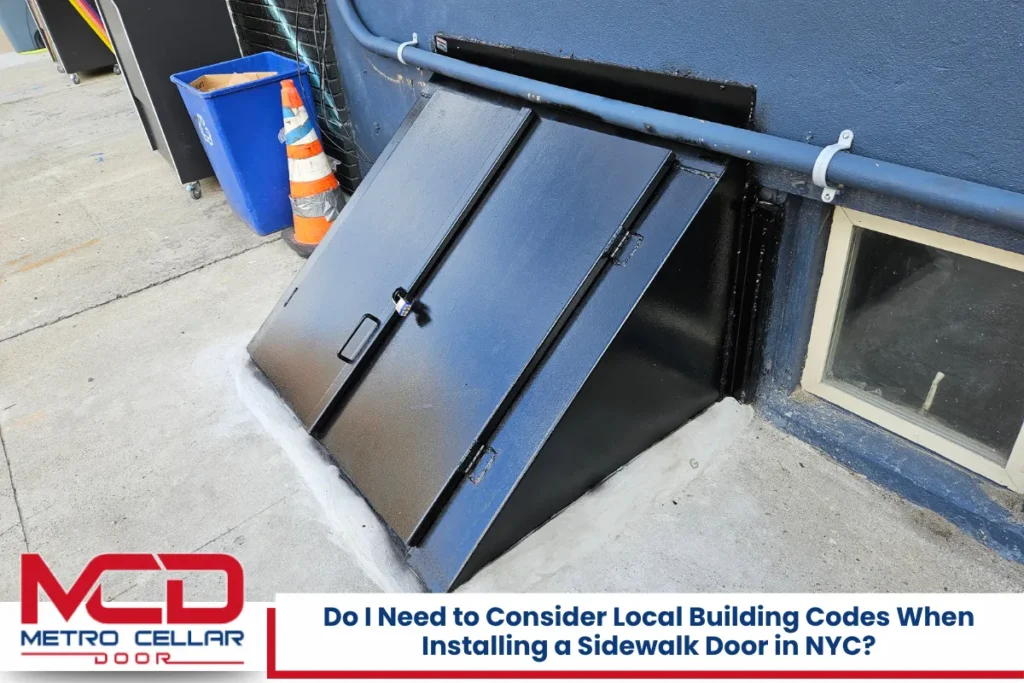
For sidewalk cellar doors, the frame should be securely embedded in concrete, designed to sit flush with the ground to avoid trip hazards, and built to resist snow loads and daily foot traffic. A frame that shifts or separates from the concrete is a security failure and a liability waiting to happen.
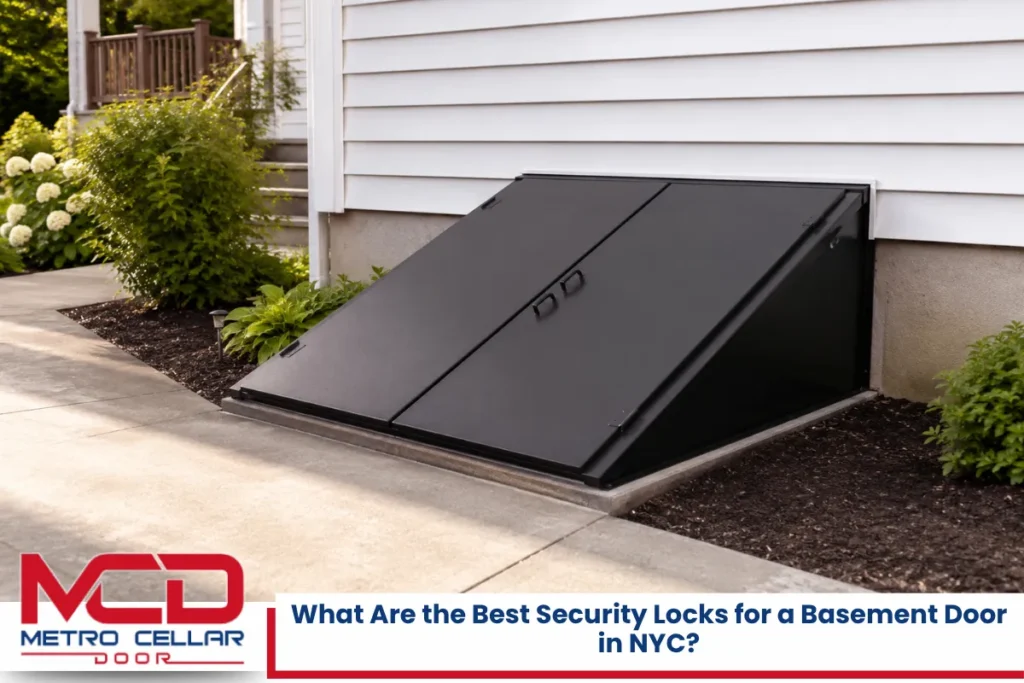
Read What Are the Best Security Locks for a Basement Door in NYC?
Lock and Hardware Upgrades That Make a Real Difference
Good hardware dramatically raises the security level of any existing door without requiring major construction. Deadbolt locks are essential for basement door security. Basement doors should have sturdy locking equipment installed on every access point that is not a required fire exit.
Recommended upgrades:
- Use heavy-duty deadbolts for enhanced security on basement doors. Choose single-cylinder models with hardened bolt cores and reinforced strike plates anchored with long screws into framing or masonry.
- Add heavy-duty latch guards, cylinder guards, and wrap-around door reinforcers to protect against prying and lock tampering.
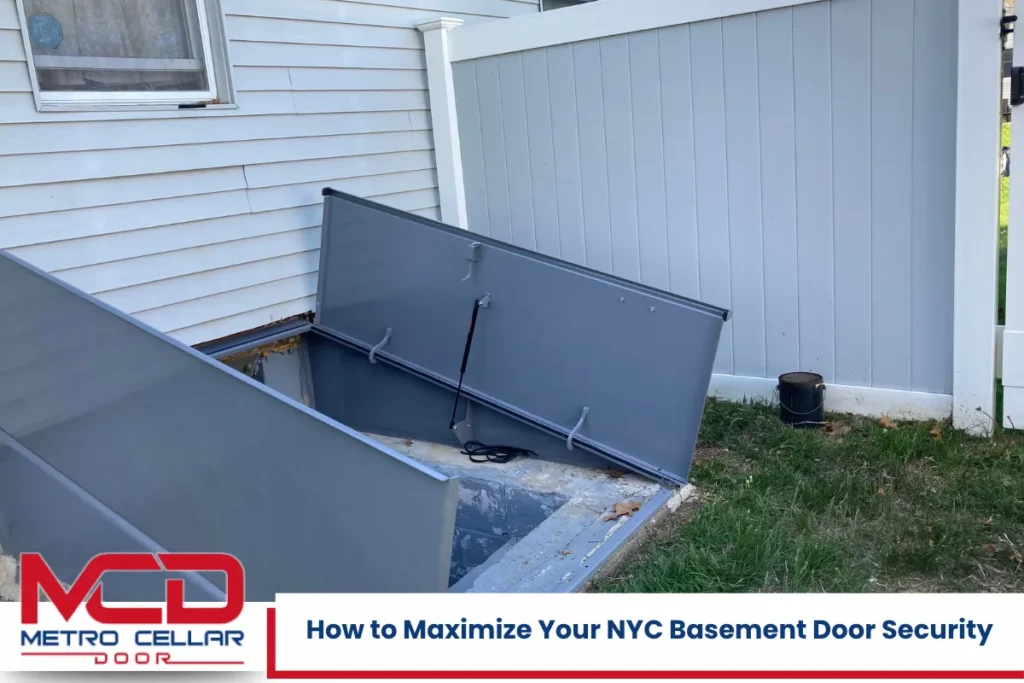
- For cellar doors, use exterior-rated padlocks with shielded hasps, interior slide bolts, and locking bars. Remember that any door serving as a required exit must still open quickly from inside.
- Avoid locks that trap people inside during emergencies. This means no double-key deadbolts on egress doors.
- A secondary security gate can add an extra layer of protection at the top or bottom of a basement stairwell, especially in buildings where the main cellar door faces a public sidewalk.
Invest in hardware from established manufacturers rated to ANSI/BHMA Grade 1 or Grade 2 standards. Cheap, off-brand locksets wear out fast in the high-humidity, salt-heavy NYC environment and can fail at the worst possible moment. Keep keys accounted for and consider rekeying locks whenever a tenant moves out or a contractor finishes a job.
Lighting, Cameras, and Alarms for Below-Grade Entrances
Visibility and monitoring are as important as physical strength. A well-lit, camera-monitored entry is far less appealing to intruders than a dark, hidden one.
Install motion-activated lighting to deter burglars around basement entrances. LED floodlights above cellar doors and along side paths work best when aimed to illuminate the door and steps without blinding neighbors. Adding motion detectors enhances basement security effectiveness because motion detectors can provide efficient coverage across a wide area with minimal equipment.
Cameras increase visibility and act as a deterrent to intruders. Wired or wireless exterior cameras focused on the basement door with cloud recording and mobile alerts give you sight of your property at any moment, from anywhere. Even a small, visible camera can make a suspicious person think twice.
Properly secured basement doors can activate alarm systems when opened. Integrate your basement entry into your home security setup with:
- Door contact sensors on every exterior basement and cellar door
- Glass break detectors on adjacent basement windows
- Motion detectors covering the stairwell and landing
Securing basement windows is also important for overall safety. Basement windows often come with cheap locks and easy-to-break glass, making them a secondary entry point. Security bars can deter burglars from basement windows, and installing security bars on basement windows deters potential intruders from even attempting entry. Pair physical barriers with visible deterrents like security stickers or small signs near the basement entry and front door to signal that monitoring is active.
Water, Rust, and Trip Hazards Where Safety Meets Security
In NYC, basement and cellar doors must handle rain, snow, de-icing salts, and heavy foot traffic while remaining safe and secure. Neglecting the environmental side of your door’s performance will undermine every security upgrade you make.
Address these priorities:
- Proper drainage around below-grade stairwells, including sloped aprons and working drains that are cleared of debris before winter
- Raised thresholds that direct water away without creating egress obstacles or code violations
- Non-slip treads or textured finishes on sidewalk cellar doors to reduce slip-and-fall risk in wet or icy conditions
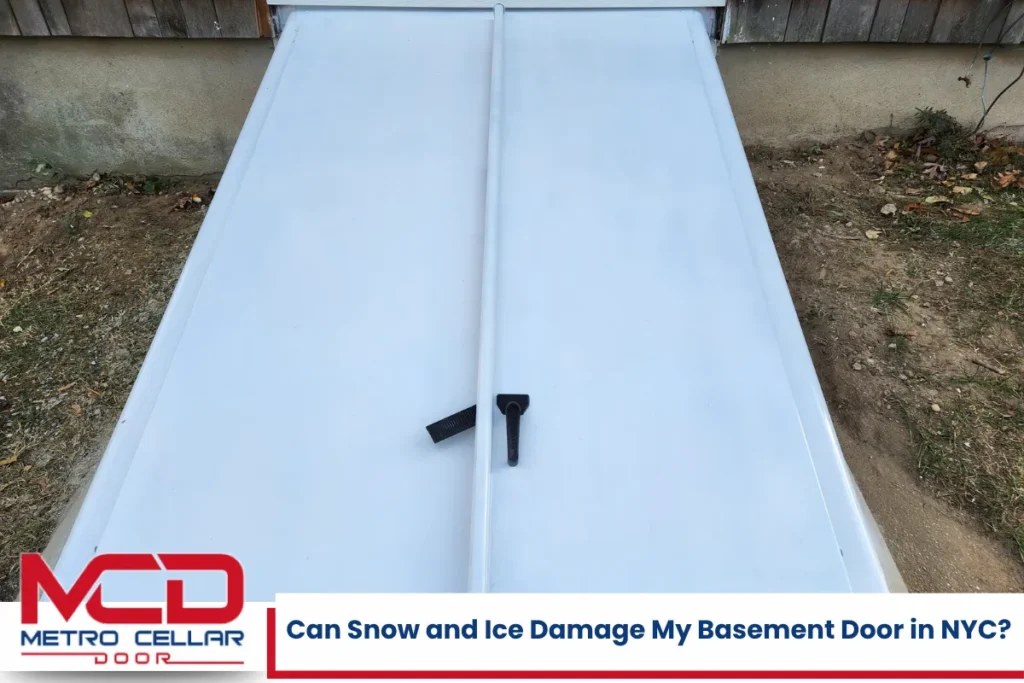
- Periodic inspection of coatings and paint, since unprotected steel exposed to road salt can show significant pitting in as few as five to seven winter seasons
Rusted or delaminated steel cellar doors can suddenly fail under a person’s weight. That is both a safety hazard and a liability issue. When you see deep pitting, holes, or flexing, the door needs to be replaced, not just repaired. Security upgrades should never create new hazards like protruding hardware on a public sidewalk or low headroom that violates code. Taking care of drainage and surface conditions is part of the same job as securing the door itself.
Coordinating Basement Door Security in NYC Apartments and Multi-Family Buildings
In small apartment houses and mixed-use buildings, basement security is a shared responsibility. Building management or a landlord typically controls exterior cellar doors, while individual residents may control interior doors leading to storage, laundry, or mechanical rooms.
Practical steps for multi-unit properties:
- Set clear keys and access policies so former tenants, contractors, or delivery staff cannot re-enter through a forgotten basement door
- Match lock quality across all entry points, including the basement, so the front door and building entry are not the only secure openings
- Coordinate with neighbors and other residents on reporting suspicious activity near below-grade entries
- Expect police response times to vary, so do not rely solely on calling for help after a break-in has already started
- Schedule periodic inspections of all basement and cellar doors, documenting condition and upgrades for insurance and building management records
The possibility of unauthorized access increases every time a key is not accounted for or a lock is not replaced after a tenant moves out. Address these gaps proactively rather than after something happens.
Working with a Professional Basement Door Installer in New York City
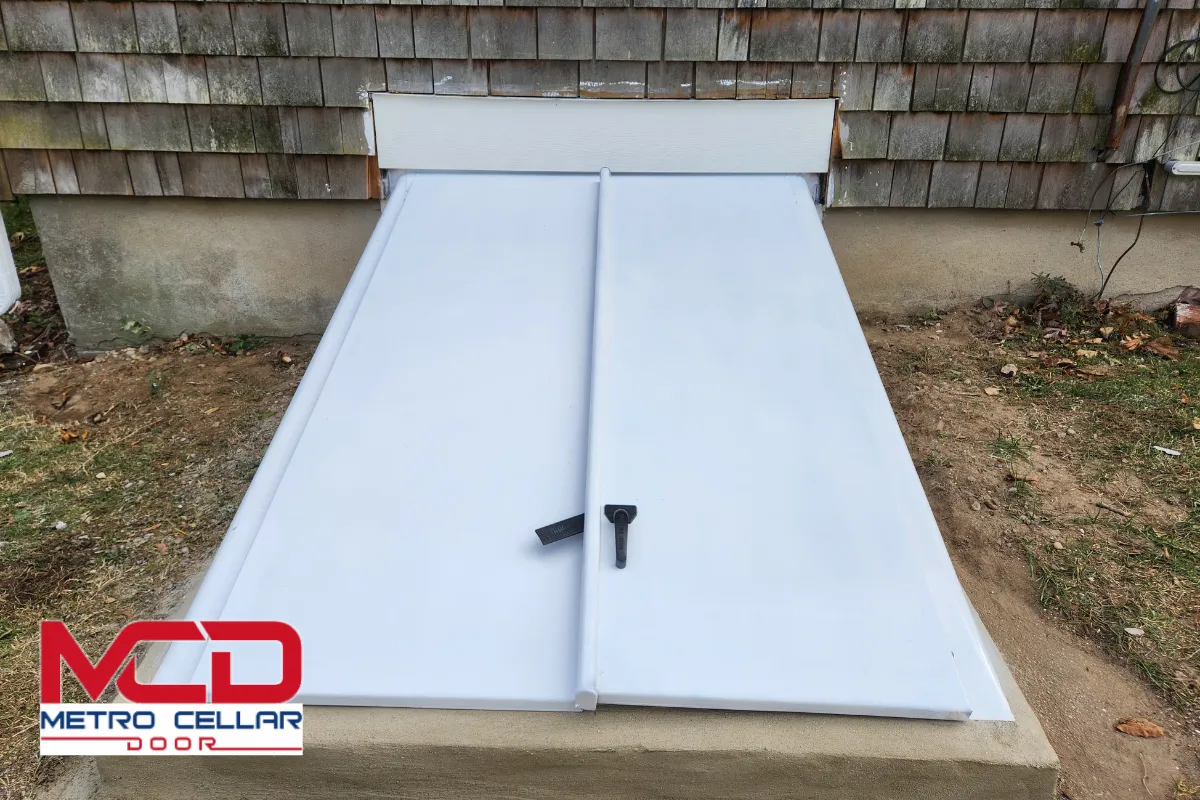
There are situations where calling a specialist is the right move: corroded sidewalk cellar doors, shifting concrete, recurring leaks, or doors that no longer close or latch properly. These are not problems you can cover with extra hardware.
A professional site visit typically includes measuring the opening, checking the surrounding structure, discussing your security goals, and reviewing code implications like egress requirements and accessibility. For older buildings in Brooklyn, Manhattan, Queens, and the Bronx, custom-fit cellar doors often outperform off-the-shelf units because non-standard openings are common in pre-war construction.
Proper basement door installation goes beyond dropping in a new slab. It includes anchoring the frame, sealing against water, testing smooth operation, and reviewing basic safety with the property owner. Finally, choose installers who understand NYC permitting, sidewalk rules, and the balance between high security and safe emergency exit. A secure door that you cannot escape through in a fire is not a solution. It is a new problem.
NYC Basement Door Installer – Metro Cellar Door Bilco Pro
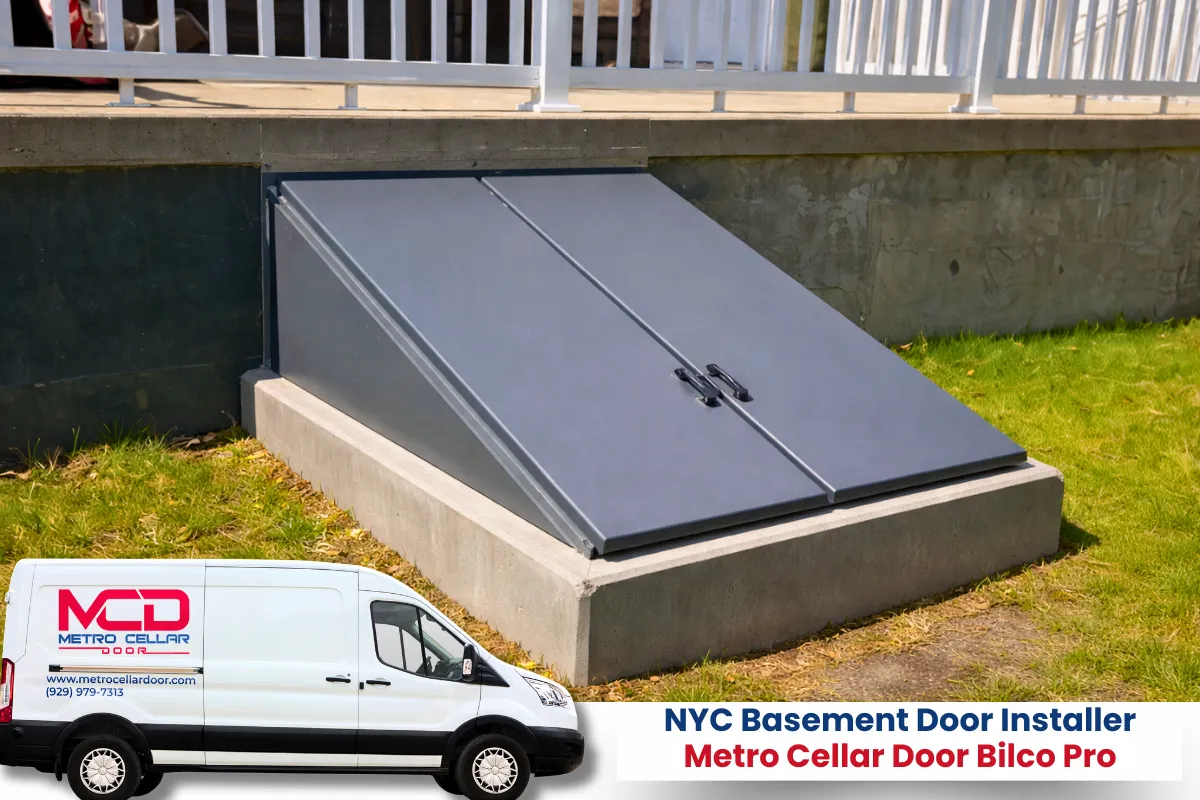
At Metro Cellar Door Bilco Pro, we specialize in the installation and replacement of basement doors and cellar doors across New York City and the surrounding areas. We do not perform repairs because we believe in long-term solutions, not temporary fixes. When your door is rusted, leaking, or impossible to secure, we install a replacement built to last.
Our team works with townhouses, small apartment buildings, and mixed-use properties, handling everything from sidewalk cellar doors to yard-access bulkheads. Every basement door we install is designed to be secure, weather-tight, and compliant with local building requirements.
If your current door is past the point of no return, do not forget that we are here to help. Call Metro Cellar Door Bilco Pro at (929) 979-7313 or fill out our contact form to schedule a consultation. Let us supply you with peace of mind and a strong door that protects your property for years to come.
Frequently Asked Questions
How Often Should I Inspect My Basement Door in New York City?
At minimum, inspect your basement door once a year. If your property is located near a busy sidewalk or in an area where de-icing salts are heavily used, inspect twice a year, once before winter and once after. Look for rust spots, soft areas in the metal, loose or stiff hinges, difficulty turning the deadbolt, and any water pooling around the threshold or in the stairwell. Seasonal freeze-thaw cycles can cause frames to shift and coatings to crack, so catching damage early prevents a small issue from becoming a full replacement. If the door feels spongy underfoot, binds when closing, or no longer latches securely, call a professional before the problem worsens.
Can I Use a Smart Lock on a Basement Door?
Smart locks can work well on basement entries, particularly for property owners who need to manage access for deliveries, contractors, or multiple tenants. Choose models rated for exterior use that can handle moisture and temperature swings. Make sure the lock is compatible with your existing door prep and frame dimensions. However, if the door serves as a required egress route, it must still be operable from the inside without an app, Wi-Fi connection, or keys under NYC fire safety principles. Many smart locks offer a manual thumb-turn on the interior side that satisfies this requirement. For the best results, coordinate smart locks with your camera and alarm systems so you have a complete security ecosystem rather than isolated components.
How Long Does a Steel Cellar Door Typically Last in NYC?
A well-made galvanized steel cellar door with proper protective coatings can last 15 to 20 years or longer under normal city conditions and reasonable maintenance. Several factors can shorten that lifespan considerably: heavy exposure to road salt, standing water due to poor drainage, lack of periodic repainting, and frequent heavy delivery or vehicle traffic over sidewalk doors. Surface rust alone does not always mean the door has failed. But when you see deep pitting, through-holes, or flexing when a person walks across the surface, it is time for replacement. Applying a fresh coat of rust-inhibiting paint or powder coating every few years is one of the most cost-effective ways to extend the service life of any steel cellar door in this city.
How Do I Keep a Basement Exit Child-Safe but Still Easy to Escape Through?
The key is to use hardware that mounts high on the interior side of the door, out of reach for small children, while remaining simple enough for any adult to open quickly without tools or keys. Thumb-turn deadbolts and lever-operated slide bolts installed at adult height are common solutions. Permanent devices that require a tool to open are typically not allowed on required egress doors under fire safety codes, so avoid anything that would slow down an emergency exit. Consider adding an audible alarm or door chime that sounds whenever the basement door opens, so adults in the house are immediately aware. Combine hardware choices with clear household rules and active supervision around stairs and exterior steps.
What Should I Ask a Contractor Before Replacing My Basement Door?
Start by asking about their direct experience with NYC basements and sidewalk cellar doors, and whether they are familiar with local building codes and permit requirements. Ask how they handle measuring, fabrication lead times, anchoring into concrete or masonry, and weather-sealing. Find out what materials they recommend for your specific site and whether they offer doors rated for the expected traffic and load. Confirm warranty terms on both materials and labor, and get a clear timeline for how long the full basement door installation will take from start to finish. Always request a written proposal that details the full scope, including any masonry, concrete, or finishing work that is part of the project.
Disclaimer: This article provides general information about basement door security in New York City. It is not legal, code, or engineering advice. Consult qualified NYC professionals before making structural or compliance-related decisions.
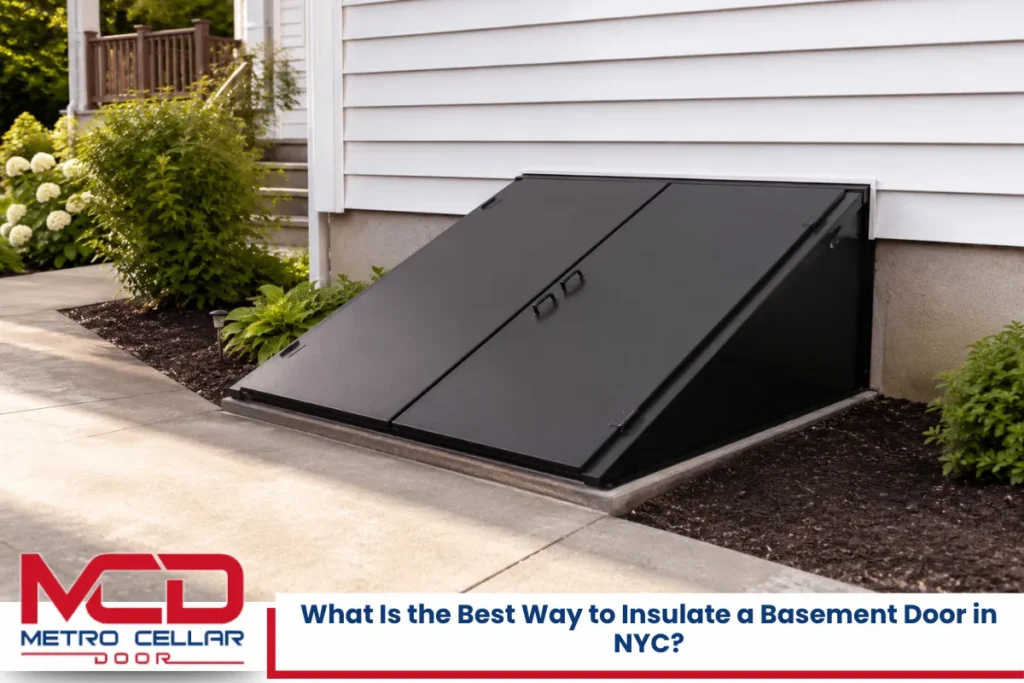
Read What Is the Best Way to Insulate a Basement Door in NYC?