
The Importance of Fire Doors in New York: How Do They Work in an Emergency?
New York Fire Door Installer services are not just a regulatory necessity—they are a life-saving solution for anyone who owns or manages a building in the city. Fire safety is often overlooked until disaster strikes, leaving property owners to deal with devastating losses and tragic outcomes. Imagine the panic of a fire spreading uncontrollably due to a poorly installed door or faulty barrier. The reality is that without proper fire door installation, fire and smoke can spread rapidly, threatening lives and property within minutes. The solution is straightforward: choosing the right fire doors, installed by professionals, ensures that your building is protected when every second counts. In this article, we’ll explore how fire doors work during a fire, why professional installation is essential, and how the right choices can safeguard your property, your tenants, and your peace of mind.
Why Are Fire Doors Critical for Buildings in New York City?
The Role of Fire Doors in Urban Environments
In dense urban areas like New York City, the speed and unpredictability of fire can be catastrophic. Buildings are close together, people live and work in high-rises, and there’s little time for evacuation. Fire doors act as essential passive fire protection systems, helping to compartmentalize a building and prevent fire and smoke from spreading from one section to another. This separation provides crucial time for occupants to evacuate and for emergency responders to control the fire.
Regulatory Requirements and Local Fire Codes
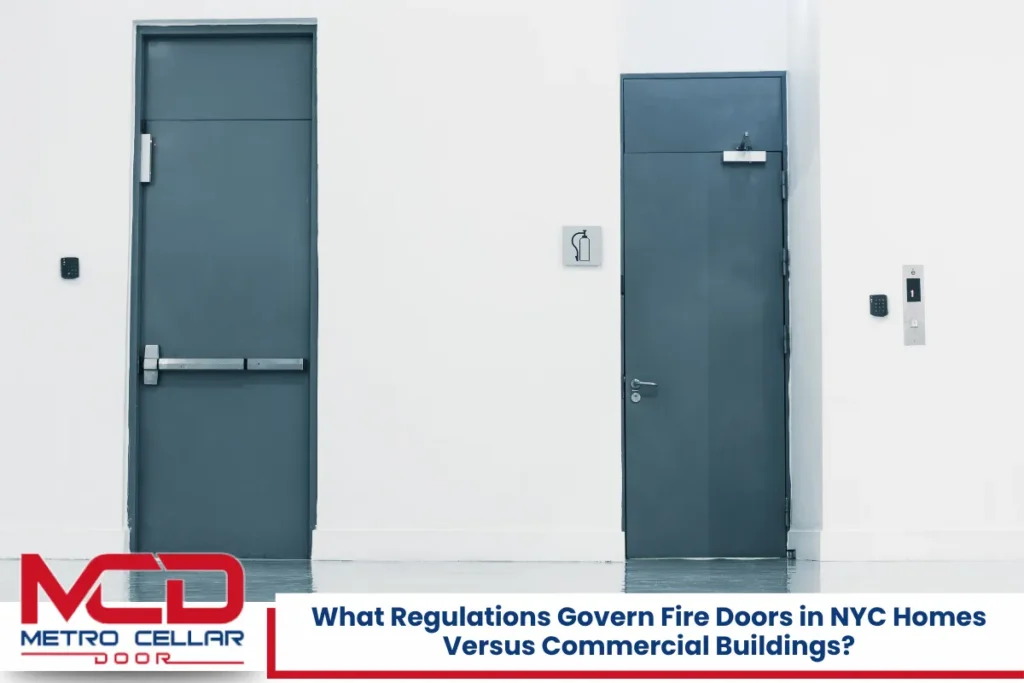
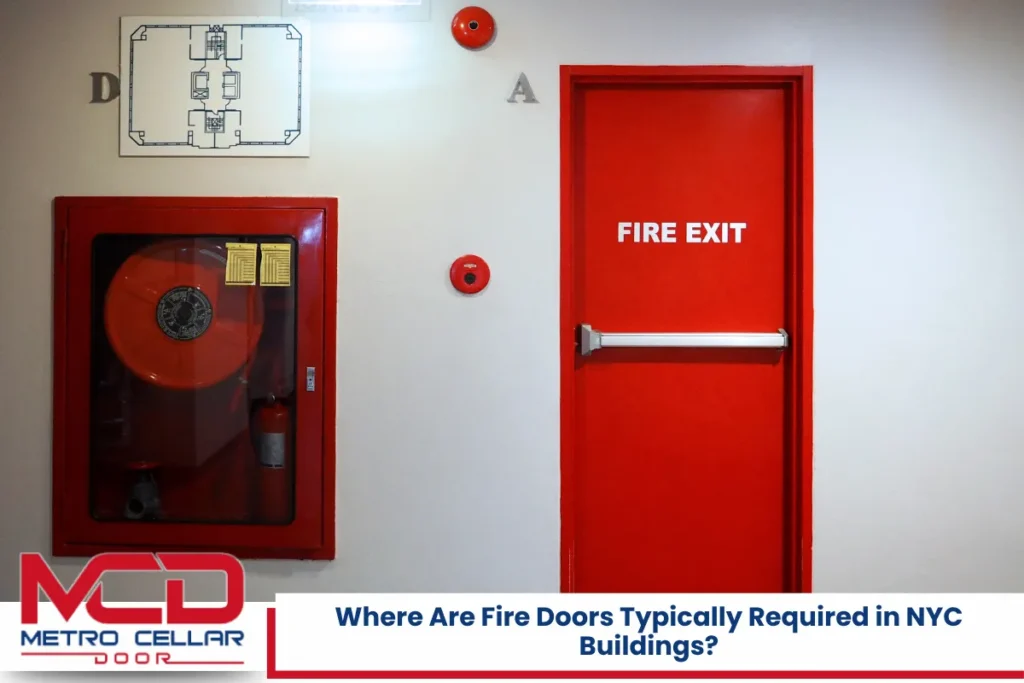
New York City’s fire codes require fire doors in specific locations such as stairwells, corridors, and exits. These regulations are enforced to minimize the risk of fire-related injuries and property loss. Regular fire door inspection and fire door maintenance are also mandatory, ensuring that doors are always in working order.
How Fire Doors Work During a Fire: The Science Behind the Protection
Understanding Passive Fire Protection
Fire doors are a key element of passive fire protection. Unlike active systems (such as sprinklers), passive solutions are always “on” and do not require activation. A fire door installer ensures these doors are correctly fitted to perform their role—containing fire and smoke within a compartment for a specified period (usually 20, 60, or 90 minutes).
The Components That Make Fire Doors Effective
Fire doors are engineered with several specialized features:
- Fire-Resistant Core: Typically made from materials such as gypsum, mineral core, or steel, providing insulation against heat.
- Smoke Seals: Intumescent strips around the edges expand when heated, sealing gaps and blocking smoke infiltration.
- Fire-Rated Hardware: Hinges, latches, and closers are all rated for fire conditions, ensuring the door remains functional under high temperatures.
- Automatic Closers: These devices guarantee that the door will shut completely if left open, an essential feature in an emergency.
The Sequence of Fire Door Activation
- Heat and Smoke Detection: When a fire occurs, heat and smoke rise rapidly. Intumescent seals respond to these conditions.
- Door Closure: The automatic closer ensures the fire door shuts completely, sealing the compartment.
- Barrier Formation: The fire-resistant core blocks flames and heat, while the expanded seals prevent smoke passage.
- Maintained Integrity: The door holds firm for its rated time, giving people a chance to evacuate and firefighters time to respond.
The Step-By-Step Process of Professional Fire Door Installation
Site Assessment and Fire Door Selection
The first step for any fire door installer is to conduct a thorough site assessment. This includes evaluating:
- Building occupancy type (residential, commercial, industrial)
- Placement of fire barriers, stairwells, and exits
- Code requirements for each location
Selecting the right fire doors involves matching fire ratings to the building’s needs. For example, a high-rise in Manhattan may require doors with a 90-minute rating for certain stairwells, while smaller commercial spaces might use 60-minute ratings.
The Fire Door Installation Process
Professional fire door installation involves:
- Measuring Door Openings: Accurate measurements ensure a snug, code-compliant fit.
- Frame Preparation: Frames are checked for plumb, level, and strength.
- Door Hanging: Doors are hung using fire-rated hardware and tested for proper swing and closure.
- Hardware Attachment: Hinges, closers, and panic bars are installed according to specifications.
- Sealing and Inspection: Intumescent strips and smoke seals are added, and the door is inspected for gaps or defects.
The Importance of Certified Installers
It’s crucial to use certified fire door installers who understand local regulations and manufacturer requirements. Incorrect installation can void the fire door’s rating, leaving your property vulnerable during an emergency.
Read New York Fire Door Installer: Why Are Fire Doors Important for Safety?
Types of Fire Doors and Their Applications
Steel Fire Doors
Steel fire doors are a popular choice for commercial and industrial properties in New York due to their durability, high fire resistance, and security features. They are often used for stairwells, basements, and utility areas.
Timber and Composite Fire Doors
These are frequently used in residential buildings and offices. They offer excellent fire protection while providing more design options to match interior aesthetics.
Glass Fire Doors
Engineered with fire-rated glazing, these doors allow for visibility and light while maintaining fire compartmentalization. Common in modern offices and public spaces.
Custom Fire Doors
For unique architectural requirements, custom fire doors can be fabricated to fit non-standard openings while meeting fire code standards.
What Happens If Fire Doors Are Improperly Installed or Maintained?
Common Installation Mistakes
Some common mistakes by unqualified installers include:
- Incorrect alignment, leading to gaps that allow smoke or fire to pass
- Failure to use fire-rated hardware
- Neglecting the installation of intumescent seals
- Poor fitting that prevents doors from closing fully
Risks of Poor Maintenance
Even a perfectly installed fire door will fail if not maintained. Regular fire door inspection and maintenance check for wear on seals, hardware issues, and compliance with evolving codes.
Legal and Insurance Implications
Improperly installed or maintained fire doors can result in:
- Fines for code violations
- Loss of insurance coverage
- Increased liability in the event of fire-related injuries or fatalities
Fire Door Inspection and Maintenance: Keeping Your Property Safe
Routine Inspection Checklist
Regular checks ensure that fire doors remain effective. A typical inspection includes:
- Verifying door closure and latch
- Inspecting intumescent and smoke seals
- Checking hardware operation
- Looking for damage or modifications
- Ensuring door signage is intact
Scheduled Maintenance
Scheduled professional maintenance helps to identify and correct small issues before they become major risks. Proper records of inspection and maintenance are vital for compliance and safety audits.
Benefits of Hiring a Professional Fire Door Installer in New York
Expertise in Local Codes and Regulations
Experienced installers stay current on NYC fire safety codes and building requirements, reducing the risk of costly compliance errors.
Quality Assurance and Certification
Certified installation companies offer warranties and documentation to prove your building meets fire door standards, protecting you in case of inspection or emergency.
Fast, Reliable Service
In New York, time is critical. A reputable fire door installer can provide quick turnaround for urgent projects and emergency repairs, minimizing downtime for your property.
Fire Door Installer in Action: Real-World Scenarios and Lessons Learned
Evacuation During High-Rise Fires
In recent high-rise fire incidents, properly installed fire doors have been credited with containing fire and smoke, allowing hundreds of residents to evacuate safely. These doors buy precious time for firefighters to reach upper floors and prevent fire from leaping between compartments.
Commercial Building Compliance
Commercial clients in New York have faced shutdowns due to failed fire door inspections. After hiring certified installers to upgrade and maintain their fire doors, these businesses passed inspections and avoided costly fines, demonstrating the value of professional fire door services.
Your Next Steps for Fire Door Safety in New York City
Protecting your property and the people inside is a responsibility that cannot be overlooked. Fire doors are your first line of defense against tragedy, but only when they are professionally installed and maintained. Choose a trusted fire door installer with experience in New York City codes, who can guide you through selection, installation, and ongoing care for every door in your building.
New York Fire Door Installer – Metro Cellar Door Bilco Pro
Looking for a trusted fire door installer in New York City? Metro Cellar Door Bilco Pro delivers expert fire door installation, inspection, and maintenance for all types of buildings across NYC and surrounding areas. Our experienced team ensures every fire door meets the highest safety standards and local codes, helping you protect lives and property. Don’t wait until it’s too late—call (929) 979-7313 today for a free consultation or fill out our easy contact form. We’re ready to assist with fast response times and reliable, professional service tailored to your unique needs. Choose Metro Cellar Door Bilco Pro and safeguard your building with the best in fire door protection.
Common Questions About Fire Doors (FAQs)
How often should fire doors be inspected in New York?
Fire doors should be inspected at least once every six months in accordance with New York City fire codes and industry best practices. Regular inspections help identify damage, wear, or code violations before they become serious risks. Annual third-party inspections are recommended for commercial properties. Inspections should check hardware, seals, proper door closure, and alignment. Building owners should keep records of each inspection and any maintenance performed, as these may be required during fire department audits or insurance assessments.
Q2: Are there specific fire door ratings required for different types of buildings?
Yes, fire door ratings depend on the building type, its use, and the location within the structure. For example, stairwell doors in high-rise residential or office buildings typically require at least a 90-minute fire rating, while corridor or room entry doors may need a 20- or 60-minute rating. New York City’s fire code sets minimum requirements based on occupancy and risk level. Consulting a knowledgeable fire door installer ensures you select the correct fire door type and rating to comply with all regulations.
Can existing doors be upgraded to meet fire door standards?
In some cases, existing doors can be retrofitted with fire-rated hardware and seals to improve resistance. However, not all doors are eligible for upgrades—core materials and door thickness may not meet code. Fire-rated doors are tested as complete assemblies, including frame and hardware. It is usually best to consult a certified fire door installer, who can assess your doors and recommend if replacement or upgrades are necessary for compliance and safety.
What should I do if my fire door won’t close properly?
If a fire door fails to close or latch completely, it becomes ineffective and may be a code violation. Common issues include warped doors, faulty closers, or obstructions. Immediate action is needed: remove any obstructions and schedule a professional fire door inspection and repair. Continued use of a malfunctioning fire door increases risk in an emergency and can result in penalties during safety audits. Don’t delay repairs—reliable installers offer fast service to resolve these issues.
How does fire door installation affect my insurance policy?
Properly installed and maintained fire doors are often a requirement for property insurance in New York. Insurance companies may deny claims or reduce payouts if a fire investigation reveals non-compliant or poorly maintained fire doors contributed to property loss or injury. Regular fire door inspection, professional installation, and proper documentation help ensure full insurance coverage and demonstrate your commitment to safety and compliance.
Disclaimer: This article is intended for informational purposes only. Fire door regulations and building codes may change; always consult a certified fire door installer or local fire authority for specific requirements in your area. Metro Cellar Door Bilco Pro provides expert advice, but final compliance is the responsibility of the property owner.
Read Fire Door vs Regular Door: Key Differences Explained by a New York City Fire Door Installer