
Fire Door Safety in New York: The Key Differences You Need to Know
New York Fire Door Installer experts often hear from property owners and managers who are confused about the differences between a fire-rated door assembly and a fire-rated opening. If you manage a residential building, commercial facility, or public institution in New York City, ensuring code compliance is not just about avoiding fines—it’s about keeping people safe from fire hazards. The problem? Fire codes are complex, and the technical language can make it tough to know exactly what’s required. Not understanding the distinction between a door assembly and an opening can put your building at risk and lead to costly compliance issues. The solution is to work with a knowledgeable fire door installer who can clarify these terms, explain what’s required by law, and provide the right fire door installation to protect lives and property. This article breaks down the differences, outlines why they matter, and guides you through the process of securing your property with certified fire doors that meet NYC regulations.
What is a Fire-rated Door Assembly?
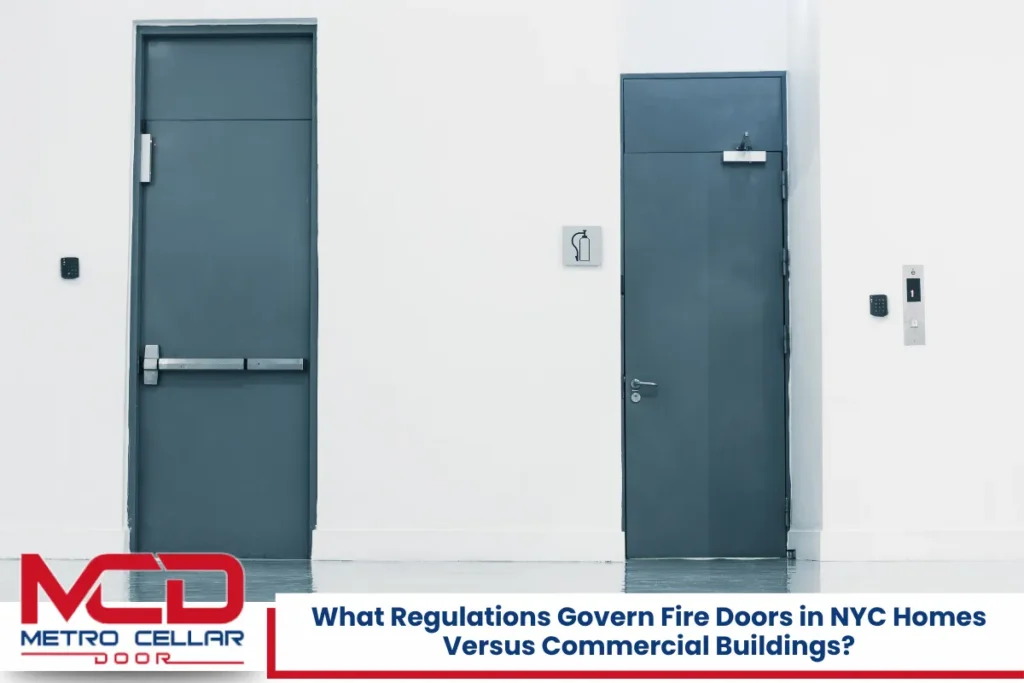
A fire-rated door assembly is a complete unit made up of various components that work together to prevent the spread of fire and smoke. This includes not just the door itself, but also the frame, hinges, locks, hardware, and any glazing or vision panels. Each element must be tested and listed for fire resistance by agencies like UL (Underwriters Laboratories) or Intertek. Only when all parts work together as a single tested system can you guarantee reliable fire protection.
Components Included in a Fire-rated Door Assembly
- Door leaf (the door slab)
- Door frame
- Hinges and hardware
- Latching devices
- Door closer
- Gaskets and intumescent seals
- Vision panels or glass (if used, must be fire-rated)
Each of these must be specified and installed according to the manufacturer’s listings and applicable fire codes. Using mismatched parts or non-compliant hardware can cause the entire assembly to fail during a fire and may result in a failed fire inspection.
Importance of Correct Fire Door Installation
Proper fire door installation is critical. Even the best-rated doors won’t protect people if installed incorrectly. In New York City, fire doors must meet NYC Building Code, New York City Fire Code, and sometimes local amendments. An experienced fire door installer ensures all parts are compatible, correctly fitted, and labeled as fire-rated. They also perform adjustments for tight seals, proper swing, and smooth closing—each essential for maintaining fire and smoke resistance.
Fire-rated Opening: What Does It Mean?
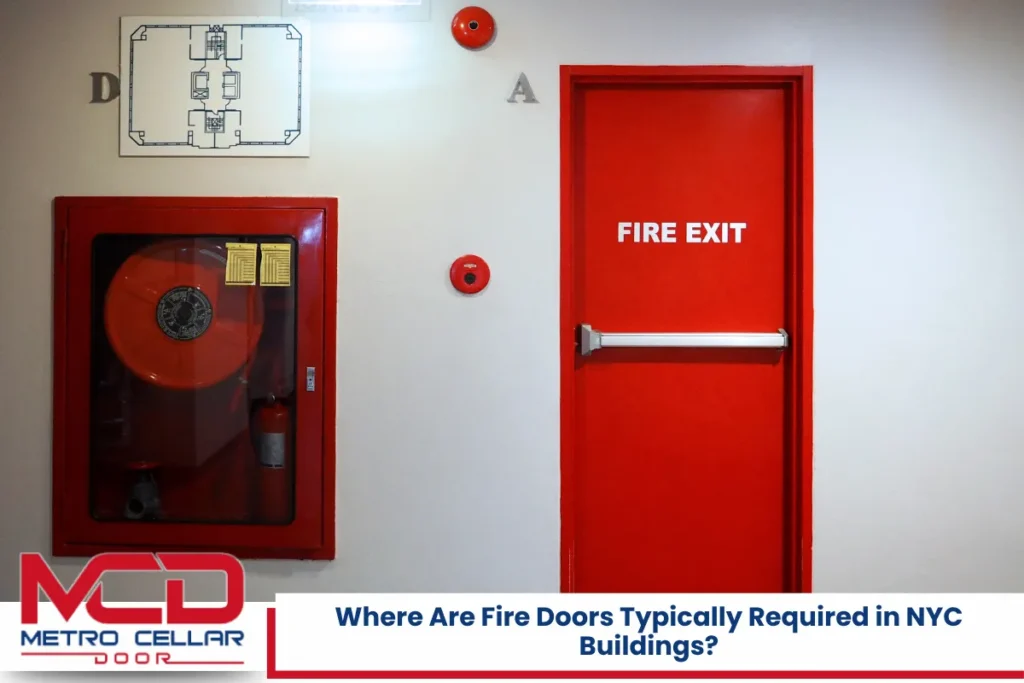
A fire-rated opening refers to the entire space in the wall designed to be protected by a fire-rated barrier. This includes the rough opening in the wall, the surrounding fire-rated construction (such as a fire-rated corridor wall), and the fire door assembly installed within it. Think of the fire-rated opening as the designated pathway where the fire door assembly is required for code compliance.
Where Fire-rated Openings Are Required
Fire-rated openings are mandated in locations like:
- Stairwell enclosures
- Corridor doors in multi-family buildings
- Openings between occupancies (such as between a commercial space and an apartment)
- Elevator lobbies
- Mechanical and electrical rooms
The required fire-resistance rating (such as 20, 45, 60, or 90 minutes) depends on the building type and location within the building. Local codes, NFPA 80 (Standard for Fire Doors and Other Opening Protectives), and the International Building Code (IBC) guide these requirements.
The Difference Between a Fire Door Assembly and a Fire-rated Opening
It’s easy to confuse these two terms, but knowing the difference is crucial for property managers, building owners, and contractors in New York. The fire-rated door assembly is the tested and labeled set of components, while the fire-rated opening is the space in the wall where that assembly must be installed. Installing a compliant fire door assembly into a non-rated opening—or vice versa—will not pass inspection or provide reliable protection.
Why This Matters for Compliance and Safety
- Code compliance: NYC code enforcement officers look for properly labeled fire doors installed in the correct rated openings.
- Insurance coverage: Non-compliant installations can void insurance claims in the event of a fire.
- Life safety: Correct assemblies in proper openings are proven to slow or stop fire and smoke, providing more time for evacuation and reducing property damage.
NYC Building Code and Fire Door Requirements
Fire doors in New York City must meet strict requirements set out in local building and fire codes. These codes reference national standards, but also include amendments specific to the city’s dense, vertical environment.
Key NYC Fire Door Code Requirements
- All fire door assemblies must be labeled by an approved agency.
- Fire door installation must be performed by certified professionals.
- Annual inspections and documented maintenance are required for most commercial and multi-family buildings.
- Modifications, such as cutting the door for hardware or vision panels, are strictly regulated and must not violate the listing.
Failure to follow these regulations can result in violations, fines, and increased liability.
Read New York Fire Door Installer: Can a Fire Door Also Be Soundproof?
Choosing the Right Fire Door Installer in New York
Finding a qualified fire door installer in New York City isn’t just about meeting legal requirements—it’s about ensuring every component is properly fitted and the installation passes inspection. Not all contractors are familiar with the specifics of fire door assemblies or the latest city codes. Working with an experienced fire door installation team ensures the entire process—from selection to placement—meets the highest safety standards.
Credentials to Look for in a Fire Door Installation Contractor
- Valid licensing and insurance in New York City
- Manufacturer training and certification for fire door systems
- Familiarity with NYC building and fire codes
- A record of passing FDNY inspections
- Positive local reviews and references
A reputable fire door installer will also provide documentation of the assembly’s rating, installation details, and maintenance guidelines.
Fire Door Testing, Labeling, and Inspections
For a fire door assembly to be effective and code-compliant, it must be tested by an accredited laboratory and display a visible fire label. This label contains essential information such as the door’s fire-resistance rating, manufacturer, and serial number.
How Fire Doors Are Tested
- Subjected to intense heat in controlled laboratory settings
- Evaluated for integrity, insulation, and the ability to contain fire and smoke
- Only assemblies that pass the test are certified for use
Required Fire Door Inspections
Annual inspections are a legal requirement for many properties in New York City. Inspectors will check:
- Condition of the fire door and frame
- Proper operation (closing and latching)
- Intact and legible labels
- No unauthorized modifications
- Gaps and clearances within code limits
Failing an inspection can lead to violations, which is why it’s vital to schedule regular fire door maintenance and promptly address any deficiencies.
Common Issues with Fire Door Installation and How to Avoid Them
Even minor installation errors can compromise a fire door’s performance. Here are some common problems and solutions:
Frequent Problems
- Improper clearances: Too large a gap around the door frame can let smoke and fire through.
- Wrong or missing hardware: Using non-listed hardware breaks the assembly’s certification.
- Blocked or propped doors: Fire doors must never be held open unless fitted with approved automatic closing devices.
- Unlabeled doors: Missing or painted-over fire labels mean instant inspection failure.
Solutions
- Hire certified fire door installers with NYC experience
- Use only listed and labeled parts for repairs and replacements
- Conduct regular inspections and address issues immediately
Why Fire Door Maintenance is Just as Important as Installation
Installing a fire-rated door assembly is only the first step. Ongoing maintenance keeps fire doors in working order and compliant with codes. Maintenance includes lubricating hinges, adjusting door closers, checking for damage, and ensuring all seals are intact.
Key Maintenance Tasks for Fire Doors
- Test door self-closing and latching function monthly
- Inspect gaskets and seals for wear or damage
- Ensure vision panels are secure and undamaged
- Keep records of all inspections and repairs
A proactive approach reduces liability and keeps occupants safe year-round.
Selecting Fire Doors: Materials, Ratings, and Options
Not all fire doors are created equal. Selection depends on your building type, occupancy, and specific code requirements.
Fire Door Material Options
- Steel fire doors: Durable and highly resistant, common in commercial applications
- Wood fire doors: Used in some residential or historic buildings, must have a fire-rated core
- Glass fire doors: Require specialized, fire-rated glazing
Fire Door Ratings
Fire doors are rated by the length of time they can withstand fire, typically 20, 45, 60, or 90 minutes. NYC building code and NFPA 80 dictate where each rating is required.
The Value of Professional Fire Door Installation for Property Managers
Proper fire door installation by qualified experts protects property owners and managers from code violations, insurance issues, and—most importantly—catastrophic loss in the event of a fire.
Benefits of Professional Installation
- Peace of mind from code-compliant work
- Reduced risk of fines and legal issues
- Enhanced building safety and tenant confidence
- Reliable documentation for inspections and insurance
Professional installers also keep you informed of changing codes and help schedule regular maintenance.
New York Fire Door Installer – Metro Cellar Door Bilco Pro
If you need a trusted fire door installer in New York City or the surrounding area, Metro Cellar Door Bilco Pro is your go-to partner. With extensive experience in fire door installation, our skilled team ensures every assembly is fully compliant and passes all local inspections. We specialize in commercial, multi-family, and institutional properties, offering free consultations, quick turnaround, and bilingual services. When safety and code compliance are non-negotiable, choose a fire door installation team that prioritizes your peace of mind. Call us today at (929) 979-7313 or fill out our easy online contact form for prompt service and expert guidance on your next fire door project.
Frequently Asked Questions
1. What is the minimum rating for a fire door in New York City?
The required fire-resistance rating for a fire door depends on the location within the building. For example, doors leading to stairwells often require a 90-minute rating, while doors in residential corridors might need a 20- or 45-minute rating. Always check NYC Building Code or consult a certified fire door installer to ensure you meet the latest standards. Using a door with the incorrect rating can result in costly violations and decreased safety.
2. Can I paint or modify my fire-rated door?
Fire-rated doors can usually be painted, but only with paints and coatings approved by the door manufacturer. Drilling holes, cutting vision panels, or adding hardware that is not part of the tested assembly can void the fire rating and lead to code violations. Before making any modifications, consult a fire door installation specialist who can guide you on what’s allowed and what will compromise safety.
3. Are fire-rated doors required in residential apartment buildings?
Yes, New York City fire code often requires fire-rated doors in multi-family apartment buildings, especially for unit entry doors, stairwells, and corridors. These requirements help contain fire and smoke, protect common escape routes, and give residents more time to evacuate. Regular inspections and maintenance are required to keep these doors in compliance and operating properly.
4. How do I know if my fire door is compliant?
A compliant fire door will have a visible, intact label or tag indicating its fire-resistance rating and certification. The door should close and latch automatically, and all components—including hardware and glazing—must be part of a listed assembly. If you’re unsure, a fire door installer can conduct a thorough inspection and provide recommendations for any needed upgrades or repairs.
5. What should I do if my fire door fails inspection?
If your fire door assembly fails inspection, take immediate action by contacting a professional fire door installer. They can identify the specific deficiencies—such as damaged components, missing labels, or improper hardware—and perform the necessary repairs or replacements. Keeping detailed records of all work performed is important for future inspections and for demonstrating ongoing compliance with NYC regulations.
Disclaimer: This article is intended for informational purposes only and should not be considered legal advice. Always consult with a certified fire door installer or local building code official to ensure full compliance with New York City fire safety regulations.
Read Benefits of Hiring a Retrofit-Focused Fire Door Installer in New York City