
If you’re hiring a basement door installer in New York City, there are some very important questions you need to ask before any work begins. Whether you’re replacing bulkhead doors, adding sidewalk cellar doors, or installing Bilco basement doors, knowing the right things to ask can save you time, money, and serious headaches down the line.
Basement spaces in NYC are tricky. They must meet strict building codes, including rules from the Department of Buildings, and sometimes even energy and safety standards like the energy code or egress system requirements. That’s why it’s so important to work with someone who truly understands the job and your local area.
Let’s dive into the top questions that will help you hire the right door installer for your basement doors or cellar door installation.
Why Basement Door Installation in NYC Is Different
Living in New York City means dealing with a unique set of construction rules and conditions. Basement doors—whether they’re metal doors, flat sidewalk cellar doors, or bulkhead doors—must follow building codes set by the Department of Buildings and often require building permits.
These doors are not just for looks. In NYC, many properties have sidewalk cellar doors or exterior access through Bilco doors. These must support pedestrian traffic, resist water, and even meet energy efficiency and emergency exit standards. Choosing the right basement door installer can make sure your door fits your space and meets all the city’s demands.
Questions to Ask Before You Hire a Basement Door Installer
Are You Licensed, Bonded, and Insured in New York City?
Always ask to see your contractor’s license. Make sure they’re bonded and insured in NYC. This protects you in case of accidents or damage and proves they’ve met city standards.
You can also check with the Department of Buildings or the Division of Building Standards and Codes to verify their license.
How Much Experience Do You Have Installing Basement Doors in NYC?
Ask how many years they’ve been working specifically with cellar door installation or basement doors. NYC buildings are old and unique. Your installer should understand how to work with everything from townhouses to brownstones and meet energy code compliance if required.
Experience with Bilco doors, Steelway cellar doors, and sidewalk doors is a major plus.
Can You Show Me Photos or References from Past Jobs?
A trustworthy door installer will proudly show you pictures of previous jobs or offer references. Ask to see photos of Bilco basement doors, flat sidewalk cellar doors, or bulkhead door installations they’ve done in New York City.
Look for examples where they worked with HVAC systems or managed around existing electrical systems and plumbing during installation.
Will You Handle All Required Building Permits?
Basement door installation often requires a building permit in NYC. Ask if your contractor will apply for permits and handle communication with the Department of Buildings and building inspectors.
Permits are sometimes needed when changes affect an egress system, energy efficiency, or even sidewalk access.
Do You Know the Current NYC Building Codes?
Your installer should be very familiar with local building code knowledge. This includes codes related to sidewalk cellar doors, egress requirements, and energy code compliance if your project involves changes to lighting systems, insulation, or HVAC systems.
They should also be aware of the requirements for final inspection and site inspection.
What Type of Door Is Right for My Basement?
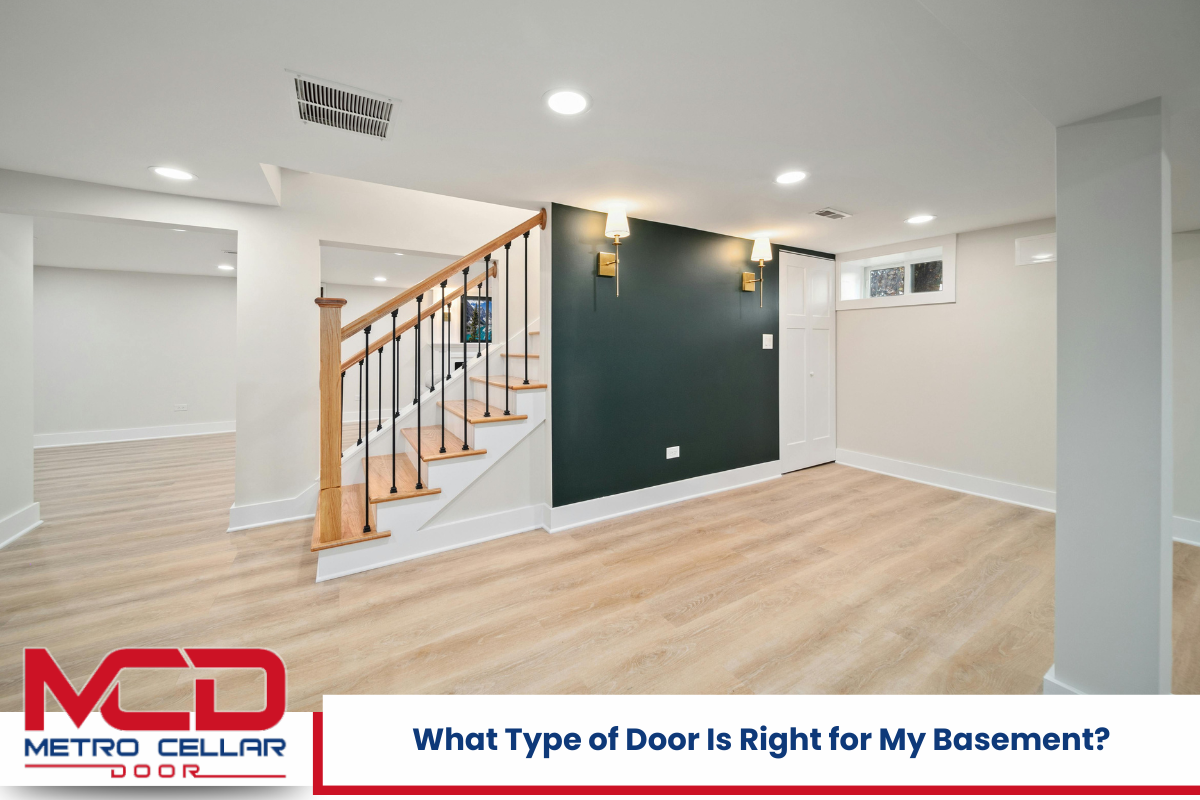
The right choice depends on your space and how you use your basement. Your installer should be able to recommend between Bilco doors, steel metal doors, or other models like Steelway cellar doors.
Also ask about energy efficiency, drainage systems, and sealing techniques that can help protect your space.
How Will You Protect My Home During Installation?
Dust, debris, and noise are part of any building project, but a professional installer should have a plan. Ask how they’ll protect your floors, keep your HVAC systems and mechanical systems clean, and manage daily cleanup.
They should also be familiar with safety requirements like automatic sprinkler systems or fire escape pathways if applicable.
What’s the Timeline for the Job?
Ask how long the installation will take, from site inspection to final inspection. Find out if they include time for permitting, ordering doors, and possible weather delays.
Understanding this helps you plan around plumbing inspections or temporary shutoffs of electrical systems.
What Does Your Estimate Include?
Always ask for a written estimate. It should include labor, materials, and all the small details—such as concrete work, flashing, drainage, or energy modeling if applicable.
Avoid surprises by asking if it includes energy review, energy model work, or a blower door test if required by the energy codes.
Do You Offer a Warranty?
Find out if the installer offers a warranty on both labor and materials. Many quality basement doors like Bilco doors come with manufacturer warranties. But you also want coverage on the installation work itself.
Watch Out for Red Flags
Here are signs that a contractor may not be the right fit:
- No written contract or estimate
- Can’t provide proof of insurance or licensing
- Vague answers about building code compliance
- Unwilling to discuss building permits or site inspection details
- Pressuring you to pay everything upfront
Your Final Basement Door Checklist
Before you sign anything:
- Verify their license with the Department of Buildings
- Confirm they’ll handle all building permits and inspections
- Review the full estimate and timeline
- Ask about cleanup, protection of your home, and warranty details
- Make sure they understand the NYC building code, energy code, and inspection requirements
Wrapping It Up: The Smart Way to Start Your Basement Door Project
Choosing the right basement door installer in New York City takes a little extra effort—but it’s well worth it. Asking smart questions helps ensure your new door is safe, secure, energy-efficient, and up to code.
Whether you’re replacing old cellar doors, upgrading your sidewalk doors, or installing Bilco basement doors for the first time, working with a qualified professional ensures your home stays protected and legal. From energy modeling to final inspection, a skilled installer should guide you every step of the way.
New York City Basement Door Installer — Metro Cellar Door Bilco Pro
Looking for a trusted basement door installer in New York City? Metro Cellar Door Bilco Pro specializes in Bilco basement doors, sidewalk cellar doors, and flat sidewalk cellar doors, installed to meet all building codes and energy code requirements. We handle everything from building permits to final inspections, ensuring your project is safe, secure, and fully compliant. Whether you need a replacement or a brand-new cellar door installation, our expert team is here to help.
Proudly serving NYC and surrounding areas, we bring quality, experience, and fast turnaround times.
Call us today at (929) 979-7313 or fill out our contact form to schedule a free site inspection with a top-rated New York City door installer.
Frequently Asked Questions
Do I need a permit to replace my basement door in New York City?
Yes, in most cases you need a permit to replace a basement door in New York City. The city’s building department requires building permits when structural changes are made or when the new installation impacts the building’s safety. If the replacement affects your egress system, such as a change in door size or door style, you’ll likely need approvals from the Department of Buildings.
Here’s when a permit is typically required:
- Enlarging or reducing the opening
- Installing Traffic Rated Sidewalk Doors or custom steel cellar doors
- Altering access points to meet energy code
- Making structural changes around the frame
Before any work begins, your basement door installer should confirm requirements and schedule a site inspection. Avoiding this step can lead to delays, failed inspection results, or even fines. Always check with the building department and ensure your Cellar Door Installation complies with code.
What type of basement doors are allowed under NYC egress codes?
Basement doors in New York City must comply with egress requirements set by the building department. The egress code ensures people can exit safely in an emergency, like a fire. Whether you’re using metal doors, steel cellar doors, or custom doors, they must meet very specific dimensions and functionality rules.
Requirements include:
- A minimum clear opening height of 24 inches
- A minimum width of 20 inches
- The bottom of the egress opening should not be more than 44 inches from the floor
- Doors must open without special tools
Sliding doors are not typically approved for egress unless they meet all performance and safety requirements. Your basement door installer should know these standards and ensure the correct door types and door style are used.
If you’re installing Traffic Rated Sidewalk Doors or custom cellar door replacements, your installer should also consider accessibility and final inspection rules. Improper installation can increase energy consumption or fail a blower door test, so always work with licensed professionals.
What’s the difference between a cellar door and a basement door?
While often used interchangeably, there are key differences between a cellar door and a basement door in New York City. A cellar typically refers to a space with less than 50% of its height above ground level, which often makes it non-habitable under building department standards. A basement has more headroom and can often be legally finished or occupied.
Cellar Doors are:
- Usually flat sidewalk cellar doors or angled access hatches
- Often made of metal doors or custom steel cellar doors
- Installed outside the home, leading to mechanical rooms or storage
Basement doors are:
- Often internal, connecting to finished or semi-finished areas
- Required to meet egress and energy code standards
- Part of living space, affecting energy consumption
Choosing the correct type for your Cellar Door Installation depends on your space’s use. A basement door installer will help determine the right door types and whether you need custom doors or Traffic Rated Sidewalk Doors.
How much does it cost to install a basement door in NYC?
The cost to install a basement door in New York City depends on the materials, complexity, and whether permits are needed. A basic Cellar Door Installation starts around $1,200 but can go up to $6,000 or more for custom cellar door replacements or Traffic Rated Sidewalk Doors.
Cost factors include:
- Door type – Bilco metal doors vs. custom steel cellar doors
- Door size and style
- Whether concrete cutting or framing is required
- Permit and inspection fees
- Final inspection and energy code compliance
Custom doors are more expensive but may be necessary if your opening doesn’t fit standard sizes. Keep in mind that energy code upgrades, such as insulation or blower door test requirements, can increase costs. A licensed basement door installer should provide a written estimate after a site inspection.
What happens if my basement door installation doesn’t meet NYC code?
If your basement door installation doesn’t meet building code in NYC, you could face serious issues. The building department may issue a violation, order the work to stop, or require the installation to be redone. Failing to pass a final inspection could also delay property sales or refinancing.
Consequences of non-compliance include:
- Fines and violation notices
- Legal responsibility if injury or damage occurs
- Increased insurance costs
- Failed inspection results
Improper door types, incorrect door size, or ignoring energy code standards like energy consumption or insulation can all trigger these issues. Installations involving Traffic Rated Sidewalk Doors or sliding doors must follow strict structural and egress standards.
To avoid problems, work only with a licensed basement door installer who understands Cellar Doors, building permits, and custom cellar door replacements. They’ll help ensure compliance through proper site inspection and adherence to the latest codes.
How long should a basement door installation take from start to finish?
The timeline for a basement door installation in New York City can range from 1 to 5 days, depending on the complexity and door style. Standard metal doors may be installed within a day, while custom steel cellar doors or Traffic Rated Sidewalk Doors can take longer, especially if cutting or framing is involved.
Typical timeline:
- Initial site inspection: 1 day
- Permit approval (if required): 1–3 weeks
- Door manufacturing (for custom doors): 1–2 weeks
- Installation: 1–2 days
- Final inspection: Within a few days after installation
Delays can occur due to weather, permit wait times, or inspection scheduling. A blower door test or energy code review may also be needed if your installation affects energy consumption.
Your basement door installer should give you a clear schedule and manage communication with the building department to avoid surprises. Always ask for a full breakdown before the project begins.