

Sidewalk door installer services in New York City play a crucial role in maintaining access, safety, and code compliance for both residential and commercial buildings. These specialized doors, often installed on sidewalks to access basements or cellar areas, are more than just entry points—they’re integral to the city’s unique infrastructure. With such an important installation, it’s vital to ask the right questions before hiring someone for the job.
Whether you’re replacing an old door or installing a new one, understanding what to expect can help prevent costly mistakes, delays, or safety issues. In a city known for strict codes, limited space, and heavy foot traffic, not all installers are equally equipped to handle the challenges. This article will guide you through the top questions you should ask a sidewalk door installer in New York City and why each one matters.
Understanding Sidewalk Doors in the NYC Landscape
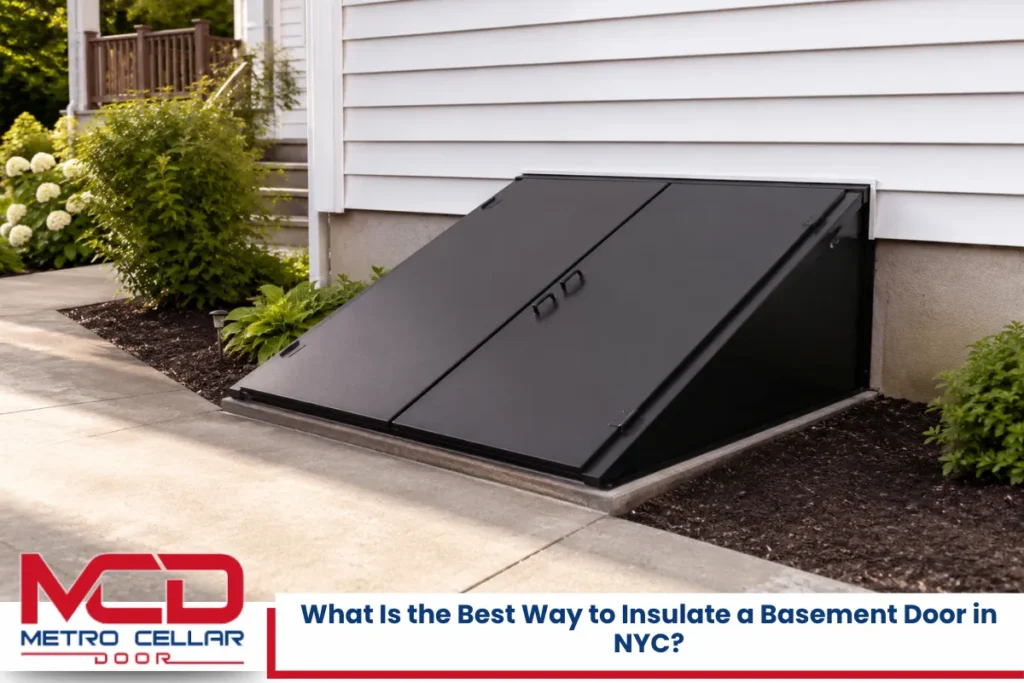
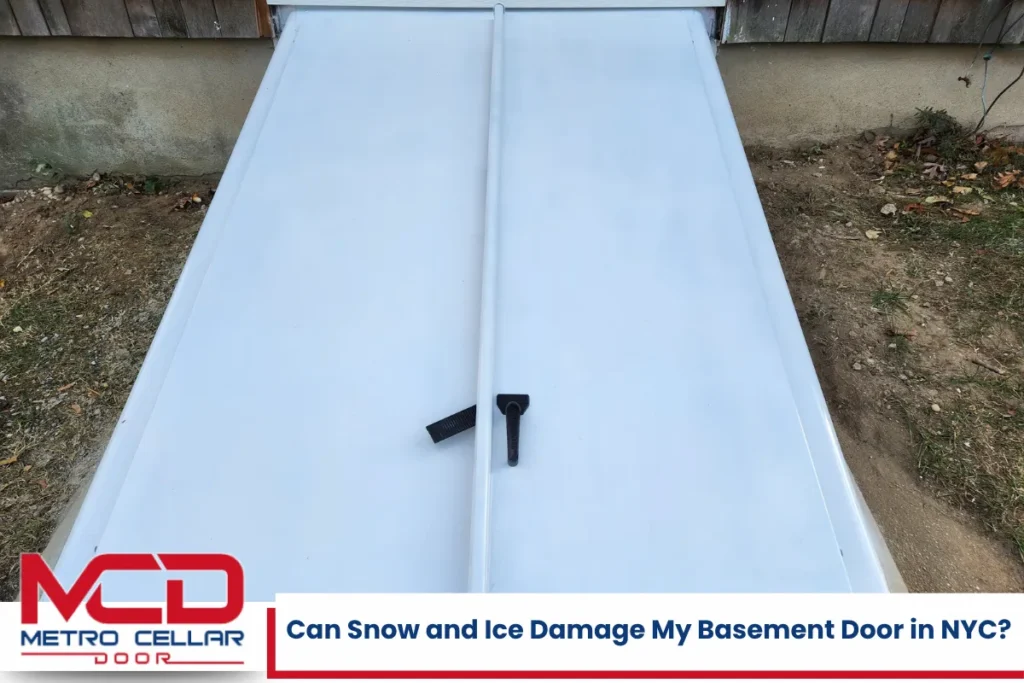
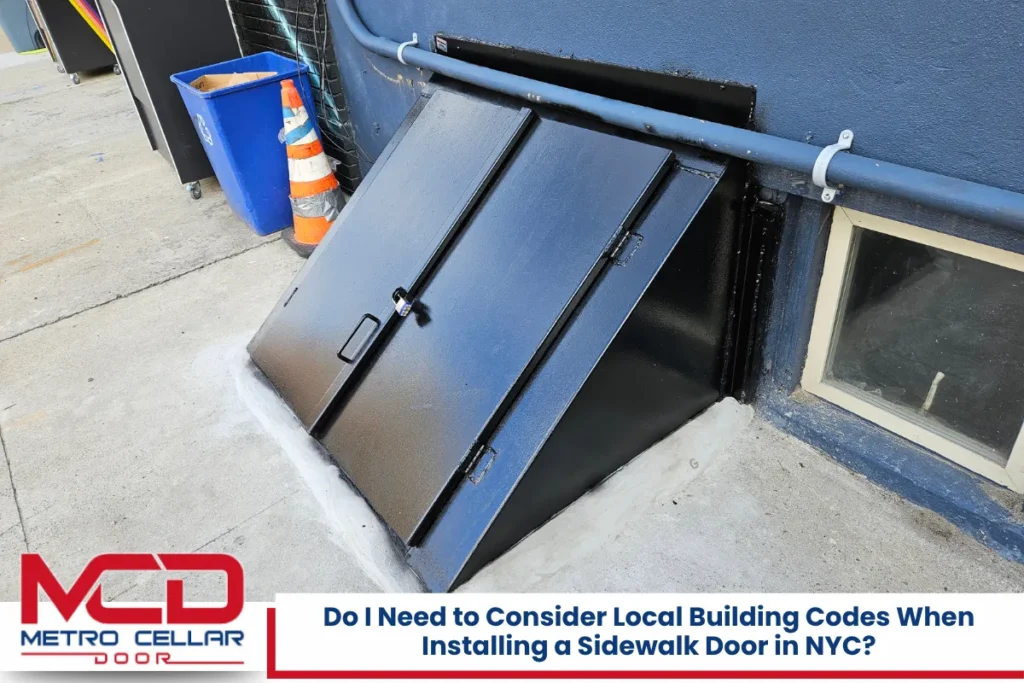
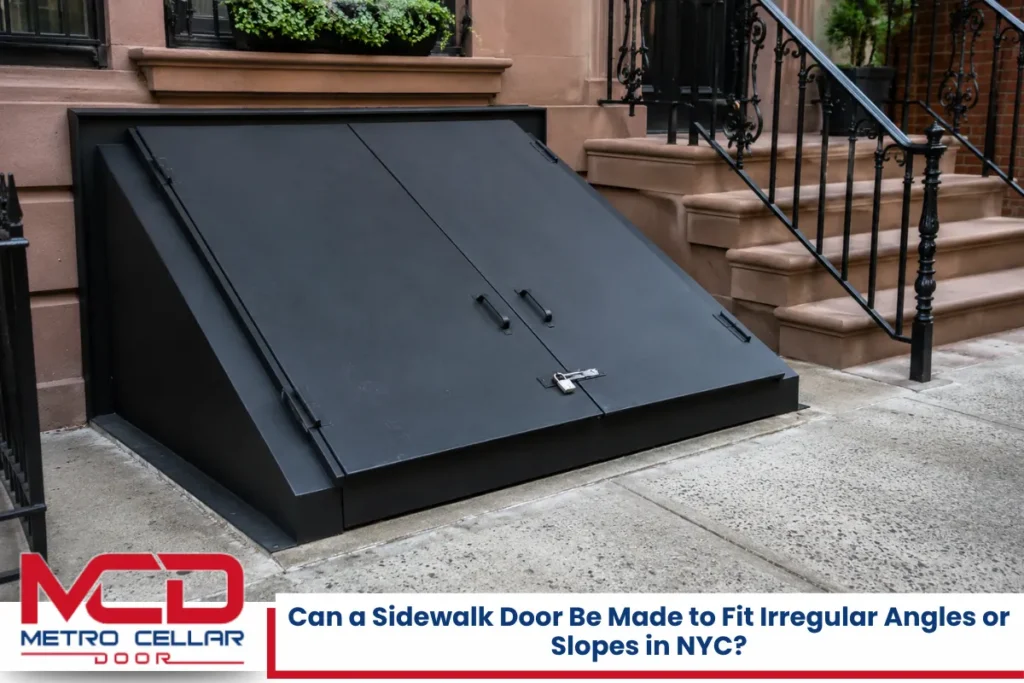
Sidewalk doors—also called cellar doors, basement hatch doors, or Bilco doors—are found throughout New York City. These doors are mounted flush with the sidewalk and are typically made of steel or heavy-duty aluminum. Their main function is to provide exterior street-level access to underground storage or service areas.
In NYC, sidewalk doors are common in older brownstones, mixed-use buildings, restaurants, and retail spaces. They allow for convenient loading, waste removal, or emergency egress. Due to their high visibility and exposure to foot traffic and weather, these doors need to be extremely durable, secure, and installed to strict safety standards.
Ask About Building Code Knowledge and Compliance

One of the most critical questions you should ask your sidewalk door installer is about their familiarity with New York City building codes. The NYC Department of Buildings (DOB) has specific requirements regarding sidewalk vaults, door materials, and installation methods.
Installers must understand:
- Local zoning and sidewalk encroachment rules
- Fire Department (FDNY) clearance and emergency access regulations
- Structural load limits for sidewalk vaults
- ADA (Americans with Disabilities Act) compliance for public walkways
Not complying with these regulations can result in stop-work orders, fines, or future legal issues. A qualified installer should not only understand the codes but also help secure the necessary permits for installation.
Clarify What Types of Sidewalk Doors They Install
Sidewalk door installation in NYC isn’t a one-size-fits-all solution. Different properties require different types of doors based on size, usage, location, and budget. A reliable sidewalk door installer should offer a variety of styles and guide you toward the one that’s most appropriate for your space.
Common sidewalk door types include:
- Single-leaf sidewalk doors: Ideal for narrow entrances, these swing open on one side and suit smaller access points.
- Double-leaf Bilco-style doors: Designed for larger openings, allowing ample room for storage access or equipment movement.
- Flush-mounted steel doors: Built level with the sidewalk, minimizing tripping hazards and preserving the street’s appearance.
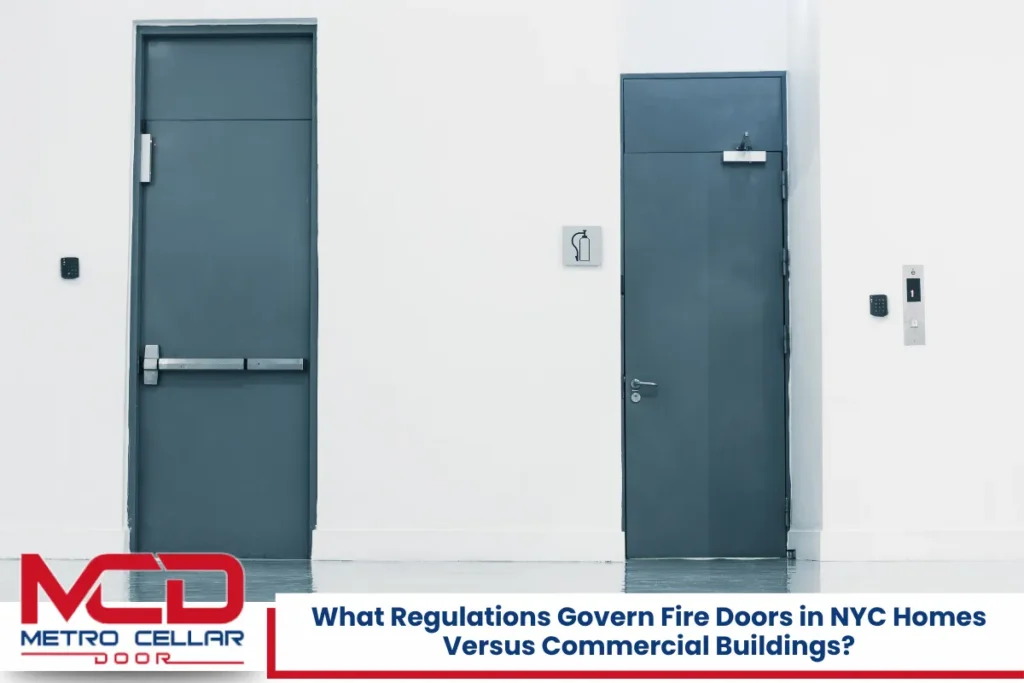
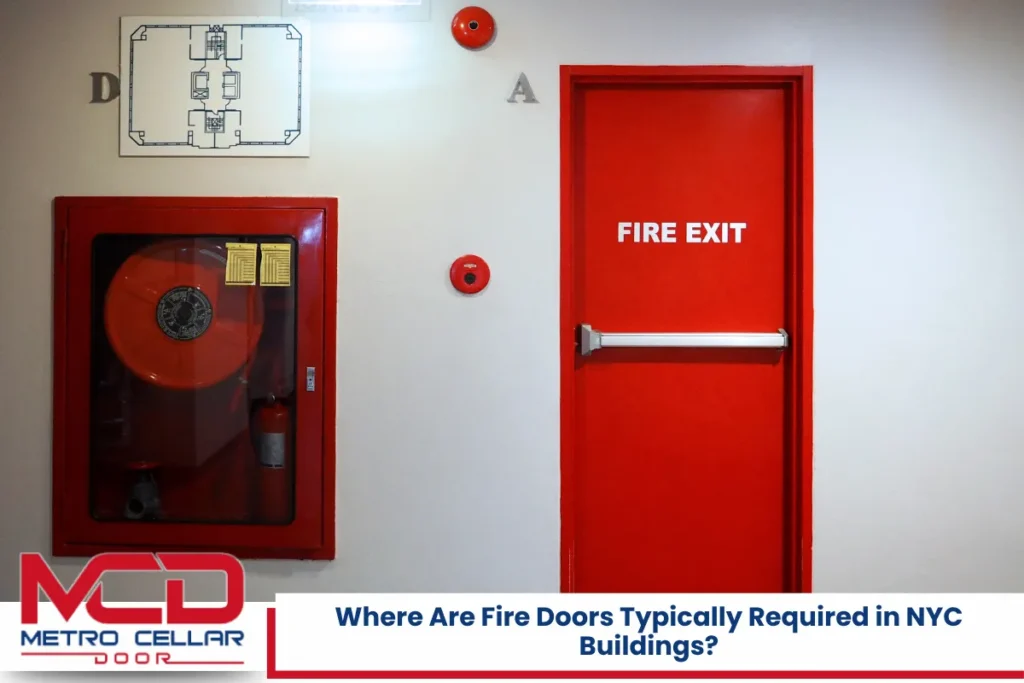
- Reinforced or fire-rated doors: Required in some commercial spaces for safety and compliance, these are made with thicker, fire-resistant materials.
Understanding these options ensures the final installation is not only functional but safe and code-compliant.
Explore Material Durability and Weather Resistance

New York City’s weather puts sidewalk doors through a lot—from snow and ice to summer heat, plus constant pedestrian use. That’s why materials matter. The installer should explain the types of metal used, how the doors are treated to resist corrosion, and what extra features improve long-term durability.
Look for:
- Galvanized steel or aluminum construction: Resistant to rust and built to handle NYC winters.
- Powder-coated finishes: Add an extra layer of weather protection.
- Anti-slip surfaces: Crucial for rainy or icy days to prevent accidents.
- Drainage systems: Help manage water runoff and prevent flooding in the basement area.
Asking about materials helps you assess whether the door will hold up in the long run—and whether it meets city safety standards.
Find Out If They Offer Custom Fabrication
No two NYC buildings are the same. Especially in older neighborhoods, many basements and entryways don’t match standard measurements. That’s why it’s important to ask if the installer can create custom-sized sidewalk doors to fit the exact dimensions and shape of your opening.
Custom fabrication includes:
- Measuring on-site for accuracy
- Tailoring hinge placement and door shape to avoid sidewalk slope issues
- Adjusting the frame for uneven masonry or tight spaces
An installer who can fabricate to fit will deliver a cleaner, safer, and more professional-looking result.
Ask About Their Installation Timeline

Every construction or renovation project comes with time constraints. Ask the installer how long the sidewalk door installation process typically takes from start to finish. Delays can affect access to the property, foot traffic, and business operations.
Key details to clarify:
- Expected lead time for scheduling the job
- Duration of demolition and installation
- Weather or permit-related delays
- Working hours and weekend availability
A reliable sidewalk door installer should provide a detailed timeline and stick to it.
Discuss Warranty, Maintenance, and Repairs

Even the best installation may require occasional maintenance. Hinges can loosen, seals can wear out, and surfaces can rust without proper upkeep. Find out whether the sidewalk door installer offers any warranty on their work and what kind of aftercare they provide.
Things to ask:
- Length and coverage of the warranty (materials and labor)
- Whether inspections and maintenance services are available
- Emergency repair options in case of damage or malfunction
Installers with solid maintenance options and repair guarantees show confidence in their work and provide peace of mind for the client.
Inquire About Safety Features and Pedestrian Protection
NYC’s sidewalks are always busy. Any sidewalk door installation must prioritize public safety. Ask your installer how they ensure their doors won’t pose a tripping hazard or danger to passersby.
Essential safety features include:
- Doors that close flush with the sidewalk
- Heavy-duty hinges and secure locking systems
- Bright warning stickers or signs when doors are open
- Non-slip treads or ridged steel surfaces
These design features protect both pedestrians and building occupants—and show that the installer is thinking beyond just getting the job done.
Verify License, Insurance, and City Credentials

You should only work with an installer who is licensed to operate in New York City. Without this, you run the risk of substandard work, liability issues, or trouble with city inspectors.
Ask for:
- NYC contractor license number
- Proof of liability insurance
- Workers’ compensation coverage
Legitimate installers will provide these documents upfront without hesitation.
Review Their Project Portfolio and Experience
Before committing, take a look at the installer’s past work. A solid project portfolio reveals the quality of their work, their familiarity with different door types, and their ability to handle NYC-specific challenges.
Ask to see:
- Photos of past sidewalk door installations in different boroughs
- Testimonials from previous clients
- Case studies or examples of complex projects
An experienced sidewalk door installer will have no problem showcasing their success stories.
Learn How They Handle Cleanup and Debris Removal
Construction debris can be a major issue on city sidewalks. Ask if the installer handles disposal of the old door and construction materials. Proper cleanup not only reflects professionalism but also helps you avoid city sanitation fines.
The best sidewalk door installers leave the worksite spotless, often cleaning the sidewalk, hauling away scrap materials, and restoring the surrounding area to its original condition.
Final Thoughts on Choosing the Right Installer
Hiring a sidewalk door installer in New York City is a serious investment. The decisions you make can impact not just your basement access, but also public safety, code compliance, and the overall look of your property. Asking smart questions upfront ensures you’re dealing with a skilled professional who understands the city’s unique demands.
Don’t rush into choosing an installer based solely on price or convenience. A well-done sidewalk door installation can last decades and add significant value to your building. Take the time to choose a qualified expert who provides clear answers, quality materials, and proven experience in NYC projects.
NYC Sidewalk Door Installer – Metro Cellar Door Bilco Pro

Looking for a reliable sidewalk door installer in New York City? Metro Cellar Door Bilco Pro offers expert installation services for cellar doors, fire-rated doors, and sidewalk hatch doors across all five boroughs. We use durable materials, comply with NYC building codes, and provide custom solutions for homes, storefronts, and commercial buildings. Every installation is built to last, made with care, and backed by our experience in the industry.
Our team handles everything from site inspection and measurements to fabrication, permitting, and cleanup. With affordable pricing and high-quality craftsmanship, we’re the go-to choice for New Yorkers who want safe, functional, and stylish sidewalk doors. Call us now at (929) 979-7313 to get a free estimate and see how we can help with your next door project!
Frequently Asked Questions About Sidewalk Doors and Installation in NYC
What types of materials are best for sidewalk doors in New York City’s climate?
New York City’s unpredictable weather, from snow and ice to humid summers, demands tough and weather-resistant materials for sidewalk doors. The best materials offer long-term durability, resist corrosion, and can handle heavy foot traffic.
Here are the top-rated material options:
- Steel doors: Excellent for security and strength. These are ideal for commercial duty and areas requiring high impact resistance. They can withstand wear in windy climates and offer a high security rating.
- Fiberglass doors: Lightweight but durable, fiberglass resists moisture and doesn’t rust, making it a solid choice for longevity.
- Wood doors: Often chosen for aesthetic reasons, they suit the architectural style of the house but require more maintenance in wet environments.
Exterior door installation in NYC must factor in energy efficiency, structural load, and exposure. Installers often use weather-sealed edges, dead-locking latch bolts, and heavy-duty strike plates to extend life and enhance protection.
How does energy efficiency apply to sidewalk and exterior door installations?
While energy efficiency is often associated with windows and home insulation, it also plays a role in sidewalk doors and exterior door installation, especially in heated commercial basements or residential spaces.
Here’s how it matters:
- Insulated steel or fiberglass doors minimize heat loss and maintain indoor temperature.
- Weather-sealing methods help prevent drafts and moisture entry, which lowers utility costs.
- In buildings where sidewalk doors lead to conditioned areas, insulation helps improve the overall energy efficiency of the property.
Using outward-swinging doors with built-in seals also prevents wind from forcing the door open or cold air from seeping in—an important factor in windy climates like NYC.
When choosing a sidewalk door installer, ask if their designs include insulation options or energy-rated materials. This is especially valuable for owners looking to meet green building standards or reduce long-term utility bills.
Are there specific design styles available for sidewalk and exterior doors?
Yes, modern sidewalk and exterior doors come in a variety of styles and texture options that balance function and appearance. While many traditional NYC sidewalk doors are plain steel due to utility and safety, design-conscious property owners now have more choices.
Popular options include:
- Multi-light doors: Feature multiple glass panes for visibility and style, typically used in building rear entrances or upper-level access.
- Flush or low-profile sidewalk doors: These blend in with the sidewalk and often feature non-slip coatings.
- Fiberglass doors: Offered in different finishes like wood grain textures that mimic natural wood without the upkeep.
- Wood doors: While less common for sidewalk use due to exposure, they’re popular for decorative exterior door installations on brownstones and historic homes.
With the right sidewalk door installer, property owners can choose styles that match their house’s architectural features or business branding without compromising on safety or code compliance.
What hardware and locking mechanisms should be included in a secure sidewalk door?
Security is a major concern in New York City, so hardware quality makes a significant difference in both sidewalk and exterior door installations. You should always ask your sidewalk door installer what type of hardware is included—and insist on commercial-grade components.
Key components include:
- Lock-and-handle sets: These are the first line of defense and must be made from tamper-resistant metals.
- Strike plates: Reinforced strike plates ensure the latch locks into the frame securely, reducing the risk of forced entry.
- Dead-locking latch bolts: Prevent the latch from being pushed back by force or manipulation. A must for outward-facing doors in commercial duty settings.
- Optional: Electronic locks or padlock-ready latches for added flexibility.
Installing the correct lock hardware not only improves the security rating of your entrance but also ensures compliance with city safety codes. An experienced installer should recommend options tailored to the door type, property use, and location.
What should property owners consider before starting a sidewalk door installation project in NYC?
Planning a sidewalk door project in New York City involves more than picking a door—it requires strategic planning with several considerations in mind. Every borough has strict rules, and any work on a public sidewalk must meet regulations enforced by the NYC Department of Buildings.
Here’s what to keep in mind:
- Permits and inspections: Required for almost all installations involving sidewalk modifications.
- Foot traffic disruption: Installation must be carefully timed to avoid pedestrian safety risks or business interruptions.
- Door style and swing direction: Some areas may restrict outward-swinging doors to avoid blocking sidewalk access.
- Drainage: Crucial to prevent water seepage and flooding, especially in older buildings with sidewalk vaults.
Also consider future access, lock security, insulation, and alignment with your building’s appearance. A licensed and insured sidewalk door installer will help you handle all of these points efficiently, ensuring the project is smooth and compliant.
Read more: Steel vs. Aluminum Sidewalk Doors: NYC Installer Insights