
Why Understanding Fire Door Ratings Matters in New York City
New York Fire Door Installer services are crucial for safety, but many property owners still ask: what do fire door ratings like FD30, FD60, or FD90 actually mean? Imagine a fire breaking out in your building and your doors failing to protect lives and property simply because the rating wasn’t understood or followed. The confusion around fire door installation standards, fire resistance times, and local building codes can lead to dangerous gaps in protection and even legal trouble. The good news? With the right fire door installer, you can ensure compliance, safety, and peace of mind. In this article, we’ll break down what these fire door ratings mean, why they matter, and how choosing the right fire door installer in New York City protects what’s most important to you.
The Role of Fire Doors in Building Safety
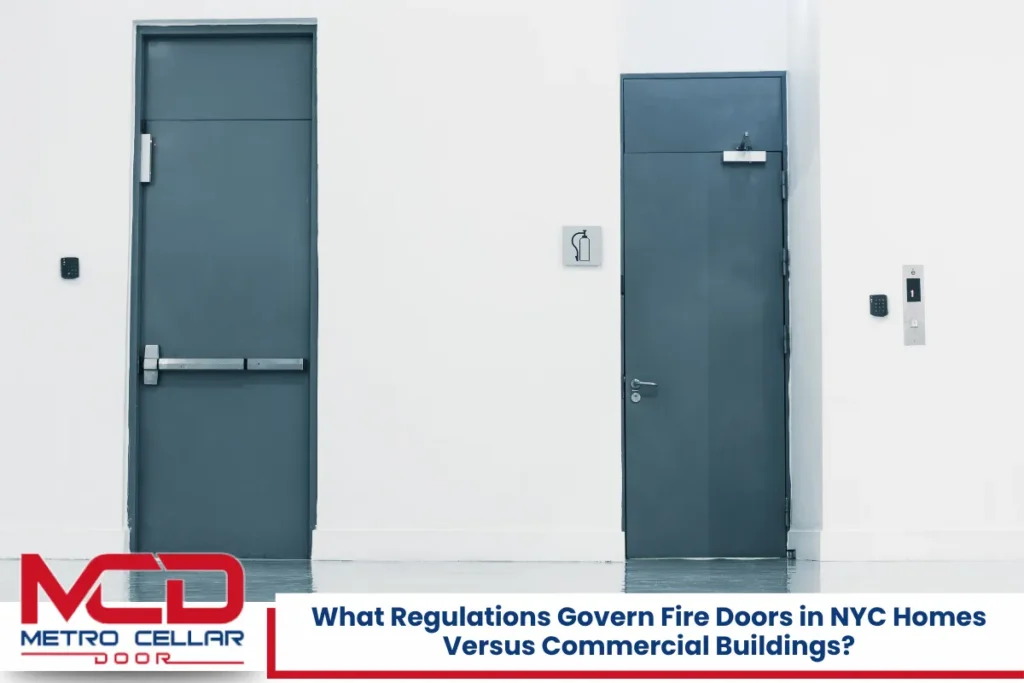
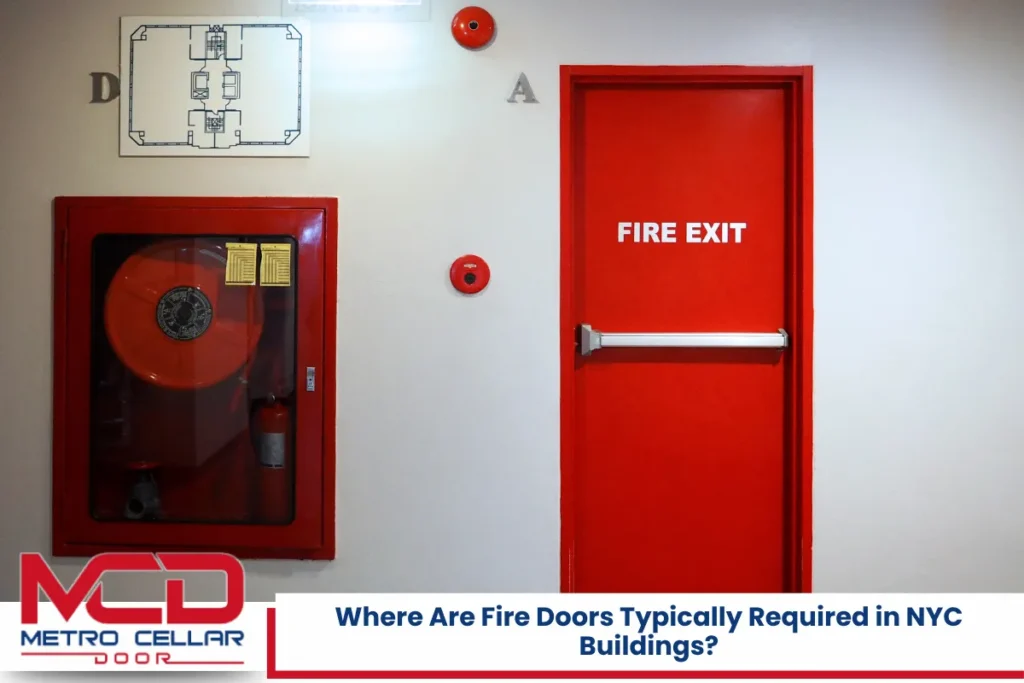
Fire doors are not ordinary doors. They are engineered to resist the spread of fire and smoke, providing critical time for evacuation and allowing emergency services to respond. Fire doors are part of every robust fire protection system in commercial buildings, residential complexes, hospitals, schools, and industrial facilities across New York.
These doors must be installed according to strict standards. Without proper fire door installation, even a certified fire door can fail during an emergency. That’s why working with a professional fire door installer is a legal requirement and a best practice for property owners and managers.
What Makes Fire Doors Different?
- Fire-resistant materials: Fire doors are built from materials like steel, solid timber, gypsum, and fire-rated glass that withstand high temperatures.
- Special seals and hardware: Intumescent seals expand when heated, blocking smoke and flames. Fire-rated hinges, latches, and closers are also required.
- Certified testing: Every fire door is tested and rated for how long it can resist fire, commonly labeled as FD30, FD60, or FD90.
Decoding Fire Door Ratings: FD30, FD60, FD90 Explained
The fire door rating system describes how long a door can resist fire in minutes. The higher the rating, the longer the door can contain fire and smoke, providing extra time for occupants to escape and firefighters to arrive.
Understanding the Numbers
- FD30: Resists fire for 30 minutes.
- FD60: Provides 60 minutes of fire protection.
- FD90: Stands strong for 90 minutes in a fire.
These ratings are achieved through controlled laboratory tests that simulate real fire conditions. The fire door installer must ensure that both the door and its frame meet the designated rating. Inadequate installation can compromise the fire rating, making the door ineffective in a real emergency.
Where Are Different Ratings Used?
- FD30: Common in apartments, offices, and corridors where a 30-minute barrier is adequate.
- FD60: Often specified in stairwells, server rooms, and commercial properties with higher risks.
- FD90: Required in buildings with higher occupancy, critical infrastructure, or storage of hazardous materials.
Fire Door Installer Responsibilities: Ensuring Compliance in New York
Working with a qualified fire door installer in New York means your property meets all legal codes and safety standards. Regulations set by the New York City Department of Buildings, NFPA (National Fire Protection Association), and International Building Code require certified fire doors, properly fitted and maintained.
Steps Professional Installers Take
- Assessment: Inspect the premises and identify where fire doors are required.
- Product selection: Choose doors with proper fire ratings and certifications.
- Precision installation: Ensure doors, frames, seals, and hardware meet standards.
- Documentation: Provide records for fire code inspections and compliance checks.
- Maintenance guidance: Educate owners on regular inspection and maintenance schedules.
Why DIY or Inexperienced Installation is Risky
- Doors may not close properly, leaving gaps for smoke and fire.
- Incorrect hardware or seals can void certifications.
- Non-compliance can lead to fines or liability in the event of a fire.
Read New York Fire Door Installer: What is a Fire-rated Door Assembly Versus a Fire-rated Opening?
Fire Door Installation: Process and Best Practices
Successful fire door installation involves more than just hanging a door. Each element—from the frame to the hinges—must work together to maintain the fire rating.
Key Steps in Fire Door Installation
- Measuring and fitting: Proper sizing ensures the door fits snugly within the frame.
- Correct hardware: Only use fire-rated hinges, latches, and closers.
- Sealing: Install intumescent strips and smoke seals in the frame.
- Gap checks: Ensure gaps between the door and frame are within code—typically no more than 3-4mm.
- Testing: Test door closing and latch function, ensuring it closes automatically and fully.
Maintenance After Installation
Routine checks and professional maintenance are essential. Even a small alteration or wear and tear can affect performance. Building owners should schedule periodic fire door inspections, replace worn seals, and ensure no door is wedged open or obstructed.
Choosing the Right Fire Door Installer in New York
Not all contractors are qualified fire door installers. It’s essential to look for a company with experience, credentials, and a proven track record in fire door installation and maintenance.
Qualities to Look for in a Fire Door Installer
- Certification: Licensed and insured for fire door installation.
- Local knowledge: Familiar with New York City building codes and fire regulations.
- Experience: References from satisfied clients in similar buildings.
- Comprehensive services: Offers installation, repair, maintenance, and emergency support.
Questions to Ask Your Installer
- Are your products UL or WH certified?
- Do you provide compliance documentation?
- How do you handle aftercare and maintenance?
- Can you help with upgrades to meet the latest NYC codes?
Common Myths and Mistakes About Fire Door Ratings
Top Misconceptions
- “All fire doors are the same.” Ratings differ and must match the building’s risk level and code requirements.
- “Any contractor can install fire doors.” Specialized skills and certification are essential.
- “Once installed, fire doors don’t need maintenance.” Ongoing inspection and repairs are critical for continued protection.
Mistakes to Avoid
- Mixing up smoke doors with fire doors—they serve different functions.
- Using non-compliant hardware that invalidates the fire door rating.
- Ignoring the need for regular fire door inspections.
How Fire Door Ratings Protect New York Properties
Fire doors are a front line of defense in a city where safety codes are enforced strictly. Correct fire door installation can save lives, reduce property loss, and limit liability.
Benefits for Building Owners and Managers
- Legal compliance: Avoid violations, fines, and lawsuits.
- Enhanced safety: Peace of mind for tenants, employees, and customers.
- Property value: Demonstrates commitment to safety and modern standards.
Real-World Example
A Midtown Manhattan office building upgraded all corridor doors to FD60 with certified fire door installers. Months later, a fire was contained within one area, minimizing damage and ensuring a safe evacuation. The building’s owners credited professional fire door installation with protecting their investment and reputation.
New York Fire Door Installer – Metro Cellar Door Bilco Pro
When it comes to fire door installation in New York City, Metro Cellar Door Bilco Pro is your trusted partner for safety and compliance. As a leading fire door installer, we specialize in residential, commercial, and industrial fire doors tailored to NYC’s strict codes. Our team offers free consultations, fast turnaround, and bilingual services to ensure your building is protected and compliant. Don’t risk safety or face costly fines—call (929) 979-7313 today or fill out our easy contact form. Metro Cellar Door Bilco Pro proudly serves New York City and surrounding areas, making fire protection simple, affordable, and reliable.
Frequently Asked Questions
How often should fire doors be inspected in New York City?
In NYC, fire doors should be inspected at least once a year by a qualified professional. This helps ensure that all doors, hardware, and seals remain in compliance with local codes and are ready to perform in an emergency. Routine checks catch wear and tear, misalignments, and issues like blocked or propped open doors. Building owners are legally responsible for maintaining fire doors, so regular inspections not only protect lives but also shield you from fines and liability.
Can I upgrade my current doors to fire-rated doors, or do I need full replacement?
Depending on your existing door’s condition and construction, some doors can be upgraded with approved fire-resistant materials and fire-rated hardware. However, for full compliance and reliability, especially in older buildings, a complete fire door replacement is usually recommended. A certified fire door installer will assess your current setup and provide the best solution based on your building’s needs, ensuring you meet NYC regulations.
Are there specific fire door ratings required for different building types?
Yes, fire door ratings depend on building use, occupancy, and fire risk areas. For example, residential apartment corridors may require FD30 or FD60, while stairwells or mechanical rooms in commercial properties often need FD60 or FD90. High-occupancy spaces and buildings with hazardous materials typically demand higher ratings. Your fire door installer will determine the right rating to comply with New York’s building and fire codes.
Do fire doors need special maintenance compared to standard doors?
Absolutely. Fire doors must remain in top condition to maintain their rating and function. This includes checking for proper closure, intact seals, no visible damage, and correct hardware operation. Maintenance should be performed by a qualified fire door installer or maintenance technician trained in fire door standards. Keeping doors free from obstructions and documenting inspections is key to ongoing compliance and safety.
What happens if my fire door installation is not up to code?
If your fire door installation does not meet local codes, you could face fines, liability in the event of injury or loss, and potentially even forced closure until compliance is achieved. Insurance claims may also be denied. To avoid these costly and dangerous risks, always work with a reputable fire door installer familiar with New York City regulations. Professional installation and ongoing maintenance protect your building, its occupants, and your investment.
Legal Notice: This article is for informational purposes only and does not constitute legal or regulatory advice. Building owners should consult with qualified fire protection professionals and refer to local New York City codes and NFPA guidelines for fire door installation and compliance requirements.