
NYC Sidewalk Door Installer professionals are often called only after a dangerous situation develops—but by then, the damage is done. Property owners across New York City rely on sidewalk doors for safe basement access, deliveries, and storage. Yet many forget these metal doors sit in one of the busiest pedestrian environments in the world. A corroded hinge, weakened frame, or faulty locking mechanism can quickly turn into a liability claim, city violation, or serious injury. The good news? With proper inspection schedules and code-compliant sidewalk door installation, these risks are manageable. In this guide, we break down exactly how often sidewalk doors should be inspected in NYC, what local regulations require, and how a professional sidewalk door installer helps protect your property and the public.
Why Sidewalk Doors Demand Serious Attention in New York City
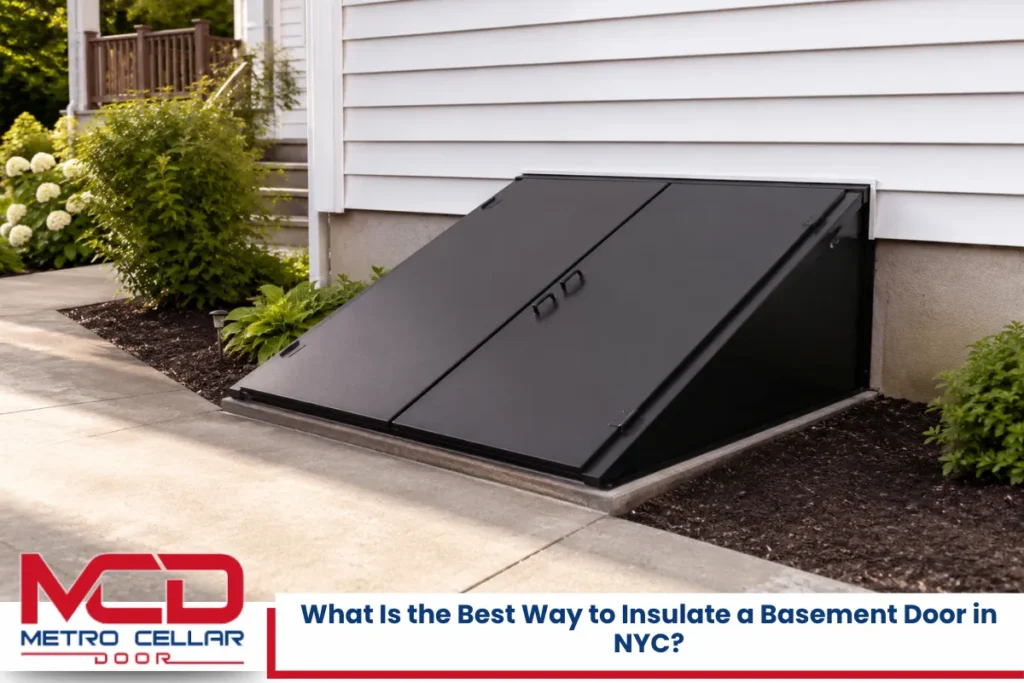
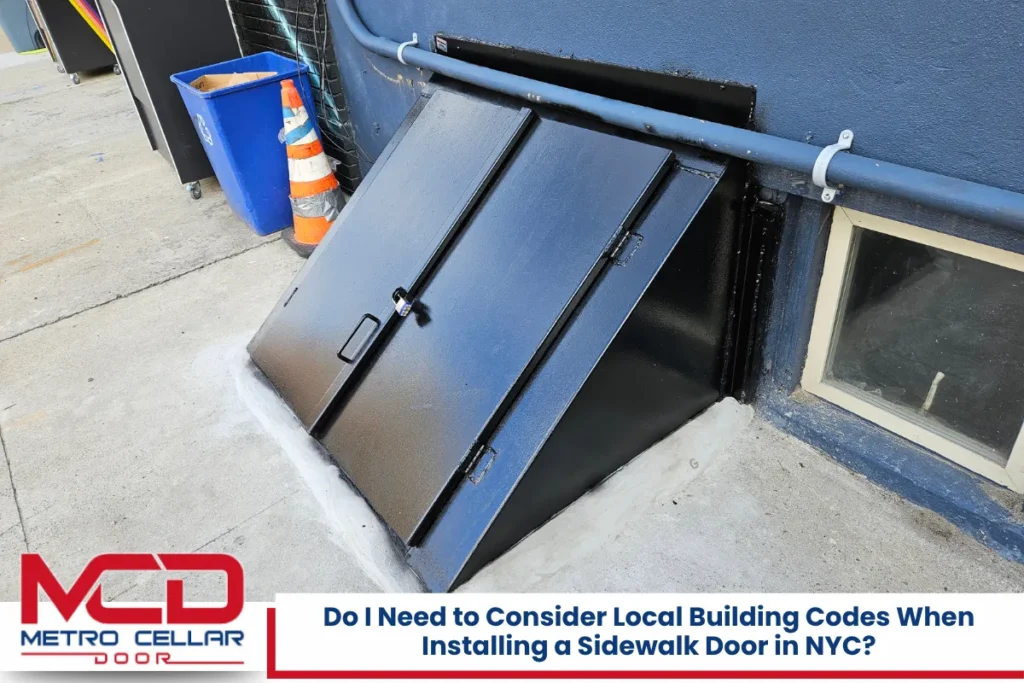
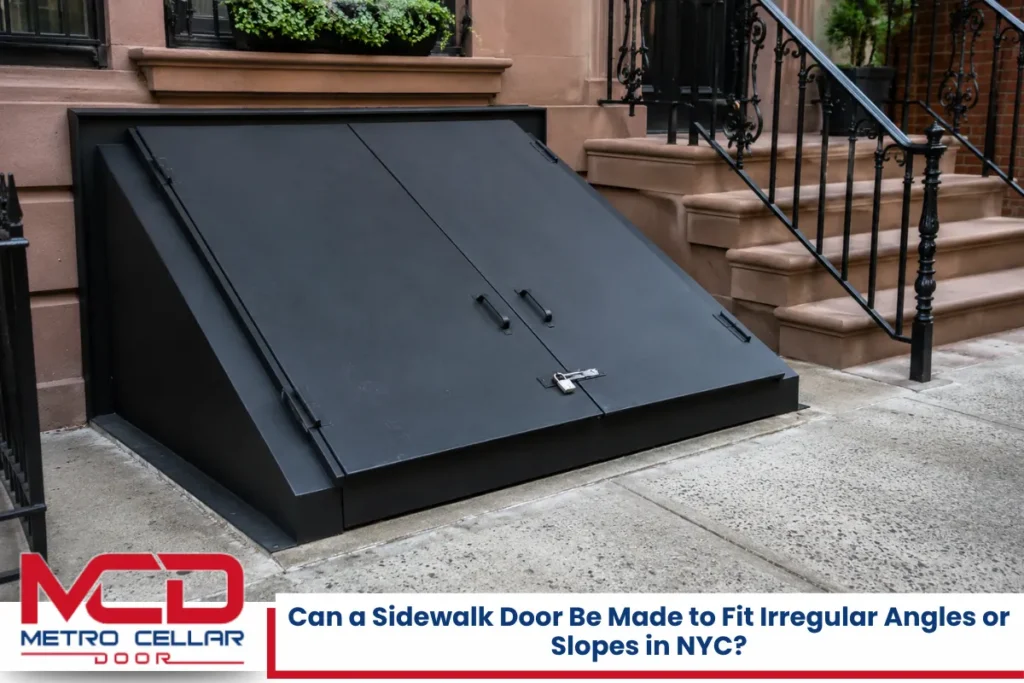
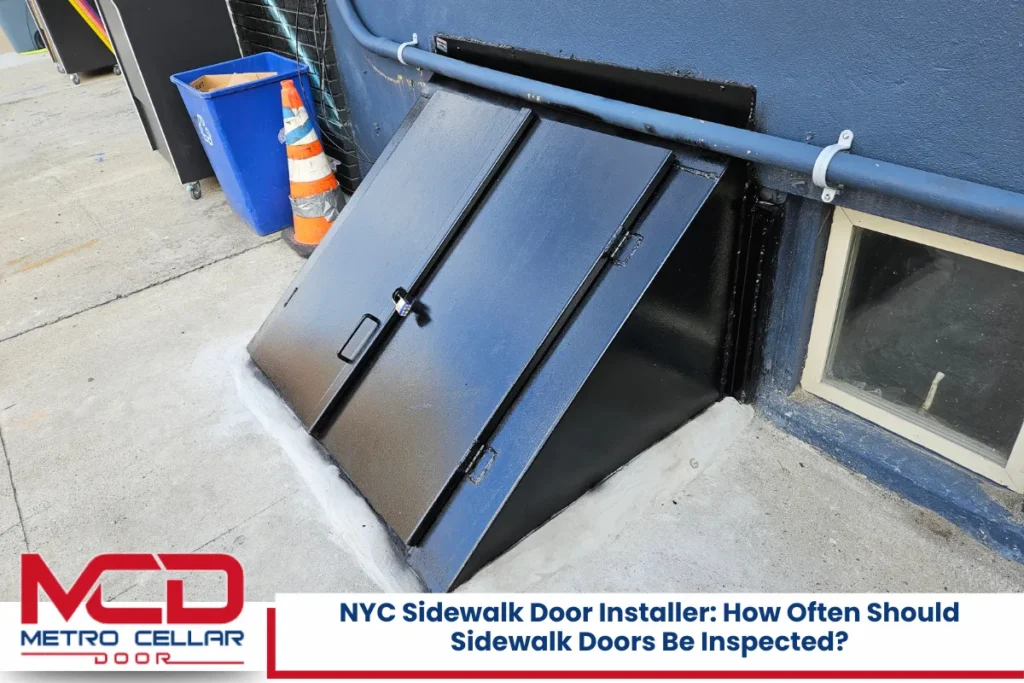
Sidewalk doors—also known as cellar doors, basement doors, or sidewalk hatch doors—are exterior access points built flush with the pavement. In dense urban areas like Manhattan, Brooklyn, Queens, and the Bronx, they serve restaurants, retail stores, apartment buildings, and commercial properties.
Because they are located directly in pedestrian pathways, they fall under strict oversight by city agencies. Property owners are responsible for maintaining them in safe condition under the New York City Administrative Code and Department of Transportation (DOT) rules governing sidewalk structures.
Unlike interior doors, sidewalk doors face:
- Heavy foot traffic
- Snow, rain, and freeze-thaw cycles
- Road salt corrosion
- Impact from delivery carts and equipment
- Weight loads from pedestrians and occasional vehicles
Without routine inspection and maintenance, deterioration can occur faster than expected.
What NYC Regulations Say About Sidewalk Doors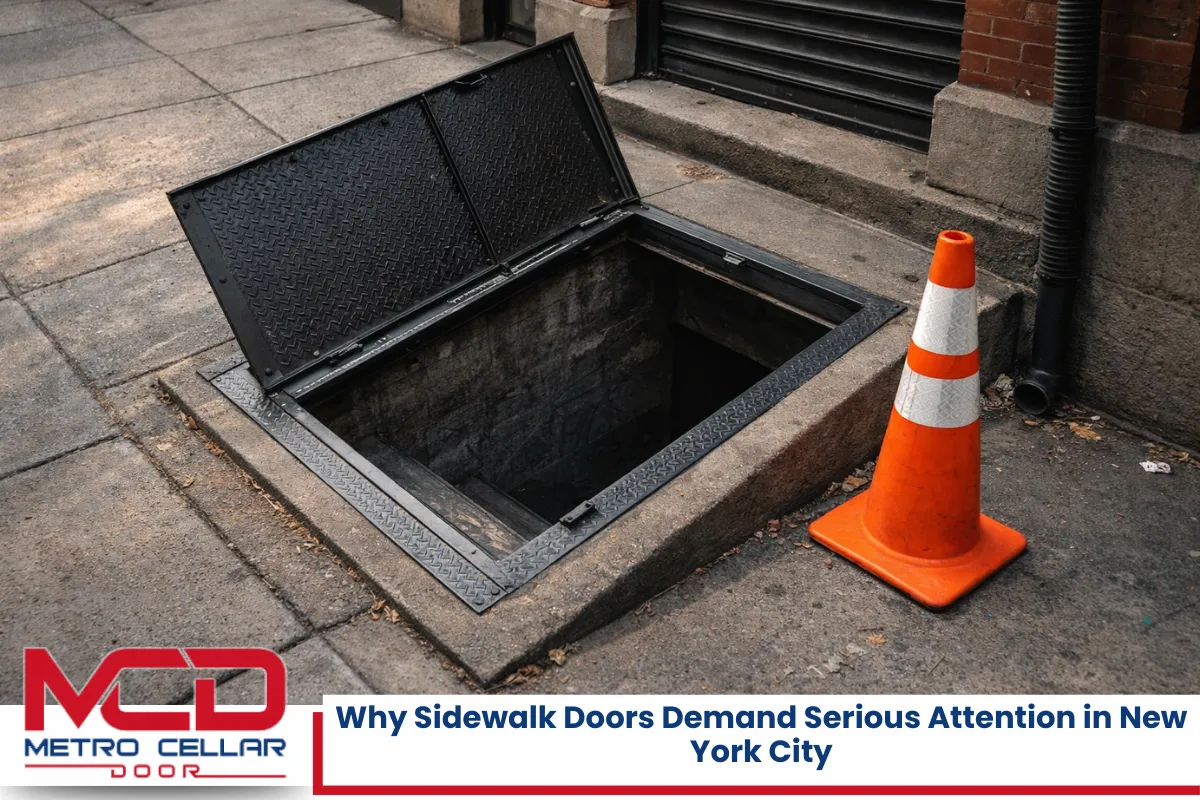
In New York City, property owners are legally responsible for maintaining the sidewalk adjacent to their building, including cellar doors and gratings.
Key Regulatory Considerations
- Sidewalk doors must be structurally sound and flush with the surrounding pavement.
- They cannot create a tripping hazard.
- Doors must be secured when not in use.
- Structural elements must support required loads.
- Repairs may require permits depending on scope.
The NYC Department of Buildings (DOB) and DOT may issue violations if sidewalk structures are unsafe. Failure to correct issues can result in fines, civil penalties, and potential lawsuits.
While there is no single statute that states a specific “inspection frequency” in plain language, safety and liability standards make routine inspections essential.
So, How Often Should Sidewalk Doors Be Inspected?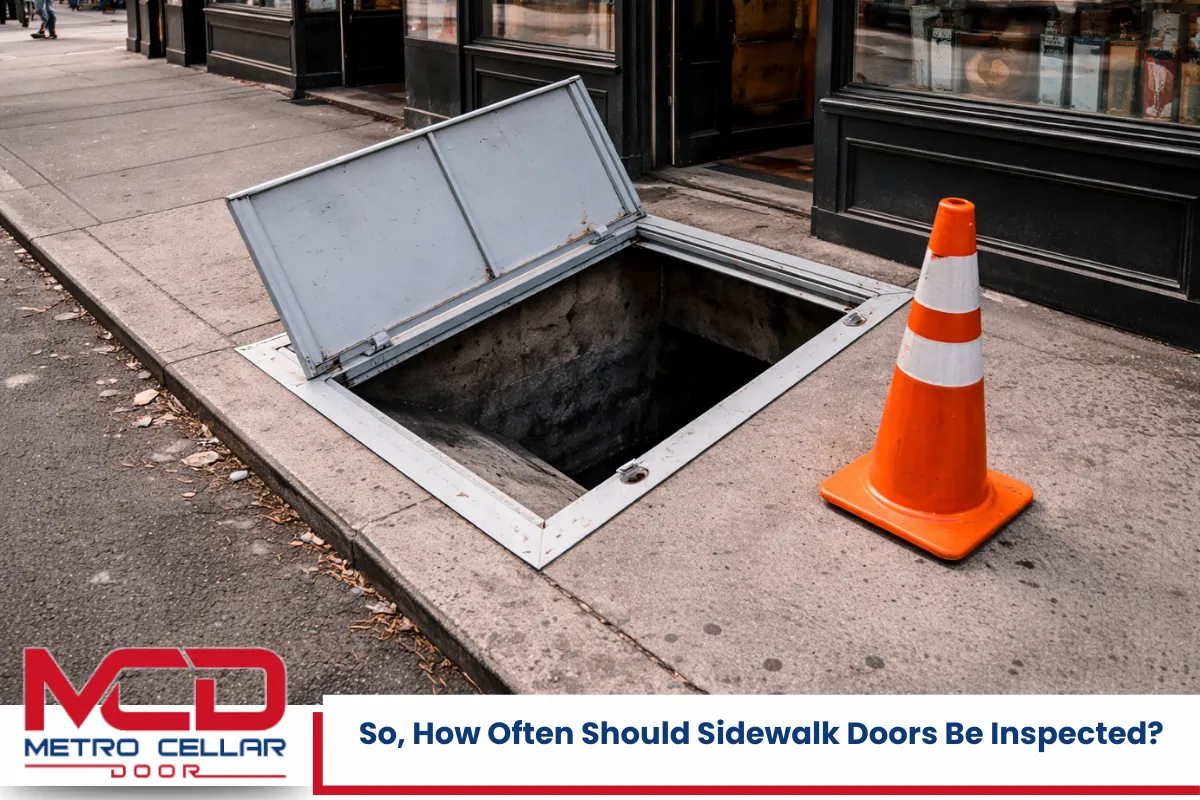
Recommended Inspection Frequency
For most commercial and mixed-use properties in NYC:
- Visual inspection: Monthly
- Functional inspection: Quarterly
- Professional evaluation: Annually
- Immediate inspection: After severe weather or heavy impact
Let’s break that down.
Monthly Visual Checks
Property owners or building managers should visually inspect sidewalk doors every month. This includes:
- Checking for rust or corrosion
- Looking for loose bolts or hinges
- Ensuring doors sit flush with the sidewalk
- Confirming locking mechanisms work properly
- Watching for cracks in surrounding concrete
These quick checks help identify small issues before they escalate.
Quarterly Functional Testing
Every three months, doors should be opened and closed fully to test:
- Smooth hinge operation
- Proper alignment
- Lock integrity
- Gas struts or lift assistance (if installed)
- Weather stripping condition
If doors stick, shift, or make grinding noises, it may indicate structural movement or metal fatigue.
Annual Professional Inspection
A licensed and experienced sidewalk door installer should conduct a comprehensive inspection once per year.
This inspection typically includes:
- Structural integrity assessment
- Frame anchoring review
- Weld inspections
- Corrosion depth evaluation
- Load-bearing analysis
- Code compliance review
- Waterproofing assessment
Professional inspection ensures sidewalk door installation meets NYC code requirements and current safety standards.
Post-Storm and Winter Inspection
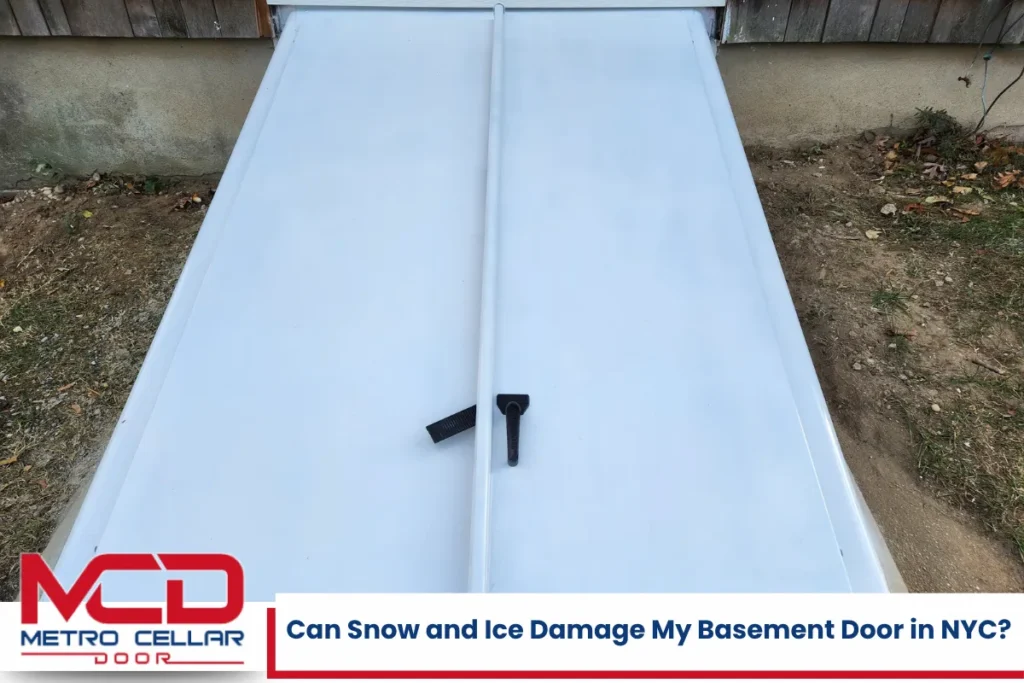
New York winters are brutal on exterior metal structures. Snow, ice, and road salt accelerate corrosion. After major storms or heavy snow accumulation, sidewalk doors should be checked for:
- Warping from temperature swings
- Ice damage
- Water intrusion
- Hinge strain
Freeze-thaw cycles can loosen anchors and cause metal expansion issues.
Risks of Skipping Regular Inspections
Ignoring inspection schedules can lead to significant consequences.
Personal Injury Claims
A misaligned door that lifts slightly above sidewalk level can cause trips and falls. In NYC, personal injury claims can be costly and time-consuming.
City Violations and Fines
If the DOT or DOB identifies unsafe sidewalk conditions, violations may be issued. Failure to correct them promptly increases penalties.
Structural Failure
Corrosion weakens steel over time. What appears to be surface rust may conceal deeper damage compromising load capacity.
Water Damage
Improper sealing can allow water into the basement, leading to mold growth and foundation damage.
Business Interruption
Restaurants and retail businesses rely on basement access. A failed door can halt deliveries and operations.
Common Problems Found During Inspections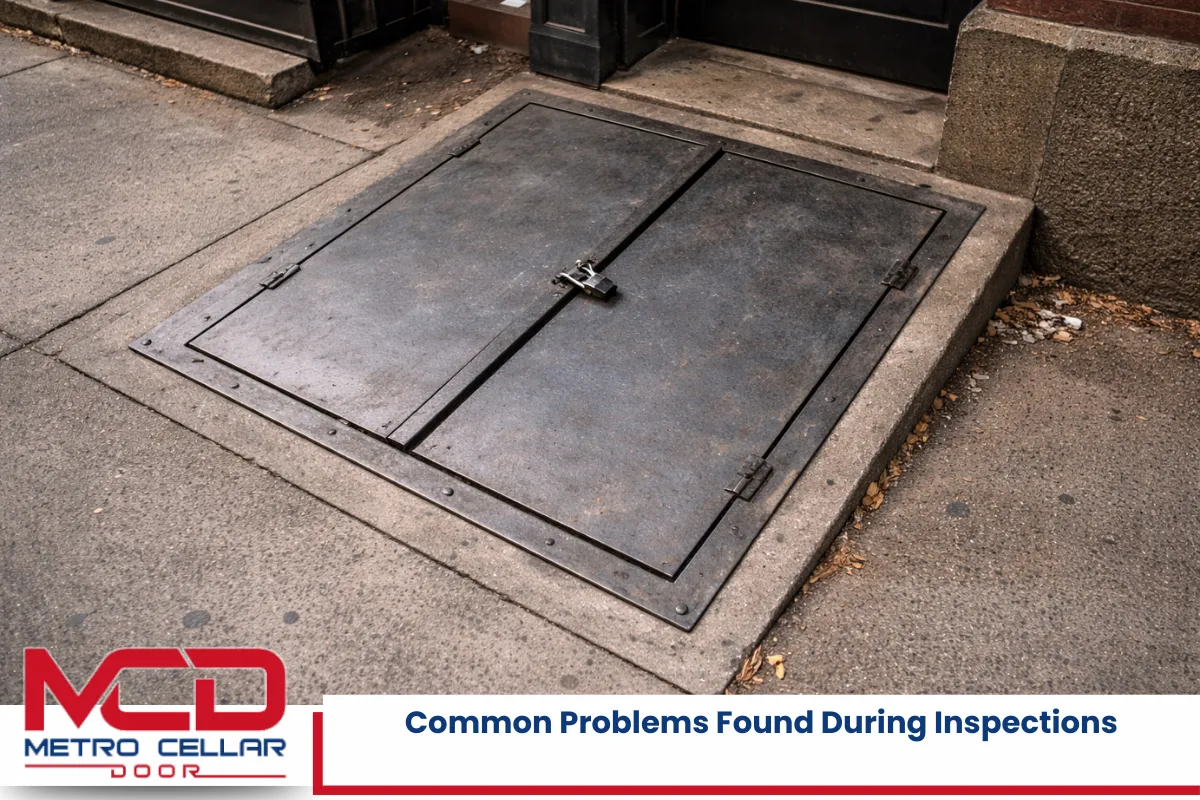
Professional sidewalk door installers frequently identify the following issues:
- Advanced rust at hinge welds
- Sagging doors due to frame distortion
- Loose or missing anchor bolts
- Broken lift mechanisms
- Improper slope causing water pooling
- Uneven door surfaces creating trip hazards
Many older sidewalk doors installed decades ago were not designed for today’s safety expectations or foot traffic levels.
Materials Matter: Steel, Aluminum, and Galvanized Options
The lifespan and inspection needs depend heavily on material quality.
Galvanized Steel
Most modern sidewalk doors are constructed from galvanized steel. The zinc coating resists corrosion but can wear down over time.
Powder-Coated Finishes
Powder coating adds an additional protective layer against moisture and salt exposure.
Aluminum
Lighter and corrosion-resistant, aluminum is sometimes used but may lack the same structural strength as heavy-duty steel in high-traffic areas.
A professional sidewalk door installation will consider environmental exposure, load requirements, and building type before selecting materials.
Read NYC Sidewalk Door Installer: Can Rust-damaged Doors Be Restored?
The Role of Proper Installation in Inspection Frequency
Improper installation accelerates deterioration. When doors are not installed flush or securely anchored, stress builds at connection points.
Correct sidewalk door installation ensures:
- Proper weight distribution
- Correct slope for drainage
- Secure anchoring into concrete
- Code-compliant load capacity
- Long-term durability
Poor installation often leads to more frequent repairs and higher maintenance costs.
Load Requirements and Safety Standards
Sidewalk doors must safely support pedestrian traffic and, in some cases, light vehicular loads. NYC codes require structures embedded in sidewalks to withstand expected use conditions.
Professional installers calculate:
- Live load requirements
- Dead load considerations
- Hinge stress limits
- Frame reinforcement needs
Annual inspections confirm these standards remain intact.
When Replacement Is Better Than Repair
Sometimes, repeated repairs are not cost-effective.
Signs full replacement may be necessary:
- Severe corrosion penetrating metal
- Structural bending or warping
- Repeated hinge failures
- Chronic water infiltration
- Multiple prior weld repairs
Modern sidewalk doors offer improved weather resistance, stronger locking systems, and enhanced safety features.
How Weather and Location Affect Inspection Needs
Not all boroughs experience wear equally.
Properties near:
- Major traffic corridors
- Waterfront areas
- Heavy pedestrian zones
- Snow accumulation hotspots
…may require more frequent monitoring due to salt exposure and foot traffic volume.
Lower Manhattan retail locations, for example, often experience intense daily pedestrian load.
Insurance and Liability Considerations
Many insurance providers expect property owners to maintain safe sidewalk structures. Lack of documentation for routine inspection could complicate claims.
Keeping records of:
- Inspection dates
- Repairs performed
- Professional evaluations
…demonstrates due diligence.
Maintenance Best Practices Between Inspections
Routine care extends lifespan:
- Remove snow and ice promptly
- Clean debris from hinges
- Repaint exposed steel
- Lubricate moving components
- Seal gaps where needed
Preventative care reduces emergency repair costs.
Choosing the Right Sidewalk Door Installer in NYC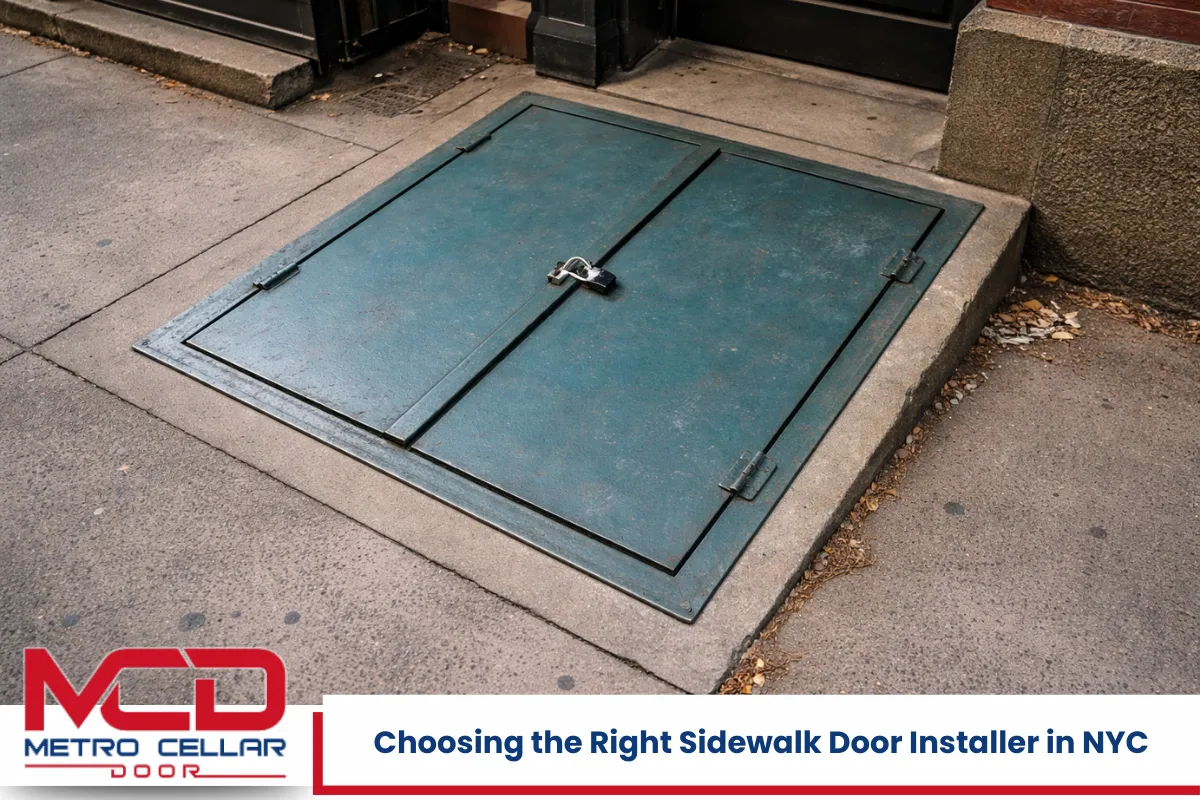
Experience matters. Look for:
- Knowledge of NYC building codes
- Familiarity with DOT requirements
- Commercial installation expertise
- Custom fabrication capabilities
- Proper permits when required
Working with a reputable sidewalk door installer ensures compliance and durability.
Smart Property Management Starts with Routine Inspections
Sidewalk doors are more than access points—they are public safety structures embedded in city infrastructure. In New York City, where pedestrian traffic never slows, routine inspections are not optional; they are essential risk management.
A proactive schedule that includes monthly checks, quarterly testing, and annual professional evaluations helps prevent violations, injuries, and costly repairs. When installed properly and maintained consistently, sidewalk doors can last decades while remaining compliant with city standards.
Partnering with a qualified NYC Sidewalk Door Installer ensures that your property remains safe, legally compliant, and structurally sound year-round.
NYC Sidewalk Door Installer – Metro Cellar Door Bilco Pro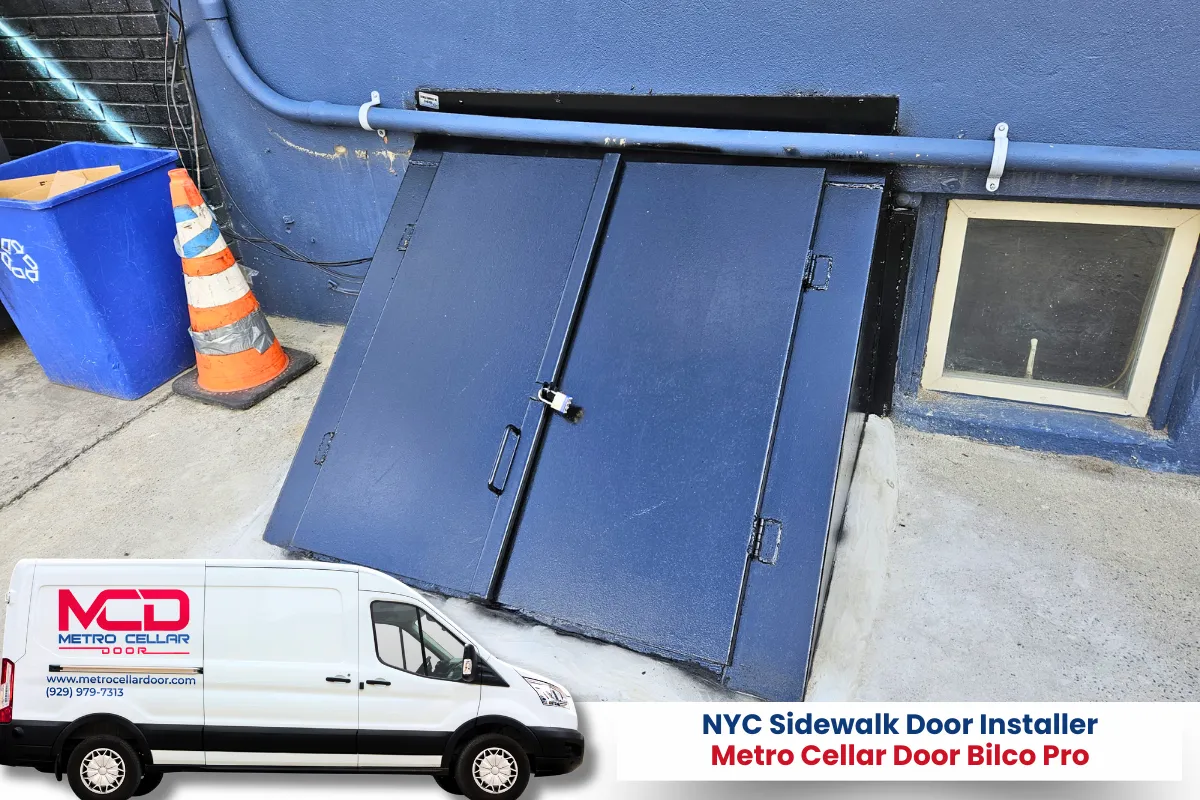
At Metro Cellar Door Bilco Pro, we specialize in professional sidewalk door installation throughout New York City and surrounding areas. As an experienced sidewalk door installer, we understand local codes, pedestrian safety requirements, and the structural demands of busy urban environments. We inspect, repair, and replace sidewalk doors to ensure they remain safe, secure, and fully compliant. Whether your existing doors show signs of corrosion or you need a new code-compliant system installed, we provide durable solutions built to withstand NYC weather and heavy traffic. Call us today at (929) 979-7313 or fill out our contact form to schedule an inspection. Protect your property with trusted expertise from Metro Cellar Door Bilco Pro.
Frequently Asked Questions
1. Do sidewalk doors require a permit for replacement in NYC?
In many cases, replacing sidewalk doors may require permits, especially if structural components or sidewalk concrete are modified. Minor repairs like hinge replacement may not require full permits, but significant sidewalk door installation work often does. Requirements depend on scope, building classification, and whether the sidewalk itself is impacted. It is important to consult with a licensed professional familiar with NYC Department of Buildings and Department of Transportation regulations. Failing to secure necessary permits can result in violations or stop-work orders, delaying the project and increasing costs.
2. Are property owners liable if someone trips on a sidewalk door?
Yes. In New York City, property owners are generally responsible for maintaining sidewalks adjacent to their buildings, including cellar doors embedded in the pavement. If a sidewalk door is uneven, damaged, or improperly secured and causes a trip-and-fall accident, the property owner may face legal liability. Courts often evaluate whether reasonable maintenance and inspection practices were followed. Documented inspections and prompt repairs significantly reduce liability exposure and demonstrate responsible property management.
3. How long do properly installed sidewalk doors typically last?
With high-quality materials and routine maintenance, sidewalk doors can last 20 to 30 years or more. Galvanized and powder-coated steel systems offer extended durability against corrosion. However, lifespan depends heavily on exposure to weather, pedestrian traffic, and maintenance practices. Annual professional inspections help identify early wear and extend service life. In harsh NYC winter conditions, untreated corrosion can shorten lifespan significantly if not addressed promptly.
4. Can sidewalk doors be customized for specific business needs?
Yes. Modern sidewalk door installation allows for customization based on load requirements, size, finish, and accessibility needs. Restaurants, retail stores, and commercial buildings often require specific dimensions to accommodate delivery access. Custom fabrication ensures proper fit and code compliance. Features such as reinforced panels, non-slip surfaces, weather seals, and gas-assisted lift mechanisms can be incorporated based on operational needs and safety priorities.
5. What signs indicate immediate repair is necessary?
Immediate repair is necessary if you notice sagging doors, visible structural cracks, broken hinges, water intrusion into the basement, loud grinding noises during operation, or doors that do not sit flush with the sidewalk. These conditions create safety hazards and increase liability risks. If a door shifts when stepped on or feels unstable under weight, it should be inspected right away. Delaying repair can escalate costs and lead to potential violations from city inspectors.
Disclaimer: This article is for informational purposes only and does not constitute legal or professional engineering advice. Always consult a licensed professional for code compliance and property-specific requirements in New York City.
Read NYC Fire Door Installer: How Are Fire Doors Installed Differently From Standard Doors?